Based on 27 reviews
Trip Duration
11 DaysTrip Difficulty
ModerateMax Altitude:
4,000m. / 13,123ft.Group Size
2-20 PeopleBest Season
Oct-Dec & Mar-MayMeals
Breakfast, Lunch and DinnerAccommodation
CampTransportation
Tourist BusThe Ganesh Himal Camping Trek is a great choice for travelers who want to explore a quiet part of the Nepal Himalayas. This trail is different from the more popular trekking trails, which run through busy towns, villages and forests, because it winds through quiet forests, traditional villages, open grasslands and distant mountain valleys. The trail is a good opportunity to see native culture and enjoy the beauty of the mountains. The trail is less traveled, so you can have a relaxing trekking experience in nature.
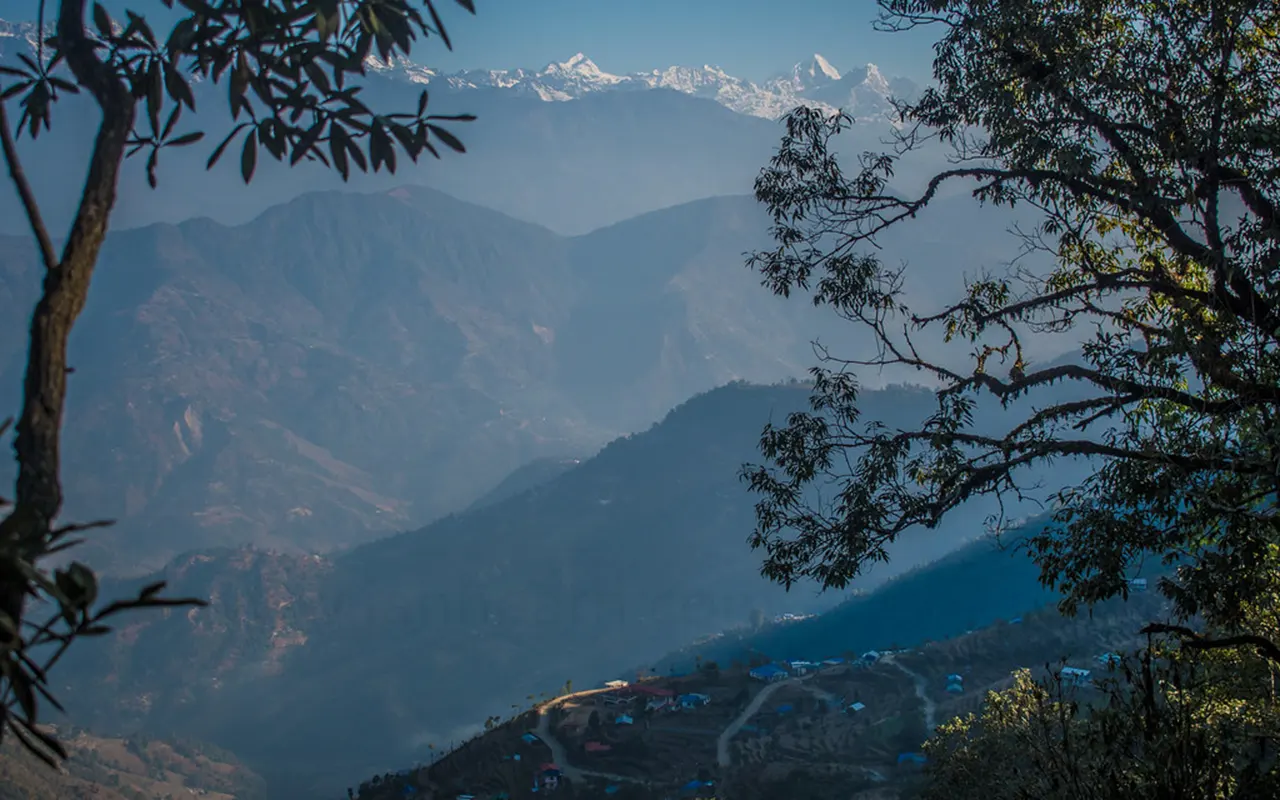
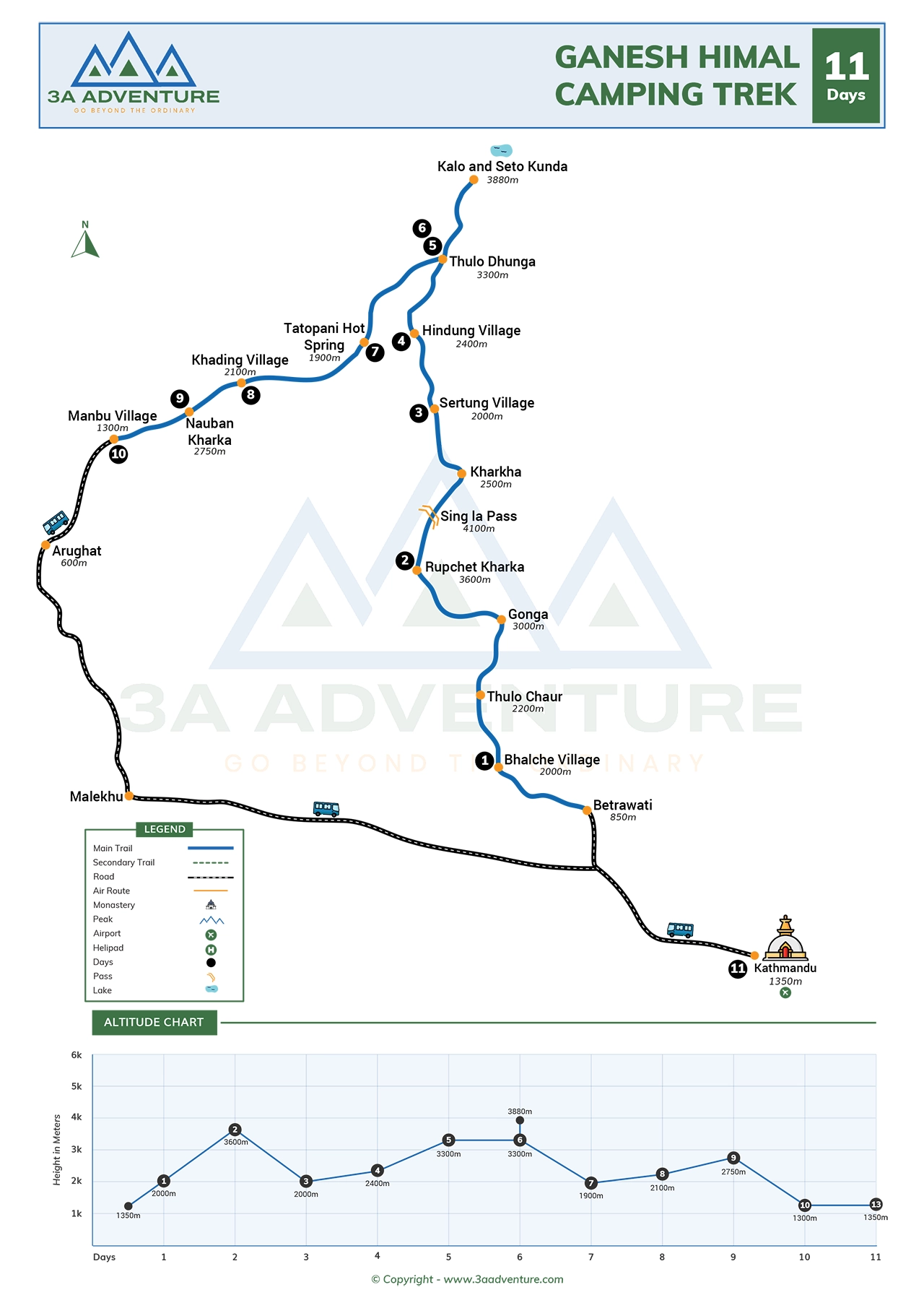
The trek starts with a drive from Kathmandu to Bhalche and then goes up to the hills of the Ganesh Himal region. The trail goes through villages where the Gurung, Tamang and Ghale communities still live in their traditional way of life. Each day of the trip is interesting with friendly people, simple mountain settlements and beautiful farmland. Another advantage to camping in quiet areas is that you can enjoy the natural beauty in other ways.
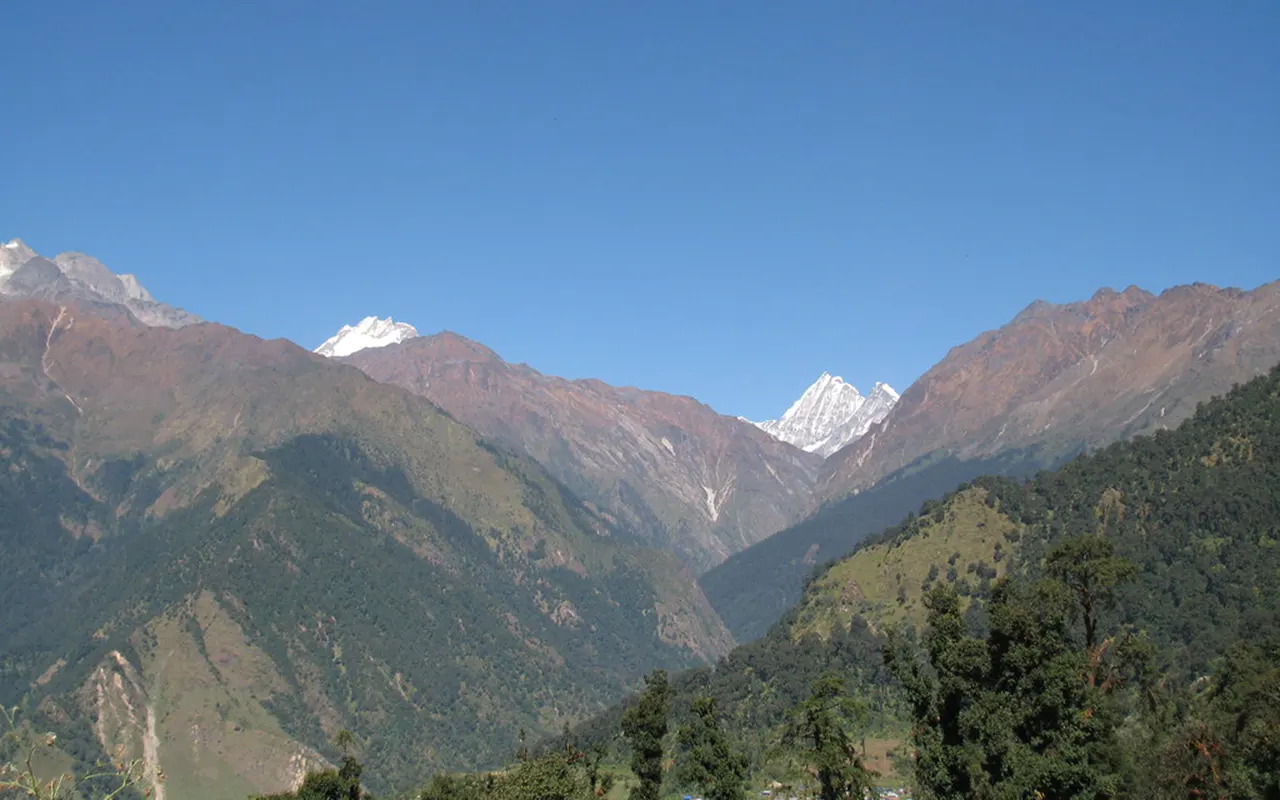
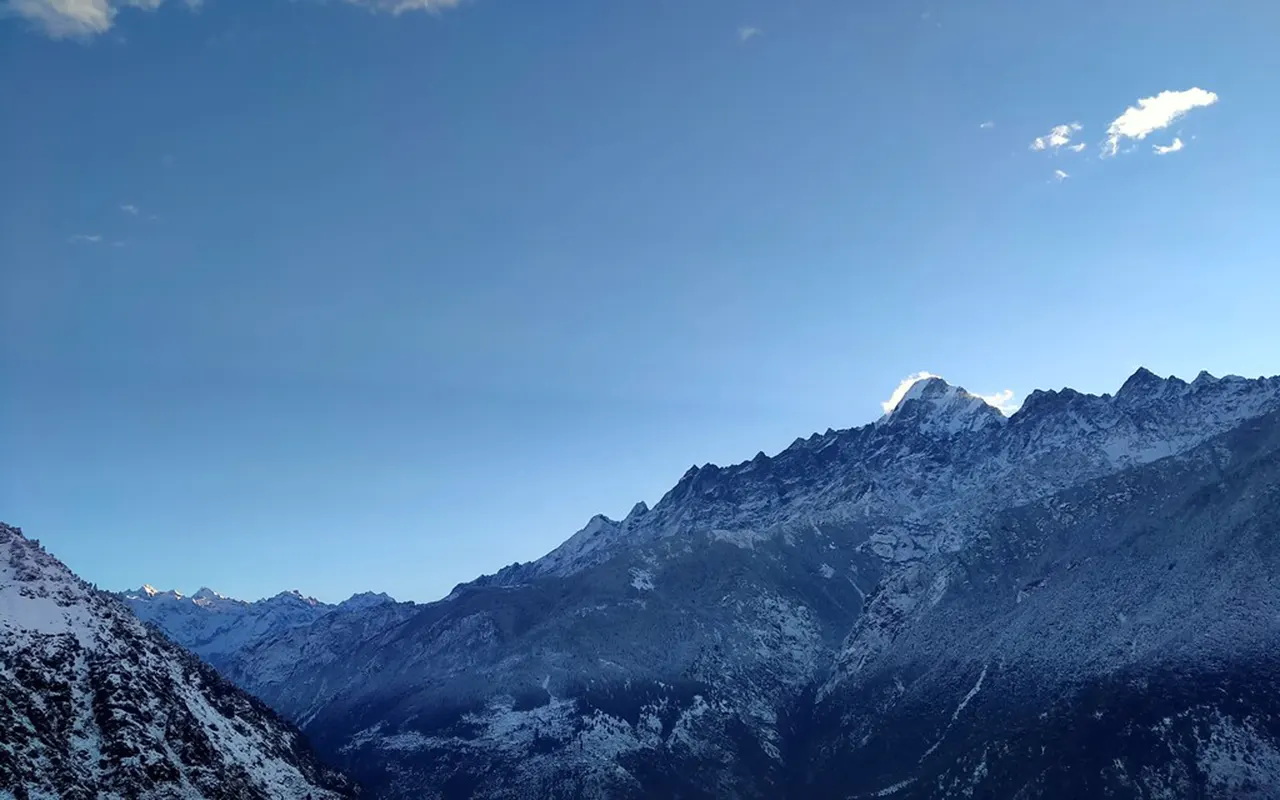
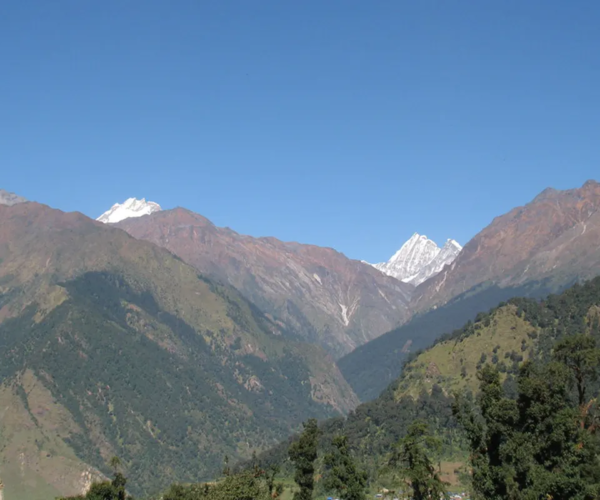
The Ganesh Himal Trek passes through rhododendron forests and pine woods, through alpine meadows and high mountain passes. In the process, you will see the views of Ganesh Himal, Langtang, Manaslu and other nearby mountains. The main attraction is crossing Singla Pass (4,000 m / 13,123 ft); the great thing to see from the pass is the great expanse of mountains. The sacred Black and White Lakes, known as Kalo Kunda and Seto Kunda, are also some of the most important for the local community and are included in the itinerary.
After the trek for several days, another enjoyable part of the journey is the natural hot springs where you can relax in Tatopani. The path then passes through quiet grazing fields and through the traditional villages until it reaches Manbu. The trek will take you through camp accommodations, so you can enjoy the mountains without the crowds and eat freshly prepared meals and sleep in comfortable beds.
Ganesh Himal Camping Trek is a trek for those who are physically fit and want to experience a thrilling adventure in a remote area. The majority of the days spent on the trek are spent on mountain trails with varying levels of ascent and descent, typically 5 to 8 hours of walking every day. When preparation, equipment and an experienced support crew are at their best, the trip is comfortable and enjoyable.
Enjoy a quiet stroll, a chance to see the mountain views, immerse yourself in local culture and have an authentic camp experience; this trek has it all! With 3A Adventure’s team of experienced guides, permits, transportation and camping gear taken care of, you can rest assured your journey will be enjoyable from start to finish.
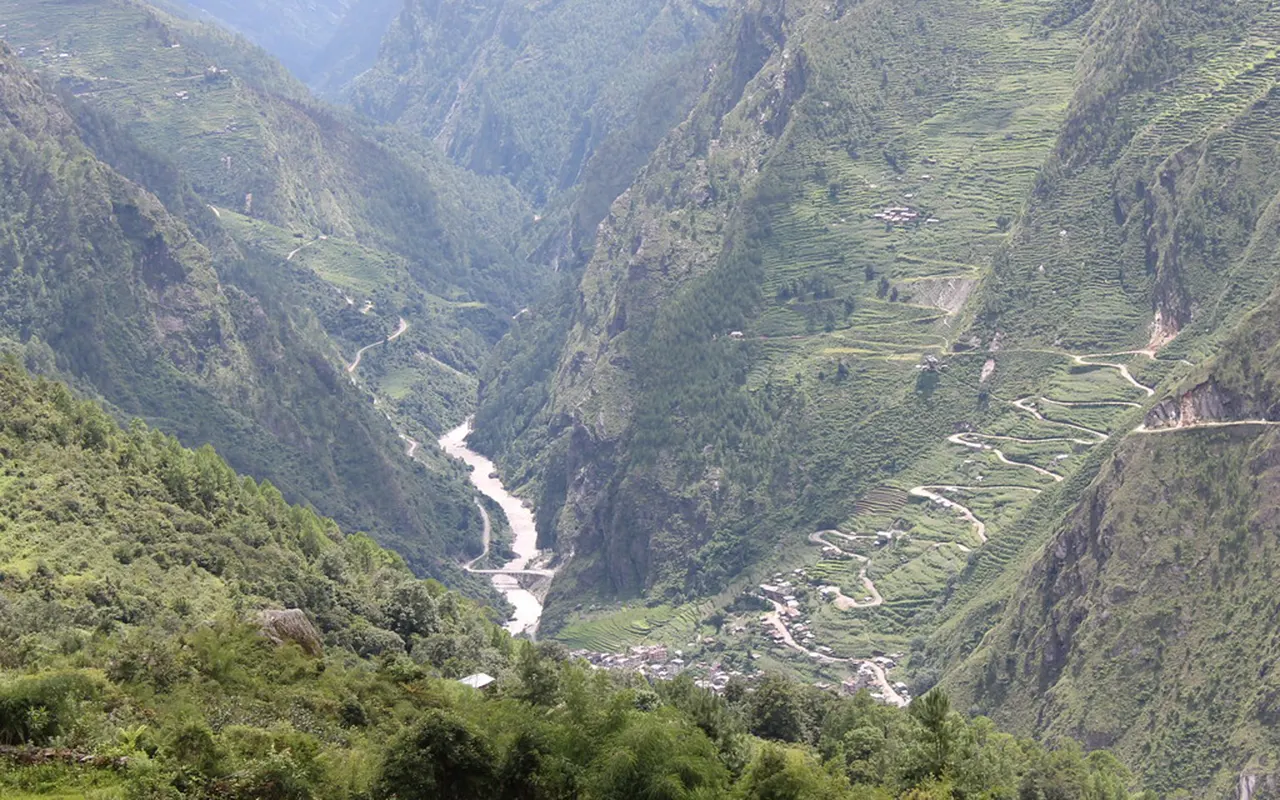
The ride starts with a beautiful drive from Kathmandu towards Bhalche Village, where the Ganesh Himal trek begins. The road runs through the Prithvi Highway, then through green hills, terraced farms, rivers and traditional villages. The further away from the city, the more rural and quiet.
We reach Bhalche Village, which is at an altitude of 2000 m (6562 ft), after some hours of travelling. Forests and rolling hills surround the village and on a clear day the nearby mountains offer a beautiful view. This quiet area is a nice introduction to the rural life in central Nepal.
The site will be prepared for you and you will have plenty of room to stretch your legs and get a fresh dose of mountain air. Your guide will summarise the walk at the end of the day and dinner will be provided at the campsite.
Activity: 7 to 8 hours
Max. Altitude: 2,000m/6,562ft. (Bhalche Village)
Meal: Lunch and Dinner
Accommodation: Camp
It is the first day of a trek after leaving Bhalche Village and trekking through forest, filled with rhododendron, oak and pine trees. The trail rises slightly along the way, going through small grazing areas and open meadows. The walk is pleasant in the peaceful surroundings and fresh mountain air.
The further higher you are the further away from the ground the forest begins to thin and a wide view of the mountains begins to show. During spring, the hillsides are covered with blooming rhododendrons, adding bright colors to the landscape. Local wildlife and birds can be spotted on the trail as well.
By late afternoon, you reach Rupchet Kharka (3,600 m / 11,811 ft). This beautiful pasture is surrounded by high hills and has a great view of Ganesh Himal and surrounding peaks. Once in camp, have a hot meal and sleep for the night for the next day’s high pass crossing.
Activity: 6 to 7 hours
Max. Altitude: 3,600m/11,811ft. (Rupchet Kharka)
Meal: Breakfast, Lunch and Dinner
Accommodation: Camp
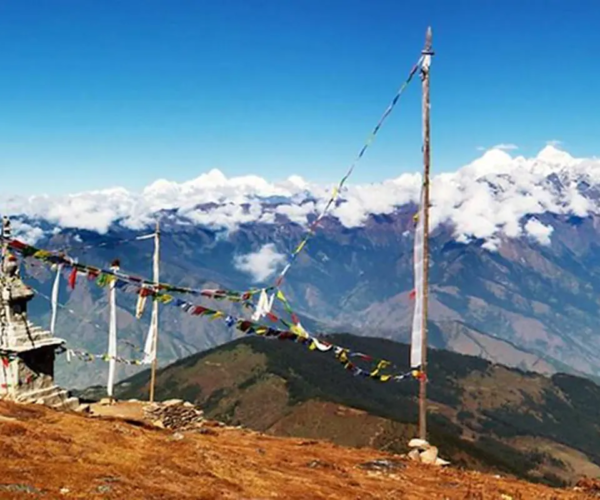
The day starts with a gentle ascent to the Singla Pass (4,000 m / 13,123 ft), which is the highest point for the day. The trail leads through alpine grassland and rocky terrain and eventually leads to the summit of this pass. From this point, you can have a panoramic view of Ganesh Himal, Langtang, Manaslu and the surrounding mountain ranges.
The trail passes through some fields and then through woods and open hillsides to Sertung Village. The descent is quite long, but the scenery will change from the alpine landscape to green valleys and traditional settlements, so the journey will be worth taking.
Sertung Village is located at 2000m (6562ft) and offers friendly local communities with a wonderful cultural heritage. Upon arrival, our camping staff will set up the campground while you unwind in the tranquil environment.
Activity: 7 to 8 hours
Max. Altitude: 4,000m/13,123ft. (Singla Pass)
Meal: Breakfast, Lunch and Dinner
Accommodation: Camp
The trail today takes you through all the gentle paths of forests, fields and heritage villages. The journey provides an intimate glimpse into the daily life of the Gurung and Ghale people of the area. In the process, you will see small farms, prayer flags and the peaceful mountain villages.
The walk has a few gentle inclines and declines along with crossing small streams and wooded areas. Other hills around it have beautiful views all day long and the walk is not too strenuous.
In the afternoon, you arrive in Hindung Village (2,400 m / 7,874 ft). It is a secluded community, regarded as one of the important villages of the Ganesh Himal region. Once arrived, you can visit the village, meet the locals or just lie back and enjoy your dinner at the campsite.
Activity: 5 to 6 hours
Max. Altitude: 2,400m/7,874ft. (Hindung Village)
Meal: Breakfast, Lunch and Dinner
Accommodation: Camp
The trail rises after breakfast through forests and open grazing land in Hindung Village. The more you climb, the more open the landscape is and the more you can see the surrounding hills and mountains.
The path goes through the seasonal yak pastures and peaceful alpine meadows where local herders usually take their herds in the summer. In spite of the steady rising, it is a nice climb today, due to the peaceful atmosphere and the fresh air of the mountains.
You reach Thulo Dhunga (3,300 m/10,827 ft) in the afternoon. This campsite is situated in an amazing high pasture with a splendid view to the Ganesh Himal and the mountains. Once in camp, you will be able to relax in the quiet night before dinner and get ready for the next day’s trip to the well-known Black and White Lakes.
Activity: 5 to 6 hours
Max. Altitude: 3,300m/10,827ft. (Thulo Dhunga)
Meal: Breakfast, Lunch and Dinner
Accommodation: Camp
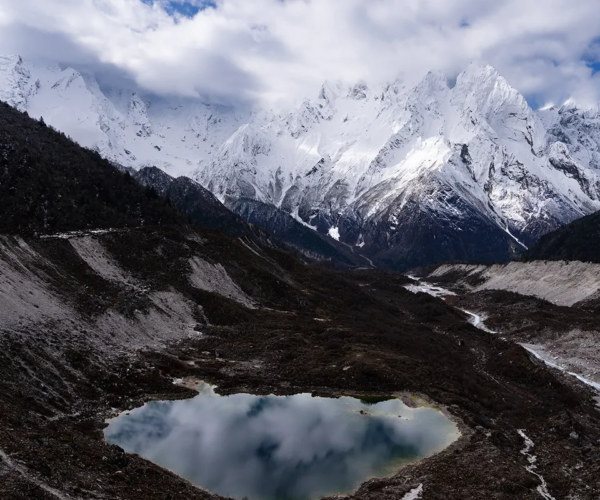
Today, the day is for exploring the beautiful Black and White Lakes (Kalo Kunda and Seto Kunda). Upon leaving the campsite at Thulo Dhunga, an easy uphill route passes through alpine meadows and rocky ground to the campsite at the base of the glacier. The area has a calm ambience, high hills and is one of the hidden treasures of the Ganesh Himal region.
The two lakes are sacred to local communities and are of cultural and religious significance. The contrast of dark coloured water in Kalo Kunda with lighter coloured water in Seto Kunda is interesting. Excellent views of Ganesh Himal, Paldor Peak and nearby mountain ranges are also available on a clear day. Take some time to explore the surrounding area, capture photos and relax in the peaceful surroundings before heading back to the campsite.
Or, you can relax and take a quiet alpine rest day, rather than the exploration hike, in Thulo Dhunga.
Activity: 5 to 6 hours
Max. Altitude: 3,880m/12,730ft. (Kalo Kunda and Seto Kunda)
Meal: Breakfast, Lunch and Dinner
Accommodation: Camp
After breakfast it is a long descent to the high alpine pastures of Thulo Dhunga. The path slowly moves out of the open mountain terrain and into forests of pine, oak and rhododendron trees. En route, you’ll see small streams, grazing lands and peaceful villages where locals live their traditional lives.
As one descends, the climate gets warmer and the plants get greener. It is mostly downhill and easier on the breath today, but needs to be done carefully for the descent.
You’re now at Tatopani (1,900 m / 6,234 ft) at the end of the afternoon. This is the site of a natural hot spring and is a fantastic place to soak up the stresses of a few days of trekking. A soak in the thermal waters is an ideal activity to relax tired muscles before heading back to the campsite and a night’s rest.
Activity: 6 to 7 hours
Max. Altitude: 3,300m/10,827ft. (Thulo Dhunga)
Meal: Breakfast, Lunch and Dinner
Today’s path leads through forest and through typical mountain villages, away from Tatopani. Small streams and cultivated fields where local families farm their seasonal crops are crossed. The route is an excellent chance to interact with the culture and lifestyle of the people of the Ganesh Himal region.
There are some slight steep ups and downs along the trail, but it is fairly easy. You may catch sight of local villagers walking with provisions or with livestock as they go about their daily lives. Today’s stroll of the day is a pleasant one in a peaceful environment and a friendly atmosphere.
After lunch, you reach either Lapa Village or nearby Khading Village (2,100 m / 6,890 ft) depending on the camping site and trekking schedule. Once the camp is established, it’s possible to wander the village, visit the local homes upon request and savor the leisurely mountain atmosphere prior to dinner.
Activity: 5 to 6 hours
Max. Altitude: 2,100m/6,890ft. (Khading Village)
Meal: Breakfast, Lunch and Dinner
Accommodation: Camp
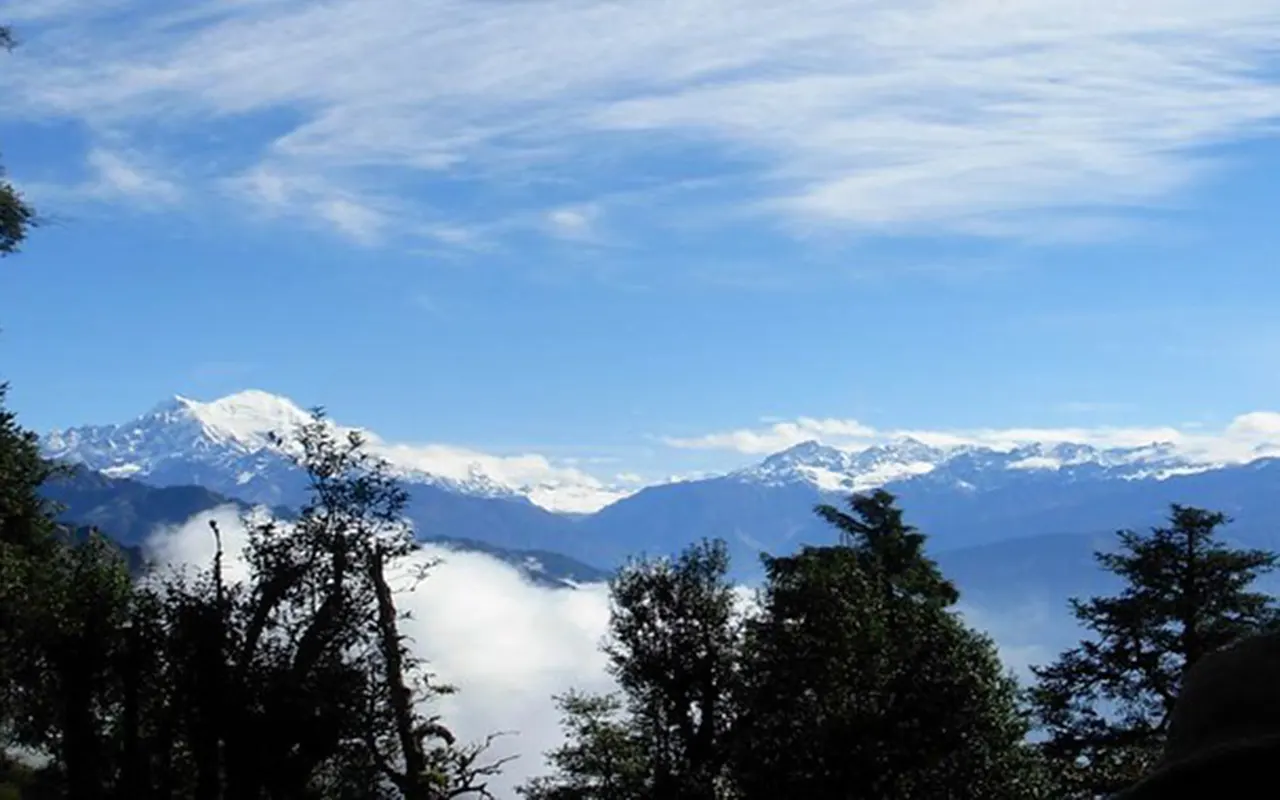
One of the best days of the journey is today. Early, you leave the village and start climbing steadily towards Mangni La Pass (3,850 m / 12,631 ft). The walk is through forest, then to open alpine fields with views of the mountain. The pass is visible from the blue sky as you approach, with Ganesh Himal, Manaslu, Langtang and several other peaks to be seen.
The trail leads down a bit at the pass, then heads down toward Nauban Kharka. The track goes through quiet grazing areas frequented by the local herders, with their yaks and cows during the summer. This is an interesting section of the trail in a quiet atmosphere with lovely views.
Arriving at Nauban Kharka, the camping team will set up camp and you will be able to unwind and enjoy the last night in the mountains.
Activity: 7 to 8 hours
Max. Altitude: 3,850m/12,631ft. (Mangni La Pass)
Meal: Breakfast, Lunch and Dinner
Accommodation: Camp
The last day of trekking starts with a slow descent through forests, farmland and scattered villages. The path runs along ancient paths that have been utilised by people for generations. The air warms up as you descend and the terrain alters from alpine hills to green valleys and cultivated terraces.
Here you cross small streams, suspension bridges and traditional settlements and witness the daily life of the village. Compared to other days, the hike is not as strenuous and serves as a good way to end the trek part of the trip.
At the end of the afternoon, you reach Manbu Village (1,300 m / 4,265 ft). Once you reach the campsite, you can relax and celebrate with the trekking crew that you made it. Take the last night of camping and share the memories of the trip.
Activity: 5 to 6 hours
Max. Altitude: 2,600m/8,530ft. (Nauban Kharka)
Meal: Breakfast, Lunch and Dinner
Accommodation: Camp
Once breakfast is over, you depart Manbu Village and head to Kathmandu. The road winds uphill and downhill through rural communities, through terraced fields, through rivers and through green hills. As you travel, you may look back on the days gone by and take in those last scenic moments out in the country.
The drive takes you through several small towns before arriving at the main road leading to the capital. There are lunch and short break opportunities along the way. As you approach Kathmandu, the scenery gradually changes from peaceful villages to the busy streets of the city.
In Kathmandu, our representative will pick you up and drop you off at your hotel. The remainder of the day is for relaxation, souvenir shopping or a final meal at night.
Activity: 7 to 8 hours
Max. Altitude: 1,300m/4,265ft. (Kathmandu)
Meal: Breakfast and Lunch
Note:
If you have a private group and prefer a personalized experience, we can organize a custom trip tailored to your requirements and group size, running it any day you choose.
Transportation
Food and Accommodation
Guide and Support Staff
Permit and Expenses
Medical and Gear
Others
International Flights and Visa
Food and Accommodation
Travel and Medical Insurance.
Other Expenses
It’s possible to experience Ganesh Himal Camping Trek throughout the year, although the best time to visit is in the spring (March-May) or autumn (September-November). The months are typically fine and clear and you will enjoy the mountains and the comfortable temperatures. Spring is a time for the blooming rhododendron forests or the fresh air after the monsoon in the autumn.
It is possible for some more experienced trekkers during the winter months, but the weather is very cold above 3,500 m (11,483 ft). High passes can also be impacted by heavy snows. During the summer monsoon, the frequent rain, muddy paths and low mountain vantage are some disadvantages.
It’s safer and more fun if you make the right selection. Always make sure to know the weather forecast before going on your trek and pack clothing that will adapt to the changing weather conditions.
Ganesh Himal trek is a medium to a difficult camping trek. It has some long walking days, difficult uphill and downhill passages and remote mountain trails. If you’re physically fit, some prior trekking experience is beneficial but not required.
Trekkers cross high mountain passes, including Singla Pass (4,000 m / 13,123 ft) and Mangni La Pass (3,850 m / 12,631 ft). There is no need for rushing at higher altitudes; it will take longer.
The treks are an average of 5-8 hrs on most days. Much of the way is not serviced by any permanent lodges, so overnight camping is necessary along the way. You’ll get to the end of the trek with a positive attitude and proper preparation.
As during the Camping Trek in the Ganesh Himal, the trekker will have to ascend gradually; it is important to be familiar with the symptoms of altitude sickness. The higher you get above 3,000 m (9,843 ft), the less oxygen becomes available in the atmosphere, which may produce slight symptoms, such as headache, tiredness or lack of appetite.
A staggered schedule allows for natural acclimatisation. Adequate hydration, proper nutrition and abstinence from alcohol will minimize the potential for altitude-related issues.
When symptoms are more severe, such as difficulty walking or breathing, it is important to descend immediately. Throughout the trek, your guide will keep an eye on you and make safe decisions if necessary.
With good preparation, you’ll be able to enjoy the Ganesh Himal Camping Trek more comfortably. It is a trek that requires a lot of walking time, continual hilly sections and strong fitness, so it is highly recommended to build up fitness before going on the trek.
Walking, hiking, jogging, cycling and using stairs are good methods to increase endurance. Several weeks of exercise before travel will make the journey easier. It is also beneficial to strengthen the legs and work on balance.
Wear well-worn and comfortable hiking boots during your trip. Having the right outfit, a cozy sleeping bag and gear for hiking will greatly enhance the comfort of the camping experience.
The Ganesh Himal Trek is a camping trek that is fully supported. There are very few lodges along the way; therefore, meals and accommodation are offered at well-prepared campsites.
We have a small crew of campers who are making the food each day, so breakfast, lunch, dinner and hot drinks will be ready to go every day. Rice, vegetables, soup, pasta, noodles, potatoes, eggs and seasonal fruits (when available) are typically included in the meals. Boiled or purified water is recommended for all of the entire trek.
Tents will be erected in the afternoon before your arrival. Dining tents, kitchen tents and toilet tents are also set up for a comfortable camping experience. 3A Adventure provides all of the camping gear and support personnel for the trip.
This Camping Trek starts with a scenic drive from Kathmandu to Bhalche Village and then another drive from Manbu to Kathmandu. Both walks go through beautiful hills, rivers, terraced farmland and traditional villages.
It is more comfortable and flexible transportation in a private vehicle. Travel times are subject to change between seasons because road conditions can differ, particularly in rural areas.
For the entire journey, it is conducted on foot. The route is not accessible via road for most of its length, which means that the trekkers have the opportunity to enjoy quiet mountain scenery, away from the tourist crowds.
Communication facilities are limited during the Ganesh Himal Camping Trek, as it is a remote mountain trek. Some villages have mobile coverage, which may be lacking at higher elevations and remote camps.
Mostly, there is no internet coverage along the trekking trail. Let your family and friends know that during the trip you may not be able to communicate.
The trekking group is equipped for emergencies if needed. 3A Adventure maintains a line of communication with the trekking party to assist them in case of unexpected conditions on the trek.
Ganesh Himal Trek requires permits to be trekked in the region. In general, the Ganesh Himal Restricted Area Permit and the conservation area permit will be required depending on the route followed.
We should always check the current permit requirements and fees before travelling as they may vary over the years. Permits are compulsory to carry throughout the route and will be checked at certain checkpoints. 3A Adventure will arrange all the permits for you.
Permits can be requested in advance when you book your trek and will be provided after you provide your passport information and passport-sized photographs.
Foreigners participating in a camping trek to the places of Ganesh Himal must have a valid tourist visa before going on the trek. A visa can be obtained on arrival at Tribhuvan International Airport, Kathmandu or at the designated land border crossings by most travelers.
You need to have a valid passport with at least six months’ validity from the date of entry into Nepal. Having passport-size photographs and the required visa fee in accepted currency will smooth the process.
Visa requirements are subject to change, so please be sure to verify current government requirements before traveling to Nepal.
It is highly recommended that all participants have travel insurance for Ganesh Himal Camping Trek. The journey goes to mountainous regions where medical assistance is scarce, so it is crucial to have the right insurance coverage.
High altitude trekking up to 4,000 m (13,123 ft), emergency medical treatment, helicopter evacuation, accidents and trip cancellations should be included in your insurance policy. Carefully read your policy to understand what is included before your departure.
Appropriate insurance offers you and your trekking team peace of mind. It also prevents any unnecessary expenses in case of an emergency while one is on the journey.
Most of the trekking services required on the Ganesh Himal Trek are included in the package; however, you should also add to your budget for your personal needs while you are on the trek.
Additional expenses are for personal trekking equipment, snacks, bottled water, laundry, tips for trekking guides and other service providers, souvenirs bought in Kathmandu, Nepal visa fees and travel insurance. Consider leaving some extra cash for shopping individually before or after the adventure.
It is advised to bring some cash with you in Nepalese rupees as you will not find any banking or card payment facilities along most stretches of the trekking route.
The Camping Trek in Ganesh Himal can be organised as a group and/or as a private trek. Both are the same trekking route, but they have their own merits based on the type of travelling.
A private trek provides greater flexibility. Select your travel date and get a more personalized experience with your own guide and support team. It is a great choice for families, couples or small groups.
Group trekking is perfect for those who want to go by themselves or with friends who like to meet other trekkers. 3A Adventure arranges private and group tours led by qualified guides and camping personnel and supports the entire tour with full logistics.
General
Yes. Along the way, you will get to enjoy the mountain scenery, forests, traditional villages, alpine meadows, sacred lakes and less crowded natural scenery.
Yes. The walk visits the villages of Tamang, Gurung and Ghale, where you can witness the local traditions and customs and see daily mountain life.
This trek takes the trekkers to remote camping grounds, where fewer people are doing the trek and offers less explored views of the Himalayas.
Preparation & Fitness
Yes. Using a light backpack before your trip can help to condition your body for balance, stamina and overall comfort on long trekking days.
Waterproof trekking boots with good ankle support and grip will be recommended for uneven mountain trails or varying weather.
Typically, a duffel and a small daypack for everyday use will be enough for this camping excursion.
Insurance & Visa
Yes. It is highly recommended to have helicopter evacuation coverage as emergency ground transportation is very limited in this remote trekking region.
Yes. Tourist visas for Nepal can be extended before their expiration in the Department of Immigration, Kathmandu.
Yes. You might want to have a printout and a digital copy of your insurance policy just in case you need help in an emergency.
Guides & Support Staff
Yes. Your local guide tells you about the communities you pass through, their traditions, history and significant sites.
The camping team sets up tents, the dining area and kitchen first, before the trekkers have arrived at the camp.
Yes. Your Guide is trained to deal with the common emergencies faced while trekking and he will arrange for help if required.
Accommodation and Facilities
Sleeping bags can typically be requested and are usually available, but please check availability before booking the trek.
Camp Tents are usually used at campsites to provide basic toilet facilities on the trek.
Yes. Camp sites will usually have boiled or purified drinking water available to refill your reusable water bottle.
Weather & Seasons
Yes. Generally, the best views are from the beginning of the morning and the clouds may form later in the afternoon according to the season.
No. Snowfall differs from season to season and is heaviest often on the higher sections.
Yes. Rhododendron forests and alpine wildflowers along the trail are most showy in the spring.
Health & Safety
There are virtually no medical facilities and trekkers are advised to carry their own medicines; the guide’s safety instructions should be followed.
No, you should always drink boiled, filtered or purified water as it prevents water-borne diseases.
The route can change depending on the weather and other circumstances and is subject to change without prior notice if deemed necessary for the safety of the trekking party and support staff.
Booking & Payment
Limited season trekking is available and booking several weeks ahead of time is advised, particularly during the spring and autumn seasons.
Yes. A passport copy is needed to get trekking permits as well as to fill in other travel documents.
Yes. Individuals can travel with group tours or schedule private tours as they become available.
Transportation & Flight
No. The trip is made by road and trekking with no flights included in the tour.
We drive through a combination of paved and rural roads in the mountains. Heavy rain can make some areas of it difficult to navigate.
Yes. Road conditions, weather, traffic and temporary road work in the hilly regions may impact driving time.