Based on 27 reviews
Trip Duration
5 DaysTrip Difficulty
ModerateMax Altitude:
3,880m. / 12,730ft.Group Size
2 to 25 PeopleBest Season
Autumn, SpringMeals
Breakfast, Lunch, DinnerAccommodation
Teahouse/ HotelTransportation
Tourist BusEverest View Trek is a short trek in the Khumbu region of Nepal, perfect for those seeking to experience the Everest region in a limited time. This trek combines mountain scenery, Sherpa culture, and well-established trails, offering an introduction to one of Nepal’s most popular trekking regions without the longer trekking days. The journey up to Hotel Everest View at 3,880 metres provides the trekking enthusiast with a chance to see the view of Everest and some of the surrounding Himalayan peaks, whilst still being accessible to trekking enthusiasts of moderate fitness.
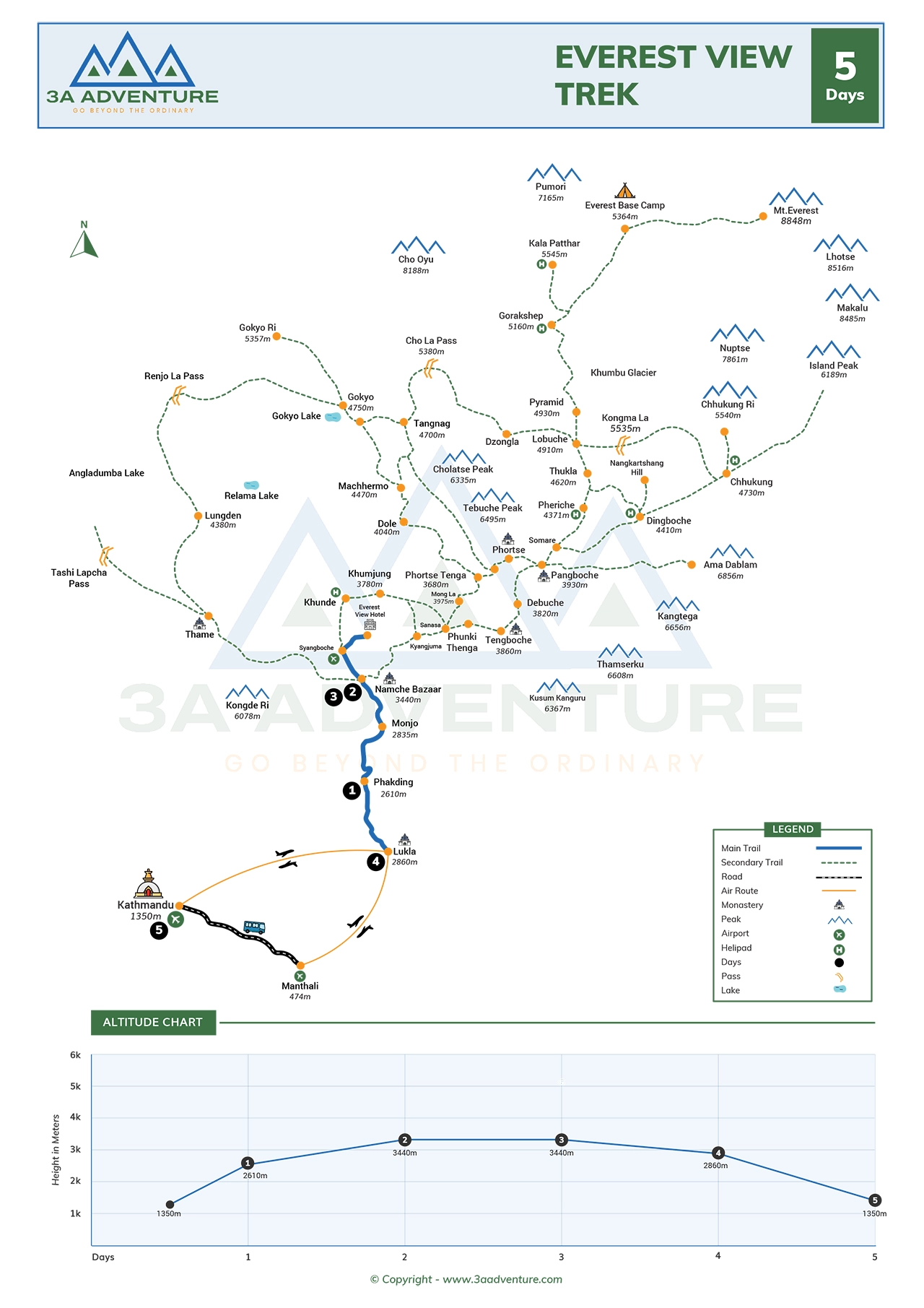
The trip starts with a flight from Kathmandu to Lukla, and then a trek through the traditional Sherpa villages and forests along the Dudh Koshi River. On the way through Phakding and to Namche Bazaar, trekkers follow historic trade routes for generations. The Everest View Trek Itinerary is designed to gradually rise in elevation, giving time to take in the beauty and culture of the Khumbu area and acclimatizing to the higher altitudes.
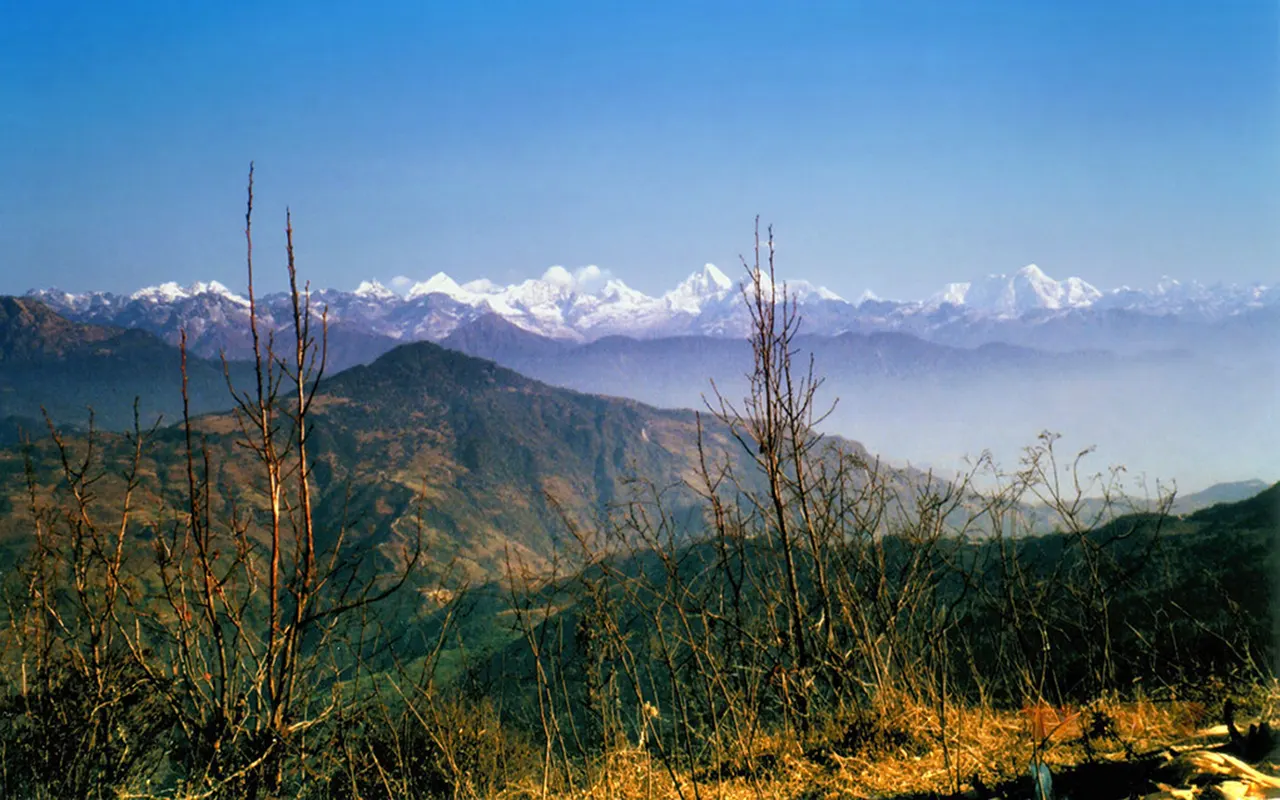
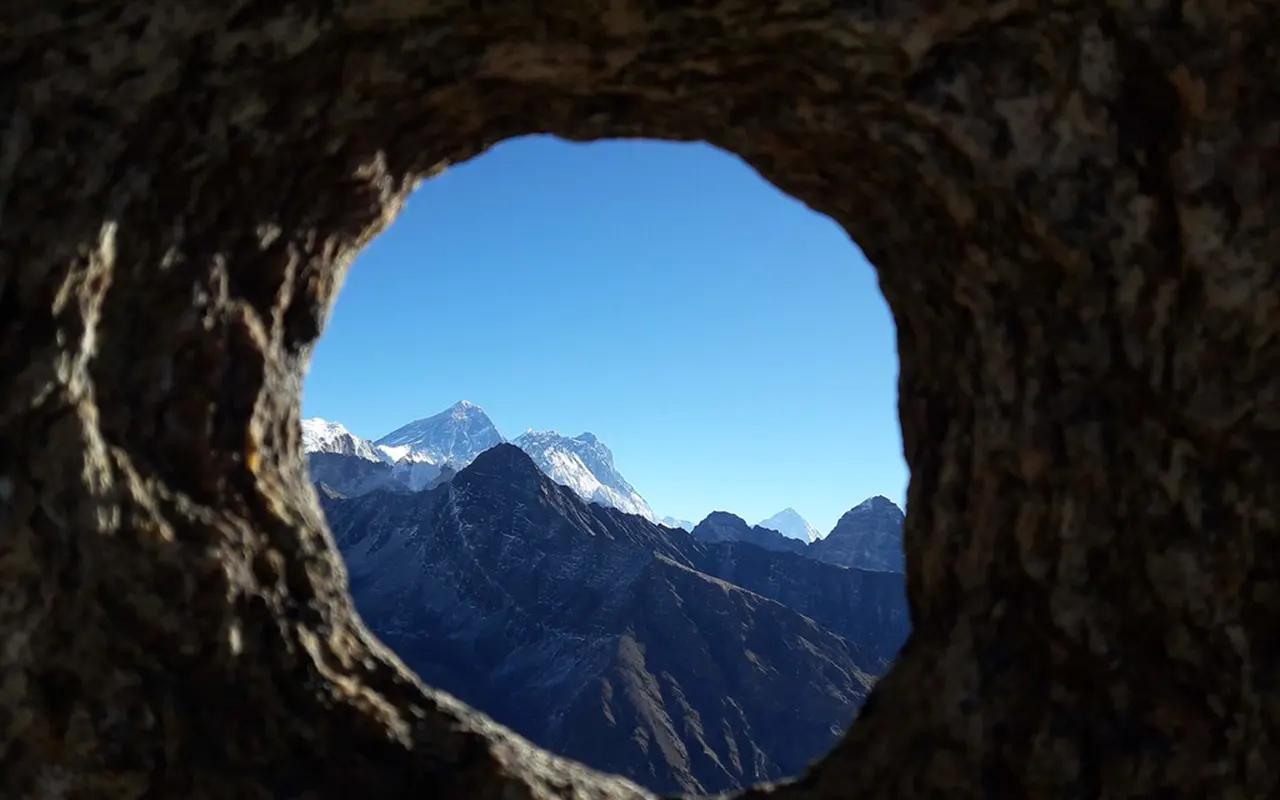
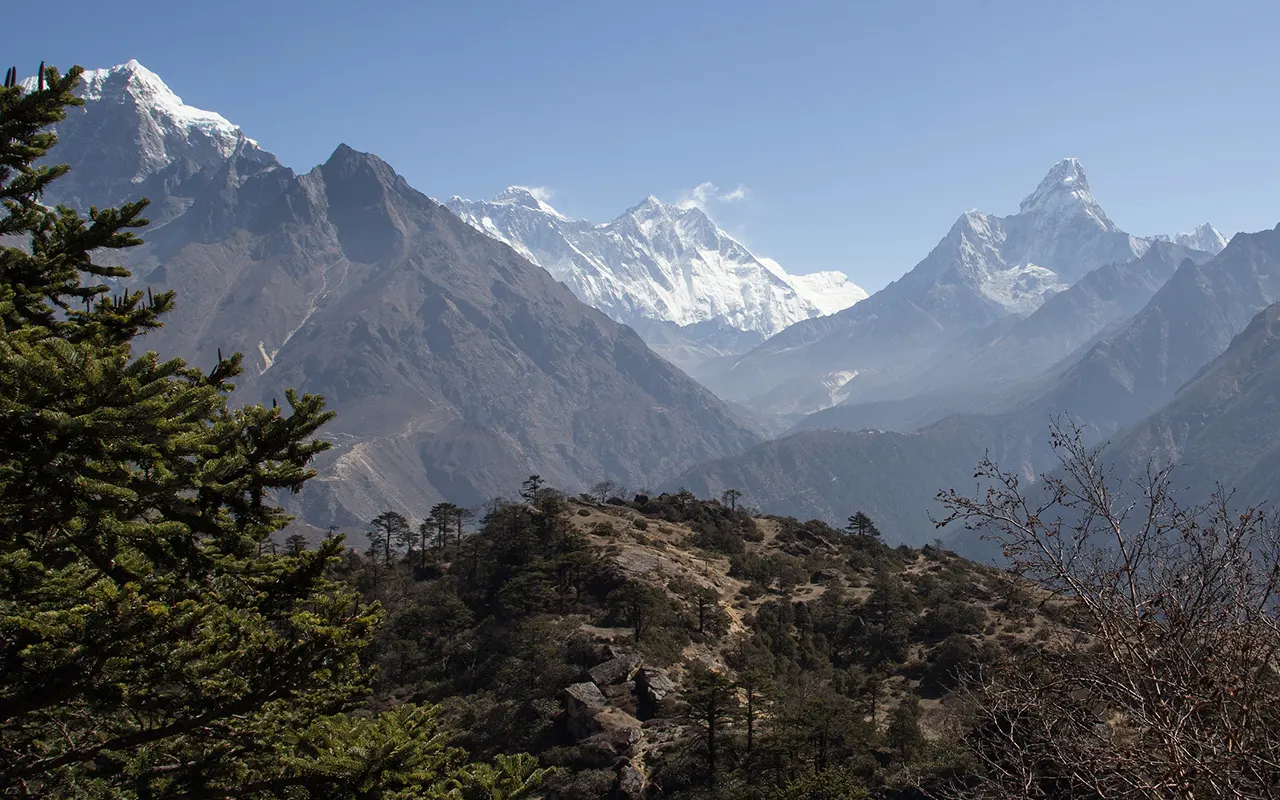
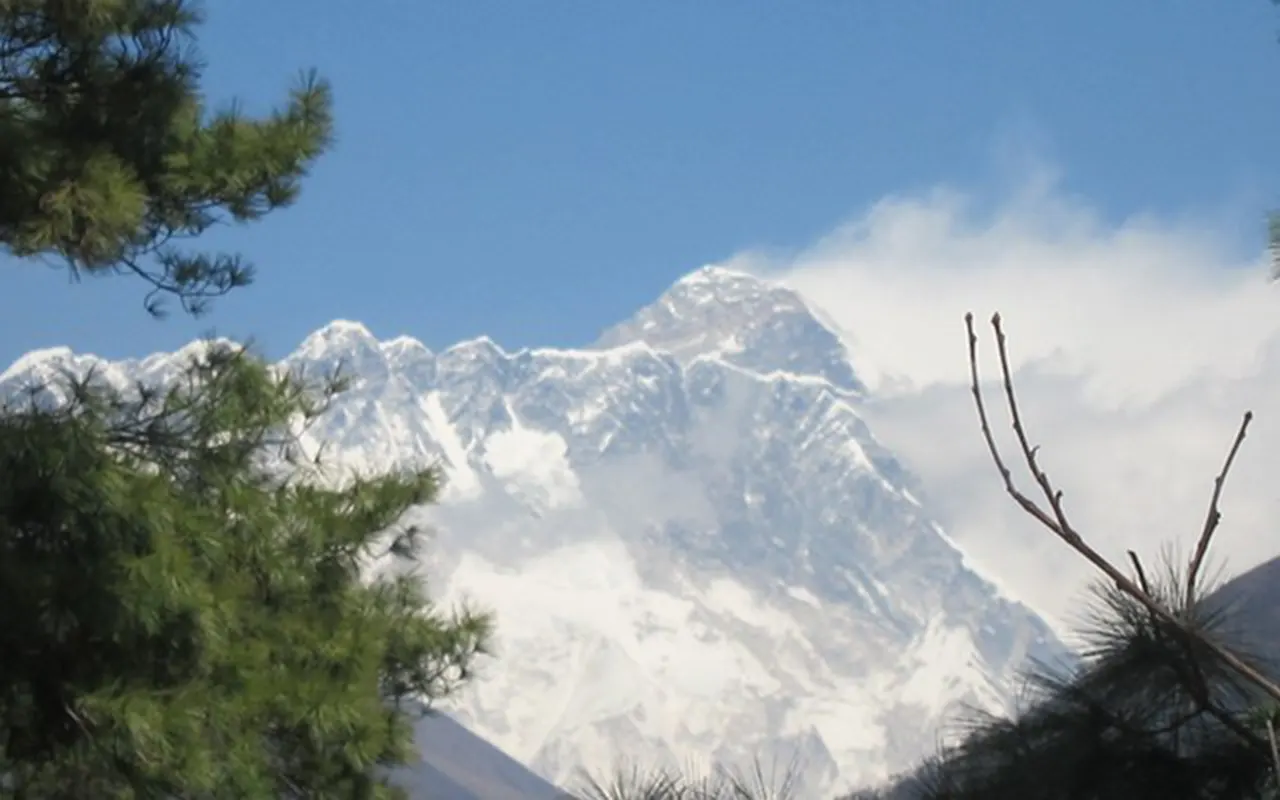
The main attraction on the route is the trek to Hotel Everest View above Namche Bazaar. At this vantage point, in good weather, Everest, Ama Dablam, Lhotse, Kongde Ri, Thamserku and other peaks of the Himalaya can be seen. Along the way, one may also encounter prayer wheels, mani walls, chortens and monasteries to be mindful of the local Sherpa Buddhist traditions. A stay in Namche Bazaar offers an opportunity to experience mountain life and visit the main trading center of the Khumbu region.
Everest View Trek Package involves staying in the local lodges and teahouses along the trek. These lodges provide comfortable overnight accommodations and freshly prepared meals, and provide trekkers with a taste of hospitality from the Everest region. The trail is located in the Sagarmatha National Park which is a protected area of natural and cultural heritage.
The ideal time to take this trek is during the spring (March to May) or fall (September to November) months when the weather is relatively calm and the sight is relatively clear. Everest View Trek is perfect for novices to trekking, family groups, or those with limited time.
At 3A Adventure, we organize this trek with experienced guides, comfortable teahouse accommodation and all necessary permits, making it a practical way to experience the landscapes and culture of the Khumbu region. The Everest View Trek cost can vary depending on the size of the group, season, accommodation types, and other services offered throughout the trek.
We fly early morning from Kathmandu and reach Lukla from where we start our trek to Phakding. The trail gradually descends via Chheplung and follows the Dudh Koshi River passing through traditional Sherpa villages, prayer wheels and mani stones. Crossing several suspension bridges and passing through the settlements of Ghat and Toktok, we will follow the river valley to Phakding.
The short walk is a good opportunity to acclimatize to the altitude and to get to know the surroundings of the Khumbu region. We will check into our teahouse upon arrival at Phakding and have the night to prepare for our trek to Namche Bazaar tomorrow.
Activity: Fly to Lukla & trek to Phakding
Max. Altitude: 2,860m/9,383ft. ( Lukla )
Meal: Breakfast, Lunch, Dinner
Accommodation: Hotel
As we leave Phakding, we will walk through forests of pine and rhododendron, following the Dudh Koshi River and passing through the villages of Benkar and Monjo. The trail enters Sagarmatha National Park and passes through Jorsalle, along the river before crossing the famous Hillary Suspension Bridge. From here a steady climb up hill to Namche Bazaar.
As we climb higher the mountain scenery around us becomes more and more impressive and we may get our first distant view of Mount Everest in clear weather. We will arrive in Namche Bazaar and settle into our teahouse, taking time to explore the largest Sherpa village in the Khumbu.
Activity: Trek from Phakding to Namche Bazaar
Max. Altitude: 3,440m/11,286ft. (Namche Bazaar )
Meal: Breakfast, Lunch, Dinner
Accommodation: Teahouse
We will have breakfast and then leave Namche Bazaar and take the trail to Syangboche. As the trail climbs above the town, the views of Everest, Lhotse, Ama Dablam, Thamserku and other peaks become increasingly prominent. We will pass through hillside trails and open viewpoints as we continue towards Hotel Everest View at 3880 meters.
After enjoying the mountain panorama and the surrounding scenery for some time, we will start our descent back to Namche Bazaar. The rest of the afternoon can be spent exploring local shops, bakeries and cafes, or simply relaxing at the teahouse.
Activity: Hike to Hotel Everest View and back to Namche Bazaar
Max. Altitude: 3,880m/12,730ft. (Namche Bazaar)
Meal: Breakfast, Lunch, Dinner
Accommodation: Teahouse
We will retrace our steps on the same trail through the Khumbu Valley and down to the Dudh Koshi River. The trail goes through Jorsalle, Monjo and Benkar, familiar forests, suspension bridges and riverside paths.
After lunch break along the route we continue through Phakding and follow the gradual ascent towards Lukla. The last part is a gentle climb before you reach the town. Upon arrival we check-in to our teahouse and enjoy our last evening in the Everest region with the trekking team.
Activity: Trek from Namche Bazaar to Lukla
Max. Altitude: 3,440m/11,286ft. (Lukla )
Meal: Breakfast, Lunch, Dinner
Accommodation: Teahouse
After an early departure from the teahouse we will then head to Lukla Airport to board the return flight to Kathmandu. This short flight is a second chance to enjoy aerial views of the mountains, hills and river valleys of eastern Nepal.
Upon arrival at Kathmandu Airport, you will be transferred to your hotel or preferred destination in the city. Your journey concludes with the Everest View Trek, leaving you with memorable recollections of the Khumbu region, Sherpa culture and views of the world’s tallest mountains.
Activity: Flight from Lukla to Kathmandu
Max. Altitude: 2,860m/9,383ft. (Kathmandu)
Meal: Breakfast
Accommodation: Not provided
Note:
If you have a private group and prefer a personalized experience, we can organize a custom trip tailored to your requirements and group size, running it any day you choose.
Transportation
Food and Accommodation
Guide and Support Staff
Permit and Expenses
Medical and Gear
Others
International Flights and Visa
Food and Accommodations
Travel and Medical Insurance
Other Expenses
The Everest View Trek can be done almost any time of the year but the best time to go is generally in spring or autumn. Spring (March-May) means mild temperatures, blooming rhododendron forests and clear mountain views. Trekking conditions are comfortable because the weather is normally stable.
Autumn lasts from September to November and is known for its excellent visibility and dry trails following the monsoon season. This is also usually the best time for trekkers wanting clear views of Everest and other Himalayan peaks.
Winter, December to February, is colder, particularly in the mornings and evenings, but the trek can still be undertaken with proper preparation. The monsoon season runs from June to August with rain, cloudy conditions and the chance of flight disruption. Spring and Autumn are still the best seasons to do the Everest View Trek, for the most reliable weather and mountain visibility.
The Everest View Trek is an easy to moderate trek and is suitable to the beginners, families and travellers with limited trekking experience. The trail is already in place and is part of the existing trails in the Khumbu region and does not require any technical climbing skills or special mountaineering gear.
Normal walking time per day is from three to seven hours. The climb from Phakding to Namche Bazaar is generally considered the most demanding section of the trek. The highest point of the trip is Hotel Everest View at 3,880m.
The route is shorter than many of the treks in the Everest region but still requires a reasonable level of fitness. A steady walking pace and time to acclimatize help ensure a comfortable trekking experience.
Altitude sickness can affect trekkers above 2,500 meters, so it is important to be aware of the symptoms during the trek. Although the route is below 4,000 metres it is still important to be aware of the symptoms and to take appropriate precautions.
Symptoms of altitude sickness are headache, dizziness, nausea, fatigue and trouble sleeping. Symptoms are often mild in the early stages but these symptoms should never be ignored. Drinking a lot of water, going slow, not over-exerting yourself can decrease the risk.
In the Everest View Trek itinerary, you will stay overnight in Namche Bazaar before reaching the highest point of the trek to help your body to acclimatize to the elevation. Our guides check on trekkers regularly as they go and can help if any altitude related issues arise.
The Everest View Trek is not a difficult trek and is suitable for first-time trekkers or travellers with a moderate level of fitness. However, there are some up and down sections along the route, especially on the trek to Namche Bazaar, so a little basic preparation is recommended before you arrive.
Stamina and endurance can be enhanced with regular activities such as walking, hiking, jogging, cycling or stair climbing. It is recommended to begin light fitness preparation four to six weeks before the trek. A light backpack is also a good way to get used to daily trekking conditions.
Trekkers can enjoy the Everest View Trek Package more comfortably if they are properly prepared, particularly on longer walking days and gradual elevation gain. On the trek, pace and rest periods tend to matter more than speed or fitness level.
During the Everest View Trek you will stay in local lodges and teahouses in villages along the way. The rooms are generally simple and comfortable, usually with twin beds, blankets and shared bathroom facilities. Some teahouses in bigger settlements like Namche Bazaar offer more of the amenities such as attached bathrooms, hot showers and Wi-Fi services.
Meals at the teahouses include a variety of Nepali, Tibetan and international dishes. Dal Bhat, noodles, fried rice, soups, eggs, potatoes, pasta and bread are easily available along the entire trek. Vegetarian options are plentiful at all overnight stops.
During the trekking part of the Everest View Trek itinerary, breakfast, lunch and dinner are included. The route follows one of the most developed trekking trails in Nepal so the food and accommodation facilities are generally reliable and well maintained throughout the journey.
Transportation for the trek involves internal flights between Kathmandu and Lukla. These flights provide quick access to the Khumbu region and significantly reduce travel time. Due to air traffic rules, flights during busy trekking seasons may be routed via Ramechhap Airport rather than Kathmandu.
The Everest View Trek Itinerary is an important aspect of the trek that includes domestic flights to reach the Everest region in a short period of time. The flight to Lukla is generally 35 minutes and offers aerial views of hills, valleys and Himalayan landscapes.
Weather is a significant factor in mountain flight operations and occasional delays and cancellations are possible. For this reason, travellers are encouraged to have some flexibility in their travel schedule, particularly after the trek.
Most parts of the trekking route have mobile network coverage, especially in larger villages like Namche Bazaar. In general, Nepal Telecom (NTC) has a wider coverage in the region but Ncell services are available in some places.
Many lodges and teahouses offer WiFi access for an extra cost. Internet speeds can vary depending on where you are, the weather, and network traffic. If you need regular internet while trekking, it might be worth buying a local SIM card with a data package before you leave Kathmandu.
Most of your overnight stops have electricity to charge your phone, camera or other electronic devices. Some lodges may charge a modest fee for charging services, particularly at higher elevations.
The Everest View Trek is done inside Sagarmatha National Park and you need the required trekking permits before entering the region. These permits help to conserve the region and manage tourism in the Everest region.
Trekkers require a Sagarmatha National Park Entry Permit and a Khumbu Pasang Lhamu Rural Municipality Permit. Both permits are mandatory for foreign visitors travelling along this route. The permit fees can change from time to time depending on government and local authority regulations.
When you book with 3A Adventure we take care of all the necessary permit arrangements. During the journey, trekkers need to carry their passport and permit documents all the time as there are checks at various points along the trail.
Most foreign nationals need a tourist visa to visit Nepal. Nepal Tourist Visa on Arrival is available at Tribhuvan International Airport, Kathmandu and at certain land border crossings.
Generally a passport must be valid for at least 6 months beyond the period of stay and have sufficient blank pages for entry/exit stamps. Visa fees are set by the Nepal Government and depend on the length of stay.
Visitors can also fill in the online visa application form before arriving in order to reduce waiting time at the airport. Visa requirements can change, so check what the latest immigration regulations are before you travel to Nepal.
All trekkers are strongly recommended to arrange travel insurance before joining the trek. Although Everest View Trek is at a lower altitude than Everest Base Camp, trekking in remote mountain areas does carry some risks including weather, illness, injury and transportation delays.
The right insurance policy should cover emergency medical treatment, hospitalization and helicopter evacuation. Trekking travellers should ensure that their policy covers trekking activities above 3,000 meters.
Insurance can also cover you for trip cancellations, lost baggage and unforeseen travel disruptions. It is advisable to carry a copy of your insurance policy and emergency contact details during the trip.
The Everest View Trek package includes the services mentioned in the inclusion section, however, trekkers should arrange for their personal expenses during the journey. Individual spending varies according to personal preferences and travel habits.
Other charges may include for hot showers, WiFi, charging phones, laundry, snacks, bottled drinks, tea, coffee and personal shopping. Travel Insurance, Nepal Visa Fees and personal trekking equipment are also not included unless specifically mentioned in the Everest View Trek package details.
Knowing about these extra costs can help travellers to more accurately assess the overall Everest View Trek Cost. It is recommended to keep some cash in Nepali Rupees as not every stop along the way may have facilities to pay by card.
The Everest View Trek is available as a private and group departure. Each option goes to the same route, the mountain view and cultural experience, allowing travellers to choose the one that fits their taste.
Being in a group trek allows you to travel at a lower cost, while also experiencing the trek with other trekkers. Many people like the social nature of travel when you get to travel as a group, and get to see people from different backgrounds.
A private trek is more flexible in terms of date, pace and style. This is a popular choice for couples, families and travellers in search of a more personalized trekking experience. All formats include experienced guides and professional trekking staff to support all departures.
General
Yes, this trek is suitable for the travelers who want to enjoy the Everest region within a few days. It offers a blend of mountain vistas, Sherpa culture, and Namche Bazaar without the time investment of the Everest Base Camp Trek.
Each day there are about 3 to 7 hours of walking (depending on route and speed). Phakding to Namche Bazaar is generally the longest day with a steady ascent.
The highest is Hotel Everest View at 3,880 meters. In good weather this viewpoint provides clear views of Everest and several surrounding Himalayan peaks.
Yes the trek is suitable for beginners with reasonable fitness. You do not need any technical climbing experience or previous trekking background.
On clear days there are views of Mount Everest, Lhotse, Ama Dablam, Thamserku, Kongde Ri and a host of other peaks. The best views are generally from above Namche Bazaar and Hotel Everest View on the trail
Yes, many families choose this trek for its moderate difficulty and shorter time commitment. Usually the route can be successfully handled by children used to walking several hours a day.
The trek is shorter, at a lower altitude and involves shorter walking days. It is an opportunity to get a flavour of the Everest region and mountain views without the commitment of a longer expedition.
Preparation & Fitness
In general a moderate level of fitness will be adequate. Trekkers must be comfortable walking several hours a day on uneven mountain trails.
You do not need any previous trekking experience for this route. A good walk or light walk before the trip can help ease the journey.
Good forms of preparation include walking, jogging, biking, swimming and stair climbing. These workouts are designed to help you build endurance and prepare your body for long days of walking.
It is recommended to start training your fitness level about 4-6 weeks prior to departure. It’s often better to get regular exercise than a lot of intense exercise right before the trek.
Yes, it is possible to take the Everest View Trek without any problem for many senior travellers every year.
Yes porter service is included as per Everest View Trek package details. This means trekkers only bring along a daypack with their personal essentials.
Insurance & Visa
Travel insurance is highly recommended for all participants. A policy which covers trekking activities and emergency evacuation offers extra protection when you are on the trip.
Trip interruption and emergency evacuation and medical treatment should be included in your policy. Also confirm your insurance company’s maximum elevation.
Yes, tourists can get a tourist visa on arrival at Tribhuvan International Airport in Kathmandu from many countries. Several designated land border crossings have the same service.
Passport should be valid for 6 months from the date of your intended departure from Nepal. It should also include sufficient blank pages for immigration stamps.
Visitors are required to obtain their own Nepal visa. However, our team can give you general information and guidance before your arrival.
Guides & Support Staff
Yes, there will be a licensed trekking guide all along the way. The guide will assist you on the trail with navigation, logistics and general support.
Yes, our guides are experienced in guiding in the Khumbu region & other trekking areas of Nepal. They have experience on local trails, weather and the way to trek it.
Yes, our trekking guides are fluent in English and regularly take foreign guests. There are also other guides available in other languages available upon request.
Tips are not compulsory but are appreciated as a thank you for good service. Most trekkers will choose to tip at the end of the trek.
Yes, we can do private departures with your own guide. This is the more flexible one and it is a more personal trekking experience.
Accommodation and Facilities
There are local lodges and teahouses on the way. Rooms are basic, clean, and sufficient for trekkers.
Private rooms will be available at some locations depending on availability and season. Twin-sharing accommodation is the standard arrangement.
Yes, there are hot showers available at a small extra charge at most teahouses. Availability depends on location and season.
WiFi is available in most teahouses, especially in Namche Bazaar. Connection quality may vary with weather and network conditions.
Most teahouses offer charging facilities for phones, cameras and other devices. This service may be subject to a small charge.
Teahouses offer a range of Nepali, Tibetan and international dishes. Common options are Dal Bhat, noodles, rice dishes, soups, eggs, potatoes and pasta.
Yes, there is drinking water along the route. Trekkers can buy boiled water or refill their bottles with water purification methods.
Weather & Seasons
The spring and autumn are typically best seasons. Weather is stable and views of the mountains are good during these months.
Yes, trekking during the winter season can be done with the proper gear and preparation. It is cooler, particularly in the mornings and evenings.
The trek can be done in the monsoon season but rains and cloud cover can affect the trail and mountain visibility.
Visibility is often best in the autumn, after the monsoon season. If the weather is good, spring also offers great mountain views.
Rhododendrons generally bloom in the spring months, particularly March and April. During this time the forest sections of the trail are particularly colourful.
Yes, there can be delays or cancellations sometimes with mountain weather. Travellers are advised to allow for some flexibility in their travel plans.
Health & Safety
The trek is below 4,000 meters so some trekkers may still fall victim to altitude sickness. It is better to stick to the Everest View Trek itinerary and pace to minimize the risk.
Typical symptoms include headaches, dizziness, nausea, tiredness and sleep disturbance. Trekkers must report to their guide immediately if they develop symptoms.
Yes, our guides are trained in first-aid and carry basic medical supplies during the trek. They are well versed with common trekking related issues.
If you do not feel well, please let your guide know immediately. This early communication enables proper action to be taken before symptoms become worse.
In some villages, the medical service is very limited, such as Namche Bazaar. Transfer to larger medical centers might be needed for more complex care.
The guide will look into the situation and give the needed help. If necessary, emergency evacuation procedures can be initiated through your insurance provider.
Booking & Payment
You can contact 3A Adventure to book the trek through our website, email or direct inquiry. Your booking will be guided by our team who will also confirm availability.
Yes, a deposit is normally required to confirm your booking. The remaining balance can be paid as per the company’s booking policy.
Yes, travellers can join scheduled group departures if they are available. Group treks are a good choice for those who like trekking with others.
Depending on availability and existing reservations, date changes may be possible. If you want to make any adjustments we suggest letting us know as soon as possible.
Yes, you will receive a booking confirmation and trip details once your reservation is secured.
Transportation & Flight
The trek starts with a domestic flight from Kathmandu to Lukla. In some seasons flights may be operated from Ramechhap instead of Kathmandu.
The flight is usually about 35 minutes. Weather and air traffic conditions may cause slight changes in flight times.
The mountain weather is unpredictable and may affect flights. Flight scheduling is all about safety.
In the event of a weather related cancellation we will try to assist with alternative arrangements. Depending on the situation, there may be an added cost for lodging or travel.
Yes, helicopter services may be available when weather conditions allow. Generally, these services cost more than normal flights.
Yes, there is a baggage allowance on domestic flights to Lukla. Baggage overweight may incur additional charges as per Airline policy.
Yes there are itinerary extensions available on request. Additional days for trekking and alternative routes can be negotiated with our staff prior to the trip.