Based on 27 reviews
Trip Duration
6 DaysTrip Difficulty
EasyMax Altitude:
3,300m. / 10,827ft.Group Size
2-20 PeopleBest Season
Oct-Dec & Mar-MayMeals
Breakfast, Lunch & DinnerAccommodation
Hotel, TeahouseTransportation
BusThe Mohare Danda Trek is a rewarding short trekking route in the Annapurna region that combines mountain scenery, traditional villages and community-based tourism. This is a great option for travelers who wish to have a more peaceful trek compared to some of the busier routes within Nepal. The path traverses forests, settlements in the hills, terraced fields and picturesque ridges and gives a close examination of local life and culture.
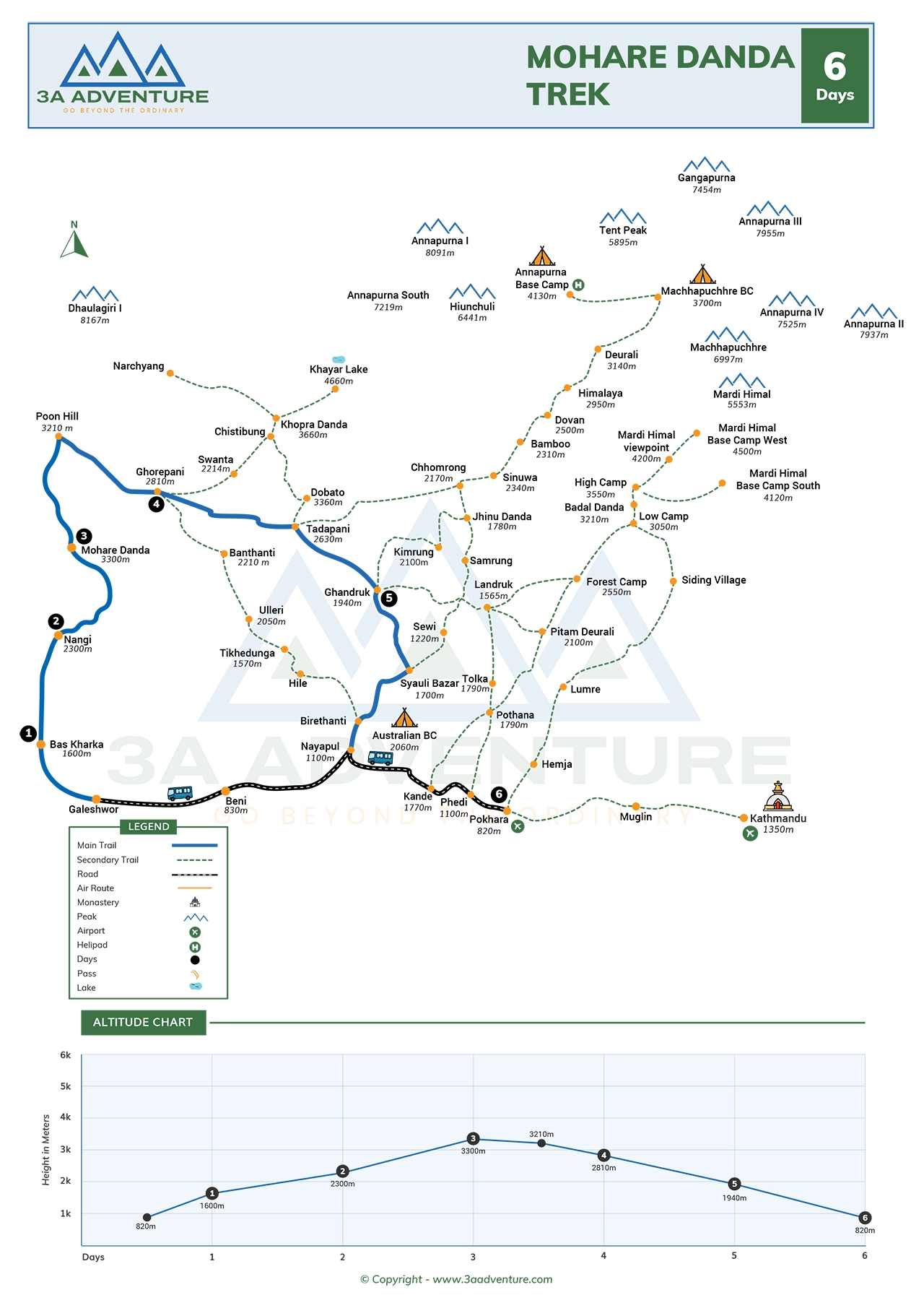
The trail begins in the lower hills near Galeshwar and ascends gradually through such villages as Bans Kharka and Nangi until it reaches Mohare Danda (3,300 m / 10,827 ft). The shifting landscapes ensure that no two days are the same, with thick forests, open vistas and serene mountainous surroundings on the route. The slow climb also renders the journey comfortable for trekkers of a moderate fitness level.
The Mohare Danda Community Trek was structured with the aim of assisting the local communities through providing tourism opportunities that will directly impact locals. On the trail, trekkers stay in community-run lodges where the locals offer accommodation, meals and hospitality. This practice will enable the tourists to enjoy the original village life and at the same time contribute towards local economies in the area.
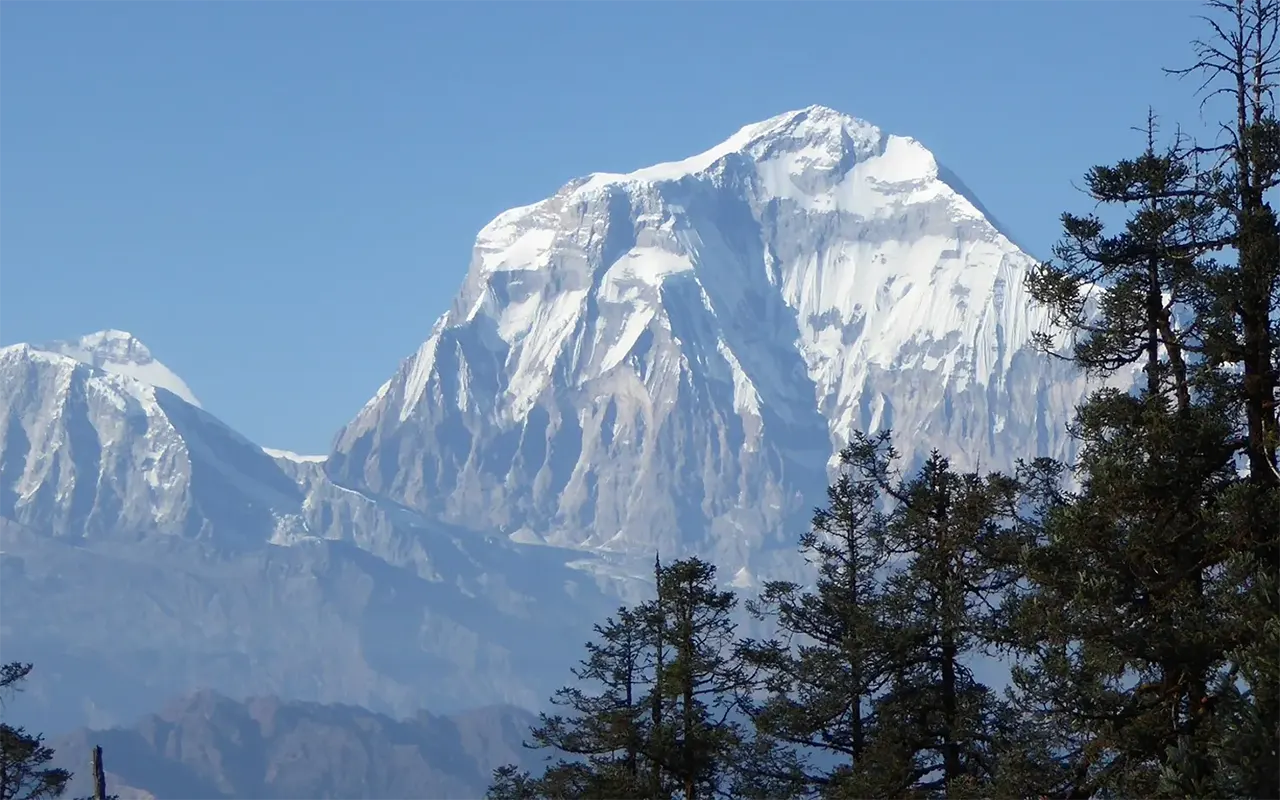
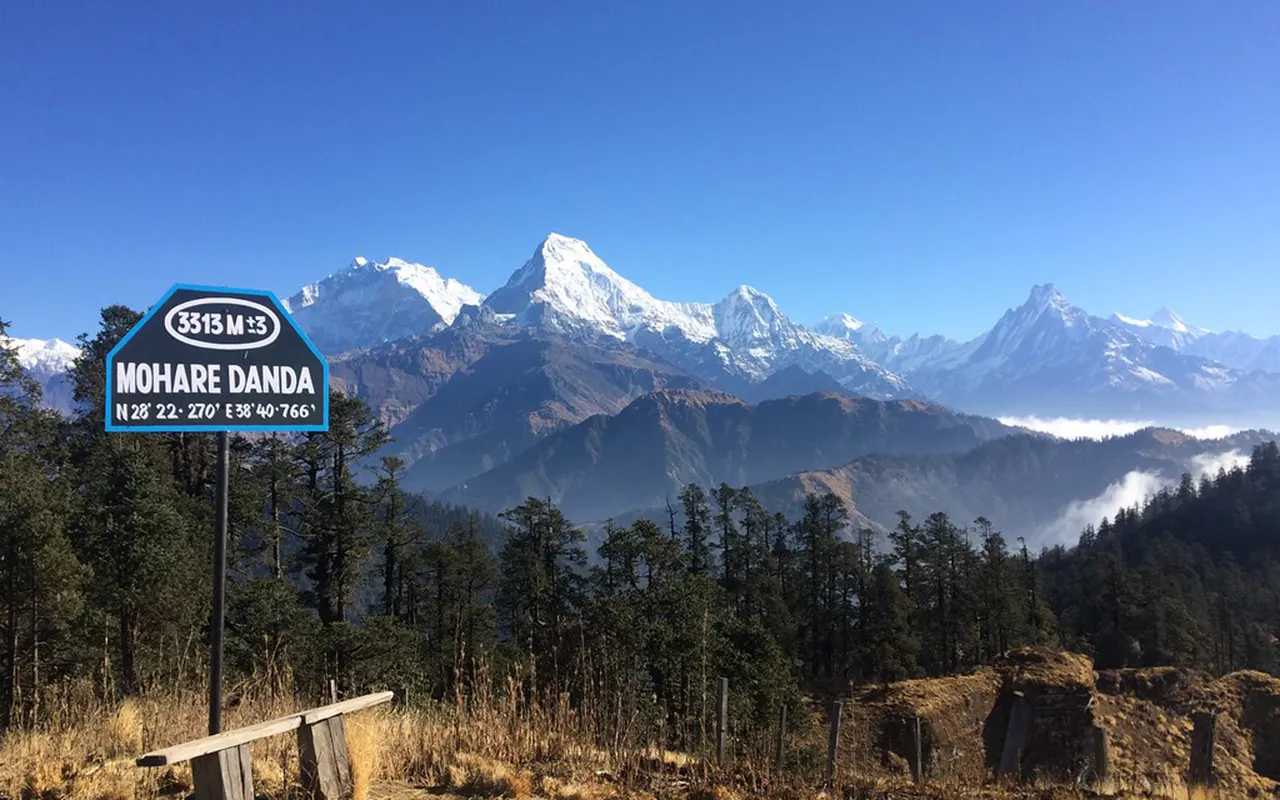
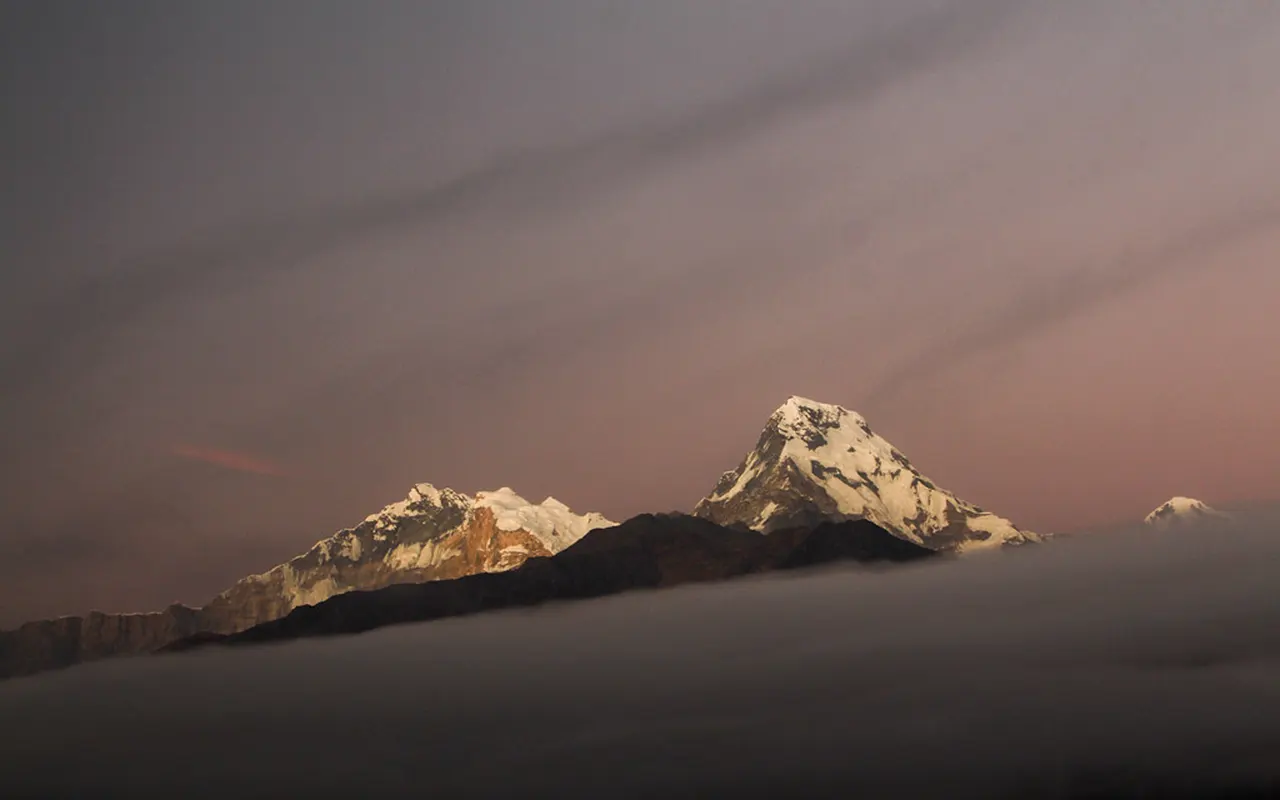
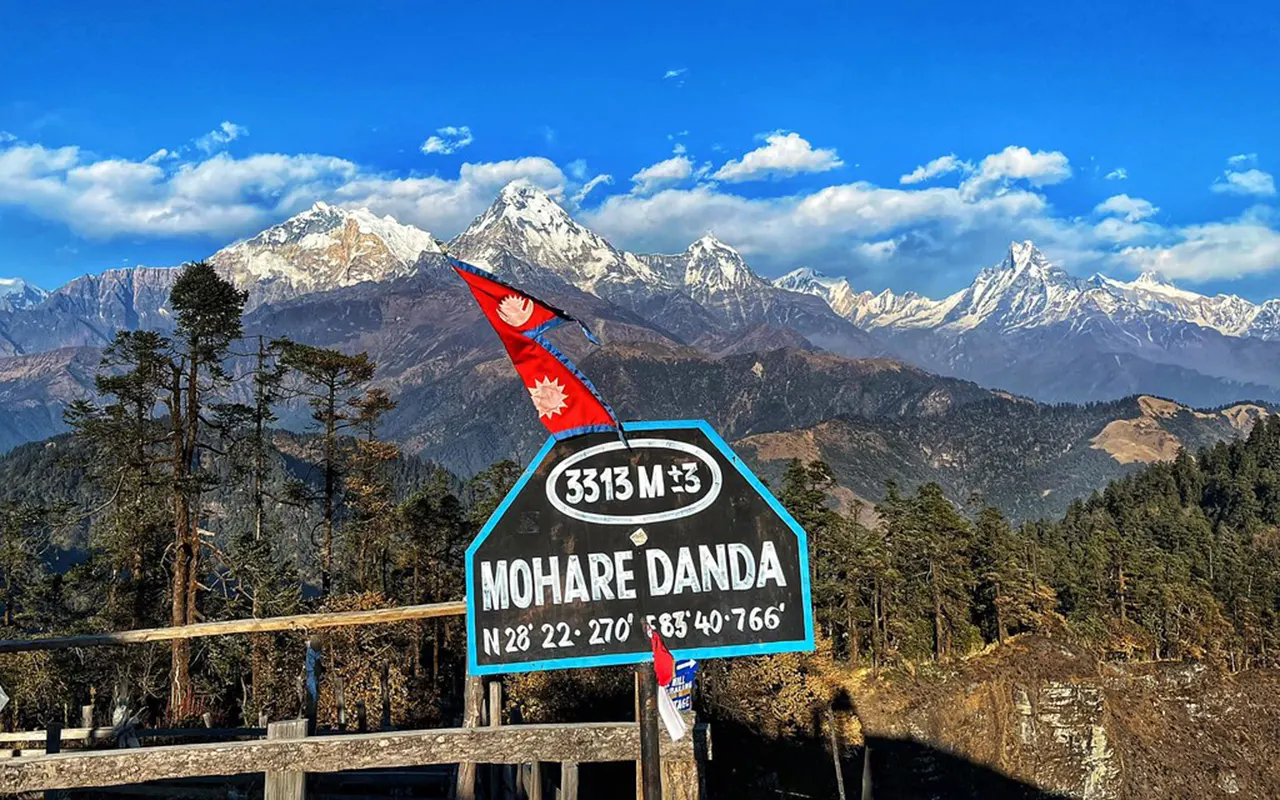
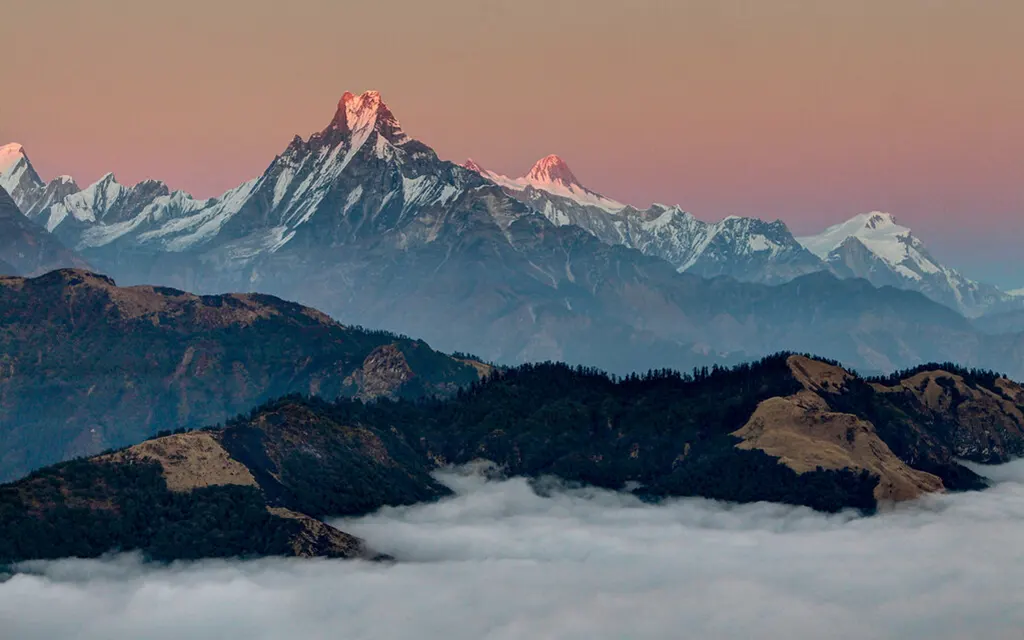
Among the attractions of the trip is the chance to have a panoramic view of the mountains at the ridges. On clear days, trekkers are able to see several mountains of the Annapurna and Dhaulagiri ranges, which are situated in high reaches of the trail. The path then leads to Poon Hill (3,210 m / 10,531 ft) that is another tourist attraction point which offers mountainous view and scenic landscapes.
The Mohare Danda Trek Nepal experience can be enjoyed by first-time trekkers and those who have already trekked a lot and desire to venture into the less-travelled trekking trails. The trail is not technical and so it can be enjoyed by diverse travelers. The appeal of this trek is enhanced by comfortable lodges, moderate daily walking distances and friendly local communities.
The trip proceeds to Ghorepani, Tadapani and Ghandruk (1,900 m / 6,234 ft), where trekkers view a blend of nature and culture. The Annapurna region is diverse with traditional villages, forest trails and mountain landscapes, which make trekking a memorable experience.
You will find this trek well balanced regardless of whether you are interested in nature, culture, photography or just spending time in the mountains. Through meticulous planning, competent local assistance, and well-coordinated logistics, 3A Adventure contributes to making the adventure comfortable, enjoyable and memorable in its entirety.
We start by taking a picturesque ride from Pokhara to Galeshwar. The highway is along the river valleys and through rural settlements providing an overview of the countryside and life in the village. On arriving at Galeshwar, we gear up for the initial trekking part of the journey.
The trail is slowly ascending over wooded hills and hamlets. The stroll is not so long and is a pleasant introduction to the journey. The higher we climb, the calmer and greener the environment is, and the better it is to enjoy the afternoon walk.
We can reach Bans Kharka (1,450 m / 4,757 ft) after two to three hours of walking. The settlement is a peaceful hillside lined with forests and farmland and is a good place to have the first night of the trek.
Activity: rive and Trek, 2–3 hrs trek
Max. Altitude: 1,450m/4,757ft. (Bans Kharka)
Meal: Lunch & Dinner
Accommodation: Hotel
We trek from Bans Kharka after breakfast and proceed to Nangi or Nadi Village. The trail goes through forests and terraced fields and through traditional settlements, where the local communities carry on with their daily activities.
The trail is slowly rising in altitude. As we ascend, the terrain will be more open and will have a broader perspective of the other hills. The walk is pleasant due to the calmness of the surroundings and the fresh mountain air.
Five or six hours of walking bring us to Nangi (2,250 m / 7,382 ft). The village is located on a hilltop and has a spectacular mountainous environment and is also a significant transit point on the Mohare Danda path. We then stay here all night and prepare to climb higher places.
Activity: 5–6 hrs trek
Max. Altitude: 2,250m/7,382ft. (Nadi Village)
Meal: Breakfast, Lunch & Dinner
Accommodation: Teahouse
Today we trek to Mohare Danda from Nangi. The trail leaves Nangi behind winding up through forests and ridges, rises steadily. The greater the elevation, the more the views one gets.
The path goes through the sparsely populated natural landscapes with fewer settlements. The vegetation and a drop in temperature are indicators that we are heading towards an elevation. The track is gradual though constant and must be kept at a steady rate all day.
Five to six hours of hiking later, we reach Mohare Danda (3,300 m / 10,827 ft). This mountain top attraction is characterized by open mountain views and panorama. We use the evening to relax in the calm atmosphere and then go to bed.
Activity: 5–6 hrs trek
Max. Altitude: 3,300m/10,827ft. (Mohare Danda)
Meal: Breakfast, Lunch & Dinner
Accommodation: Teahouse
We start the day at Mohare Danda and head up scenic ridges and forest trails to Poon Hill. The path is an enjoyable combination of mountainous terrain and nature.
We arrive at Poon Hill (3,210 m / 10,531 ft). It is a famous viewpoint with a panoramic view of the Himalayas. We follow the trail to Ghorepani after a while of sightseeing.
The route meanders until the village of Ghorepani (2,853 m / 9,360 ft) with forests of rhododendron and other native plant species. This is a well-known trekking resort, a good place to have an overnight stay and get a taste of local mountain hospitality.
Activity: 5–6 hrs trek
Max. Altitude: 3,210m/10,531ft. (Poon Hill)
Meal: Breakfast, Lunch & Dinner
Accommodation: Teahouse
We move out of Ghorepani after breakfast and proceed to Tadapani, over gorgeous forest paths. The path goes through regions of natural landscapes and provides the occasional sight of the nearby mountains.
The path leads slowly out of Tadapani and towards Ghandruk. It has traditional villages, terraced agricultural land and forested areas along the route that highlight the various landscapes of the Annapurna region.
Six or seven hours later, we reach Ghandruk (1,900 m / 6,234 ft). This is a cultural Gurung village, which is situated in the mountain environment. We spend the night in the village and have the last night of the trek.
Activity: 6–7 hrs trek
Max. Altitude: 1,900m/6,234ft. (Ghandruk )
Meal: Breakfast, Lunch & Dinner
Accommodation: Teahouse
The last day of the journey is today. We leave Ghandruk after breakfast and start the descent to Nayapul. The trail goes through the terraced fields, small settlements, and forested areas, giving a nice end to the trekking experience.
The walk is mostly downhill and gives the time to appreciate the countryside around one last time. After reaching Nayapul, the trekking portion of the trip comes to an end.
We drive back to Pokhara, Nayapul to Pokhara with a distance of about two hours. By the end of the trek, there are great memories of the villages, forests, views and mountain scenery that we went through during the journey.
Activity: 3–4 hrs trek and 2 hrs drive
Max. Altitude: 822m/2,697ft. (Pokhara)
Meal: Breakfast & Lunch
Note:
If you have a private group and prefer a personalized experience, we can organize a custom trip tailored to your requirements and group size, running it any day you choose.
Transportation
Food and Accommodation
Guide and Support Staff
Permits and Expenses
Medical and Gear
Others
Transportation
Food and Accommodation
Guide and Support Staff
Permits and Expenses
Medical and Gear
Others
Mohare Danda Trek is best experienced in spring (March-May) and autumn (September-November). These seasons tend to provide stable weather, comfortable temperatures and transparent mountain views. Spring is colorful with rhododendron forests, and autumn offers clear air and great visibility.
It can be done in winter, although it can be very chilly along Mohare Danda (3,300 m / 10,827 ft). The monsoon season falls during summer, and this can bring rain, muddy roads and poor mountain visibility. Trekkers need to ensure they get weather forecasts before they head out and to get the right clothes to suit the changing weather conditions in the mountains.
Mohare Danda Community Trek is a moderate trekking trail that can accommodate both the first time hiker and the experienced hikers, insofar as they have average fitness. Walking typically takes several hours to one day of trekking (steady uphill and downhill).
No technical climbing is necessary, but some physically demanding trails involve constant ascents. The summit of the trail is Mohare Danda (3,300 m / 10,827 ft). Normal rest intervals, a moderate pace of walking, and hydration contribute to the enjoyment of the trek by the majority of the participants.
The problem of altitude sickness is not prevalent in this route as it is in other treks in the high Himalayas, yet the trekkers should not ignore the risk. The maximum point at night is Mohare Danda (3,300 m / 10,827 ft), where some individuals might have mild altitude-related symptoms.
Symptoms such as headaches, fatigue, dizziness or sleep disturbances are common. The risk can be minimized by drinking a lot of water, exercising slowly and not overexerting oneself. The gradual increase in elevation during the Mohare Danda Trek enables the majority of the trekkers to adjust well and enjoy the entire trek.
Proper preparation will make the trek more comfortable and enjoyable. Stamina and endurance can be enhanced by walking, taking hikes, jogging, cycling or any other cardiovascular activities several weeks before the trip.
Trekkers will also need to get used to carrying a small daypack during multi-hour walks. The Mohare Danda Trek Nepal route involves uphills and downhills; hence, building leg muscles can be helpful. Good trekking shoes, multi-layered clothing, and personal necessities are to be packed prior to going to Nepal.
It is typically possible to stay on the route in local lodges and community-run guesthouses. The rooms are generally basic yet comfortable and provide a cozy bed to sleep on after every day of trekking.
Foods typically contain Nepali cuisine, rice, vegetables, noodles, soups, potatoes, eggs and fresh foods. Mohare Danda Community Trek: In the Mohare Danda Community Trek, the community lodges will enable visitors to enjoy the local hospitality and directly benefit the village on the way. Food choices can be reduced as one ascends to the higher elevations, and healthy food can be eaten along the trek.
It typically starts with a drive from Pokhara to Galeshwar, where the trek starts. At the end of the route, transportation is arranged from Nayapul back to Pokhara.
The state of roads may be different based on the weather and season. The majority of the transportation is performed by the use of a personal car or tourist cars depending on the number of people. When traveling with 3A Adventure, transportation logistics is pre-arranged to facilitate a hassle-free traveling experience before and after the trek.
In most of the villages along the route, there is mobile network coverage, but the strength of the signal can vary depending on the place and weather. Ridges are normally better connected at lower levels than at higher levels.
Certain lodges can provide access to the internet at an extra fee, yet the speeds are lower compared to urban areas. In the Mohare Danda Trek, trekkers must be ready to experience certain communication failures in more isolated locations. It is always advisable to inform family and friends before the trip.
Before trekkers are allowed to enter the trekking area, they must have the necessary permits. The required permits are Annapurna Conservation Area Permit (ACAP) and TIMS Card. This usually involves permits that cover the Annapurna area, which may or may not be valid at the particular time.
The requirements and fees associated with permits may vary over time and therefore travelers are advised to ensure that they get the most up-to-date information. The Mohare Danda Trek Nepal trails the areas of the Annapurna; hence, permit compliance is a significant aspect of trip planning. The majority of trekking agencies would help in obtaining the required documents.
A tourist visa is usually needed by international travelers to Nepal. International entry points such as Tribhuvan International Airport in Kathmandu can offer visas in most cases as one enters.
The applicants are expected to have a valid passport with adequate validity and the necessary visa fees. Before participating in the Mohare Danda Trek, travelers must check the recent immigration policies and visa regulations depending on their nationality, since policies are subject to alteration every now and then.
All trekkers are highly advised to take comprehensive travel insurance. An appropriate policy must include medical coverage, accidents, emergency care and trekking at the proposed altitude.
Insurance is a means of financial security in case of unforeseen circumstances during the trip. The Mohare Danda Trek has an altitude of over (3,000 m / 9,843 ft) and therefore, any policies that a traveler has need to be thoroughly reviewed to ensure that he or she is covered in case of higher altitudes of trekking. It is also a good idea to bring the insurance details along the trip.
Other than the package price, trekkers ought to allocate personal spending on the trip. These can be drinks, snacks, laundry, charging devices, access to the internet, and personal shopping.
It is also a common practice in Nepal to tip guides and support staff. When participating in the Mohare Danda Community Trek, other expenses are usually relatively small but it is advisable to bring some extra cash since not all the villages along the path have electronic payment options.
This trekking route has both group and individual departures. The private trips are more flexible and give trekkers the option of travelling at their own pace and time.
Group treks are a social experience and may lead to a reduction in the overall cost due to shared services. Regardless of the option chosen, be it in private or group, the Mohare Danda Trek offers the chance to discover traditional villages, community lodges and mountain scenery in a comfortable and fun manner. 3A Adventure will be able to organize both types of trekking in accordance with the personal preferences and travel plans.
General
Travelling on foot typically takes 5-7 days depending on the itinerary, pace of walk and the means of transport.
Its highest point is Mohare Danda (3,300 m / 10,827 ft), where one can have extensive vistas of the other Himalayan peaks.
Yes, beginner who have a basic fitness level can successfully do the trek with the right preparation, guidance and a slow-paced walk.
The trek will be a mix of mountainous landscapes, local culture, community lodges, and less frequented trails compared to the high tourist-traffic routes.
Preparation & Fitness
The level of fitness required is average, though it is advisable to engage in some walking, hiking or cardiovascular exercise before doing the trip.
Yes, several weeks of training can be used to enhance stamina, endurance and comfort when doing the daily trekking.
Proper trekking shoes with good ankle support and treads are highly advised.
Yes, even active children can participate in the trek provided they are accompanied by parents or responsible guardians.
Insurance & Visa
Yes, a travel insurance that includes trekking activities, medical care and emergency evacuation is highly recommended.
The majority of foreigners need a tourist visa, which may sometimes be obtained on arrival in Nepal.
The policy would include trekking, medical emergencies and hospitalization, rescue services and trip interruptions.
Yes, the company will be able to offer some basic advice on visa procedures and entry into Nepal.
Guides & Support Staff
Yes, there is a licensed trekking guide in most of the packages to guide and navigate as well as provide local information.
Yes, it is normally possible to organize porter service to bring personal luggage during the hike.
The majority of guides understand both English and Nepali, and others might know other foreign languages.
Tipping is not mandatory, yet it is not refused as an appreciation of the good service and encouragement during the trek.
Accommodation and Facilities
Local lodges and local guesthouses with simple but comfortable accommodation are available.
Some places may have private rooms, but this will be based on availability and the season.
The majority of lodges are equipped with electricity, but there might be an extra charge to charge electronic gadgets.
Many lodges have hot showers for an extra fee.
Food and Drinks
The best weather is in the spring and fall with clear conditions and easy trekking.
Yes, it can be trekked during winter, but it can be cold and at higher elevations.
It can be monsoon trekking, but rain, muddy paths and low visibility may influence it.
The weather changes according to the season but it may go down to below freezing at night in winter around Mohare Danda.
Weather & Seasons
Altitude sickness is rare though not impossible, and slow climbing and hydration are still needed.
Report this to your guide to enable proper help and safety measures to be provided.
There is water to drink, although purification pills or filtered water are suggested.
Yes, guides usually have a basic first aid kit in case of minor injuries and other usual health problems.
Booking & Payment
It is advisable to book a few weeks ahead during peak trekking seasons.
A deposit is usually required to confirm the reservations and trekking.
The majority of trekking companies accept bank transfers, online payments and some international payment options.
It could be possible to make last-minute bookings depending on the availability of guides and the requirements to process the permit.
Transportation & Flight
The trek starts with a journey by road to Pokhara to Galeshwar, where the foot trail begins.
Airport transfers are based on the package chosen and they must be verified as they are being booked.
No, this journey does not require domestic flights because people will be transported via the road.
Once at Nayapul, a vehicle change is provided to complete the trip back to Pokhara.