Best season and weather
The best seasons for doing the Everest Base Camp Trek with Helicopter Return are undoubtedly autumn and spring. Most of the trekkers prefer those seasons as they offer the best trekking conditions out of all the other seasons. To give you an example, the autumn season features mild daytime temperatures ranging from 10°C to 20°C. In addition to that, autumn also features one of the best scenes to witness. The trails are usually dry in autumn, making them less slippery and less icy.
Difficulty
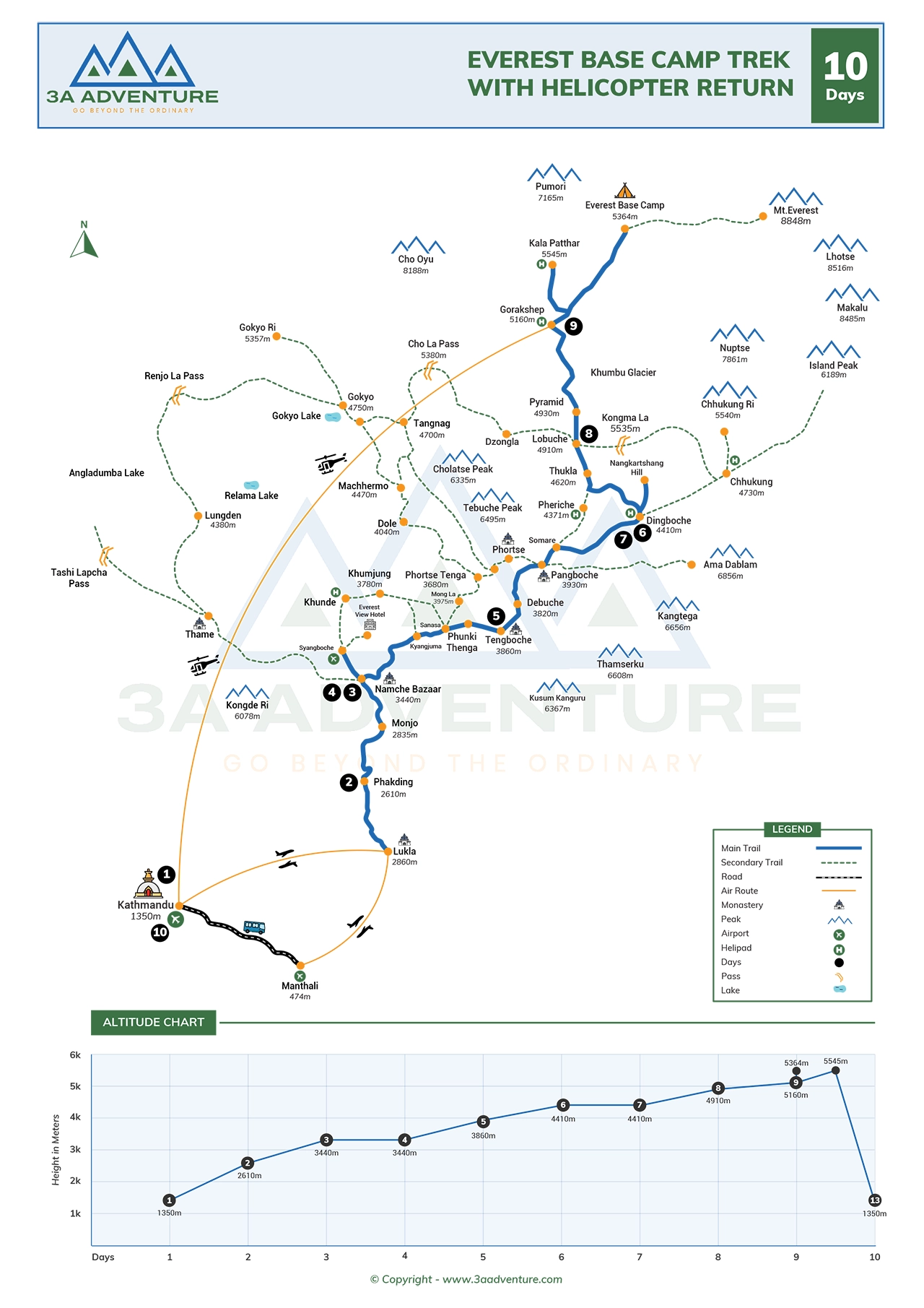
The Everest Base Camp Trek with Helicopter Return is a slightly easier version of the standard EBC trek. It follows the same itinerary, ascending all the way to the Everest Base Camp, but it does not follow the same way back. Instead, we take an easy exit and get on a helicopter flight to Kathmandu from Gorak Shep. Although it does not seem like much, it is a huge relief from the traditional long descents all the way to Lukla. On a scale of 10, this trek deserves a rating of 7.5 since we still have many ascents to cover, despite getting a helicopter ride.
Altitude Sickness
Altitude sickness is a possibility during the Everest Base Camp Trek with Helicopter Return, as we will be spending extended time at elevations higher than 3500 meters. However, the chances are very low if we follow the preventive measures and keep ourselves well hydrated throughout the trek. You can also carry a pill named Diamox, which will substantially reduce the effects of altitude sickness if you ever get sick. Although the changes are very minimal, if your case of altitude sickness is severe, we will call emergency services for rescue via a helicopter.
Preparation and Fitness
To prepare for this trek, we recommend you make an 8 to 10-week-long training period. The best thing you can do is increase your stamina and train your cardio. You can also go on short hikes to hills if you are around some. In general, you must focus on engaging your core and building your endurance.
Food and Accommodation
Your food options during the trekking days are not limited to local and traditional food like some other trekking destinations in Nepal. You will have a bunch of western food options throughout the trek, but make sure that you give the traditional food at least one try. Most of the trekkers get hooked on Dal Bhat, the national dish of Nepal. The trek package will cover 3 meals per day (breakfast, lunch, and dinner) during the trekking days. During your time in Kathmandu, you will only be provided with breakfast.
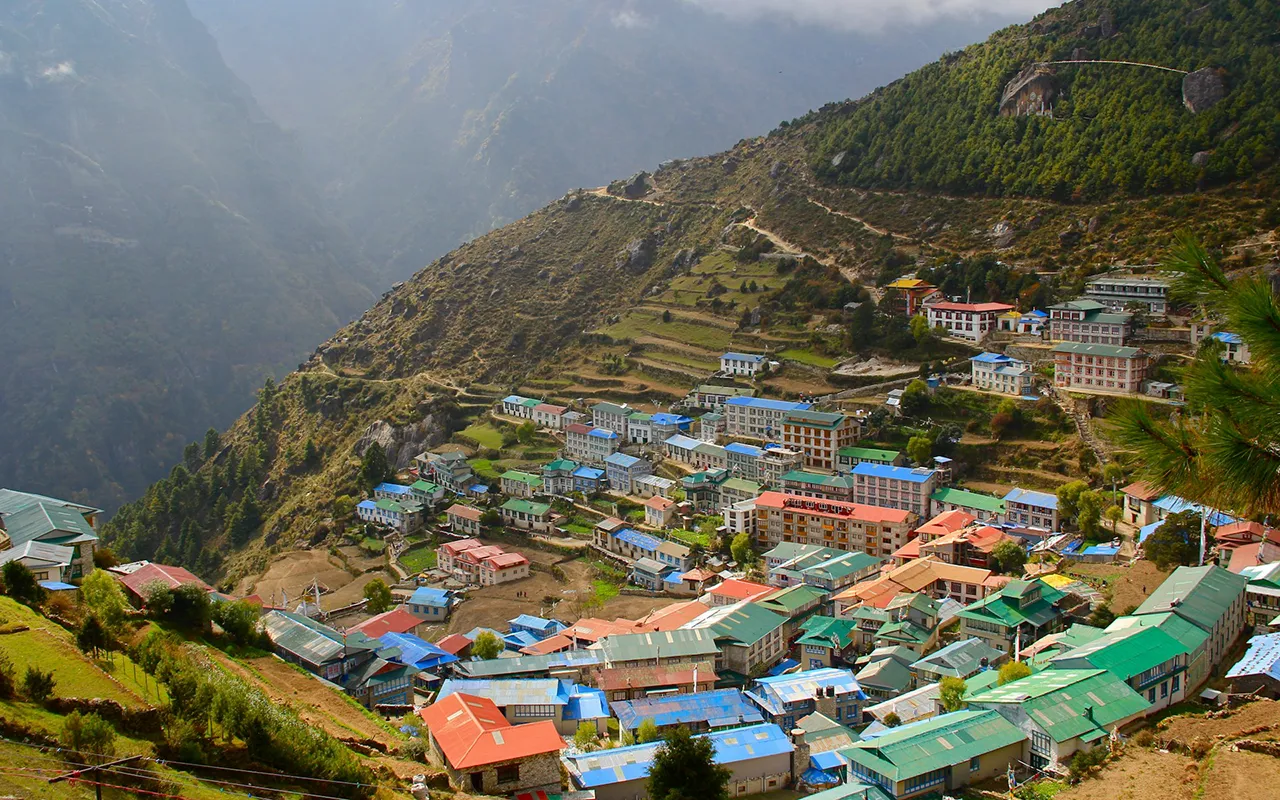
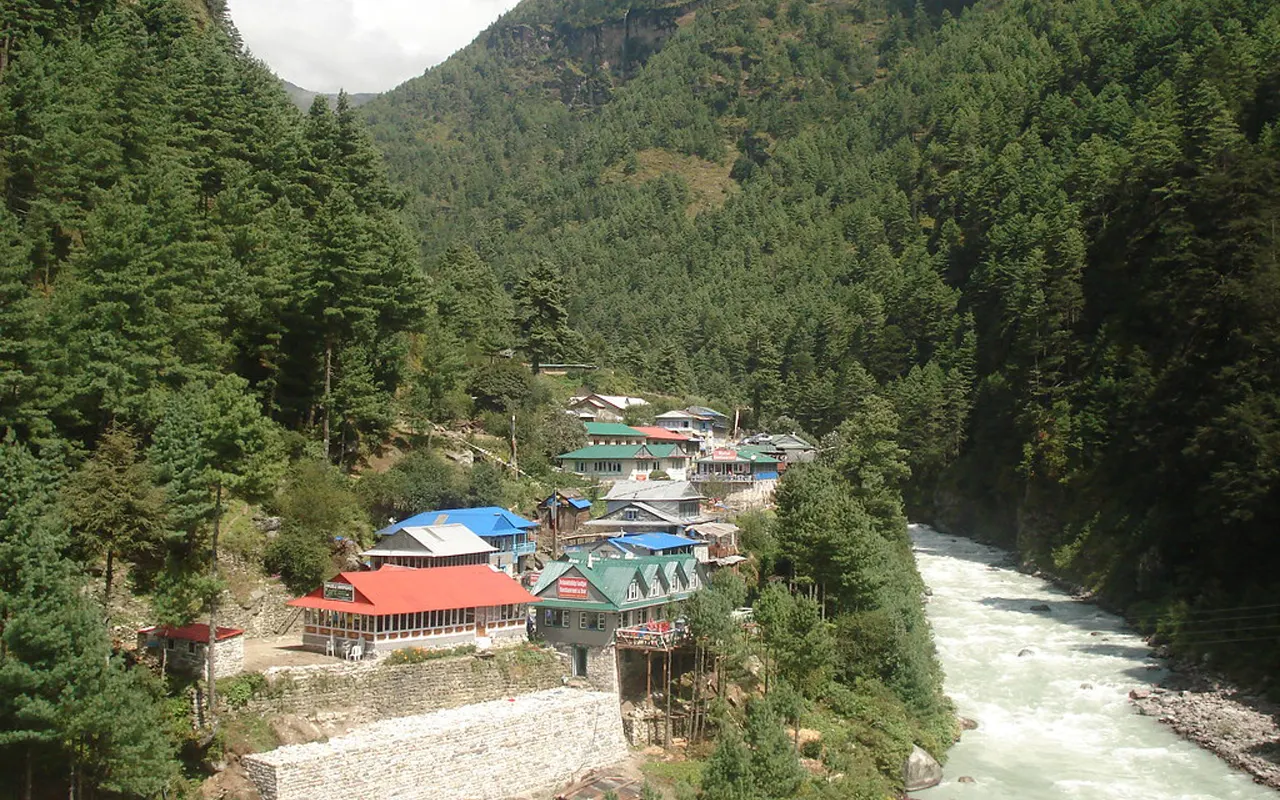
Accommodations are pretty basic in the highlands. Tea houses are the standard options that we will choose for our accommodation throughout the trekking days. In Kathmandu, you will stay at a 3-star hotel. All the accommodation expenses are a part of the Everest Base Camp Trek with Helicopter Return package. However, bills like laundry, bar, hot shower, WiFi, etc., are your own expense.
Transportation
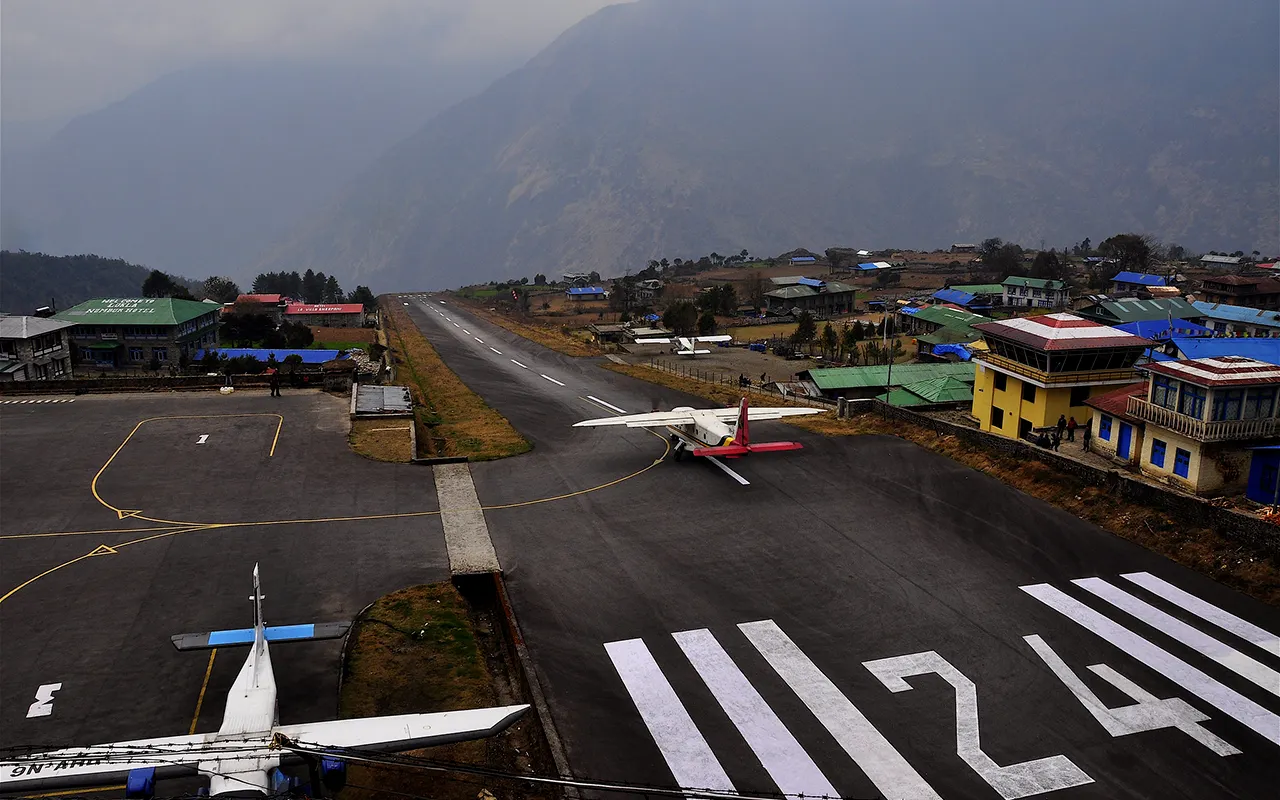
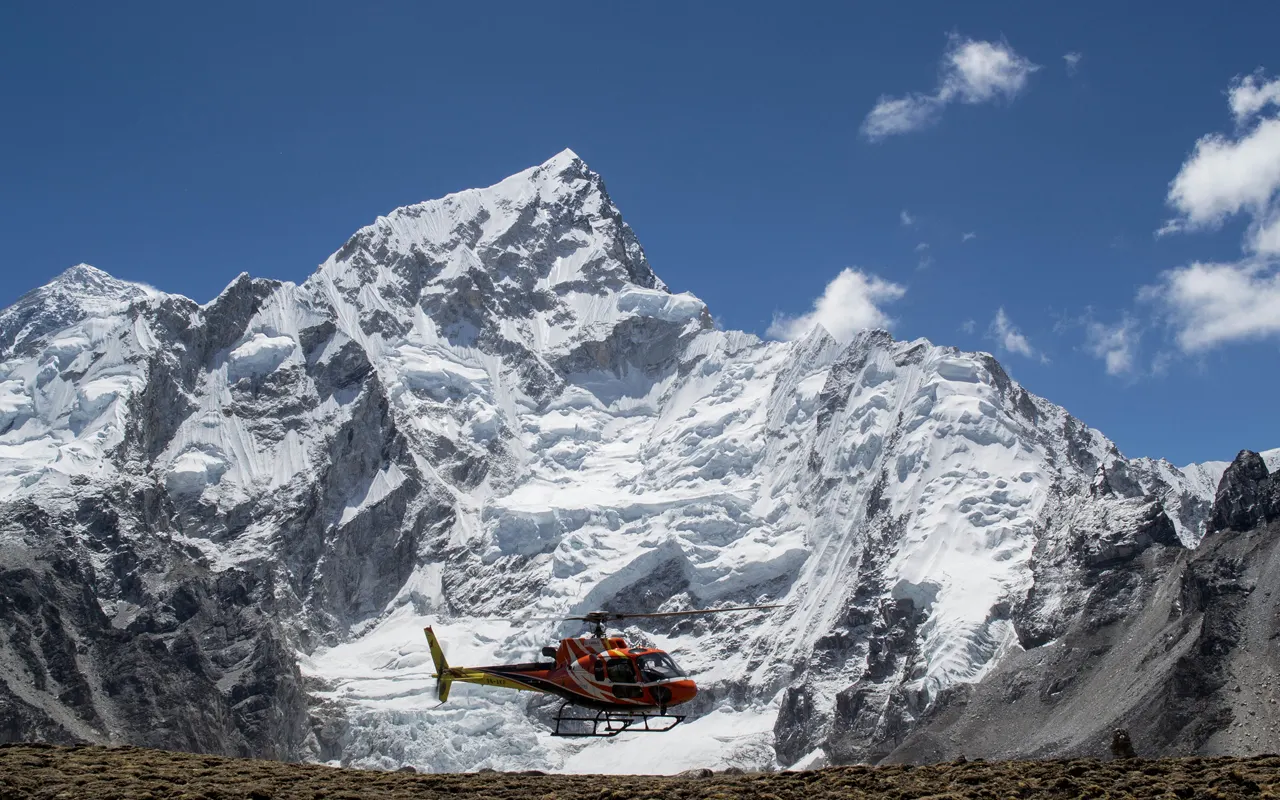
At the start of the trek, we will escort you from the airport to the hotel for the night. The following day, we will fly out to Lukla from Kathmandu. After reaching the base camp and visiting the viewpoint of Kala Patthar, we will get on a helicopter and fly back to Kathmandu. These are all the transportation expenses that the Everest Base Camp Trek with Helicopter Return package covers.
Communication
While mobile networks are a hit or miss, you can enjoy an uninterrupted internet connection throughout the trek using an Everest Internet card. You can get 10 GB worth of internet usage for just USD 20, which should be enough to last throughout this trek. The tea houses have WiFi as well, but they might not be as good as the internet card.
Permit
In order to go on this trek, you must have a Sagarmatha National Park permit and a Khumbu Pasang Lhamu Rural Municipality permit. The Everest Base Camp Trek with Helicopter Return package covers the expenses related to the permits.
Visa
After you arrive at the Tribhuvan International Airport, you are supposed to get your tourist visa. The visa-on-arrival policy has made it easier for tourists to get a visa just by arriving at the airport. After you fill out the application, you are supposed to pay your visa fees and submit all the necessary documents to obtain entry into the country.
Travel Insurance
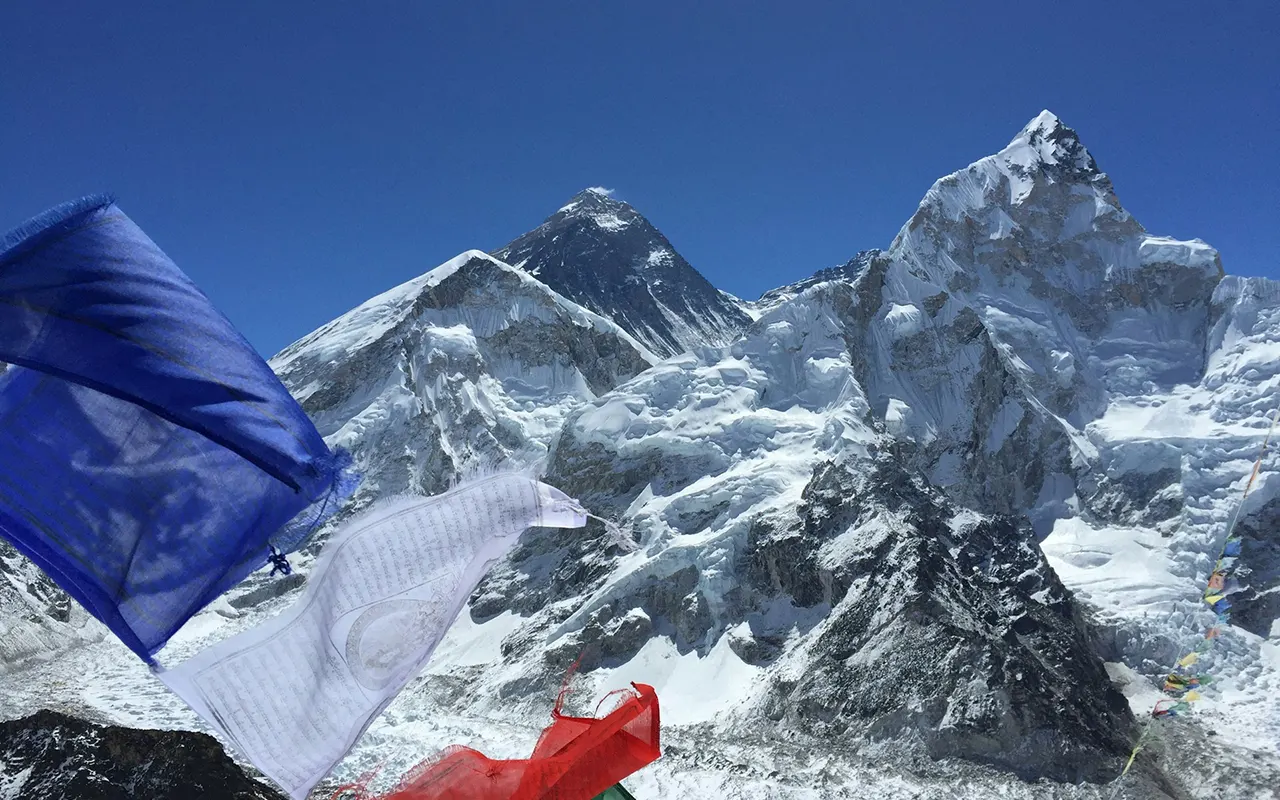
This trek takes you to a maximum altitude of 5545 meters above sea level at the viewpoint of Kala Patthar. That altitude is considerably high, and we have to spend a couple of nights above 4000 meters of elevation. All these factors can induce altitude sickness or require emergency services in one way or another. So, having travel insurance is a must. The Everest Base Camp Trek with Helicopter Return package does not cover your rescue operation expenses; the insurance provider will.
Extra Expenses
Your extra expenses are international flights, travel insurance fees, visa fees, any kind of beverages, extra meals, snacks, hot showers, WiFi, tips for the crew members, and any services that are not mentioned as inclusive.
Private vs. group trek
The best thing about getting a private trek is sharing the experience with only your loved ones by your side. A private trek costs a bit more than the regular trek package, but it is a worthy experience that many trekkers opt for. A group trek, on the other hand, features random trekkers from all over the globe. This can be the best option for solo riders who want to experience the Everest region.