Tourism License: 1455
notification-icon

Unbeatable Holiday Offers – Save Up to 20% on Your Next Adventure!

divider-1

Pikey Peak Trek – 6 Days

Based on 27 reviews

duration-icon

Trip Duration

6 Days
difficulty-icon

Trip Difficulty

Easy
altitude-icon

Max Altitude:

4,065m. / 13,337ft.
group-size-icon

Group Size

2 to 25 People
best-season-icon

Best Season

Autumn, Spring
meals-icon

Meals

Breakfast, Lunch and Dinner
accommodation-icon

Accommodation

Teahouse/ Hotel/Lodge
transportation-icon

Transportation

Tourist Bus

Overview and Highlights of Pikey Peak Trek – 6 Days

The Pikey Peak Trek is a short trek in the lower Everest region of Nepal that offers mountain views, Sherpa culture and traditional hill villages in a manageable time frame. The 6-day itinerary will suit travellers who want a moderate trek away from the busier trails of the Everest region.

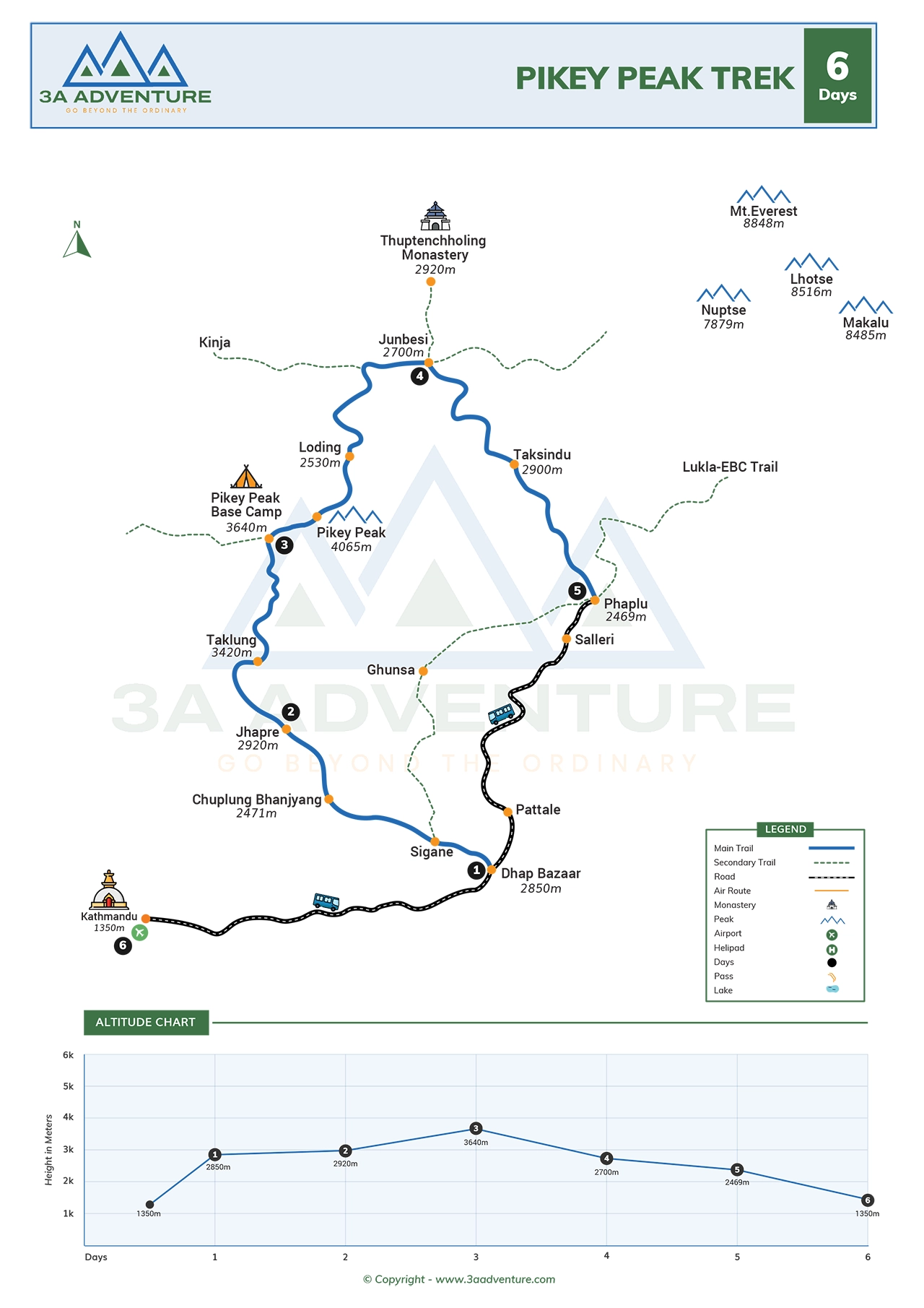
Your journey begins with a scenic drive from Kathmandu to Dhap, a small settlement in Solukhumbu district. The trail from Dhap goes through forests, grazing lands and villages like Jhapre before reaching Pikey Peak Base Camp. The trail climbs gently, giving trekkers time to get used to the altitude and take in the views of the surrounding hills and mountain ranges.

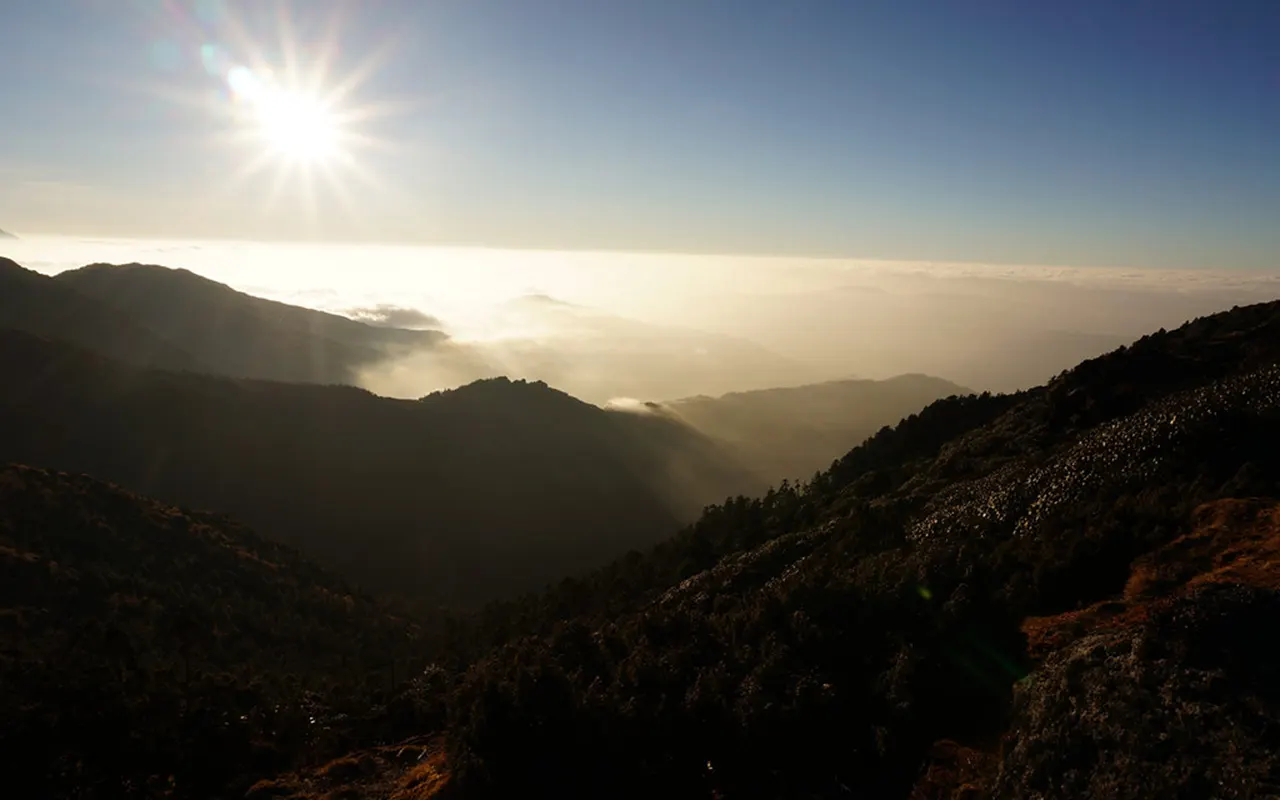
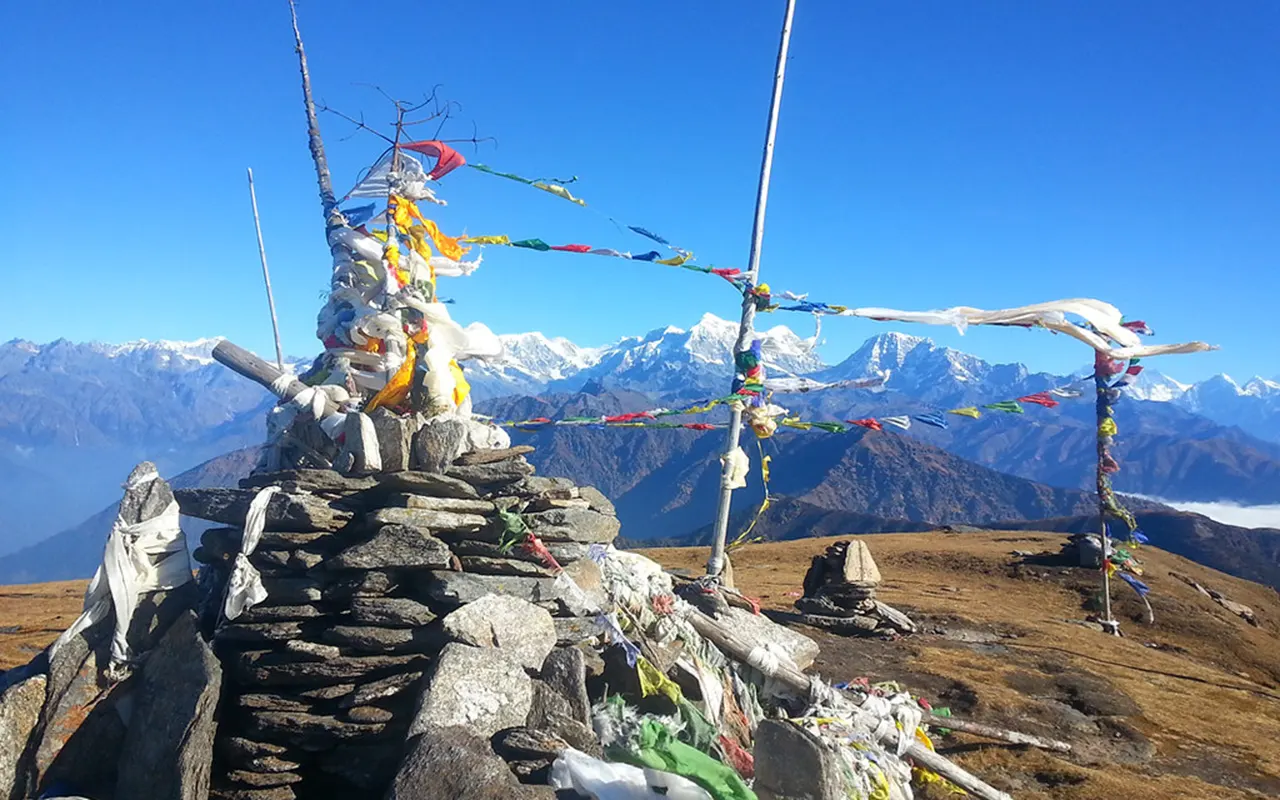
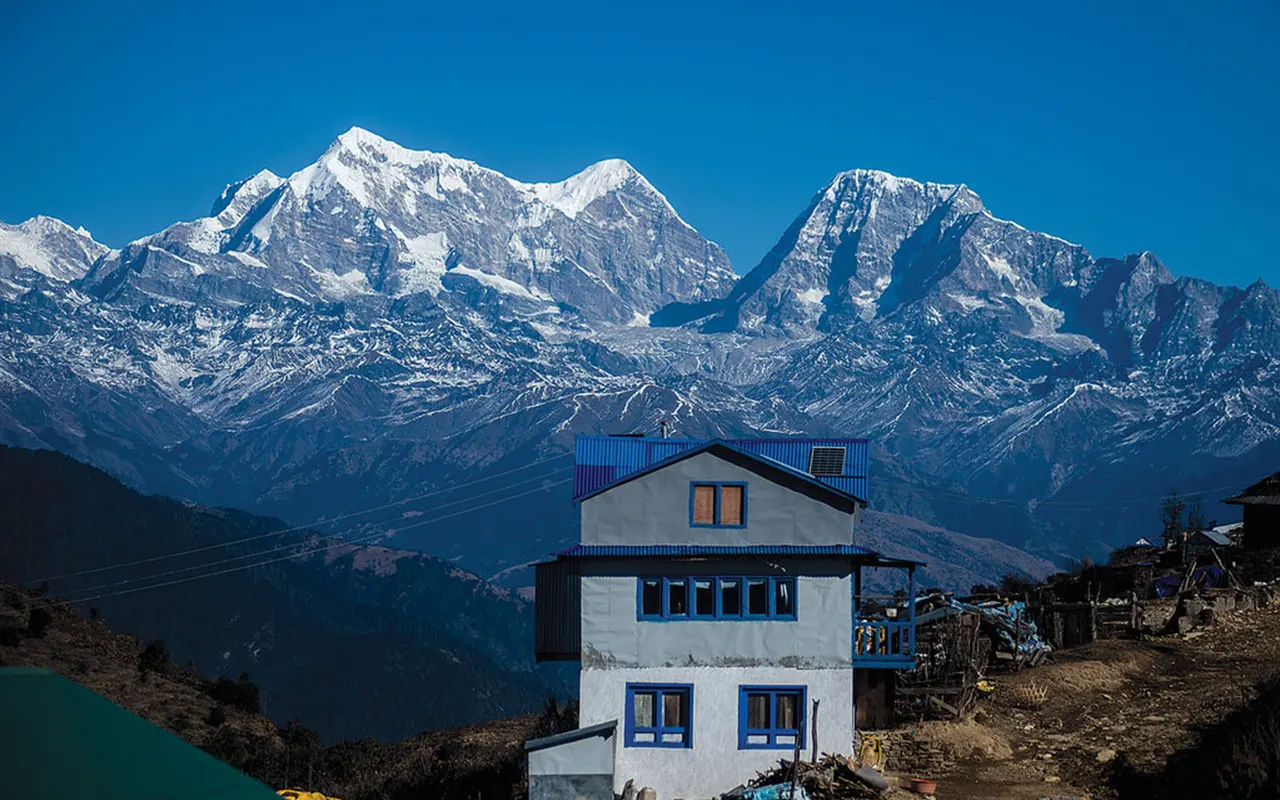
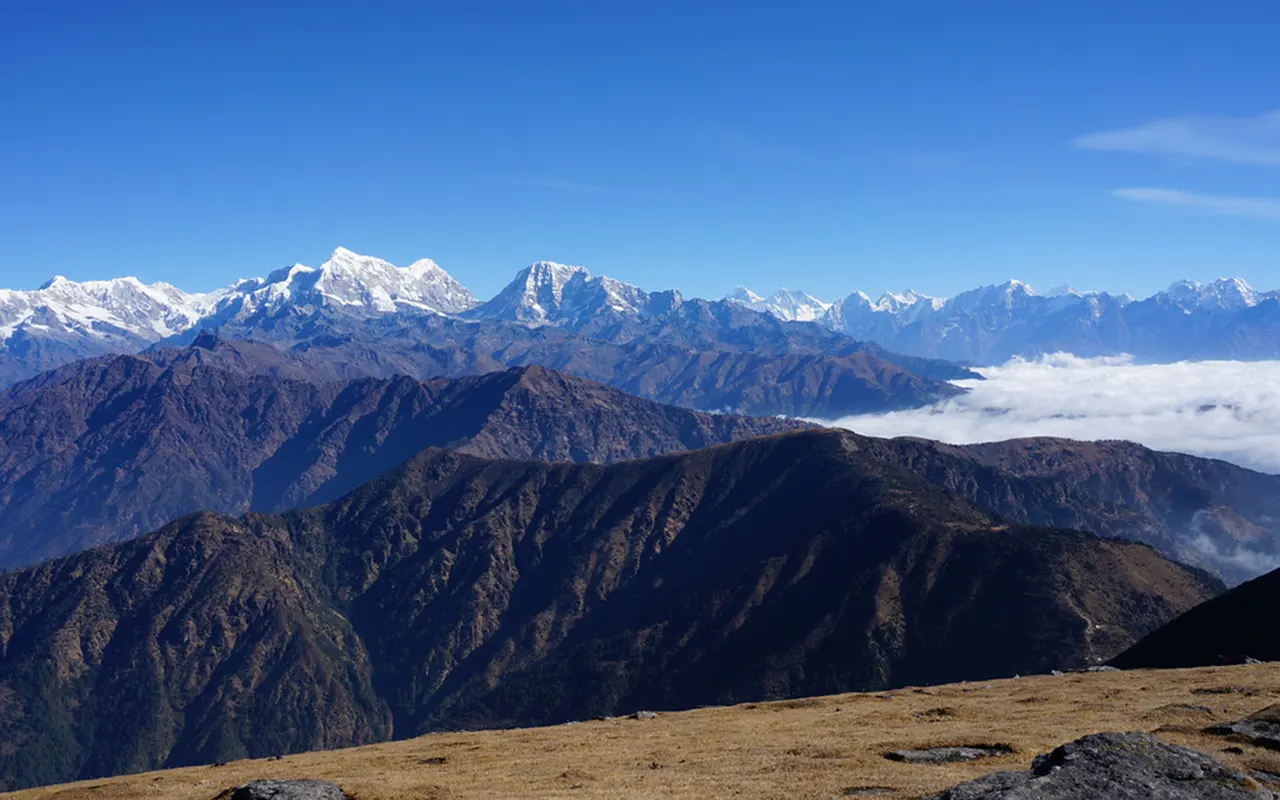
Morning hike up to Pikey Peak (4065 m), which is the highest point of the trek On clear days. From the summit you have a wide panorama of Mount Everest, Makalu, Kanchenjunga, Gaurishankar, Numbur Himal and several other Himalayan peaks. From peak the trail descends down to Junbesi, one of the most famous Sherpa villages in the region.

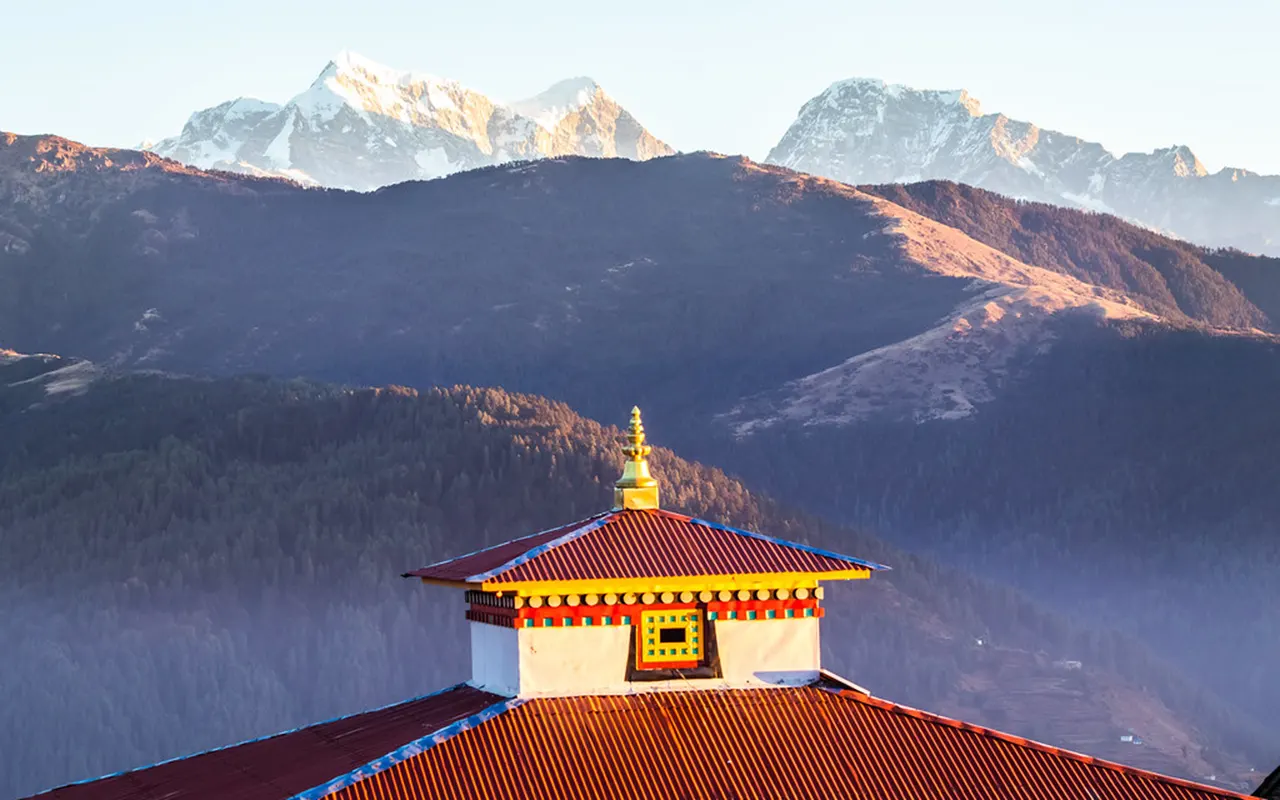
The trek will go through Junbesi and other nearby settlements before reaching Phaplu. Along the way, trekkers come across local monasteries, prayer flags, mani walls and everyday village life that reflects the traditions of the Sherpa community. During your trek you will be staying in local teahouses and lodges with basic but comfortable facilities. The best seasons for Pikey Peak Trek are generally spring (March to May) and Autumn (September to November) as the weather is stable and the mountain visibility is good.

This trek is most suitable for beginners with a good level of fitness and for experienced trekkers looking for a shorter Himalayan trek. 3A Adventure provides the Pikey Peak Trek with expert guides, logistical support and well thought out itineraries to make your journey in the lower Everest region safe and enjoyable. One of the benefits of the Pikey Peak Trek is its accessibility. The Pikey Peak Trek package includes experienced guides, accommodation, transportation, permits, and logistical support for a smooth trekking experience.

This Pikey Peak Trek itinerary makes travel arrangements simpler by beginning and ending with road transport while many treks in the Everest region involve domestic flights. And the route is still lower than the altitudes on longer Everest treks so trekkers can enjoy Himalayan scenery and mountain views in less time while passing through villages that see less footfall than the main Everest Base Camp trail.

Trip Highlights

  • Reach Pikey Peak (4065m), the best viewpoint in the lower Everest region.
  • Enjoy views of Everest, Makalu, Kanchenjunga, Gaurishankar, Numbur Himal and other Himalayan peaks.
  • Explore traditional Sherpa villages like Jhapre and Junbesi.
  • Visit Buddhist monasteries, mani walls, chortens and ridges covered with prayer flags.
  • Walk through rhododendron woods, grazing meadows and rolling hill scenery
  • By roadway from Kathmandu, avoiding domestic flights and airport hold-ups.
  • Stay in local teahouses and experience the daily life of Solukhumbu communities.

Pikey Peak Trek – 6 Days Itinerary

itinerary-icon

We leave Kathmandu early morning to start our journey. The drive is on BP Highway passing through Dhulikhel and Khurkot heading towards Okhaldhunga and Solukhumbu region. There are lots of sights along the way, such as terraced hillsides, river valleys, rural settlements and changing mountain landscapes.

As you travel east the scenery slowly changes from bustling market towns to quieter hill villages. The road conditions are mixed at best, especially in the upper stretches of the trip, but it is a good introduction to rural Nepal. In the late afternoon we will arrive at Dhap, the starting point of the trek. We will check into our lodge and prepare for the trekking days ahead.

activity-small

Activity: Drive from Kathmandu to Dhap

altitude-small

Max. Altitude: 2,932m/9,619ft. (Dhap)

meal-small

Meal: Breakfast, Lunch, Dinner

accommodation-small

Accommodation: Lodge


note-icon

Note:

If you have a private group and prefer a personalized experience, we can organize a custom trip tailored to your requirements and group size, running it any day you choose.

Plan a Private Trip

Includes & Excludes

What are included with package?

Transportation

  • Private/shared vehicle transfer from Kathmandu to Dhap
  • Private/shared vehicle transfer from Phaplu to Kathmandu

Food and Accommodation

  • Breakfast, lunch, and dinner throughout the trek
  • Cup of tea 3 times a day
  • Fresh seasonal fruits
  • Accommodation during the trek in lodges/teahouses (twin-sharing basis)

Guide and Support Staff

  • Licensed, English-speaking trekking guide
  • Porter service for luggage (one porter for every two trekkers)

Permit and Expenses

  • Khumbu Pasang Lhamu Rural Municipality Permit
  • All local and government taxes
  • All wages, meals, insurance, accommodation, and necessary equipment for guides and porters

Medical and Gear

  • First-aid kit with an oximeter for altitude monitoring
  • Emergency rescue in case of severe illness or injury (costs covered by your insurance)
  • Duffel bag for packing (to be returned after trip)
  • Free luggage storage in Kathmandu

Others

  • Farewell dinner in Kathmandu
  • Certificate of Appreciation
  • Cap and T-shirt with our company tag

What are not included with package?

International Flights and Visa

  • Round-trip international airfare to/from Nepal
  • Nepal entry visa fees (on arrival at airport)

Food and Accommodations

  • Extra nights in Kathmandu caused by road delays, early return, or late departure
  • Meals in Kathmandu (except farewell dinner)
  • Snacks and extra meals during the trek
  • Any hotel stays in Kathmandu before or after the trek

Travel and Medical Insurance

  • Comprehensive travel and medical insurance including emergency evacuation

Other Expenses

  • Alcoholic and non-alcoholic beverages, bottled water, coffee, hot chocolate, etc.
  • Wi-Fi, hot showers, battery charging, laundry, and other personal expenses along the trail
  • Trekking gear and clothing (boots, sleeping bag, down jacket, trekking poles, etc.)
  • Unexpected expenses due to weather, road conditions, strikes, or natural causes
  • Tips for guide, porter, driver, and support staff

Trip Information

Best Time & Weather for Pikey Peak Trek

You can do the Pikey Peak Trek most of the year, but the best times are generally spring and autumn. Spring (March-May) offers mild temperatures, rhododendron forests in bloom and clear mountain views. The trails are generally dry and walking is comfortable.

The best time to visit is autumn (September to November) when the monsoon season is over and the weather is stable with good visibility. This is a particularly popular time for trekkers, as mountain views are often at their clearest.

You can also trek during the winter months (December to February) but temperatures can go below freezing at higher altitudes. Weather near Pikey Peak may be affected by occasional snow.

The monsoon season lasts from June to August. During this time rain, fog and muddy trails can reduce visibility and make trekking more difficult. Nevertheless the route is greener and less crowded.

Pikey Peak Trek is best undertaken in spring or autumn when the weather, visibility and trail conditions are at their best.

Difficulty Level of Pikey Peak Trek

Pikey Peak Trek is a moderate trekking route and is suitable for beginners with a reasonable level of fitness. The trail requires no technical climbing skills, mountaineering experience, or specialized equipment. Most of the trekking days involve about five to seven hours of walking on village paths, forest trails and ridgelines.

The trek’s highest point is Pikey Peak at 4065 meters. Although this is not as high as most of the trekking routes in the Everest region, trekkers must be ready to experience progressive increase in altitude and changing weather conditions.

The ascent to Pikey Peak and the long descent to Junbesi can be physically demanding, especially on summit day. The walk is more comfortable at a slow pace with regular rest breaks.

The Pikey Peak Trek itinerary could be successfully undertaken by the majority of healthy individuals with the help of proper preparation and admire the natural and cultural wonders of the area.

Altitude Sickness (Acute Mountain Sickness)

The Pikey Peak Trek is lower in elevation than Everest Base Camp and many other trekking routes in the Himalayas but you can still get altitude sickness while trekking. The risk normally starts at altitudes above 2,500 meters and increases with altitude.

Typical symptoms include headache, dizziness, tiredness, loss of appetite, nausea and difficulty sleeping. Whatever the severity of these symptoms, do not ignore them. Early identification and appropriate management are crucial for safe trekking.

The Pikey Peak Trek itinerary involves a slow climb from Dhap to Pikey Peak Base Camp, allowing the body to acclimatize naturally to the higher altitudes. Drinking lots of water, walking at a leisurely pace and avoid drinking too much alcohol can help further reduce the risk.

Our guides are trained to monitor trekkers throughout the journey and they are trained to recognise the signs of altitude related illness. The safest solution in case of worsening symptoms is to stop climbing and descend to a lower altitude.

When taking the necessary precautions most trekkers do not have any major altitude-related problems in the Pikey Peak Trek.

Preparation and Fitness

Pikey Peak Trek does not require any advanced trekking experience but a reasonable level of fitness will make the journey more enjoyable. Trekkers need to be comfortable walking for five to seven hours per day on trails that feature both gradual climbs and occasional steep sections.

Preparing weeks in advance of the trek can do wonders for your stamina and ease on the trail. Normal exercises like walking, hiking, jogging, cycling or swimming will assist in developing stamina. Where feasible, practise walking on rough surfaces and walking with a light pack, to recreate the conditions of trekking.

The leg strength and cardiovascular fitness are particularly beneficial since the trail has ups and downs daily. The simplest exercises such as stair climbing, squats, lunges and brisk walking may help to get the body ready to the demands of the trek.

The Pikey Peak Trek package is suitable to first-time and experienced trekker who is physically fit and who prepares prior to the trek.

Food and Accommodations

The trekking will be in local lodges and teahouses in the overnight villages. The rooms are usually basic yet clean, with two beds and blankets and with shared bathrooms. Facilities are basic at higher elevations but teahouses provide a warm and friendly environment for trekkers.

The teahouses serve meals, usually including a selection of Nepali, Tibetan and simple international dishes. Dal Bhat, noodles, fried rice, pasta, soup, eggs, potatoes, pancakes and seasonal vegetables are usually available along the whole route. Most stops also sell tea, coffee and other drinks.

Meals during the trekking part of the Pikey Peak Trek itinerary include breakfast, lunch and dinner. Healthy meals are available all along the way, but food options may be more limited at higher elevations.

The teahouse system provides trekkers the chance to enjoy local hospitality and mountain culture in comfort.

Transportation

3A Adventure will provide transportation for the trek as per the Pikey Peak Trek itinerary. The trek starts and ends with road transport. Unlike many other trekking routes in the Everest region, it does not involve domestic flights, making travel arrangements easier and less dependent to weather delays.

The trek starts with a drive from Kathmandu to Dhap the main gateway to the trekking route. The road passes through several hilly districts with views of rural villages, terraced farmland, rivers and forested terrain. The trekkers are driven back to Kathmandu from Phaplu at the end of the trek.

Travel times are subject to road conditions, traffic and seasonal factors. Road in Solukhumbu can be rough at parts especially in or after the monsoon season.

Road transport makes the journey more reliable and avoids the occasional flight delays that affect mountain airstrips in Nepal.

Travel Insurance

Travel Insurance is highly recommended for Pikey Peak Trek and should be arranged before coming to Nepal. Although the trek remains at a lower elevation than many routes in the Everest region, trekking in remote mountain areas always involves some risks relating to weather, illness, injury or unexpected travel disruptions.

The whole policy should include emergency medical treatment and hospitalization and evacuation services if required. Trekkers are advised to see if their insurance policy covers trekking activities above 4,000 meters as some providers have altitude limitations.

Insurance can also protect you against trip cancellations, flight delays, lost baggage and other unforeseen expenses that may arise when you travel. It is important to take a copy of your insurance details and emergency contact details before you start the trek.

Having the right travel insurance provides added security and ensures that help can be organised quickly in case of an emergency situation while on the trek.

Extra Expenses

The Pikey Peak Trek package includes services and facilities mentioned in the Pikey Peak Trek cost inclusion section but the trekkers need to budget for their personal expenses during the journey. The costs incurred over and above these vary with personal tastes and spending patterns.

Common personal expenses include use of hot showers, Wi-Fi, charging electronic devices, bottled drinks, snacks, laundry and personal shopping. Tea, coffee, soft drinks, mineral water and alcoholic beverages are generally not included in the package price and should be paid separately.

Travel insurance and the cost of a Nepal visa and personal trekking equipment are not included unless explicitly stated otherwise. Tipping is customary for your guides, porters and drivers in Nepal and should be budgeted for separately.

When budgeting, it is better to bring a little amount of cash in Nepali Rupees because card payment systems and ATM are not located every 3-4km along the way. These extra costs will assist you in estimating the total Pikey Peak Trek Cost better. Pikey Peak Trek Cost typically involves transportation, accommodation, meals, permits, guide services and support of porters as provided in the Pikey Peak Trek package specifications.

Group Trek vs Private Trek

The travellers can choose to begin Pikey Peak Trek individually or in a group, thus giving them the chance to select the style that can best fit their travel plans and preferences.

If you enjoy travelling with company, a group trek is a good option. When trekking with other trekkers there is opportunity for conversation and mutual support on the trail. Often going in groups is a good way to lower the individual costs as things like running costs can be shared.

Private trek gives more flexibility.  Travellers have the freedom to choose their own departure date and travel at a pace suited to their own interests and fitness level. This option is especially good for couples, families, friends or individuals looking for a more personal experience.

No matter what style you select, trekkers are supported by professional, field-experienced guides and staff. Both choices follow the same route and provide access to the mountain scenery, local culture and villages that make this region an enjoyable trekking destination.

FAQs for Pikey Peak Trek – 6 Days

General

Pikey Peak follows a quieter route through the lower Solukhumbu region. It provides mountain scenery and Sherpa culture at a reduced time and elevation compared to the longer time and greater heights of Everest Base Camp.

During clear days, trekkers get a view of Everest, Makalu, Kanchenjunga, Gaurishankar, Numbur Himal and various other Himalayan mountains. The most preferred times to visit the summit viewpoint are sunrise.

Pikey Peak is in Solukhumbu District of eastern Nepal. The summit is 4,065 meters high and sits south of the main Everest trekking routes.

Its highest point is Pikey Peak at 4,065 meters above sea level. Trekkers usually reach the summit early in the morning and then descend to Junbesi.

Yes, the trek is suitable for beginners who are in reasonable shape. No technical climbing or prior trekking experience required.

You will be walking for approximately five to seven hours on most trekking days. Times will vary depending on trail conditions, weather and how fast you move.

Yes, solo travellers are welcome to join a group departure or a private trek. This route is popular with solo trekkers, as it is accessible and relatively straightforward.

If you’re looking for a shorter, lower and domestic flight-free alternative you may want to consider Pikey Peak. It’s a good option for travellers who want to see the mountains and experience the local culture on a shorter itinerary.

Preparation & Fitness

Previous trekking experience is not required for Pikey Peak Trek. But being physically active in the months leading up to the trip will help you enjoy the trek more comfortably.


This route is suitable for a moderate level of fitness. Trekkers should be able to walk several hours a day on uneven mountain trails.

Walking, hiking, jogging, cycling and stair climbing are good. These exercises will boost your endurance and prepare your body for the daily ups and downs.

Yes, many older travellers make the trek successfully every year. Good health, reasonable fitness and a steady pace count for more than age.

Daypacks usually are light and carry only personal items necessary for a day. Main luggage is usually carried by porters as per the Pikey Peak Trek package arrangements.


People have different walking speeds, and there is no need to hurry. Guides will usually adjust the pace to suit the walking ability of the whole group.

insurance Insurance & Visa

All trekkers are strongly recommended to have travel insurance. Additional insurance to cover emergency medical treatment and evacuation would give you extra protection for your trip.

Your insurance should cover you for trekking at altitudes over 4,000m. It is also recommended to include coverage for medical expenses, trip interruption and emergency evacuation.

Some travellers do not take out insurance but this is not recommended. In remote mountain areas it can be expensive to get emergency services if you need help.

Most foreign nationals need a tourist visa to enter Nepal. Travellers should check the latest visa requirements based on their nationality before travelling.

Many nationalities are able to get a tourist visa on arrival at Tribhuvan International Airport in Kathmandu. The same service is available at a number of designated land border crossings.

Generally your passport needs to be valid for at least six months after the date you intend to leave Nepal. It should also have enough blank pages to be stamped by immigration.


Travellers are responsible for obtaining their own Nepal visa. However, before you arrive, our team can give you general information and advice.

guides Guides & Support Staff

Yes, the group will be accompanied by a licensed trekking guide from the start to the end of the trek. The Guide takes care of the trekking, logistics and helps the trekkers on the trek.

Yes, our guides have experience in leading treks in Solukhumbu and other trekking regions of Nepal. They know the local trails, villages, weather conditions and trekking procedures well.

The normal limit of baggage is about 10 to 12 kg for a trekker. We recommend to take only the essentials to make it more comfortable to carry.

The guide will look at the situation and advise on the best way to proceed. Assistance, rest or transport arrangements can be organized depending on the circumstances.

Tipping is not mandatory but is highly appreciated in the trekking industry of Nepal. Many of the trekkers tip after the trek depending on the service they received.

Yes, we can arrange private departures with a dedicated guide. This option provides you with greater flexibility in customizing the itinerary to your liking.

accommodation Accommodation and Facilities

You will stay in local teahouses and lodges along the route. Rooms are basic, comfortable and catered for trekkers passing through the region.

Some villages may have private rooms available (subject to availability). Sharing a twin room during busy trekking seasons is normal.

Some lodges have en-suite bathrooms, others have shared facilities. Some villages have modern amenities.

Yes, there are hot showers in many teahouses along the route. This service usually costs a bit more.

Most teahouses have the facilities to charge electronic devices. Charging services may be charged a small fee, especially at higher altitudes.

In many villages and teahouses you can get WiFi. Quality of connection can vary based on location, weather conditions and network coverage.

Teahouses serve a variety of Nepali, Tibetan and basic international food. Typical menu items include Dal Bhat, noodles, rice dishes, eggs, soups, potatoes and pasta


Yes, there is water drinking available all-round the route. Trekkers can buy boiled water at teahouses or use water purification methods to reduce plastic waste.


weather Weather & Seasons

The best times of year are usually spring (March-May) and autumn (September-November). These are months that are normally characterized by good weather, favorable temperatures and clear skies of the mountains.

Yes, it is possible to complete the trek during winter (December to February). The temperatures would be lower with some snowy weather at higher altitude.

June to August is the monsoon season and is characterized by frequent rain and cloudy weather. During this time trails can become muddy and mountain views limited.

Temperatures vary depending on the season and elevation. Nights and early mornings are the coldest, particularly around Pikey Peak Base Camp and the summit area.

You get mountain views all year round but generally best visibility is in spring and autumn. Ultimately the quality of the views each day will depend on the weather.

Rhododendrons typically bloom in the spring, especially in March and April. The forest portions of the trail are more colourful at this time.

Yes, travel times can be impacted by heavy rain, landslides or road maintenance on occasion. It’s always best to allow yourself some flexibility in your travel schedule.

The springs and autumns are generally more trekkers than the winters and monsoons. Off-season times are often preferred by travellers looking for less crowded trails.


health Health & Safety

Altitude sickness can occur, though it’s not as common as on many higher Himalayan treks. The risk is reduced by following the itinerary correctly and not rushing.

Common symptoms include headache, nausea, dizziness, fatigue and sleep problems. Trekkers should inform their guide at once if they develop any symptoms.

Yes, our guides are trained in first aid and experienced with common trekking problems. They also carry a first aid kit during the trek.

If you feel unwell, please let your guide know as soon as possible. Early communication allows the right decisions to be made before the situation becomes more serious.

The trek is generally safe for the trekkers. If you listen to your guide and are aware of trail conditions, you should have a safe trip.

Yes, bring any prescription medication you normally use. Basic medicines for common travel discomforts are also a good idea.

Your guide will evaluate the situation and arrange for suitable help. If needed, your insurance provider can activate emergency evacuation procedures.

booking Booking & Payment

Please get in touch with 3A Adventure via our website, email or by making a direct enquiry. We will then send you the relevant booking information and confirm availability for your chosen dates.

Yes, a deposit is usually needed to secure your booking. The remaining balance can be paid before the trek, in accordance to the company policy.

It is advisable to book several weeks in advance, especially in spring and autumn. Booking ahead does help to secure guides, accommodation and transport arrangements.

Yes, travellers are welcome to join scheduled group departures, if space allows. Group treks are a good choice for those who like to trek in a group and share expenses.

Itinerary dates and arrangements can usually be changed subject to availability. Please advise us as soon as possible if any changes are needed.

Terms of cancellation depend on the date of cancellation and services already booked. Please read the company’s booking terms before confirming your booking.

Yes, we will send you a booking confirmation on receipt of reservations and deposit. Before you leave, you will also receive important information about your trip and what you need to prepare.

transportation Transportation & Flight

This journey starts with a Kathmandu to Dhap drive. The 3A Adventure will organize the transport with regard to the itinerary.

No, a flight to Lukla is not part of the Pikey Peak Trek itinerary. The route is accessible, which helps with travel logistics.

The standard Itinerary takes 6 days, including road transportation to and from Kathmandu.

The drive usually takes eight-hour drive, but that depends on the roads and traffic. Travel times will differ at different times of the year.

The trek concludes in Phaplu and travellers take the road back to Kathmandu. The return trip is via the same route through Solukhumbu and Okhaldhunga regions.

Road conditions change during the trip. Some sections are paved but others can be rough, especially in the hill districts of eastern Nepal.

Yes, you can have airport pick-up and drop-off according to package and booking arrangements. Please ensure you book with our team prior to coming.

Delays may sometimes be caused by the weather, road conditions or local conditions. Our team will be tailored to suit this and the safety and comfort will be taken into consideration.

Yes, many of the travellers do not go after the trek. Additional transportation and traveling can be requested.