Island Peak Climbing Route and Trek Structure
The Luxury Island Peak Climbing with Heli Return is a gradual route through the Khumbu region leading to the climbing section. The trek begins in Kathmandu and then heads on to Lukla by plane before heading through Phakding, Namche Bazaar, Tengboche, Dingboche and Chhukung.
| Location |
Elevation |
Main activity |
| Kathmandu |
1,350 m / 4,429 ft |
Arrival and preparation |
| Lukla |
2,860 m / 9,383 ft |
Flight and trek begin |
| Namche Bazaar |
3,440 m / 11,286 ft |
Trek and acclimatization |
| Tengboche |
3,860 m / 12,664 ft |
Trek and monastery visit |
| Dingboche |
4,410 m / 14,469 ft |
High altitude trekking |
| Chhukung |
4,730 m / 15,518 ft |
Trekking and preparation |
| Island Peak Base Camp |
5,200 m / 17,060 ft |
Training and camping |
| Island Peak Summit |
6,189 m / 20,305 ft |
Summit climb |
| Kathmandu |
1,350 m / 4,429 ft |
Helicopter return |
Once at Base Camp, the trek starts to turn into a technical climbing adventure. The return leg of the trek from the summit to Chhukung is done by helicopter, not the exact path as detailed above. This itinerary structure corresponds to the one you provided.
Trek Difficulty and Climbing Difficulty
The Island Peak Climbing is a high-altitude, high-challenge trek and climb. The path is more challenging as it rises above Dingboche and heads towards the glacier and peak.
| Factor |
Level |
What it involves |
| Trekking |
Moderate to challenging |
Long walking days and steep sections |
| Altitude |
Very high |
Summit at 6,189 m / 20,305 ft |
| Summit day |
Very challenging |
About 9 to 11 hours |
| Glacier |
Technical |
Crampons and rope work |
| Headwall |
Technical |
Fixed rope and ascender use |
| Weather |
Variable |
Cold, wind, snow and changing visibility |
| Experience |
Helpful |
Previous high-altitude trekking is useful |
Trekking peaks are mountains that require climbing skills as well as proper climbing gear and should not be attempted as a normal trekking path and should never be walked up and down.
Climbers must be comfortable following instructions and using technical equipment, as well as being physically fit.
Altitude Profile and Acclimatization Strategy
Luxury Island Peak Climbing with Heli Return has a gradual ascent along the way. This will allow your body to acclimate before entering the climbing area.
| Location |
Elevation |
Role in acclimatization |
| Kathmandu |
1,350 m / 4,429 ft |
Starting point |
| Lukla |
2,860 m / 9,383 ft |
Trek begins |
| Namche Bazaar |
3,440 m / 11,286 ft |
Acclimatization stop |
| Everest View Hotel |
3,880 m / 12,730 ft |
Acclimatization hike |
| Dingboche |
4,410 m / 14,469 ft |
Higher altitude adjustment |
| Chhukung |
4,730 m / 15,518 ft |
Summit preparation |
| Base Camp |
5,200 m / 17,060 ft |
Climbing training |
| Summit |
6,189 m / 20,305 ft |
Highest point |
The trip has an acclimatization day in Namche, where a hike is done to the Everest View Hotel before returning to sleep lower down. The trail then heads slowly towards Dingboche and Chhukung.
It’s crucial to continue to rest and hydrate, eat small meals and take your time to walk up the hill during the climb.
Island Peak Summit Day: What to Expect
Summit day is the most challenging day in the Island Peak Heli Return. The team usually begins around 1 a.m. following a quick breakfast and training for several hours in the dark and cold.
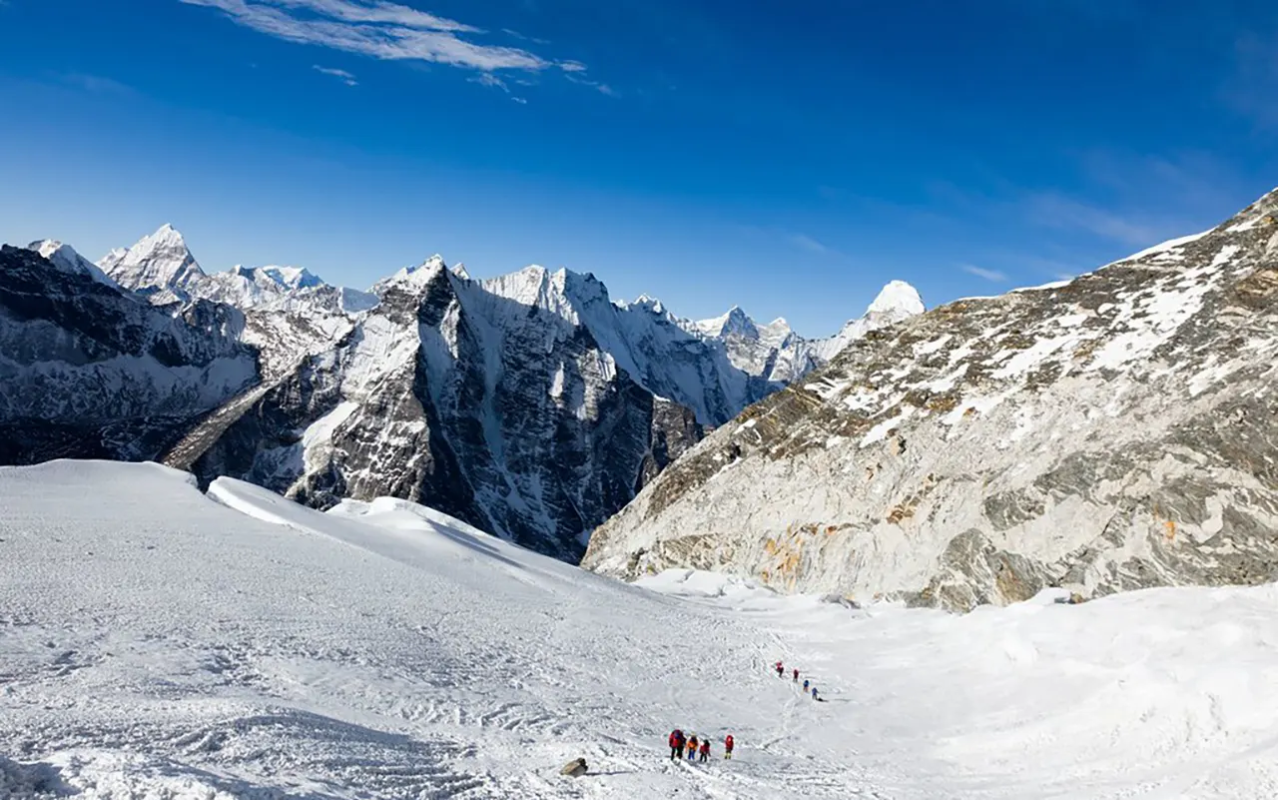
The trail starts on rocky ground and then leads to the glacier. At the crampon point, climbers put on their crampons and other technical equipment. The climbing party then leads the group over the glacier, through the technical sections.
The last section has a steep snow/ice headwall. This is climbed via fixed ropes and ascenders before the summit at 6,189 m / 20,305 ft.
Important points:
- Start around 1 AM.
- Take sufficient water and high-energy food snacks.
- Use appropriate layers for below-freezing temperatures.
- Climb properly with crampons and other climbing gear.
- Take the instructions from the guide by following the rope.
- Give sufficient time for the drop.
The provided itinerary details the summit day as being about 9-10 hours long.
Climbing Training and Technical Skills
Island Peak Climbing also includes a practical training session at Base Camp before climbing the Peak. This allows the climbers to get used to the equipment before they are on the glacier and climbing the steeper terrain.
Basic crampon movement, harness use, ascender operation, rope techniques and rappelling. The climbing guide also instructs on proper use and safe movement with fixed ropes.
The training is particularly beneficial for those travelers who do not have much technical climbing experience. Familiarity with mountaineering is a plus, but the climber must be knowledgeable about the equipment and techniques for this mountain.
Whilst preparing and climbing, 3A Adventure will guide and support. The provided route has been designed with training in jumars, rappelling, crampons and rope safety at Base Camp.
Physical Fitness and Training
This Luxury Island Peak Climbing with Heli Return is suitable for those who are of fair endurance, as a number of days of trekking go up and down the hill. This is the most challenging day of the climb, as it starts at night and will include technical climbing to the summit.
Some good prep exercises are:
- Long distance hiking
- Stair climbing
- Step-up exercises
- Squats and lunges
- Cardiovascular training
- Uphill walking
- Hiking with a daypack
- Hiking on terrain that is uneven
The training should start long before you come to Nepal and should be increased. One thing that long weekend hikes can also be helpful is that they will acclimate your body to multiple hours of sustained activity.
Also, it’s essential to practice wearing your trekking boots and carrying the backpack you will take. With good preparation, the long days of trekking will be more manageable, but fitness will not overcome the effects of high altitude.
Island Peak Climbing Equipment and Gear Checklist
Climbing gear for Island Peak Climbing involves regular trekking garments in addition to particular climbing gear. Please note that the final list of equipment is subject to change depending on the 3A Adventure climbing service; please check with 3A Adventure prior to departure.
| Category |
Suggested equipment |
| Clothing |
Base layers, fleece, down jacket, waterproof jacket and trousers |
| Footwear |
Trekking boots and suitable climbing boots |
| Head and hands |
Warm hat, liner gloves and insulated gloves |
| Climbing |
Helmet, harness, crampons, ice axe and ascender |
| Safety |
Carabiners and required climbing accessories |
| Personal |
Headlamp, sunglasses, goggles and sunscreen |
| Sleeping |
Warm sleeping bag |
| Health |
Personal medicines and first aid supplies |
| Electronics |
Power bank, phone and spare batteries |
| Documents |
Passport, insurance details and required documents |
Technical equipment should fit well and be checked before the summit attempt. Please don’t assume that an item is included if it is not mentioned in your package details.
Weather Month to Month and Best Season
Weather in the Everest region can turn bad at a moment’s notice, especially at high altitudes. Spring and autumn are the best times of year for trekking and mountaineering is better suited to the spring and autumn seasons, notes.
| Month |
General conditions |
Suitability |
| January |
Very cold, possible snow |
Difficult |
| February |
Cold, winter conditions |
Possible but demanding |
| March |
Spring conditions begin |
Very good |
| April |
Generally stable spring weather |
Excellent |
| May |
Warmer, pre-monsoon influence |
Good |
| June |
Increasing rain and cloud |
Less suitable |
| July |
Monsoon conditions |
Poor |
| August |
Monsoon conditions |
Poor |
| September |
Weather gradually improves |
Possible to good |
| October |
Clearer and generally stable |
Excellent |
| November |
Dry and clear, colder |
Excellent |
| December |
Cold with short days |
Demanding |
Climbing occurs mostly in March-May and October–November. The final decision on the summit depends on the actual mountain weather every year and there may be changes in conditions.
Accommodation During the Trek and Climb
As the Island Peak Heli Return route crosses over into the high mountains, the accommodation changes. The accommodation consists of a hotel in Kathmandu and teahouses in the trekking part.
Teahouses usually offer a sleeping room for your exclusive use or a shared room, basic bedding, a dining area and shared bathroom facilities. The higher the level, the more basic the services and hot shower/charging may be available for an additional fee.
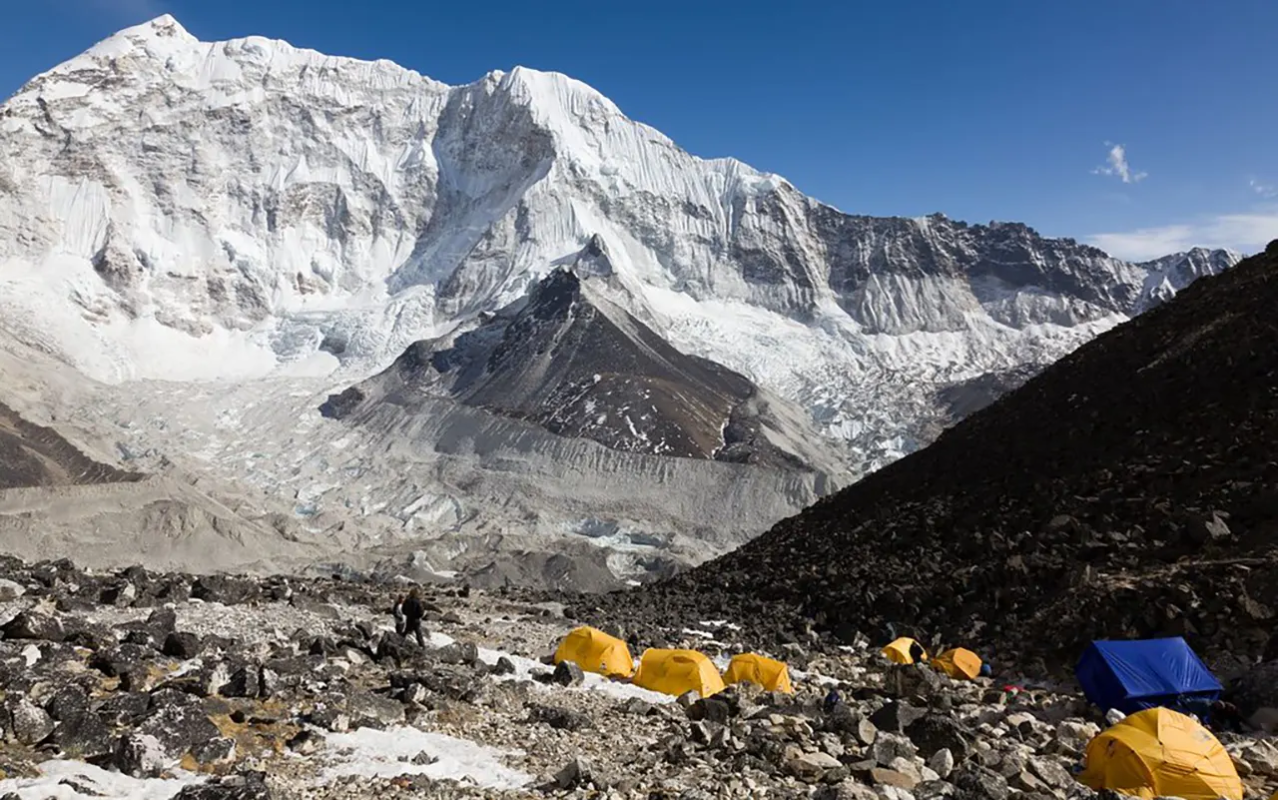
You will be staying in tents at the Island Peak Base Camp. The climbing crew sets up camp, sleeping quarters and cooking areas before the expedition to the summit.
In the supplied itinerary, you will be provided with a hotel in Kathmandu, teahouses from Lukla to Chhukung and a tent at the climbing camp.
A good sleeping bag and clothing for insulation are vital in the higher areas.
Food and Drinking Water
Food is available all day long during the main tour. Breakfast is always before any activity, lunch is usually during the trekking day or after arrival in the next settlement and dinner is served in the evening.
The typical food found in the Everest region is dal bhat, which is a staple dish consisting of rice, beans and vegetables. In the Everest region, the most popular food is dal bhat, a staple dish that is made up of rice, beans and vegetables. The kitchen team cooks for the climbing team at Base Camp.
During the journey, it is crucial to ensure the availability of safe drinking water. Water can be bought from the villages and boiled or filtered water can be used properly. It is recommended to use bottled mineral water or boiled and filtered water for travelers.
Have a reusable water bottle and drink throughout the day. It’s particularly important to stay hydrated at higher elevations where cold, dry air and exercise can lead to greater fluid loss.
Permits and Required Documents
The Luxury Island Peak Climbing with Heli Return involves a trekking peak and crossing the Everest Region, which means it requires various permits and documents.
| Document or permit |
Purpose |
| Nepal Tourist Visa |
Required for travelers entering Nepal |
| Sagarmatha National Park Permit |
Required to enter the protected Everest region |
| Khumbu Local Area Permit |
Required for trekking in the Khumbu region |
| Island Peak Climbing Permit |
Required for climbing the peak |
| Passport |
Required for identification and permit processing |
| Travel Insurance |
Important for medical and evacuation coverage |
| Insurance Policy Details |
Useful during an emergency |
No need to arrange these permits by yourself. 3A Adventure will provide all permits and do all the necessary registrations. Personal information is required for processing; only your valid passport is needed.
The trek for Everest region peaks is done only with a permit from the Nepal Mountaineering Association.
Travel Insurance for Island Peak Climbing
Travel insurance is an important requirement for Island Peak Climbing as the route is at 6,189 m / 20,305 ft and involves technical climbing. Normal travel insurance does not necessarily include mountaineering at high altitudes.
Read the policy wording before buying insurance. Be sure to include the highest point of the trip as well as the climbing(s) that are part of the itinerary.
Your insurance policy should have:
- Medical coverage at high elevation.
- Climbing/ mountaineering coverage
- Emergency medical treatment
- Helicopter evacuation
- Hospital expenses
- When a trip is cancelled or interrupted.
- Baggage protection
- Repatriation where applicable
Bring a copy of your insurance policy and other emergency contact information with you on the hike. In an emergency, 3A Adventure will help coordinate, but the insurance company will cover by the terms of the policy.
Lukla Flight and Ramechhap Airport Transfer
The first step to the Everest region is a flight to Lukla. In times of high air traffic, the flight may use Manthali Airport in Ramechhap instead of Kathmandu. This is specifically included in your tour.
The road trip from Kathmandu may take about 4-5 hours if the flight is from Ramechhap. From Kathmandu, it’s a road trip of approximately 4-5 hours. This may require leaving Kathmandu around 1 or 2 AM, depending on the scheduled flight.
The flight itself is brief, but mountain weather can have an impact on the take-off and landing times. When visibility or other operating conditions are not appropriate, delays or cancelations may be possible.
If Ramechhap is needed, 3A Adventure helps arrange the private road transport and helps with the arrangements for the flight. When travelling to the mountains, it is wise to have some flexibility.
Helicopter Return from Chhukung to Kathmandu
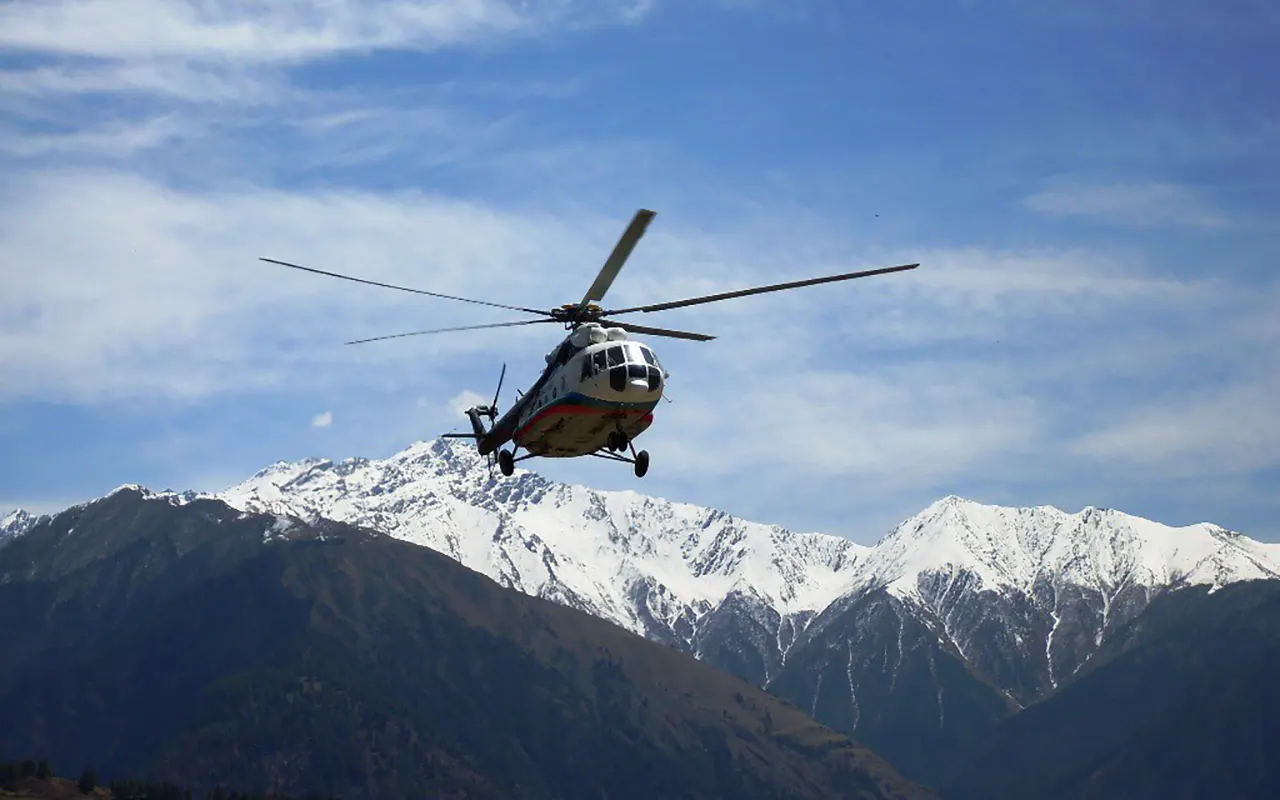
The Heli return to Island Peak starts after you have reached the top of Island Peak and descended to Chhukung. Following breakfast, you will head for the local helipad where you will get a briefing and weigh-in before getting on board the helicopter.
The flight passes through the Khumbu region en route to Lukla and may stop for refueling at Lukla before heading to Kathmandu. The itinerary says it’ll take about an hour on the helicopter.
Weather, visibility, wind, aircraft availability and operational conditions are factors that affect helicopter operations. So, if the flight weather conditions are not acceptable, the flight can be delayed.
You are then picked up from the helicopter park in Kathmandu and driven to your hotel. This option will save you from making an arduous trek from Chhukung via Tengboche, Namche and Lukla.
Altitude Sickness and High Altitude Safety
The Luxury Island Peak Climbing with Heli Return route above 3,000 m / 9,843 ft becomes an important matter with regard to Altitude sickness. Your body needs time to acclimatise to the reduced oxygen available at increased altitude.
Symptoms can range from headaches, fatigue, dizziness, nausea and insomnia. More severe symptoms can include confusion, walking difficulties, marked difficulty breathing, or deteriorating while resting.
Key safety considerations are:
- Take slow steps, walk at a steady pace.
- Drink fluids regularly.
- Have good nutrition at all times.
- Adhere to the acclimatisation plan.
- Let your guide know of symptoms early.
- If symptoms get worse, don’t ignore them.
- Climb down when the climbing team deems it necessary.
The program includes acclimatization at Namche before heading uphill.
Emergency Rescue and Evacuation
Emergency planning is an essential part of the Island Peak Heli Return, as the route is extremely high and has sections of glacier and technical climbing.
If there is a serious health problem or injury, the first step is to be assessed by the guide and climbing team. The best course of action will vary depending on the circumstances and can include stopping the ascent, reaching a lower altitude, getting medical help, or calling for evacuation.
In an emergency:
- Let your guide know right away.
- Follow the climbing team’s instructions.
- If symptoms are severe, stop climbing.
- Descend if instructed.
- Have insurance information easily available.
- Follow evacuation procedures.
The helicopter evacuation relies on the weather, visibility, landing conditions, aircraft availability and operational clearance. For this reason, suitable high-altitude insurance is vital before the trip.
The actual insurance coverage will be based on your policy; however, if necessary, 3A Adventure will be available for emergency coordination and communication.
Communication, Mobile Network, Internet and Charging
The mobile network’s coverage can change on the Luxury Island Peak Climbing with Heli Return route. Communication facilities tend to be more developed in larger settlements like Namche and less so or non-existent in more remote areas.
There are lots of teahouses that offer internet (Wi-Fi) access, but the speed and reliability of the connection may differ. Do not assume that Internet access will be available at higher elevations.
Charging facilities are available in some lodges, usually for an additional fee. There is less electricity at Base Camp.
Always bring a good power bank and extra batteries for critical items. Only store batteries in a warm location, as the cold can reduce battery performance.
A phone can be used for regular communication and for taking photos, but is not to be relied upon as the sole emergency communication tool. Communication and support are still provided by your guide and climbing team throughout the expedition.
Packing, Baggage and Daily Trekking Routine
Island Peak Climbing packing includes regular trekking gear and technical climbing gear. Carry key items in your daypack for easy access on the walking day.
You might have the following activities during an average day:
- Early breakfast
- Morning trekking
- Occasional short rest and hydration breaks.
- Stop and eat lunch along the way
- The lodge or camp is open in the afternoon.
- Preparing equipment at high elevations.
- Early evening meal and bedtime
The support team will carry your larger bag in line with the arrangements included in your package. Be sure to always have personal necessities with you.
Pack your passport, medications, water, snacks, warm clothing, sunglasses, sunscreen, headlamp and other valuables in your daypack. Before camp, set out all the climbing gear at Base Camp as you head to the summit push, which starts early.
Sherpa Culture and Responsible Trekking
Luxury Island Peak Climbing with Heli Return goes through Sherpa villages such as Namche, Tenboche, Dingboche, Chhukung, etc. There are close ties between the local communities, Buddhist culture and mountain tourism.
The monastery of Tengboche is a significant place of worship on the way. It is advisable to visit monasteries, prayer wheels, mani walls and other religious places.
The following are examples of good trekking etiquette:
- Seek permission before taking local people’s pictures.
- Don’t step over mani walls.
- Respect religious objects.
- Reduce plastic waste.
- Take waste to appropriate waste disposal areas.
- Use water carefully.
- Respect local customs.
- Obey laws and regulations of protected areas.
- Everest region trekking and mountaineering and Sherpa culture are important aspects.
Trekking moderately for the local guides, porters, lodges and businesses helps to directly benefit communities along the way.
Who Is This Island Peak Climbing Trip Suitable For?
The Island Peak Heli Return package is ideal for those who wish to experience a trek in the Everest region, technical climbing in the Himalayas and a helicopter return.
The trek has some fairly long days and the peak day is a fairly strenuous one, so good physical fitness is important. Previous high-altitude trekking experience is helpful, especially for those who have not spent several days on top of 4,000 m/13,123 ft.
The itinerary also includes training at Base Camp prior to the summit attempt, so previous technical climbing experience is also useful.
This trip is not for the faint of heart. Good experience on steep terrain, cold weather, early starts, exposure, glacier travel and fixed ropes.
The helicopter return is easier to reach Kathmandu following the ascent, but there’s no diminishing the physical or technical challenge of getting to the top.