Based on 27 reviews
Trip Duration
8 DaysTrip Difficulty
ModerateMax Altitude:
4,600m. / 15,092ft.Group Size
2 to 25 personBest Season
Autumn, SpringMeals
Breakfast, Lunch and DinnerAccommodation
Teahouse/ HotelTransportation
Tourist BusAma Dablam Base Camp Trek is a short but enriching Himalayan experience that will lead you into the core of the renowned Everest region in Nepal. It is a trek that is perfect in that the mountain scenery, the traditional Sherpa culture, and the beauty of a Himalayan base camp are experienced by travelers who do not have to commit to a longer trek. During the trek, trekkers walk through well-charted routes that traverse beautiful villages, suspension bridges, prayer wheels, mani walls, and beautiful river valleys. Each day has a different set of natural beauty and cultural experiences, and therefore, the trek is very enjoyable and memorable.
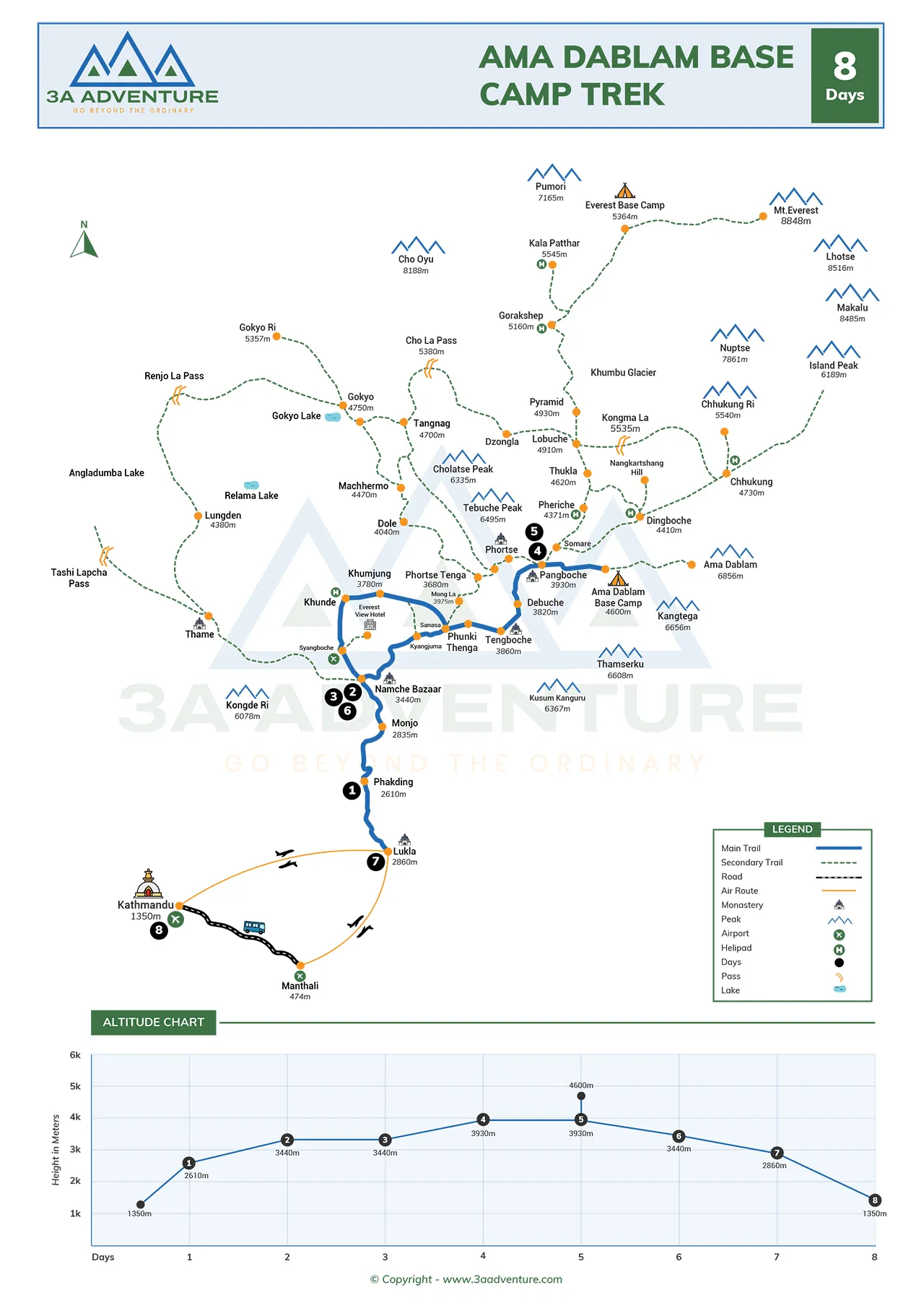
The adventure starts with a picturesque Kathmandu or Manthali flight to Lukla, which is the entrance to the Everest region. The route starts at Lukla and then leads to Namche Bazaar gradually through a beautiful valley, the Dudh Koshi Valley, with beautiful settlements along the way, including Phakding. Namche Bazaar (3,440 m / 11,286 ft) is a major village in the area, an important acclimatization point. It is a village with an active spirit, a mountainous landscape, and a destination for trekkers and the local population.
The trekkers move on to see the scenic mountainous scenery, with some of the best mountain peaks of the region, as the journey goes on. The path also goes through Tengboche, the location of the popular Tengboche Monastery. It is among the oldest and the most sacred Buddhist monasteries in the Everest region. The view around gets more and more dramatic as the path draws nearer to Pangboche. It is a traditional Sherpa village located under the great Himalayan mountains.
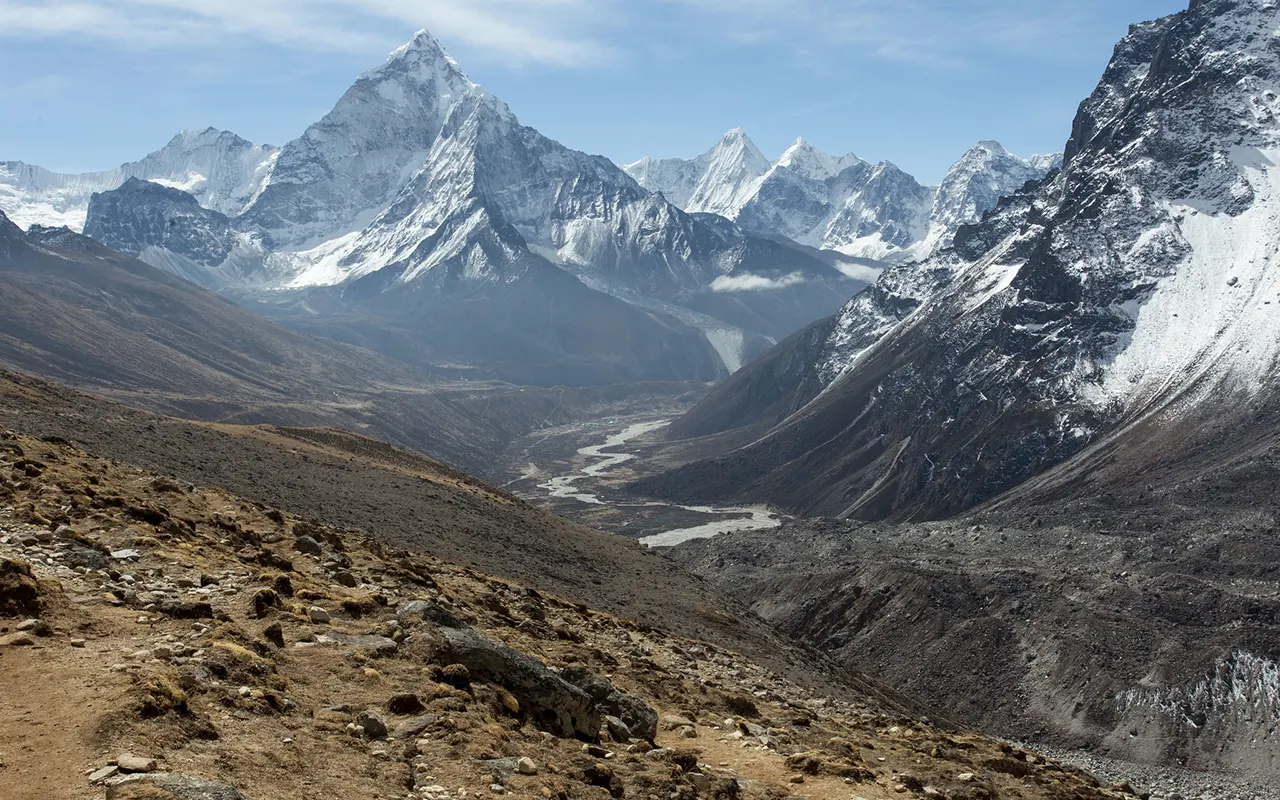
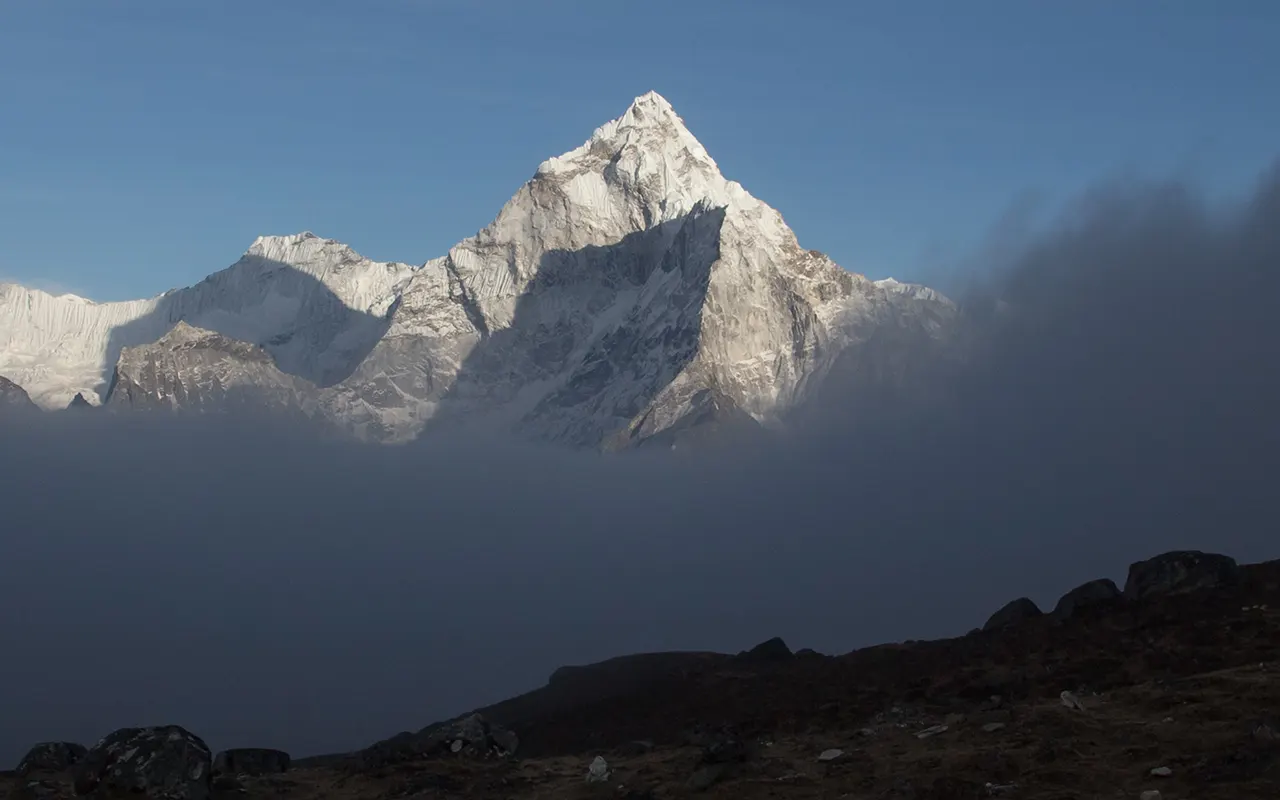
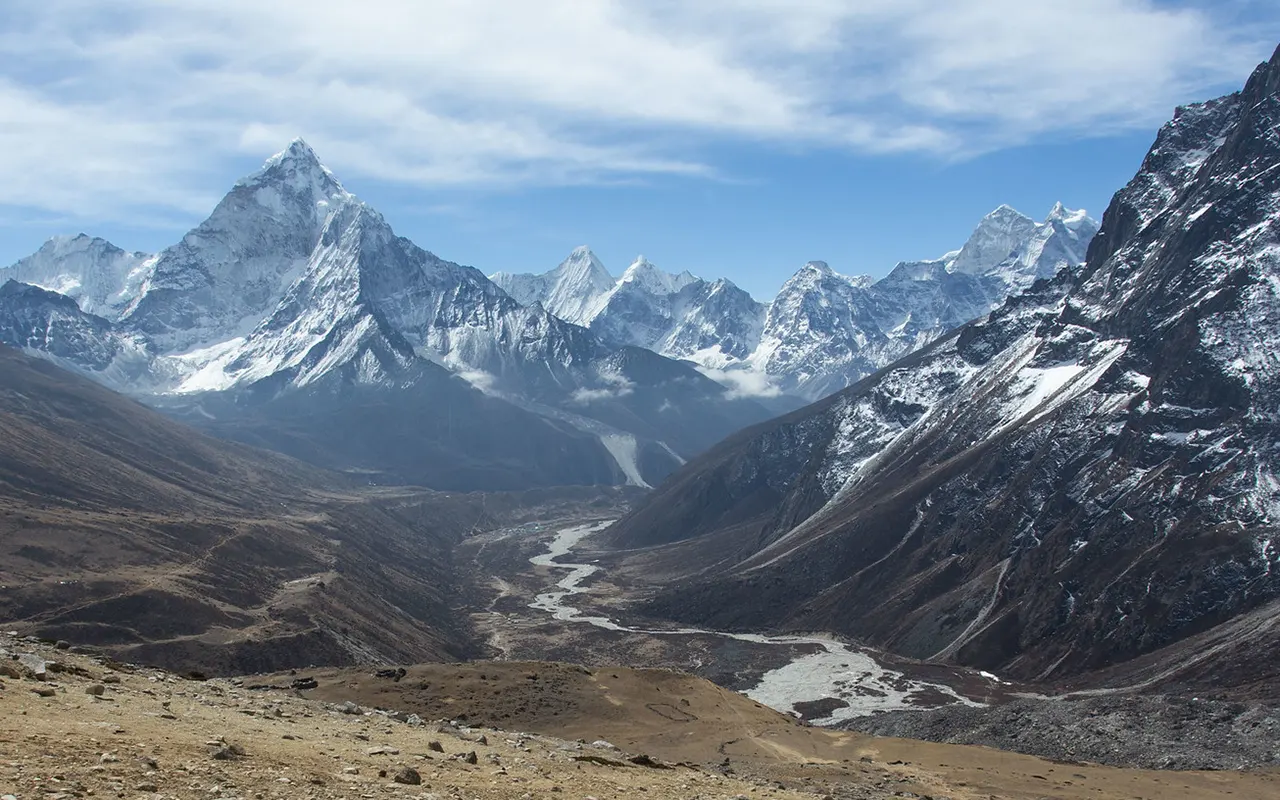
The visit to the Ama Dablam base camp is one of the most thrilling features of the Ama Dablam trek. The base camp (4,600 m / 15,091 ft) is a unique experience and a chance to see the amazing panoramic view of the nearby mountains. The serene environment, including the close-up view of the spectacular Ama Dablam mountain, makes it really worthwhile for the trekkers. This is usually seen as the climax of the whole trip.
The 8-day Ama Dablam base camp trek is ideal for trekkers of moderate fitness level who wish to explore one of the most scenic trekking areas of Nepal. The itinerary will have a special acclimatization day to ensure that trekkers can acclimatize to higher altitudes at a safe and enjoyable rate. There is no technical climbing experience is needed in the trek, and therefore it is open to a broad spectrum of adventure explorers.
This is a great trekking experience organized by 3A Adventure with a good mix of adventure, culture, and mountain scenery. With the bustling Namche Bazaar to the stunning panorama at Ama Dablam Base Camp, each step of the trip brings something new. If you want to experience the breathtaking landscapes, cultural adventure, or a challenging trekking experience that will also be remembered long after the journey is finished, then this is the adventure that will be remembered in the Himalayas.
You will be flying today from Kathmandu or Manthali to Lukla and then start your trek to Phakding. It begins with a scenic flight which lasts about 35 minutes. When you land at Tenzing Hillary Airport in Lukla, your trekking adventure starts in earnest. This adventure will provide your initial glimpse of the Everest region and mountain setting that will come with you as you progress through the trek.
The trail starts at Kani, a traditional ritual gatehouse, in Lukla. The trail then starts with a steep descent, with a gradual increase towards Kyangma village. The Dudh Koshi River can also be seen in parts of the trail as you walk, which contributes to the pleasant experience of the walk. The path cuts across a few small villages, such as Cheplung, Ghad, and Chhuthawa.
On the route, you will come across the traditional cultural sites of the mani walls, chortens, and prayer wheels. These attributes demonstrate the powerful Buddhist culture of the area and give an idea of local culture. The path is somewhat smooth and an enjoyable introduction to the trek.
After approximately three hours of walking, you will reach Phakding (2,610 m / 8,563 ft), where you will spend the night and prepare for the next part of the journey.
Activity: 3 hours Flight and Trekking
Max. Altitude: 2,860m/9,383ft. (Lukla)
Meal: Breakfast, Lunch and Dinner
Accommodation: Teahouse, Lodge
The current trail is from Phakding to Namche Bazaar. You will be leaving the quiet village of Phakding after taking your breakfast, and you will then move up the trail which runs up the Dudh Koshi River. The path takes you through some suspension bridges and through beautiful mountain villages which are scattered all over the valley.
You will see villages like Toc-Toc, Bhenkar and Monjo as you go on. These camps provide an insight into life in the Everest area. This path later leads to the gateway of Sagarmatha National Park, which is a significant site along the way and where trekkers begin their journey into the safeguarded mountain region.
The trail gets steeper slowly after the national park entrance. The ascent to Namche Bazaar must be gradual since you will be adding height as the day progresses. The dynamic nature of the environment and mountain landscapes makes the trip not only fulfilling but also memorable. This part of the hike is among the largest elevation increases of the schedule.
The next destination after about six to seven hours of walking will be Namche Bazaar (3,440 m / 11,286 ft). It is a picturesque mountain town that is a significant acclimatization point and provides different facilities such as lodges, restaurants, banks, and ATMs. You will stay here and prepare for your acclimatization day.
Activity: 7 hours Trekking
Max. Altitude: 3,440m/11,286ft. (Namche Bazaar)
Meal: Breakfast, Lunch and Dinner
Accommodation: Teahouse, Lodge
This day is devoted to rest and acclimatizing in Namche Bazaar. There is no great hike to do, but this day is significant in acclimating your body to the elevated level. Avoid rushing down the mountain, and slowly acclimatizing to the elevation will enable you to get ready for the next days of the trip.
Instead of being inactive, it is advisable to keep on moving during the day. The acclimatization process may be facilitated by walking around the village and visiting the area. Namche Bazaar is a mountainous tourist town, and a key tourist destination among trekkers in the Everest area.
The day is rewarding, with the village providing stunning scenery of the mountains around. You may take your time to have a look at the scenery, get to know the area, and feel the ambience of this popular Himalayan settlement. The mixing of light and rest activities gives a balance that promotes comfort and acclimatization.
The day also provides you with the chance to rest after the days of traveling and trekking. At the end of the day, you will be more prepared for the greater heights to come. You will have one more night in Namche Bazaar, and the next day you will be on your way to Pangboche.
Activity: 3 hours Acclimatization
Max. Altitude: 3,440m/11,286ft. (Namche)
Meal: Breakfast, Lunch and Dinner
Accommodation: Teahouse, Lodge
You will start your trek from Namche Bazaar and continue to Pangboche. You will depart Namche after breakfast, and proceed along the trail, through the beautiful mountain scenery of the Everest region. The path is impressive in scenery all day long, and has some of the most memorable mountain views of the trek.
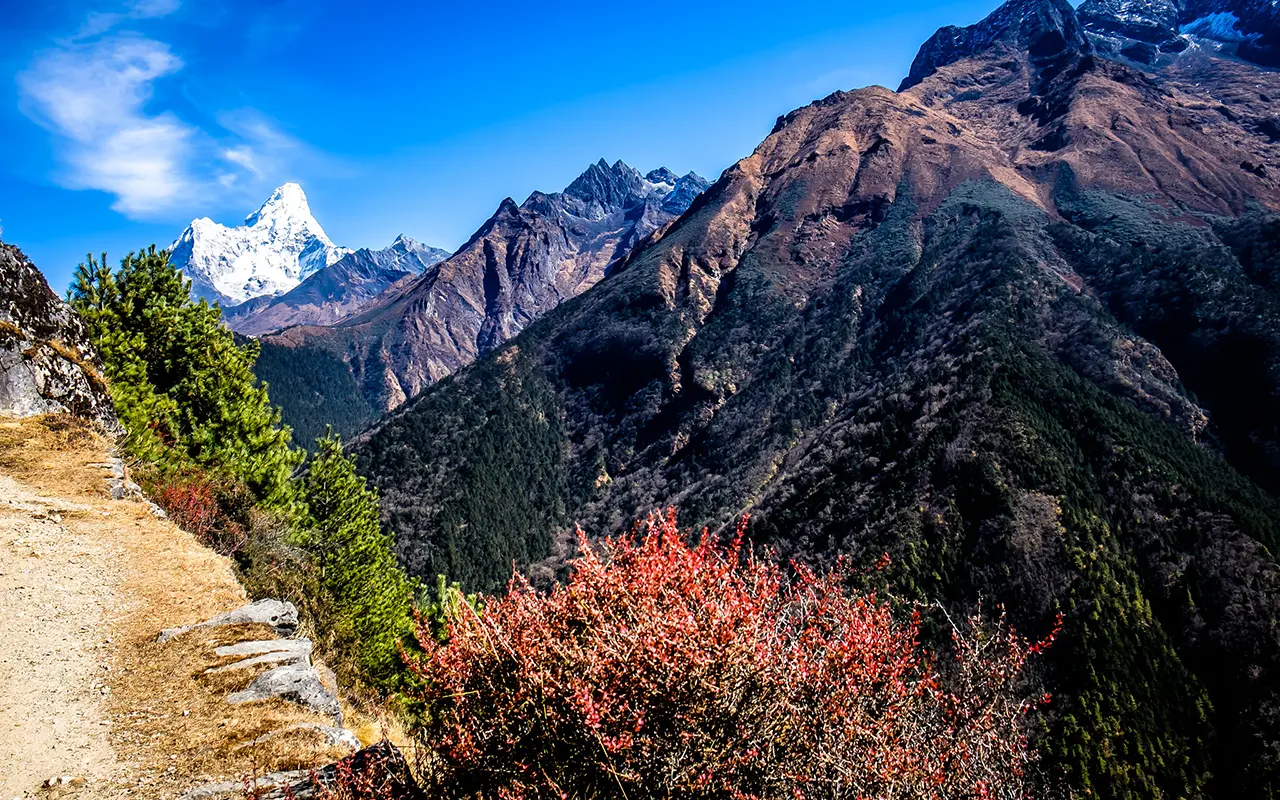
On the way up the mountain, you will have the company of some of the most well-known Himalayan mountains. Along the way, there are mountains like Ama Dablam, Lhotse, Taboche, Khangtega, and Thamserku that provide a stunning backdrop to the trek. The walk is rewarding and enjoyable due to the changing scenery and high mountain environment.
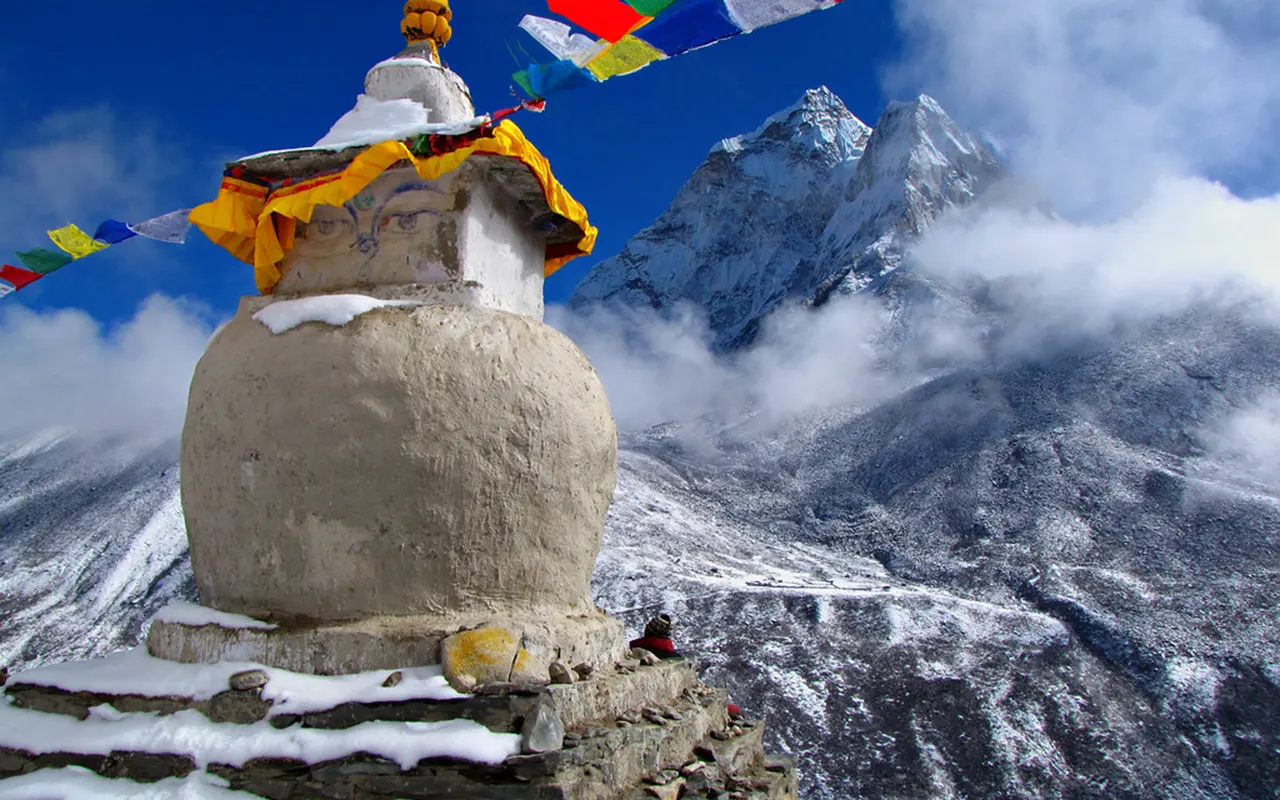
The trail also goes through the popular village of Tengboche. Tengboche Monastery is one of the biggest and oldest Tibetan Buddhist monasteries located in this settlement. The monastery is an important religious and cultural landmark and adds significance to the journey.
On crossing Tengboche, you will proceed with trekking to Pangboche. The path slowly ascends the mountain into the valley, but offers superb mountain scenery. In about seven or eight hours of walking, you will reach Pangboche (3,985 m / 13,074 ft). This will be your second stop overnight in this traditional mountain village before you move to Ama Dablam Base Camp the next day.
Activity: 8 hours Trekking
Max. Altitude: 3,985m/13,074ft. (Pangboche)
Meal: Breakfast, Lunch and Dinner
Accommodation: Teahouse, Lodge
The day will see you go on a trip from Pangboche to Ama Dablam Base Camp. This happens to be among the highlights of the trek as it provides the possibility to come to the base camp of one of the most beautiful mountains in the Himalayas.
The next place you will see after Pangboche will be the Dudh Koshi River, which will be followed by a gradual uphill walk. The trail slowly ascends, leading to the base camp area. The mountainous landscape around is even more spectacular as you go up and nearer to your destination.
After approximately three and a half hours of walking, you will be at the Ama Dablam Base Camp (4,600 m / 15,091 ft). This is an incredible place with a view of the surrounding Himalayan scenery. You will get time to explore the base camp, savor the scenery, and have your packed lunch with the view of magnificent mountains.
After seeing the same route back to Pangboche. The trip back will enable you to enjoy the view in a new dimension as you come down slowly to the village. As soon as you come to Pangboche, you will have time to relax and remember the day spent at the foot of Ama Dablam. You will be spending the night in Pangboche and then start the trip back to Namche Bazaar.
Activity: 7 hours Trekking
Max. Altitude: 4,600m/15,092ft. (Ama Dablam Base Camp)
Meal: Breakfast, Lunch and Dinner
Accommodation: Teahouse, Lodge
You will walk today from Pangboche to Namche Bazaar. You will have breakfast at Pangboche, and then start back on the same pathways. The latter part of the day is not as difficult as the first part of the trek due to the fact that today the route is mostly downhill to lower altitudes.
The path will take you through some of the places you have already been to. When you are down in the valley, you will come again to Tengboche, where you can see the great monastery, a great landmark. The trail then turns into Phunkithanga and then on to Namche Bazaar.
During the day, you will be able to see the surrounding mountains and landscapes that have been part of the trek. Going down the area is another chance to enjoy the scenery as well as meet the ground at a steady speed. The same path will also enable you to consider the experiences and accomplishments of the past days.
You will be back at Namche Bazaar (3,440 m / 11,286 ft) after about six or seven hours of hiking. It is a picturesque mountain village, where one can relax after a walk after a day. You will stay here and make preparations for the last day of the trekking itinerary.
Activity: 7 hours Trekking
Max. Altitude: 3,985m/13,074ft. (Namche Bazaar)
Meal: Breakfast, Lunch and Dinner
Accommodation: Teahouse, Lodge
Today’s journey takes you from Namche Bazaar to Lukla. This will be the last day of trekking of your itinerary and the end of your adventure in the Everest region trails. It will be after breakfast when you will be leaving Namche Bazaar and starting your descent into Lukla, via the same route that you took in the earlier part of the trek.
The walk is also not as challenging as many of the earlier trekking days since the trail is mainly downhill. It also has some flat areas on the way that offer a nice rhythm as you proceed along the valley. On your way down, you will cross through some of the landscapes that you are used to and have an added chance to have a glimpse of the beauty of nature in the area.
As you proceed with the trek, the Sagarmatha National Park area will gradually be left behind. The path takes you through the Dudh Koshi Valley and in places that have been a significant part of your journey since the start of the trek. The well-known environment provides the opportunity to recollect the experience, accomplishments, and the stunning mountainous scenery, experienced during the adventure.
It will take you about seven hours to reach Lukla (2,860 m / 9,383 ft). The successful completion of the trekking part of the itinerary is the reaching of Lukla. You will be spending the night here and then flying back the next morning.
Activity: 7 hours Trekking
Max. Altitude: 3,440m/11,286ft. (Lukla)
Meal: Breakfast, Lunch and Dinner
Accommodation: Teahouse, Lodge
This is the last day of your Ama Dablam Base Camp trip. You will plan to spend the night in Lukla, after which you will be ready to fly back to Kathmandu or Manthali as planned. This short but scenic flight brings your adventure in the Everest region to a close.
The Lukla flight lasts about 35 minutes. When the aircraft leaves the Tenzing Hillary Airport, you will also enjoy the last time you will view the mountain landscapes that have been with you all through. The overhead shots give a stunning end to the journey and enable you to see the magnitude of the Himalayan area from a different perspective.
The mountains slowly yield to lower hills and valleys as you pass on your way to your destination during the flight. It is a calming ride and an opportunity to look back at the events in the last few days. The trek is full of memorable moments, starting with the scenic trails, the traditional villages, and the amazing visit to Ama Dablam Base Camp.
Upon arrival in Kathmandu or Manthali, your itinerary comes to an end. The adventure ends with the flight, and a pleasant trekking adventure in one of the most popular mountain areas in Nepal is completed.
Activity: 35 minutes Flight
Max. Altitude: 2,860m/9,383ft. (Kathmandu)
Meal: Breakfast
Note:
If you have a private group and prefer a personalized experience, we can organize a custom trip tailored to your requirements and group size, running it any day you choose.
Transportation
Food and Accommodation
Support Staff and Guide
Permits and Expenses
Medical and Gear
Others
International Flights and Visa.
Food and Accommodation
Travel and Medical Insurance.
Other Expenses
The Ama Dablam base camp trek is possible all through the year, but spring and autumn are generally regarded as being the best trekking seasons. The spring (March-May) provides a stable climate, pleasant temperatures, and good mountain visibility. In this season, the trails are pretty, the rhododendron forests are in bloom along the hillsides, rendering the walk picturesque. Its clear skies and good conditions have made trekking more enjoyable and have enabled trekkers to enjoy the surrounding Himalayan scenery to the fullest.
Another season that is highly recommended is autumn, which is between September and November. After the monsoon, the air is normally clear and clean, giving excellent views of the mountains. Autumn has become a favorite season to shoot and sightsee as visibility is usually at its best. The climatic conditions are mostly favorable, and the trekking conditions are perfect all along the route.
During winter, it gets colder, especially at higher altitudes around Ama Dablam Base Camp (4,600 m / 15,091 ft). It may be cloudy during the monsoon season and may have delays in travel. No matter what season you decide to go in spring or autumn, the trek will reward the visitors with breathtaking landscapes, mountain views, and a trek to remember.
Ama dablam base camp trek can be said to be an average trek that is not very difficult and can be undertaken by any trekker who has a fair degree of fitness. The trail contains some slow trails with some sharp stretches, and it takes several hours of walking during most of the trekking days. No technical climbing skills are required, but the terrain may change, and the elevation will rise, making some sections of the journey difficult.
Altitude is one of the main factors affecting the difficulty of the trek. The path continues to the Ama Dablam Base Camp (4,600 m / 15,091 ft), where the thinner air could make exercising a bit more challenging. To have an enjoyable trekking experience, one should maintain a moderate speed, drink a lot of water and adhere to the acclimatization program.
The Ama Dablam trek is a trail through traditional Sherpa villages and scenic mountainous trails. Regular trekkers who like hiking, walking or other outdoor-related activities can easily manage the trek. Through proper preparation, realistic expectations and a positive attitude, most healthy people can undertake the journey and have the rewarding experience of making it to the base camp.
Altitude sickness is one of the most frequent worries of people who are going to higher altitudes and it may affect people of all ages and fitness levels. In the Ama Dablam base camp trek, the trekkers progressively increase in altitude as they traverse the Everest region. The peak of the trek is Ama Dablam Base Camp at (4,600 m / 15,091 ft), where the oxygen concentration is less than at the lower levels.
Headache, dizziness, loss of appetite, fatigue, and sleeping difficulty are common symptoms of altitude sickness. The symptoms are not the same in all cases, and one should never disregard the severity of the symptoms. The most effective solution to minimize the risk is by adhering to a well-thought-out plan of the itinerary that involves proper acclimatization. The acclimatization day planned at Namche Bazaar assists the trekkers to adapt to the higher altitude more easily.
Staying hydrated, walking at a comfortable pace, eating properly, and allowing the body enough time to adapt are important preventive measures. Trekkers on 8 days Ama Dablam Base Camp trek should pay attention to their condition during the trip and report to their guide as soon as they start to notice any of the symptoms connected with the altitude.
The Ama Dablam base camp trek can be made more comfortable and pleasant with proper preparation. Even though the trek does not involve any technical climbing experience, the participants must be physically fit to spend multiple days in a row walking in the mountainous environment.
To increase endurance conditioning before the trip, a fitness program incorporating hiking, walking, jogging, cycling, or other cardiovascular exercises may be beneficial. It is also useful to strengthen the leg muscles and enhance stamina. It is usually advisable to begin a training program a few weeks before departure.
It is also important to be mentally prepared. It takes time, perseverance, and optimism to trek at higher altitudes. The trail steadily increases to the Ama Dablam Base Camp (4,600 m / 15,091 ft), where the thin air may cause physical activity to be more exhausting.
Most trekkers would be able to complete the journey provided that they are well prepared and that they have realistic expectations. 3A Adventure offers quality services to ensure the trekkers have a good time during the trek and remain safe.
During the Ama Dablam base camp trek, food and accommodation will be offered by the local lodges and tea houses on the way. These mountain lodges are a good place to rest after a day of trekking, as well as to get a glimpse of the local hospitality and culture.
Food is typically inexpensive, healthy, and made fresh. Trekkers will be glad to have a range of choices that will aid in keeping the energy levels high during the trip. The lodges where trekkers take rest throughout the day serve breakfast, lunch, and dinner. It is also important to remain well-nourished as the trek ascends in altitude to Ama Dablam Base Camp (4,600 m / 15,091 ft).
Accommodation is simple yet comfortable and aimed to accommodate the needs of the trekkers passing through the Everest region. Rooms are usually a cozy environment to sleep and rest before the next day’s adventure. By ensuring proper planning and trusted local arrangements, 3A Adventure is one of the facilitators in making the trekking experience a good one with appropriate food and accommodation along the way.
The Ama Dablam base camp trek routinely uses transportation in the form of a domestic flight between Kathmandu or Manthali and Lukla. This airplane is the entry point to the Everest region and the start as well as the end of the trekking journey.
One of the most exciting aspects of the journey is the flight to Lukla. It provides scenic aerial shots of hills, valleys, and Himalayan scenery before arriving at Tenzing Hillary Airport. The trekking part of the journey starts when one arrives in Lukla (2,860 m / 9,383 ft).
Once the trek is completed and after visiting the Ama Dablam Base Camp (4,600 m / 15,091 ft), trekkers walk down to Lukla before flying back to Kathmandu or Manthali. It is possible that weather conditions in the mountains influence the time of flights and therefore flexibility always comes in handy when making plans to travel.
The scenic mountain flights and trekking make the combination a distinctive travel experience, as they enable the visitors to reach one of the most renowned trekking regions in Nepal, in an efficient and comfortable way.
There are communication facilities along most parts of the Ama Dablam trek, but the quality of service varies depending on the location and weather. When trekkers go up the mountains, communication facilities may be reduced as opposed to big cities.
Most of the villages on the trail have mobile network services, which means that when they have coverage, trekkers are able to remain in touch with their families and friends. Internet access can also be provided at some lodges at an extra cost. But the speed of connection and connection reliability may fluctuate, especially at elevated levels.
When traveling to places close to Ama Dablam Base Camp (4,600 m / 15,091 ft), the communication service might be irregular. When travelling, trekkers should be ready to face some lapses in connectivity.
Most of the travelers enjoy the fact that they are able to get away from day-to-day life and get to enjoy the mountain life to the fullest. Most trekkers can still stay in touch with each other occasionally during the trek and send updates whenever they have access to the network to provide updates regarding their trek.
The Ama Dablam Base Camp trek will require several permits. These permits are used to control tourism, conserve, and enable the trekkers to explore the safeguarded trekking regions in the Everest region.
Since the trek goes through the Sagarmatha National Park, the trekkers need to secure the entry permit before they commence the trek. Other local permits could also be necessary depending on the existing trekking laws. Carrying valid permits throughout the journey is important, as permit checks may take place at designated checkpoints along the route.
Sometimes permit requirements vary and it is advisable to check the most recent regulations before traveling. The trekkers who reserve their treks with 3A Adventure are provided with guidance in obtaining the permit and the guiding team assists in making sure that all the required papers are in order and ready before the trek.
These permits help to keep the natural environment and cultural heritage in the region intact and help to promote sustainable tourism. With the right permits, trekkers can also have a great time on the trail without fear or worry.
The majority of international tourists who visit Nepal must have a visa prior to taking part in the Ama Dablam Base Camp trek. Nepal has easy visa facilities, and most of the visitors can get a tourist visa on arrival at the international airport in Kathmandu. Travelers are also advised to take care of the validity of their passport, which must not have expired, and have enough blank pages to be stamped by immigration.
The visa charges and conditions can be different based on the nationality and duration of stay. Due to the possibility of changes in immigration policies, it is always best to check the current state of affairs before leaving. Pre-making of travel documents helps to avoid delays and enables a smooth entry into the country.
Most trekkers decide to spend more time in Nepal prior to or after exploring Ama Dablam Base Camp (4,600 m / 15,091 ft). Thus, it is significant to choose the right visa period during the arrangement of the trip. 3A Adventure will also be able to offer some general advice about the preparation of the trip and assist the trekkers in organizing their trip more effectively before they arrive in Nepal.
Anyone intending to undertake the Ama Dablam Base Camp trek is highly advised to buy travel insurance. Trekking in the isolated areas of the mountains is also a risk, and appropriate insurance offers an extra good feeling during the trek. A detailed policy may assist in eventualities that might arise before or during the trek.
As the path goes up to Ama Dablam Base Camp (4,600 m / 15,091 ft), it is necessary to make sure that the insurance coverage is for high-altitude trekking. Before trekkers select a plan, they need to pay special attention to the policy details and ensure that the activities in the mountains are included in the specific plan chosen.
Travel insurance can also help with sudden medical bills in case of trip interruption, travel delay, or emergency. Benefits of coverage differ among providers, and it is advisable to compare the different options and then buy a policy.
To those taking part in the 8 days Ama dablen base camp trek, insurance preparation is a very crucial element of responsible travel planning. The right coverage will enable trekkers to relax and enjoy the experience with less worry and more certainty.
Although a lot of services are contained in a trekking package, there are others that trekkers need to be careful about spending on in the Ama Dablam trek. These are other expenses that might differ based on personal likes and expenditures during the trip.
The usual additional costs can be personal snacks, refreshments, use of the internet, charging of e-gadgets, laundry, and personal purchases during transit. Certain lodges can charge for individual services that are not part of the normal package. It is better to carry enough local currency because in some remote areas of the mountains, there may be few payment facilities.
Trekking tourists can also be interested in buying some souvenirs or promoting local enterprises when travelling through the traditional villages. Budgeting for these extra costs will prevent any surprises during the trek.
Despite the fact that the personal spending needs of a particular traveler vary with each traveler, having a flexible budget can help make the experience more comfortable. To avoid confusion, 3A Adventure would suggest negotiating package inclusions before the trek so that trekkers have a clear understanding of what services are included and additional cost could be incurred.
Ama dablam base camp trek may be done in either a personal trek or a group trek, depending on individual preferences and style of travelling. Each of the two has its own benefits and enables trekkers to explore the beauty of the Everest region in their own manner.
A customized hike offers more flexibility and a more intimate experience. Trekkers will have the freedom to have a schedule that fits their pace and at the same time have close guidance in the process. Couples, families, or travelers may tend to prefer this option, which offers extra privacy.
Group trek gives the participants an opportunity to share the experience with other trekkers. Most of the travelers like the social setting, teamwork, and friendships that usually arise in the process of the adventure. Departures in groups are also a relatively cheap alternative for those who would like to share some of the costs of the trip.
Regardless of the option either a personal or group experience, trekkers will be able to reach Ama Dablam Base Camp (4,600 m / 15,091 ft) and marvel at Himalayan views. 3A Adventure has two types of trekking, which means that the traveler can choose the mode of trekking that is most suitable to him or her regarding interest and expectation.
General
The average schedule takes 8 days.
The highest point is Ama Dablam Base Camp at (4,600 m / 15,091 ft).
The trek involves mountain views, the Sherpa people and a trip to Ama Dablam Base Camp.
Yes, even novices who are well prepared and fit can make the trek.
Preparation & Fitness
The daily walking hours and elevation gain should be within a moderate level of fitness.
Past experiences in trekking are beneficial but not mandatory.
Before the trip, it is suggested to walk, hike, jog or perform other cardio exercises regularly.
Yes, it is possible to make the trek comfortable by strengthening your legs and making them more enduring.
Permits
In local lodges and tea houses, accommodation is normally offered.
Some places may have private rooms but it depends on availability.
Electricity is available in most lodges but extra fees might be charged.
Yes, charging facilities are provided in most lodges.
Insurance & Visa
Yes, high-altitude trekking should be highly encouraged with proper travel insurance.
It is advisable to have coverage for emergency evacuation services.
The majority of foreign tourists will need a tourist visa to enter Nepal.
Nepal has several nationalities that can get a tourist visa in Nepal.
Guides & Support Staff
Trekking guides are available to accompany trekkers during the trek.
The guide provides navigation, safety, logistics and local information.
Porter services might be provided depending on the trekking package.
Yes, Guides can help and organize assistance.
Weather & Seasons
Spring and autumn are generally considered the best seasons.
The temperatures fluctuate with the seasons and altitude, with colder temperatures at higher altitudes.
Yes, weather in the mountains may sometimes result in delays or cancellations.
The mountain views are best in spring and autumn.
Health & Safety
Indeed, the issue of altitude sickness may arise among trekkers.
Among the symptoms are headache, dizziness, fatigue, nausea and sleeping difficulties.
The schedule will have an acclimatization day at Namche Bazaar.
Booking & Payment
It is advisable to book a few weeks or months beforehand during peak seasons.
The majority of trekking companies demand a deposit in order to make a reservation.
Yes, individual fliers may tend to participate in individual or group departures.
The ways of payment also depend on the operator and can be bank transfer, card payment and so on.
Transportation & Flight
The trip starts with a flight from Kathmandu or Manthali to Lukla.
The duration of the flight is usually 35 minutes.
Depending on weather conditions and airline schedules, travel plans might have to be changed.
This varies with the inclusions of the package and operator.
Yes, the journey will end with a flight back to Kathmandu or Manthali in Lukla.
Yes, Lukla is the primary entry point for trekkers who enter the Everest region.