Mera Peak Climbing Route and Overall Trip Structure
| Section |
Route |
Approximate elevation |
| Starting point |
Kathmandu |
1,320 m (4,330 ft) |
| Flight and trek |
Lukla to Paiya |
2,840 m (9,318 ft) |
| Lower mountain route |
Paiya to Panggom to Ningsow |
2,804 m (9,200 ft) |
| Hinku Valley approach |
Chhatra Khola to Kothe |
3,600 m (11,811 ft) |
| Alpine section |
Kothe to Thangnag |
4,358 m (14,298 ft) |
| High altitude section |
Thangnag to Khare |
5,045 m (16,552 ft) |
| Climbing section |
Khare to High Camp |
5,780 m (18,963 ft) |
| Summit |
Mera Central |
6,461 m (21,198 ft) |
| Return |
Khare to Kathmandu by helicopter |
— |
From Kathmandu, the Mera Peak Climbing route joins with others to fly together to Lukla. From Lukla, the path winds through Paiya and Panggom to Ningsow, Chhatra Khola, Kothe, Thangnag and Khare before heading into the climbing area.
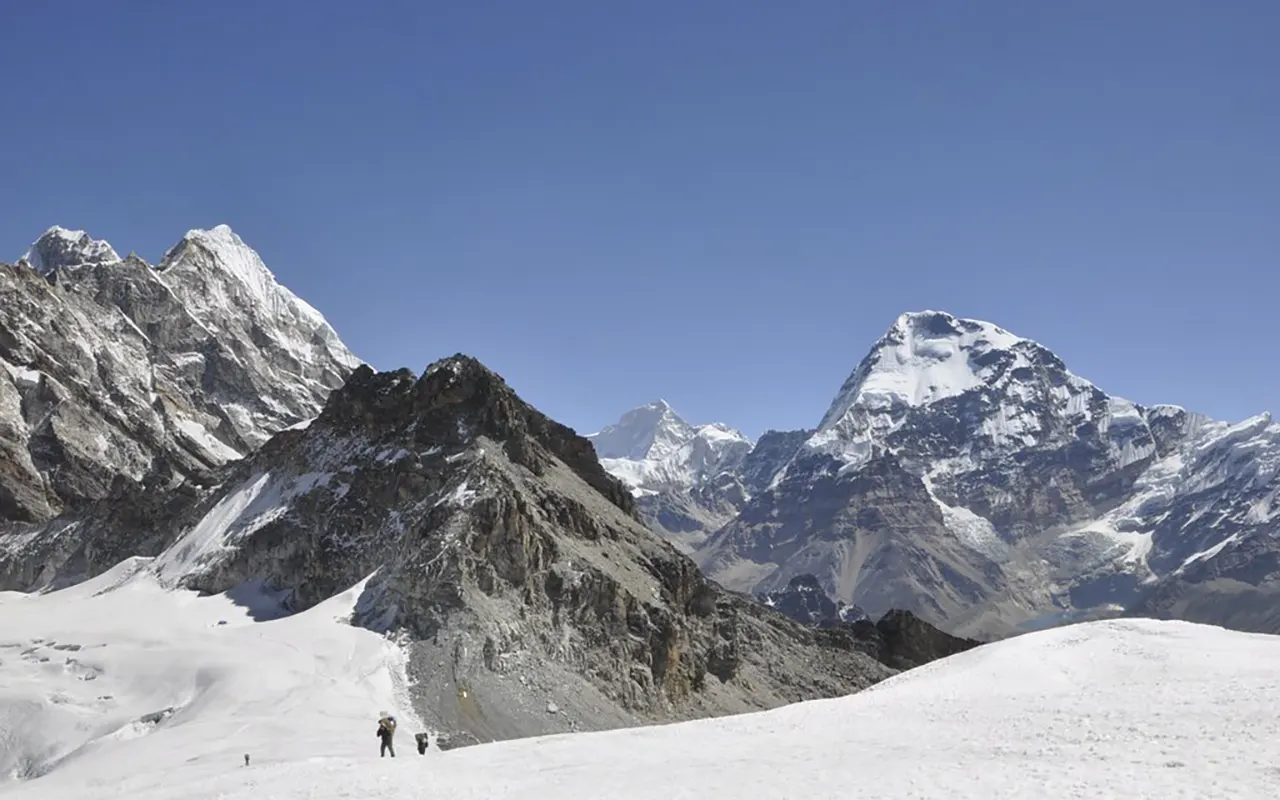
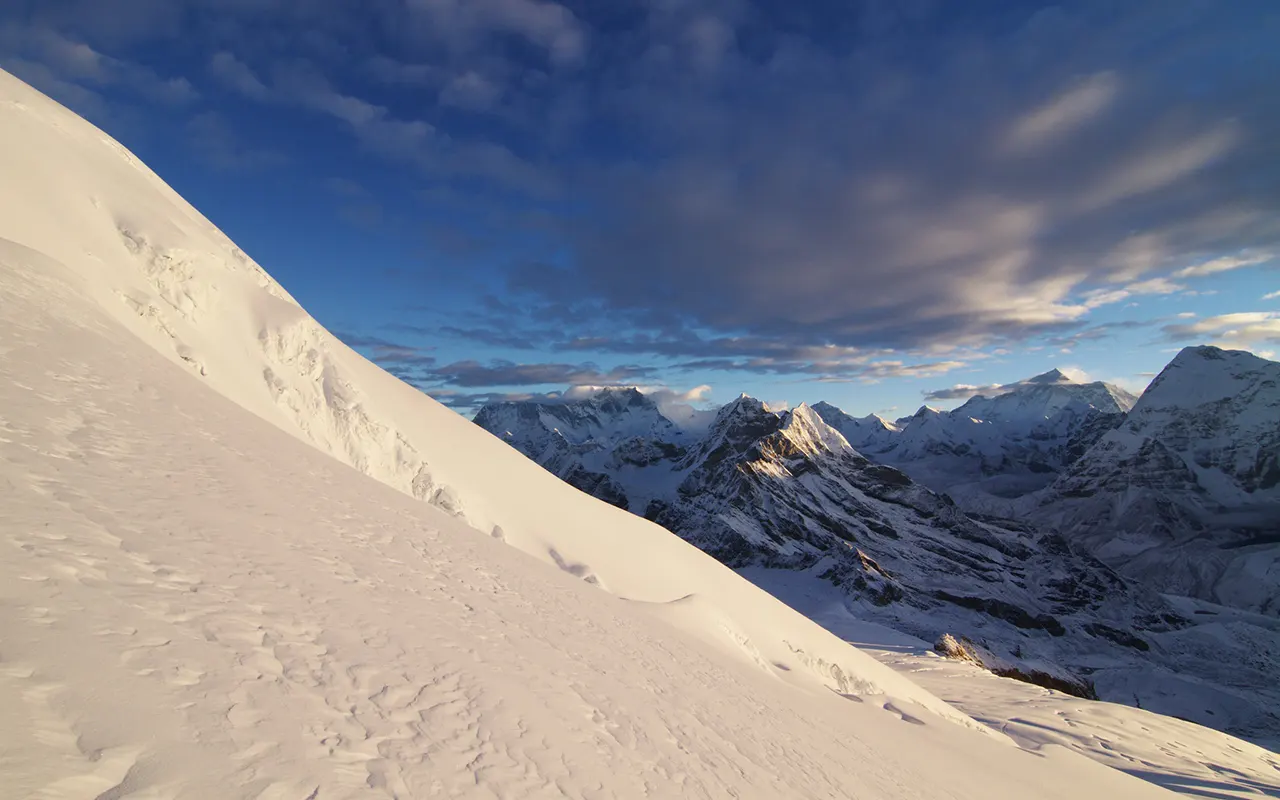
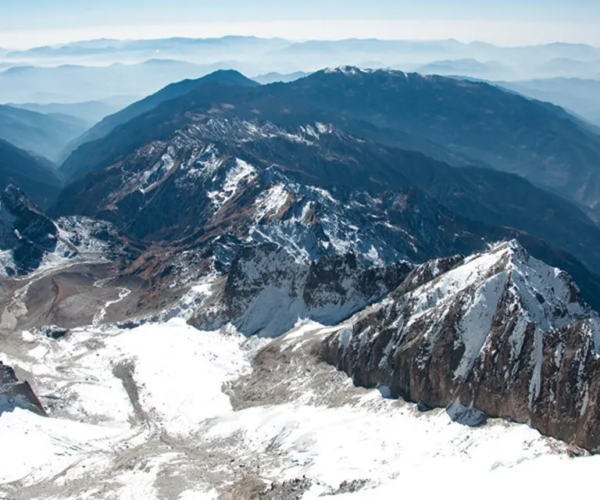
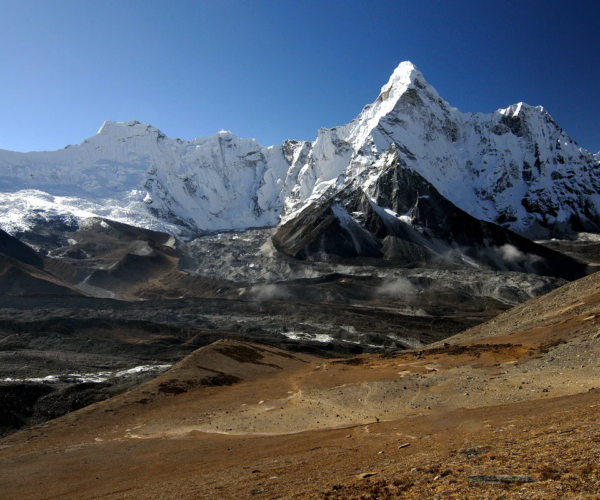
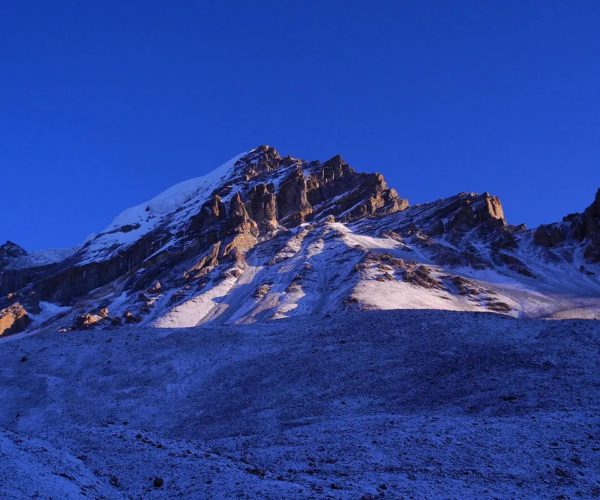
The path slowly leaves wooded hills and heads into the alpine landscape, glaciers and high mountain ridgelines. The main prep day is Khare, followed by an acclimatisation/day of training.
At High Camp, the summit attempt begins early and climbers head out to Khare after the ascent. The package is then returned by helicopter. The supplied package itinerary is based on this 12-day expedition structure up until the last day of departure.
Mera Peak Elevation Profile and Altitude Gain
| Location |
Elevation |
| Kathmandu |
1,320 m (4,330 ft) |
| Lukla |
2,840 m (9,318 ft) |
| Panggom |
2,804 m (9,200 ft) |
| Ningsow area |
2,863 m (9,393 ft) |
| Chhatra Khola |
3,122 m (10,243 ft) |
| Kothe |
3,600 m (11,811 ft) |
| Thangnag |
4,358 m (14,298 ft) |
| Khare |
5,045 m (16,552 ft) |
| Training ridge |
5,350 m (17,552 ft) |
| Mera La |
5,415 m (17,766 ft) |
| High Camp |
5,780 m (18,963 ft) |
| Mera Central |
6,461 m (21,198 ft) |
The journey from Lukla past the Hinku Valley sees a steep ascent. The route is then designed to climb up slowly after arriving in the mountains instead of climbing up right away.
The route gets the greatest changes after Kothe, passing through Thangnag, Khare and High Camp. At Khare, climbers spend an acclimatisation day where they are trained and are free to climb further on an optional hike before attempting the summit.
The highest spot on the tour is the summit at 6461m (21198 ft). You all should take into account that everyone is affected differently by the altitude, so it is more important to be able to reach the stages comfortably rather than at the same speed.
Mera Peak Climbing Difficulty and Technical Requirements
| Factor |
What to expect |
| Trekking |
Several days of 4 to 8 hours |
| Altitude |
Summit above 6,400 m |
| Terrain |
Forest, rock, moraine, snow and glacier |
| Physical demand |
High |
| Technical skills |
Basic mountaineering skills required |
| Equipment |
Crampons, ice axe, harness and climbing rope |
| Summit start |
Around 2:00 am |
| Previous experience |
Helpful, but proper preparation is essential. |
Mera Peak climbing is not a normal trekking trip but a serious high-altitude climbing expedition. This is done through the use of long walking days, repeated ascents and descents and increasingly rough terrain. The top portion brings snow, ice, glacier travel and very cold weather.
Overall, the route is thought to be less of a challenge than many different peaks in the higher elevations of the Himalayas, but due to the altitude, the hike will prove to be a challenge. Experience in mountaineering is an asset, but so are fitness, acclimatization and proper instruction.
The climber should have the ability to walk for several hours and to use technical equipment, as supported by a qualified climbing guide.
Physical Fitness and Training for Mera Peak
This climb requires good physical preparation before climbing. You should be able to walk uphill for several hours without becoming excessively tired. Regular hiking, stair climbing, cycling, running and other cardiovascular activities can help build endurance.
Legs, hips and core should be the areas of focus when strength training. These workouts can be good preparation: squats, step-ups, lunges and walking uphill in a controlled manner. You can also rehearse using a light backpack so your body can get used to carrying personal gear for the hike.
The amount of preparation time is several weeks to a few months, depending on your current fitness level. Add extra walks during the weekends and then build up the distance and elevation.
No amount of physical fitness will help to avoid altitude sickness which should be trained along with slow acclimatization and reasonable timing. You will also be checked on by your guide during the expedition.
Acclimatization Strategy and Rest Days during Mera Peak Climbing
It is crucial to acclimatize yourself along the Mera Peak Climbing Itinerary, since the journey eventually takes you to altitudes higher than 6,000m. As the oxygen available to the body decreases with elevation, the body must adapt.
There’s an acclimatization and training day at Khare as part of the program. On this day, you will be able to rest, practise your climbing and make a controlled ascent towards a higher ridge before heading back to the lodge. This training is scheduled to be done at approximately 5,350 m (17,552 ft).
Acclimatization is not just for a day off. Adjustment is aided by light activity at altitude, appropriate hydration, nutritious food and plenty of sleep.
The guide may suggest that a climber rest, acclimate or descend if their symptoms are severe at altitude. Never compromise health and safety for the summit.
Altitude Sickness, Symptoms and Emergency Response
At high altitudes, the body may not be able to adjust to the lower oxygen levels, causing altitude sickness. Headache, nausea, dizziness, unusual tiredness, loss of appetite and disturbed sleep are all possible symptoms.
If the symptoms are mild, report them to the guide and do not conceal them. It can be dangerous to proceed up the steps as symptoms worsen. Signs that are more serious include difficulty breathing, confusion, not being able to walk normally or extreme weakness.
On Mera Peak Climbing, guides ensure climbers’ safety in the upper zones and can choose to rest, descend or get medical help. When serious altitude sickness is suspected, it is important to descend in elevation.
3A Adventure should explain the emergency procedures. It is important to know that helicopter rescue is dependent on weather, visibility, aircraft availability and aviation safety conditions.
Mera Peak Climbing Equipment and Gear Checklist
| Equipment category |
Recommended items |
| Clothing |
Base layers, fleece, insulated jacket and waterproof shell |
| Hands |
Inner gloves, warm gloves and waterproof outer gloves |
| Head |
Warm hat, sun hat and neck protection |
| Feet |
Mountaineering boots, trekking socks and spare socks |
| Climbing |
Crampons, harness, helmet, ice axe and ascender |
| Protection |
Sunglasses, glacier glasses and sunscreen |
| Sleeping |
Warm sleeping bag and sleeping liner |
| Personal |
Water bottles, headlamp, toiletries and medication |
| Electronics |
Phone, camera, power bank and spare batteries |
Personal equipment should be inspected prior to departing Kathmandu. The equipment inspection is actually part of your itinerary and you will have the chance to purchase or rent gear prior to your trip.
Personal climbing equipment is generally the personal responsibility of the climber, although some technical climbing equipment might be provided by the expedition operator. Please verify the final equipment list with 3A Adventure prior to departure.
Above Khare, warm clothing is of special importance, as night temperatures can drop suddenly. The correct mountaineering boots, gloves, eye protection and sleeping bag should never be a luxury.
Pre-climb Mountaineering Training at Khare
Training day at Khare is to prepare climbers for the practical aspect of the summit climb. It occurs following the approach trek and takes place at high altitude.
The climbing guide explains how to use equipment such as crampons, an ice axe, a harness and a climbing rope. The climber can practise basic movements and how to move safely on snow and ice.
The training also allows the guide to determine the level of comfort that each person has with the equipment. This is especially helpful for climbers with little or no previous mountaineering experience.
You will be taking a training hike toward about 5350m (17552ft) depending on conditions and the physical fitness of the group.
It’s not just the sightseeing; it’s to practice. Climbing with confidence and efficiency in the summit attempt comes from good instruction.
Mera Peak Summit Day: What to Expect
The Summit day of the Mera Peak Expedition is the toughest. Your itinerary is for a climb to begin at about 2:00 am from High Camp so the team can ascend at an early time when the weather is cooler and the conditions are generally more stable.
You will prepare your equipment, have an early meal and start walking with a headlamp. The trail goes through glacier country and slowly ascends to the top. The faster the ascent, the more oxygen is available in the air and the higher the elevation, the lower the pace.
The final section can be steep and your guide may depend on a fixed rope for this section when necessary. The group arrives at Mera Central (6461 m/21198 ft) and starts descending.
After spending the night at High Camp, the trek descends to Khare where they will stay another night and enjoy a meal. The entire hike to the summit is demanding and requires careful pacing, close listening to the guide’s directions and endurance.
Mera Peak High Camp and Summit Logistics
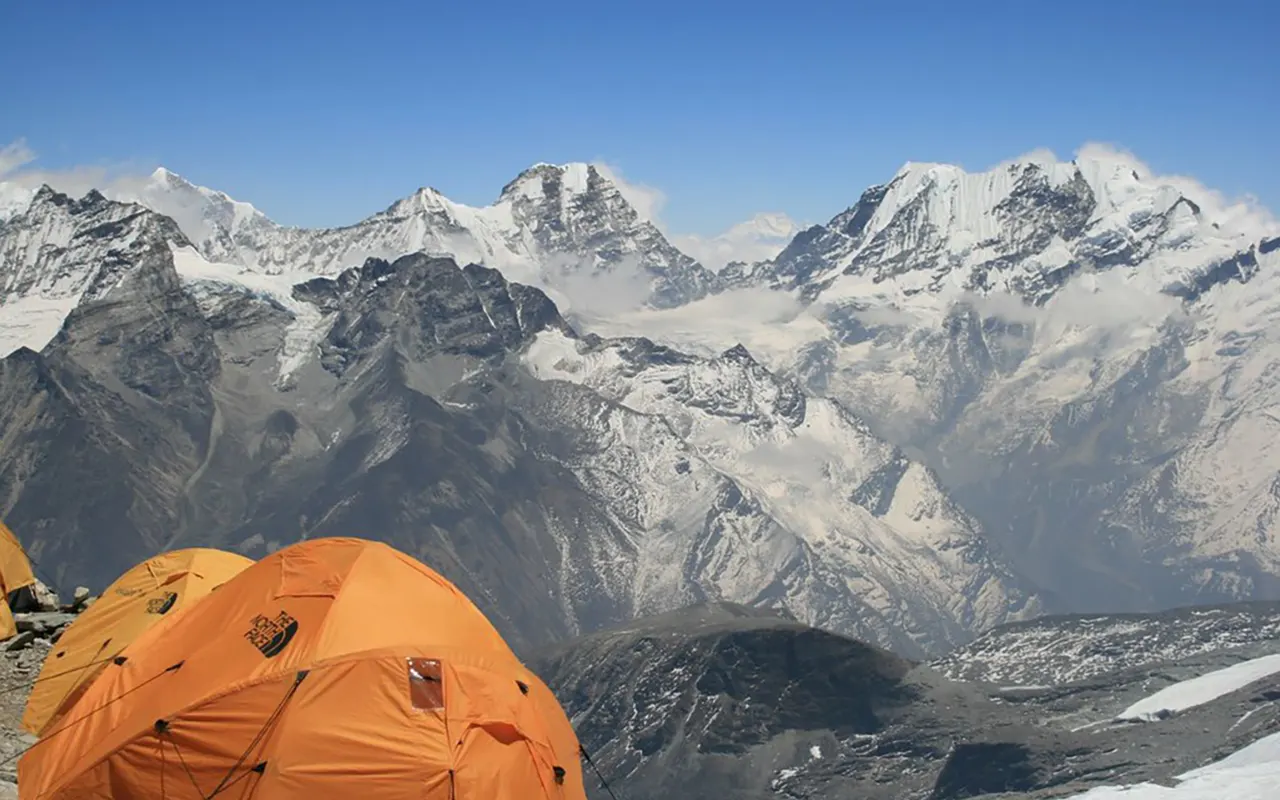
High Camp is the last night camp before the summit attempt. The camp is located at 5,780 m (18,963 ft) and the facilities are much less developed than those in Kathmandu or the lower trekking villages and the temperatures are much colder.
Much of the evening at High Camp is about rest and getting ready. Climbing equipment should be tidied up the night before for an early start the following morning. Personal clothing, gloves, headlamp, water and personal climbing equipment should be readily available.
The team usually gets up very early as the day at the summit is long. Prior to departure, weather and route conditions are assessed and if deemed unsafe, the plan may be modified by the climbing guide.
High Camp is described in the itinerary as the overnight location before the summit and breakfast, lunch and dinner are included in the arrangements for the expedition.
Glacier Travel and Rope Safety on Mera Peak
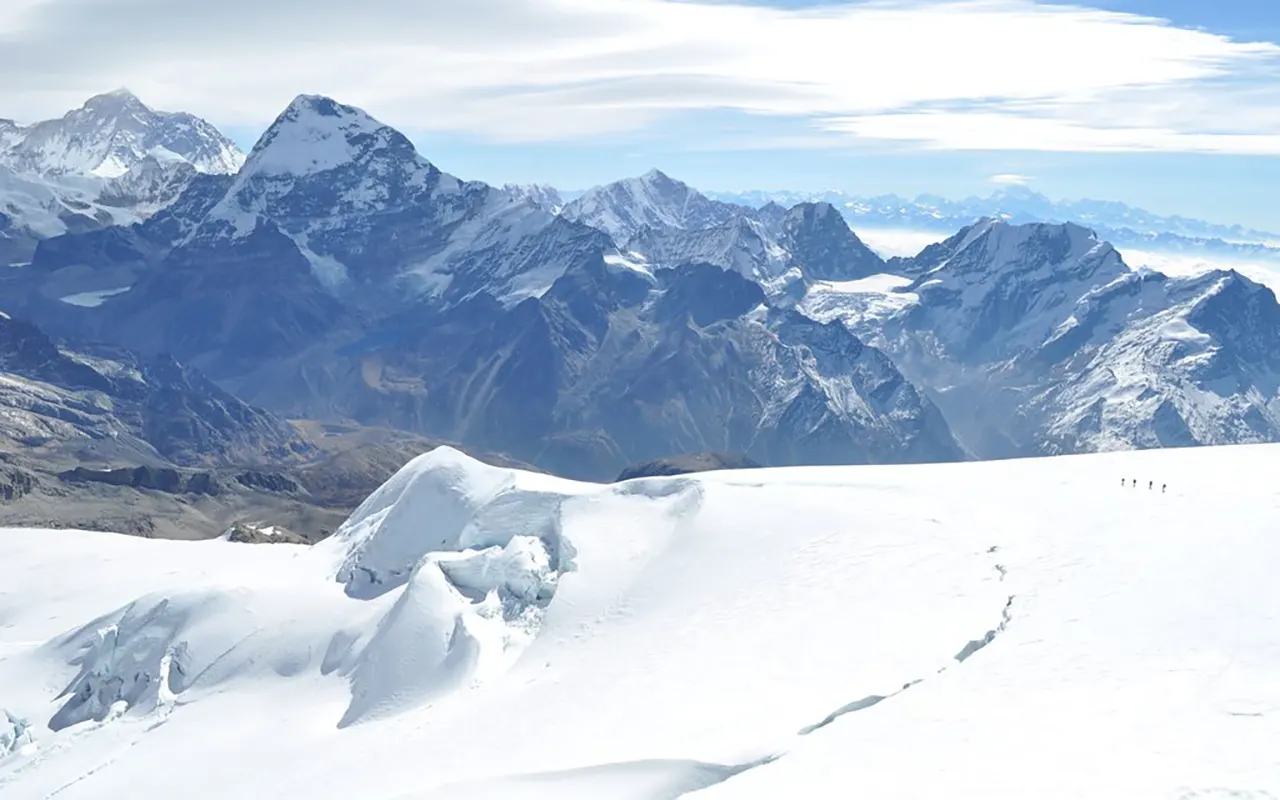
The Mera Peak Expedition has a rocky and glacial upper section to the trek. The route is not always the same from one season to the next as conditions may vary with the amount of snow, glacier temperature and seasonal glacier movement.
Crampons are used for snow and ice; the harness and rope system are used when the guide feels they are needed. It is important for climbers to follow the guide’s instructions carefully and to keep the correct distance from each other when climbing in a group.
The path may be traversed over crevassed areas, especially in the upper areas of the glacier. That’s why climbers should not move solo or without permission off the route.
Participants will be given the chance to practice the basics of the higher part of the climb at Khare.
Rope usage, route selection and movement should be determined by the conditions by a qualified climbing guide.
Weather Month to Month and Best Season for Mera Peak Climbing
| Month |
Typical conditions |
Suitability |
| January |
Very cold, snow and winter conditions |
Difficult |
| February |
Cold with winter conditions at high altitude |
Difficult |
| March |
Improving conditions, cold nights |
Good |
| April |
Stable spring weather and good visibility |
Very good |
| May |
Generally suitable before monsoon conditions increase |
Good |
| June |
Increasing rain and cloud |
Less suitable |
| July |
Monsoon rain and cloud |
Poor |
| August |
Monsoon conditions continue |
Poor |
| September |
Weather begins improving |
Good |
| October |
Generally stable autumn weather |
Very good |
| November |
Clear, cold and generally stable |
Very good |
| December |
Cold and increasing winter conditions |
Difficult |
Mera peak climbing is usually done in the spring or autumn seasons when the weather is more conducive to high altitude trekking and climbing. Other sources of mountain forecasting call September, October and November good months for climbing.
High altitudes still have the potential for sudden changes in weather conditions. This can also be affected by strong winds, snow, clouds and low visibility even in the best of seasons.
Summer is a time that is affected by the Nepal monsoon and the winter season is much colder. Always make the final climbing call based on the weather, conditions on the route and guide’s assessment.
Mera Peak Climbing Permits and Required Documents
As compared to a normal sightseeing trip, a lot more documentation is required for a climbing expedition. The necessary arrangements may consist of a Nepal entry visa, climbing permission, local/protected area permissions, passport information and other expedition documents.
The Department of Tourism is in charge of the mountain climbing permit system in Nepal and provides the latest information on mountain climbing royalty and permits. There are permits to be purchased, depending on the height of the mountain and the season; always check up-to-date permit costs before you book.
3A Adventure will make all necessary permits and paperwork for the expedition. Passport details and/or documents requested before travel should be supplied correctly.
Take your passport and copies and/or digital copies of critical travel documents. Permit documents may also be required to be carried by your climbing team for checking at the appropriate checkpoints during the trek.
Travel Insurance and High Altitude Helicopter Evacuation
Since the Mera Peak Expedition is above 6,000 m, travel insurance is an important requirement. The standard travel policy may not necessarily contain specific provisions for peak climbing, high altitude activities or helicopter evacuation.
Please ensure that your policy explicitly includes mountaineering/peak climbing at the highest elevation of your expedition before you set off. It should also offer immediate medical care, hospitalization and helicopter transport if necessary.
Make sure the insurance company specifies the maximum altitude covered. This is important as there are some trekking policies which have lower altitude limits which are not enough for Mera Peak.
Have policy number and emergency contact numbers easily accessible during the journey. 3A Adventure will coordinate emergency responses and may be able to help with reimbursement, but insurance coverage and approvals still apply to the insurance policy you have.
Helicopter Flight to Lukla and Return from Khare
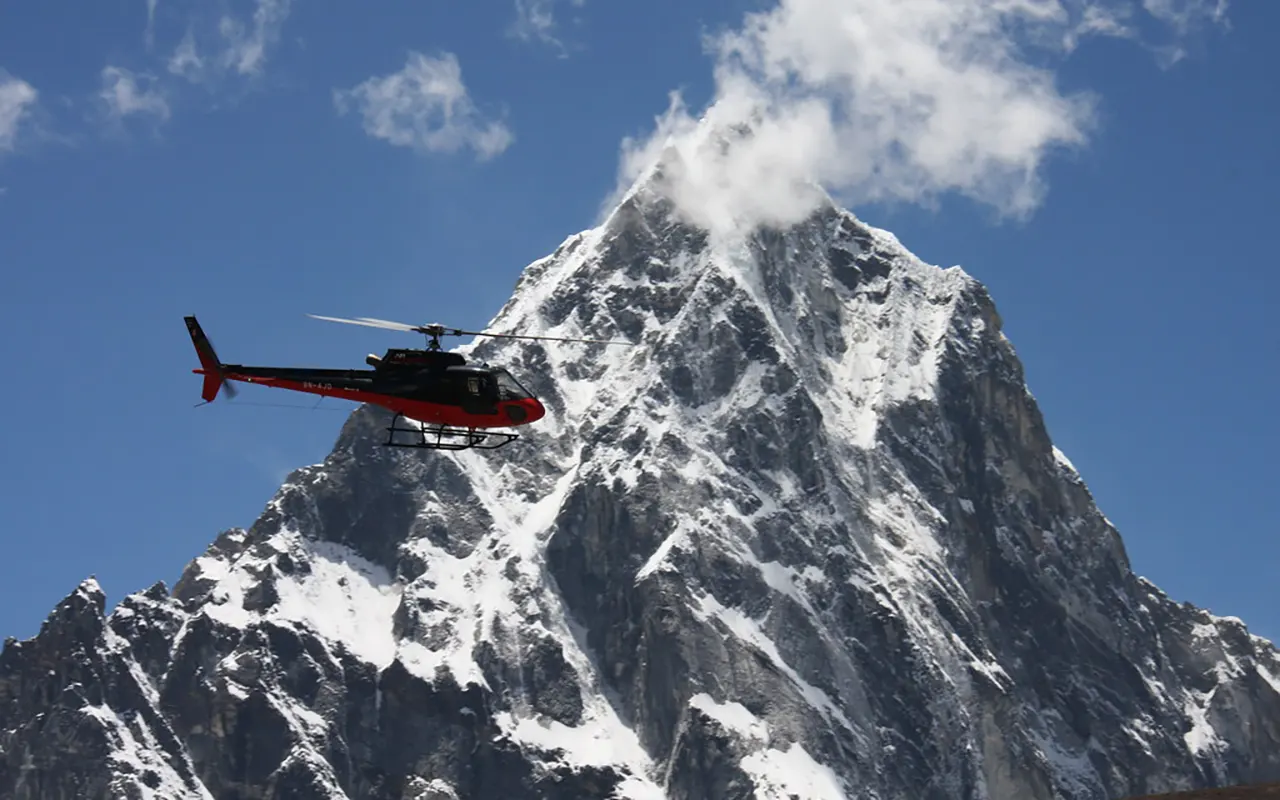
The helicopter is a key component of this deal. The expedition starts with a group helicopter flight from Kathmandu to Lukla and then the walk towards Paiya and the Mera Peak area.
The return trip is also a flight in a helicopter. Upon reaching the top of the mountain and coming down to Khare, the helicopter ferries the group to Lukla and then on to Kathmandu, as agreed. Your provided itinerary states that the helicopter trip from Khare to Kathmandu via Lukla is about an hour.
Weather, visibility, wind and aviation safety are all crucial factors in mountain helicopter operations. Even if the route is predetermined, delays can still occur.
Helicopter operating limits apply to baggage weight. Discuss with the operator before leaving the plane the size and weight of the luggage.
Accommodation from Kathmandu to Mera High Camp
The accommodation varies greatly along the way as it rises in elevation.
| Location |
Accommodation |
General facilities |
| Kathmandu |
Hotel |
Private room, bathroom and standard hotel facilities |
| Lukla to lower villages. |
Lodge |
Basic rooms and communal dining |
| Kothe |
Lodge |
Simple mountain accommodation |
| Thangnag |
Lodge |
Basic rooms and shared facilities |
| Khare |
Lodge |
Basic high altitude lodge |
| High Camp |
Tented or expedition accommodation |
Very limited facilities |
Your program includes the accommodation in Kathmandu, the accommodation during the trek and High Camp is included as the overnight climbing stage.
The facilities get simpler as higher altitudes are reached. Rooms are typically basic and bathrooms are shared and heating is only available in more central parts. At High Camp, there is no lodge; it’s a much simpler setup.
Therefore, the climbers are advised to expect cold nights, less electricity and fewer personal facilities during the top part of the climb.
Food, Drinking Water and Nutrition at High Altitude
During Mera Peak Climbing, proper nutrition and hydration are essential since the body requires a lot of energy to walk around and climb on the mountain.
Foods eaten on the trekking trail often consist of dal bhat, rice, noodles, soup, potatoes, pasta, eggs, porridge and other basic fare. Food choices normally become more limited as the route reaches higher elevations.
Don’t wait until you’re thirsty to drink water. Boiled water, treated water or properly filtered water are good options. Taking reusable water bottles as alternatives to plastic bottles helps to limit plastic waste.
On long walking days and when attempting the summit, high-calorie snacks may be helpful. Light snacks like energy bars, dried fruit and nuts are good options.
During the core trekking and climbing days, you will have breakfast, lunch and dinner.
Emergency Rescue and Evacuation Plan
Emergency planning is an important part of a high altitude expedition. In the event of a climber becoming seriously ill or injured, the initial response may be to halt the climb and administer basic assistance, if appropriate, while lowering to a safe altitude.
The guide should evaluate and talk with the support team. Helicopter rescue may be considered for this evacuation depending on weather, visibility, aircraft availability, location and aviation safety.
The Mera Peak Expedition is a remote mountaineering expedition, for which rescue is not always possible. This is why it’s important for climbers to have appropriate insurance and make intelligent decisions as they make their way up the climb.
3A Adventure will liaise with the local support team and relevant rescue services, if necessary. But in all circumstances, helicopter evacuation is not assured. Flights can be canceled due to strong winds, clouds, snowfall or poor visibility and the final decision is made by the aviation and rescue units.