Tourism License: 1455
notification-icon

Unbeatable Holiday Offers – Save Up to 20% on Your Next Adventure!

divider-1

Everest Panorama Trek – 7 Days

Based on 27 reviews

duration-icon

Trip Duration

7 Days
difficulty-icon

Trip Difficulty

Moderate
altitude-icon

Max Altitude:

3,880m. / 12,730ft.
group-size-icon

Group Size

2 to 25 person
best-season-icon

Best Season

Autumn, Spring
meals-icon

Meals

Breakfast, Lunch, Dinner
accommodation-icon

Accommodation

Teahouse/ Hotel
transportation-icon

Transportation

Tourist Bus

Overview and Highlights of Everest Panorama Trek – 7 Days

The Everest Panorama Trek is a 7 day trek through the lower Everest region, featuring mountain views, Sherpa culture and visits to some of the most significant settlements in the Khumbu Valley. The trek is ideal for those who wish to go beyond Namche Bazaar without embarking on an extended journey and is a must for anyone wanting to see the traditional village of Khumjung.

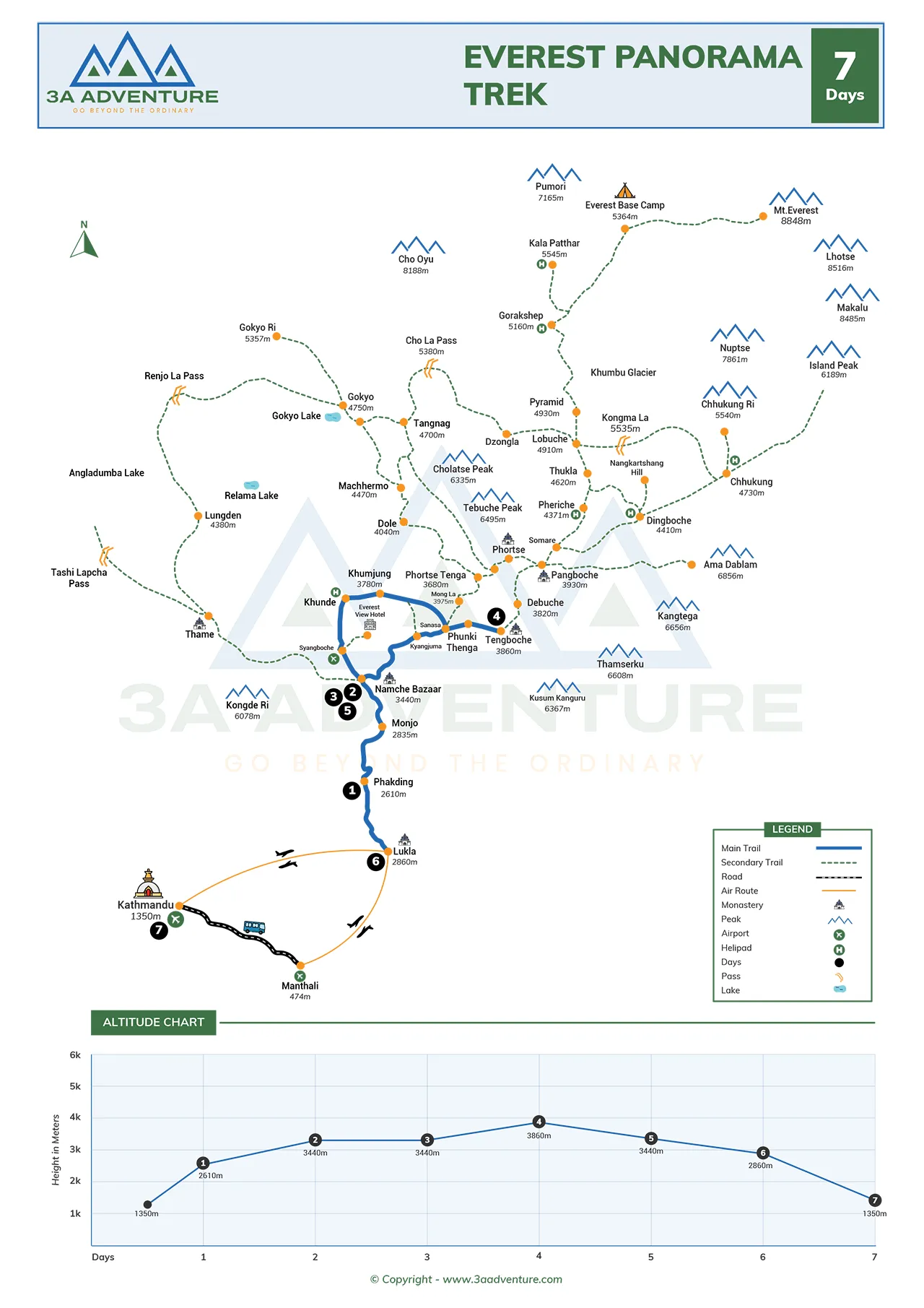
From there, the trek takes you to Lukla, past Phakding and on to the commercial hub of the Khumbu region, Namche Bazaar. An acclimatization day in Namche is designed to allow you to acclimatize to the altitude and experience the area around you and understand the local culture. The way then heads towards Tengboche, where the terrain is more open and views of the mountains start to be more noticeable.

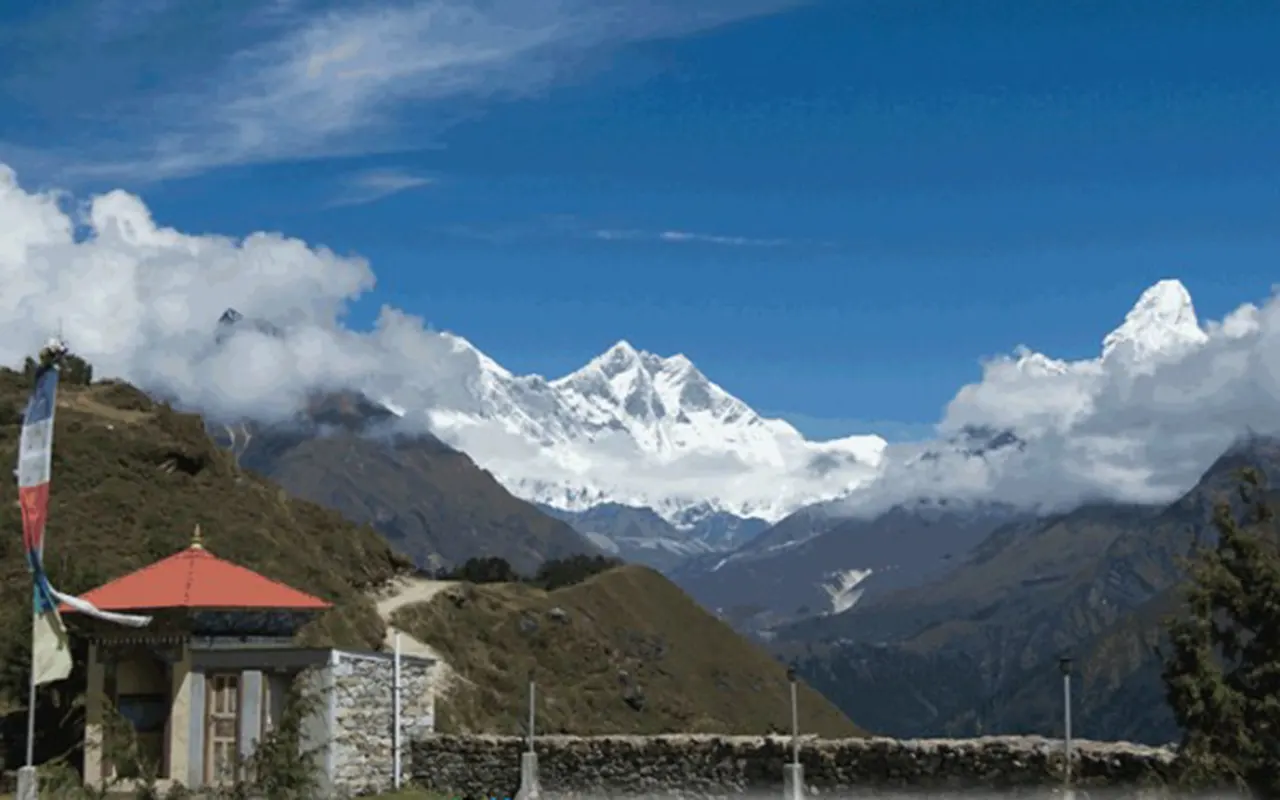
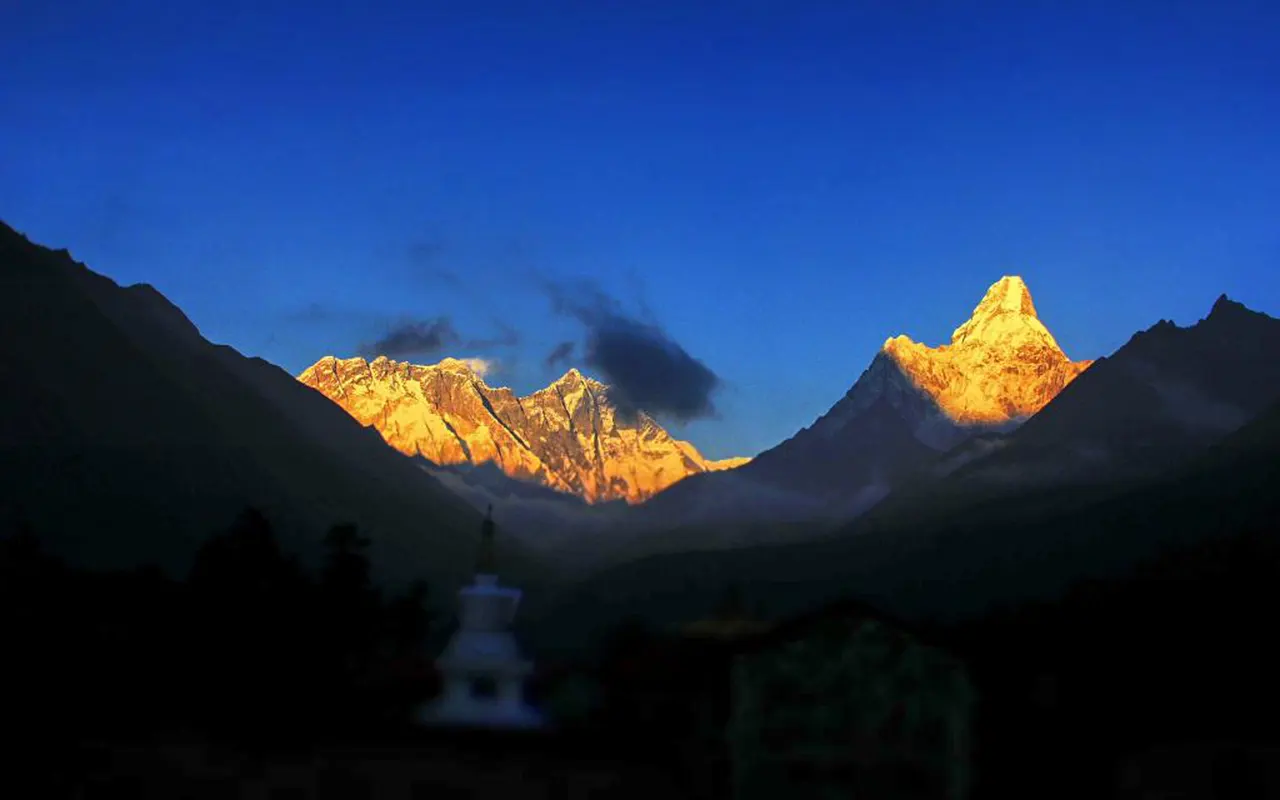
Tengboche is best known for Tengboche Monastery, the largest monastery in the Everest region. Located in a scenic setting, the monastery is surrounded by peaks including Everest, Ama Dablam, Lhotse, Nuptse and Thamserku. The route combines mountain scenery with cultural experiences, making it a popular destination for trekkers.

Unlike shorter treks that return directly after reaching Namche Bazaar, this route allows more time to explore the Everest region on foot. Visitors can explore forests of pine and rhododendron, cross suspension bridges and head down traditional mountain trails, which bring into focus the landscapes and communities of the Khumbu Valley. This slow pace of the journey also means that the trekker can enjoy the trip without having to rush from one destination to the next.

On the way back, pass through Khumjung Village, a traditional Sherpa village above Namche Bazaar. The stone houses, cultivated fields and local monasteries offer glimpses into daily life of the Khumbu region. Khumjung is also a cultural experience, as it is a different route from the main Everest Base Camp trek and allows visitors to experience another side of Sherpa society.

The accommodation on the Everest Panorama Trek Package is in local lodges and teahouses. The trail is not too high, at a maximum elevation of under 4,000m and is an ideal trail for people with a moderate level of fitness. Generally, spring or autumn is the best time to visit as the weather is stable and the mountain views are clear. At 3A Adventure, we organize this trek with experienced guides, comfortable teahouse accommodation and all necessary permits to help you explore the Everest region with confidence.

Trip Highlights

  • Visit the main Sherpa town of the Khumbu region, Namche Bazaar.
  • Visit Tengboche Monastery, the largest monastery in the Everest region.
  • Explore the old Sherpa village of Khumjung.
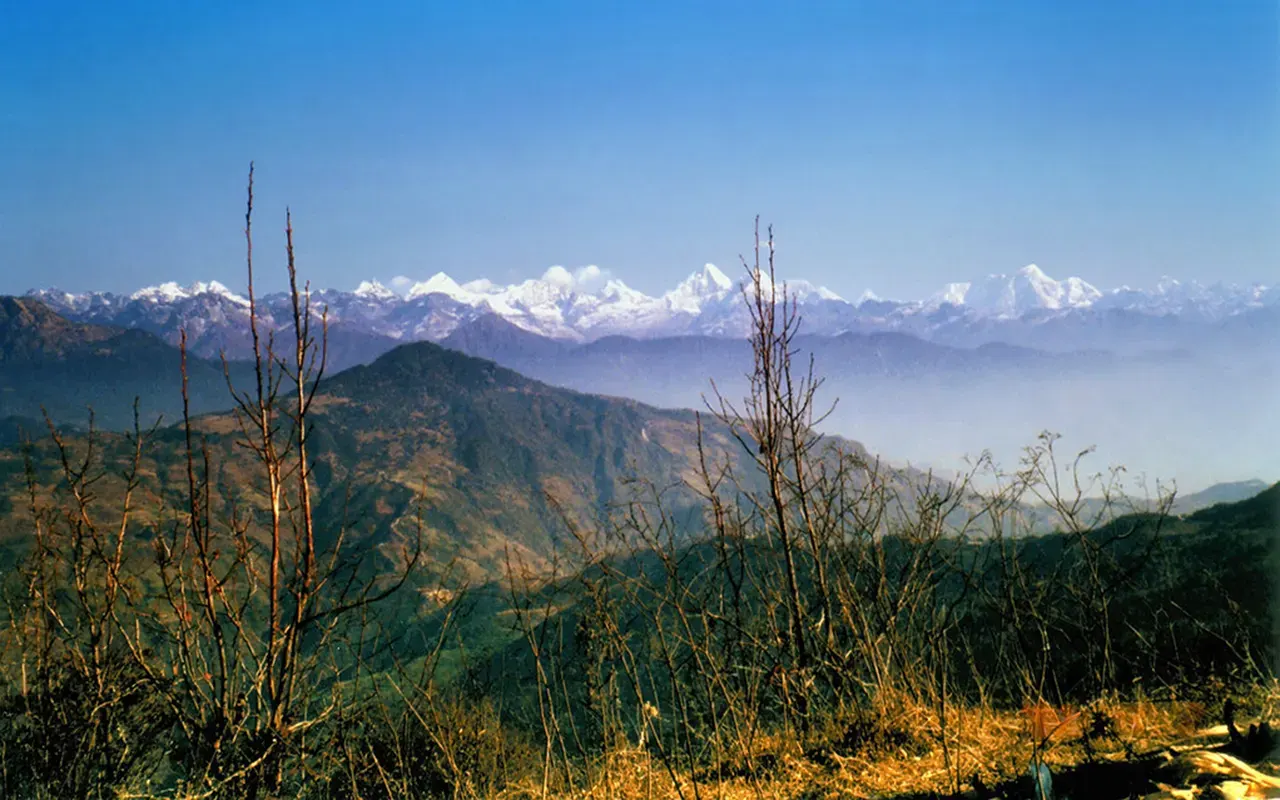
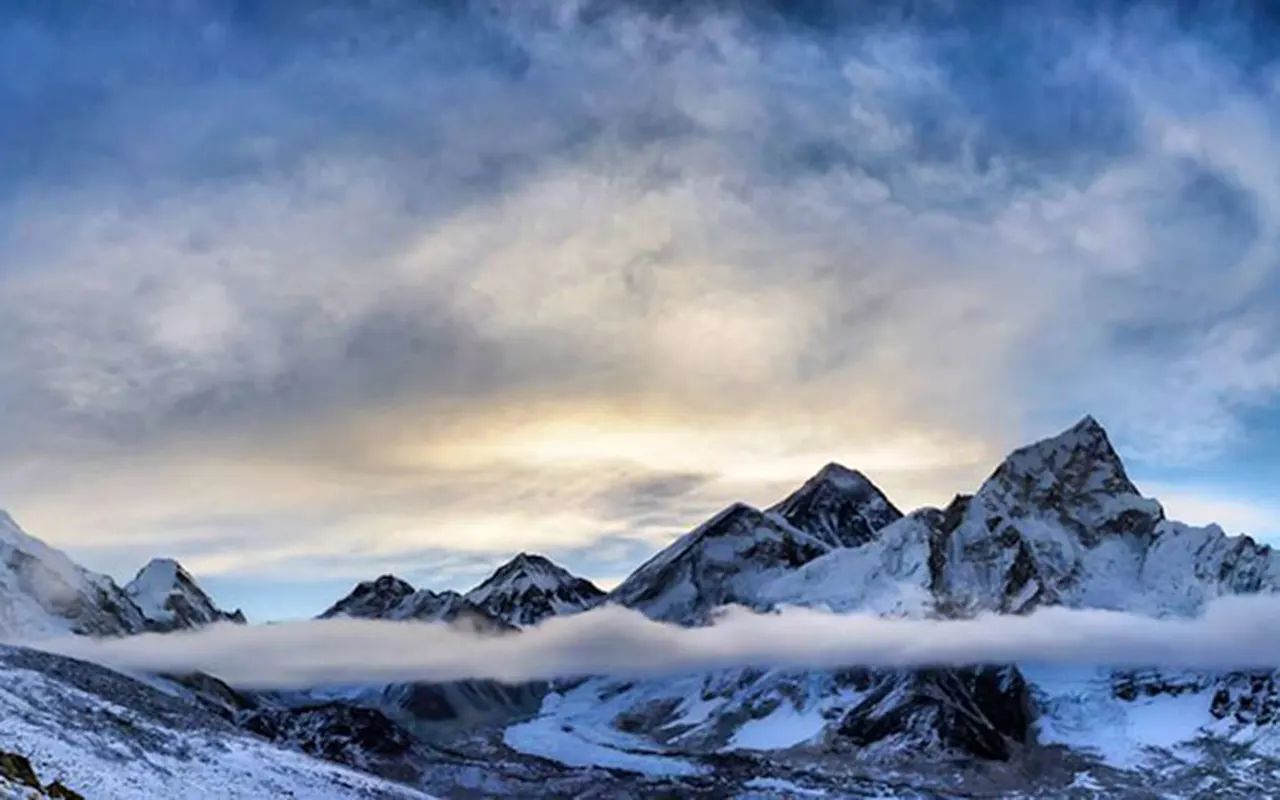
  • Enjoy the views of Everest, Ama Dablam, Lhotse, Nuptse, Thamserku and other peaks.
  • Take an acclimatization day in Namche Bazaar to settle into your new surroundings.
  • Take forest trails in Sagarmatha National Park.
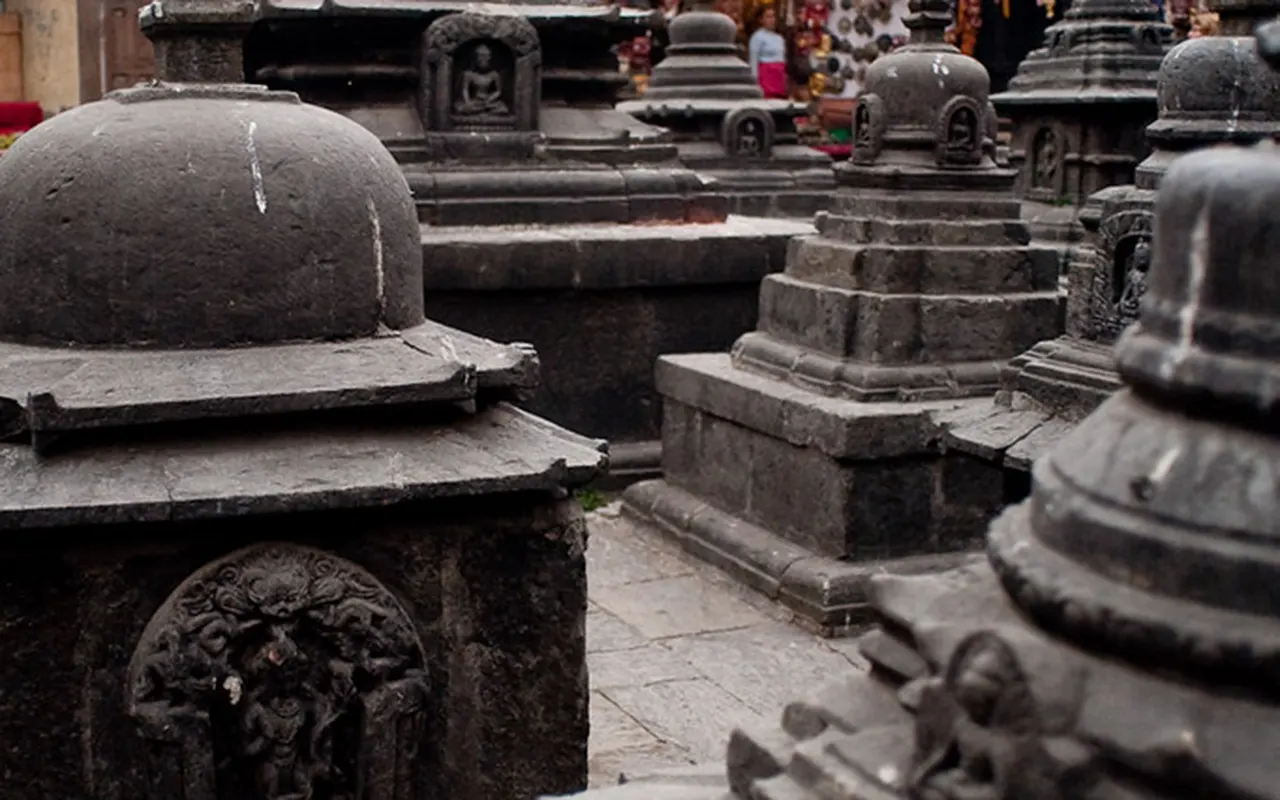
  • Enjoy local culture by visiting monasteries, mani walls, chortens and prayer wheels.
  • Scenic Mountain Flights from Kathmandu/Manthali to Lukla.

Everest Panorama Trek – 7 Days Itinerary

itinerary-icon

We will depart from Kathmandu or Manthali in the morning and land in Lukla from where we will start our trek to Phakding. The route follows a gentle trail through small Sherpa villages and alongside the Dudh Koshi River for most of the day. We will cross several suspension bridges and then pass prayer wheels, mani stones and cultivated fields and then enter the villages of Chheplung, Ghat, and Toktok.

This relatively short walk affords time to acclimate to mountain conditions and enjoy the scenery in the lower Khumbu region. After arriving at Phakding, we will stay in our teahouse and get ready for the trek to Namche Bazaar.

activity-small

Activity: Flight to Lukla and trek to Phakding

altitude-small

Max. Altitude: 2,860m/9,383ft. (Phakding Phakding )

meal-small

Meal: Breakfast, Lunch, Dinner

accommodation-small

Accommodation: Teahouse


note-icon

Note:

If you have a private group and prefer a personalized experience, we can organize a custom trip tailored to your requirements and group size, running it any day you choose.

Plan a Private Trip

Includes & Excludes

What are included with package?

Transportation

  • Domestic flights from Kathmandu/Manthali to Lukla (depending on trekking season and airport operations), both ways
  • Ground transfer between Kathmandu and Manthali when flights operate from Manthali, both ways

Food and Accommodation

  • Breakfast, lunch, and dinner throughout the trek
  • Cup of tea 3 times a day
  • Fresh seasonal fruits
  • Accommodation during the trek in lodges/teahouses (twin-sharing basis)

Guide and Support Staff

  • Licensed, English-speaking trekking guide
  • Porter service for luggage (one porter for every two trekkers)

Permit and Expenses

  • Sagarmatha National Park Entry Permit
  • Khumbu Pasang Lhamu Rural Municipality Permit
  • All local and government taxes
  • All wages, meals, insurance, accommodation, and necessary equipment for guides and porters

Medical and Gear

  • First-aid kit with an oximeter for altitude monitoring
  • Assistance in arranging emergency evacuation in case of severe illness or injury (evacuation costs must be covered by your travel insurance)
  • Duffel bag for packing (to be returned after trip)
  • Free luggage storage in Kathmandu

Others

  • Farewell dinner in Kathmandu
  • Certificate of Appreciation
  • Cap and T-shirt with our company tag

What are not included with package?

International Flights and Visa

  • Round-trip international airfare to/from Nepal
  • Nepal entry visa fees (on arrival at airport)

Food and Accommodations

  • Extra nights in Kathmandu or Lukla caused by flight delays, early return, or late departure
  • Meals in Kathmandu (except farewell dinner)
  • Snacks and extra meals during the trek
  • Any hotel stays in Kathmandu before or after the trek

Travel and Medical Insurance

  • Comprehensive travel and medical insurance including high-altitude evacuation

Other Expenses

  • Alcoholic and non-alcoholic beverages, bottled water, coffee, hot chocolate, etc.
  • Wi-Fi, hot showers, battery charging, laundry, and other personal expenses along the trail
  • Trekking gear and clothing (boots, sleeping bag, down jacket, poles, etc.)
  • Unexpected expenses due to weather, flight cancellations, strikes, or natural causes
  • Tips for guide, porter, and support staff

Trip Information

Weather and Best Season for Everest Panorama Trek

Trekking in the Everest region is best done in the spring and autumn seasons. In the spring (March-May) temperatures are relatively mild, and rhododendron forests along the trail begin to bloom. When the sun is shining these mornings, you can see the mountains around you clearly and it’s a nice time for trekking.

The Everest Panorama Trek can also be done during autumn season (September to November). After the rainy season, the visibility is often good and the trails are dry. It is a stable time with great weather and mountains.

During winter (December to February), temperatures are colder, especially at higher elevations around Tengboche. During the monsoon season (June to August), rain, cloud cover and poor visibility are common, and flight delays or cancellations may occur. The spring or autumn season are the best time for the Everest Panorama Trek Package with the most dependable weather and trekking conditions.

Everest Panorama Trek Difficulty Level

The trail is rated as moderate and will work for a beginner with an adequate fitness level. The walking time is usually five to seven hours per day, both going up and down hill along mountain trails.

The hard part of the Everest Panorama Trek is the climb from Phakding to Namche Bazaar, where the ascent is quite steep. There are also a few climbs and descents along this trail that will require some effort.

Despite these challenges, no technical climbing skills or mountaineering experience are required. With proper preparation, pacing and rest, those who join the Everest Panorama trek package have a good chance to follow the trail comfortably.

Altitude Sickness (AMS)

Even on shorter treks in the Himalayas, altitude sickness can be a problem for those who are above 2500m. Common symptoms are headaches, dizziness, tiredness, nausea and problems with sleep. It is important to be aware of these signs at an early stage to ensure a safe trek.

Before arriving at the height of Tengboche, there is acclimatization day in Namche Bazaar which helps the body to acclimatize before heading to higher altitudes. Drinking enough water, exercising at a comfortable pace and not overexerting yourself can minimize the risk of developing altitude related issues.

Although the Everest Panorama Trek remains below 4,000m, altitude should still be taken seriously. The Everest Panorama Trek Itinerary includes the acclimatization plan, which helps to minimize the dangers involved in the trek and also make it more comfortable.

Preparation and Fitness

A moderate level of fitness is recommended for this trek. You do not need any prior trekking experience to do this trek, but if you have regular exercise leading up to the trek, it will make it more enjoyable and comfortable.

Increasing stamina and endurance through walking, jogging, cycling, swimming and stair climbing are beneficial. Training three to six weeks before a trip can prepare the body for the daily trekking sessions.

The Everest Panorama Trek is more fun for those who are adequately prepared for the journey, especially on long walking days. With proper physical preparation, participants can fully enjoy the Everest Panorama Trek Package without any hassle while traversing the route comfortably.

Food and Accommodation

On the trek, accommodation is available in local villages with teahouses and lodges. Most rooms are very basic but clean, and have twin beds and shared bathroom. Larger settlements like Namche Bazaar may offer extra services and facilities.

Food is available at the teahouses, offering a wide range of Nepali, Tibetan and international dishes. Throughout the journey, you will find many restaurants serving Dal Bhat, noodles, fried rice, pasta, soups, potatoes, eggs and bread. There are also plenty of choices for veggies.

Food and accommodation facilities along the route are well established, with teahouses available in all major settlements visited during the trek. The Everest Panorama Trek Package includes meals and accommodation for the trekking days.

Transportation

The Everest region is accessed by domestic flights from Kathmandu or Manthali to Lukla. For quick and convenient access to the starting point of the trek, these are the fastest flights.

Flight schedules depend on weather conditions and air traffic regulations. In high trekking seasons flights are also often made from Manthali Airport rather than Kathmandu, and a road transfer is needed prior to the flight.

The transportation is an important part of the Everest Panorama trek itinerary, and is arranged based on the season’s flight operations. Please be flexible with travel plans as weather is sometimes an issue for flights to/from the mountains.

Communication

Mobile phone coverage is available in many villages along the route, although signal strength may vary depending on location and weather conditions. Generally, Nepal Telecom offers better coverage in the Everest region as compared with some other providers.

Many teahouses in Namche Bazaar and other larger settlements have internet. The connection is generally slower than in cities, and can be occasionally weak during rush hours or in rainy weather.

During the majority of the Everest Panorama Trek, most trekkers can stay in touch with family and friends. Additional communication services may also be available through teahouses included in the Everest Panorama Trek Package.

Permit

Several permits are required before entering the Everest region. These permits contribute to the conservation of the area, trail maintenance and tourism management in the local communities.

In order to enter the Sagarmatha National Park, trekkers must obtain a Sagarmatha National Park Entry Permit and a Khumbu Pasang Lhamu Rural Municipality Permit. Both documents must be carried during the trek and may be checked at designated checkpoints along the route.

Usually we will make arrangements prior to the trek for permits. The Everest Panorama Trek Itinerary involves the trekking through protected and regulated zones, and these permits are essential to the trek.

Visa

For most foreigners, a tourist visa is a mandatory requirement for the entry into Nepal. Visa are generally available on arrival at Tribhuvan International Airport, Kathmandu or at the specified land borders.

Passports should be valid for at least six months after travelling. Depending on the time of visiting, the amount of visa fee is fixed by Nepal Government.

Before joining the Everest Panorama Trek, visitors are encouraged to check the latest immigration requirements. Visitors who have reserved the Everest Panorama Trek Package may also get their general guidance from our team on the current visa procedures.

Travel Insurance

All trekkers to Everest region are strongly recommended to take travel insurance. In some instances, extra help is needed due to mountain weather or remote locations or health complications.

The policy should include medical care, emergency evacuation, trip cancellations and other unforeseen travel costs. Additionally, trekkers must check their insurance company for trekking coverage at the peak elevations on the trek.

Serious incidents are rare, but with proper coverage added to the comfort you’ll have during the Everest Panorama Trek. Travel insurance remains an important consideration for anyone booking the Everest Panorama Trek Package.

Extra Expenses

This package covers accommodation, all trek meals, permits and guide services as detailed in the inclusions section. But, trekkers should plan for their individual needs along the way.

Other fees may include hot showers, WiFi access, charging of electronic devices, bottled water, snacks, laundry services, personal shopping and tips for trekking staff. Package rates usually don’t include travel insurance or Nepal visa fees.

Knowing these costs in advance allows travelers to get a more accurate idea of the total cost of the Everest Panorama Trek. Personal spending will be different for each trekker and will depend on their preferences and needs.

Private Trek vs Group Trek

Both private and group departures are available for this route. Both choices take you down the same trail but offer all access to the main highlights of the area such as the Namche Bazaar, Tengboche and the Khumjung Village.

Group trips are a way for people to share their experience with the others in their group, and they often have reduced operational costs. A group trek provides a great opportunity for socializing with others.

A private Everest Panorama Trek offers more choices as far as travel dates, pace, and preferences are concerned. The Everest Panorama Trek Package allows travelers to choose the trek that fits their interests, schedule, and trekking style.

FAQs for Everest Panorama Trek – 7 Days

General

The acclimatizing day is designed to acclimatize your body to the higher elevations before heading up the trail further. The climb to a higher elevation and then returning to Namche Bazaar may minimize the likelihood of high-altitude issues and make the journey safer and more pleasant.

The trail passes through Sagarmatha National Park, home to a variety of Himalayan wildlife. On the way, you can see Himalayan tahr, musk deer, pheasants, Himalayan monal etc. in the mountains. There is no guarantee of wildlife sightings, but the forests around Namche Bazaar and Tengboche offer good opportunities to see the local species.

The maximum height you will reach on the trek is around 3880 meters on the acclimatisation trek above Namche Bazaar. The highest overnight stay on the trek is at Tengboche, at 3860 meters.

The trekking route offers views of Everest, Ama Dablam, Lhotse, Nuptse, Thamserku, Kongde Ri and a number of surrounding peaks on clear days. Some of the best viewpoints are found between Namche Bazaar and Tengboche.

Yes, the trek is suitable for beginners who have a reasonable level of fitness. The trail is not technical and no mountaineering or climbing experience is required.

There are many Everest View Treks that end in Namche Bazaar or Hotel Everest View. Everest Panorama trek is extended to Tengboche and the visit to Khumjung Village lets you spend more time in the Khumbu region.

Preparation & Fitness

The trek is normally done at a moderate fitness level. The trekkers should be able to trek for several hours a day on the mountain trails.

There is no need to have any previous trekking experience. However, regular walking, hiking, or other physical activities before the trip can make the journey more enjoyable.

Walking, jogging, cycling, swimming and stair climbing are beneficial activities. It is beneficial to build up stamina prior to departure in order to make longer days of trekking more comfortable on the trail.

For most trekkers, a fitness program should begin four to six weeks before the trip. With regular activity, the Everest Panorama Trek Package should be sufficient.

Yes, numerous senior travellers make it to the end of the journey every year. Wellness, fitness and a comfortable pace are more significant than age.

Yes, porter services are covered as per the package. This means that the trekkers can only carry a light daypack with personal essentials.

insurance Insurance & Visa

All participants are strongly advised to have travel insurance. Medical treatment and emergency evacuation coverage, as part of a suitable policy.

Your policy should include trekking in the Himalayas, emergency medical, and helicopter evacuation. Be sure to verify the minimum and maximum altitudes for the insurance company.

Yes, citizens of many countries can get tourist visa at Tribhuvan International Airport, Kathmandu on arrival. This is available at multiple land border crossings.

Your passport will normally need to be valid for 6 months after your travel date from Nepal. It should also be large enough to accommodate stamps for immigration.

Travelers are responsible for obtaining their own visa. But before coming to Nepal, we can give you some general information and guidance.

guides Guides & Support Staff

Yes, there will be a licensed trekking guide with the group from Lukla till the end of the trek. The guide helps navigate, organise, keep you safe and supports you overall on the route.

Yes, we have trekking guides who speak English and regularly engage visitors from overseas. Additional language-speaking guides may be available upon request.

Normally, one porter is assigned for every two trekkers. We recommend packing only the necessary items and staying within the luggage limit provided by the company.

Tipping is not mandatory but it is a token of appreciation for good service. Most trekkers opt to give tips at the conclusion of the trek.

accommodation Accommodation and Facilities

Accommodation is available in lodges and teahouses at most stops along the route. The rooms are mostly basic and simple with comfortable beds, blankets and common bathroom facilities.

Depending on the season and availability of teahouses, private rooms may be available in certain villages. Twin-sharing rooms are the standard accommodation arrangement.

Yes, hot showers are offered in many teahouses for a fee. Availability may vary depending on the location and local facilities.

In many teahouses, the WiFi can be found, particularly in larger settlements like Namche Bazaar. Connection quality may vary according to weather and network conditions.

Most of the teahouses have charging points for electronic devices. This service may be available for a small charge at some sites.

Teahouses offer a variety of Nepali, Tibetan and international foods. The most common are Dal Bhat, noodles, fried rice, soups, potatoes, eggs, pasta and bread.

Drinking water is available throughout the trek. Many trekkers use water purification tablets or refill bottles with boiled water purchased at teahouses.

weather Weather & Seasons

The best time to visit is typically in the Spring or Autumn when the weather is predictable and the mountains are visible. There are also good trekking months on this route during these months.

Yes, it is possible to trek in winter time when it is cold, with proper clothing and preparation. Temperatures are lower, especially during the mornings and evenings.

The monsoons tend to obscure visibility, and the autumn season is often the best time to see them. In the spring the views are also good with good weather.

Occasionally in late autumn or early spring and in winter light snowfall is possible. This route has less heavy snow than the higher altitude routes.

Yes, mountain weather can influence flight schedules. It is advisable for travellers who are taking the Everest Panorama Trek Itinerary to have a bit of flexibility in their travel plans.

health Health & Safety

Yes, there are some trekkers who may experience altitude sickness as the trek takes them up to heights of over 3500m. The acclimatization day in Namche Bazaar helps in minimizing the risk.

Headache, dizziness, nausea, fatigue, and sleep disturbances are common symptoms. If there are any symptoms they must be reported to the guide as soon as possible.

Yes, our guides are trained in first-aid and carry a simple medical kit on the trek. They are knowledgeable about a lot of common health issues regarding trekking.

The guide will evaluate the situation and make necessary arrangements. You can organise support through your travel insurance provider if the evacuation is needed.

booking Booking & Payment

Yes, typically, you will need a deposit to hold your reservation. The remaining balance can be paid according to the 3A Adventure booking policy.

Yes, travellers are able to book their travel on the scheduled group departures if available. The group departures are popular for solo travelers or small groups.

Depending on the availability and reservations, date changes may be possible. If adjustments are needed, we strongly suggest you let us know as soon as possible.

transportation Transportation & Flight

It starts with a domestic flight to Lukla from Kathmandu or Manthali, depending on the season of operation by air. Lukla is the prime entrance to the Everest region.

During busy trekking seasons, many flights are redirected to Manthali Airport to reduce air traffic congestion in Kathmandu. Arrangements made for ground transport as necessary.

In the event of a cancellation caused by weather or operational issues we will help arrange alternative flights where possible. Additional expenses may apply depending on the circumstances.

When the weather allows, helicopter service may be available. These flights are typically costlier than conventional scheduled flights.