Best Time for This Nepal Tour
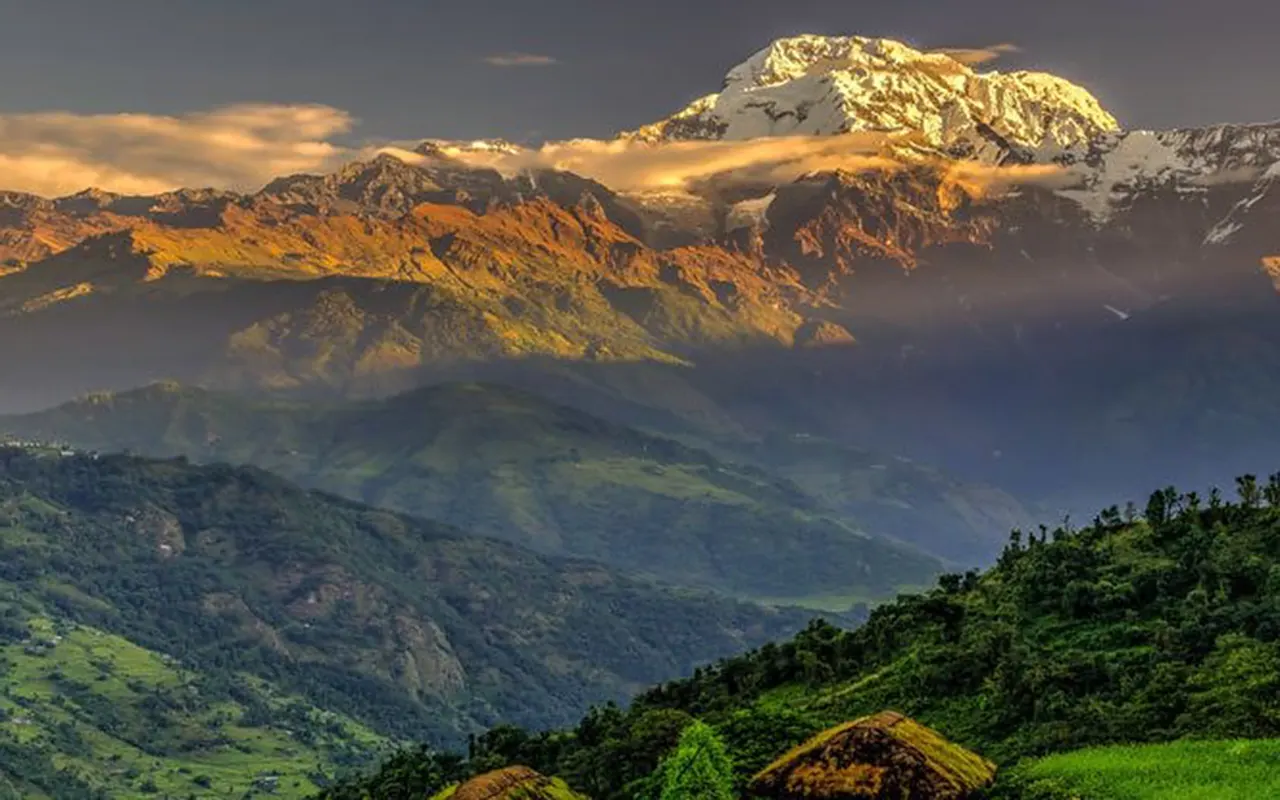
The Kathmandu Pokhara Tour can be done all year round, but each season has its own unique experience. Most of the time, the spring season (March through May) will have nice daytime weather and also good sights to see. Generally, visibility is good in the mountains in the autumn, between October and November. October and November are some of the clearest months after the monsoon.
City sightseeing is also good during winter, but it may get chilly in the mornings and evenings, especially at Nagarkot and Sarangkot. During the monsoon season (from June to September), there is a possibility of rainfall, especially around Pokhara and road trips could take longer.
| Season |
What to Expect |
Recommended For |
| Spring |
Mild weather and good visibility |
Sightseeing and mountain views |
| Summer |
Warm weather with increasing rain |
Flexible travelers |
| Monsoon |
Frequent rain and possible road delays |
Travelers comfortable with changing plans |
| Autumn |
Clearer skies and pleasant temperatures |
Overall sightseeing |
| Winter |
Cool mornings and evenings |
Cultural visits and city tours |
Weather and Temperature by Destination
The weather may vary from one stop to another on the Kathmandu Pokhara tour package. Generally, the climate of Kathmandu is moderate and Pokhara is warmer and humid in the summer season. Nagarkot and Sarangkot are higher and appear to be colder than the main cities.
Nepal Tourism Board records average summer temperatures of around 28.1°C maximum and 19.5°C minimum in Kathmandu, while Pokhara averages around 29.7°C maximum and 21.3°C minimum during May to July.
| Destination |
Summer |
Winter |
Main Weather Point |
| Kathmandu |
Warm and sometimes rainy |
Cool mornings and evenings |
Comfortable for sightseeing |
| Nagarkot |
Mild with possible rain |
Cold mornings |
Views depend on visibility |
| Pokhara |
Warm and humid |
Mild and pleasant |
Rainfall is higher |
| Sarangkot |
Mild by day, cool early morning |
Cold early morning |
Warm clothing helps |
Kathmandu to Pokhara: Road or Flight?
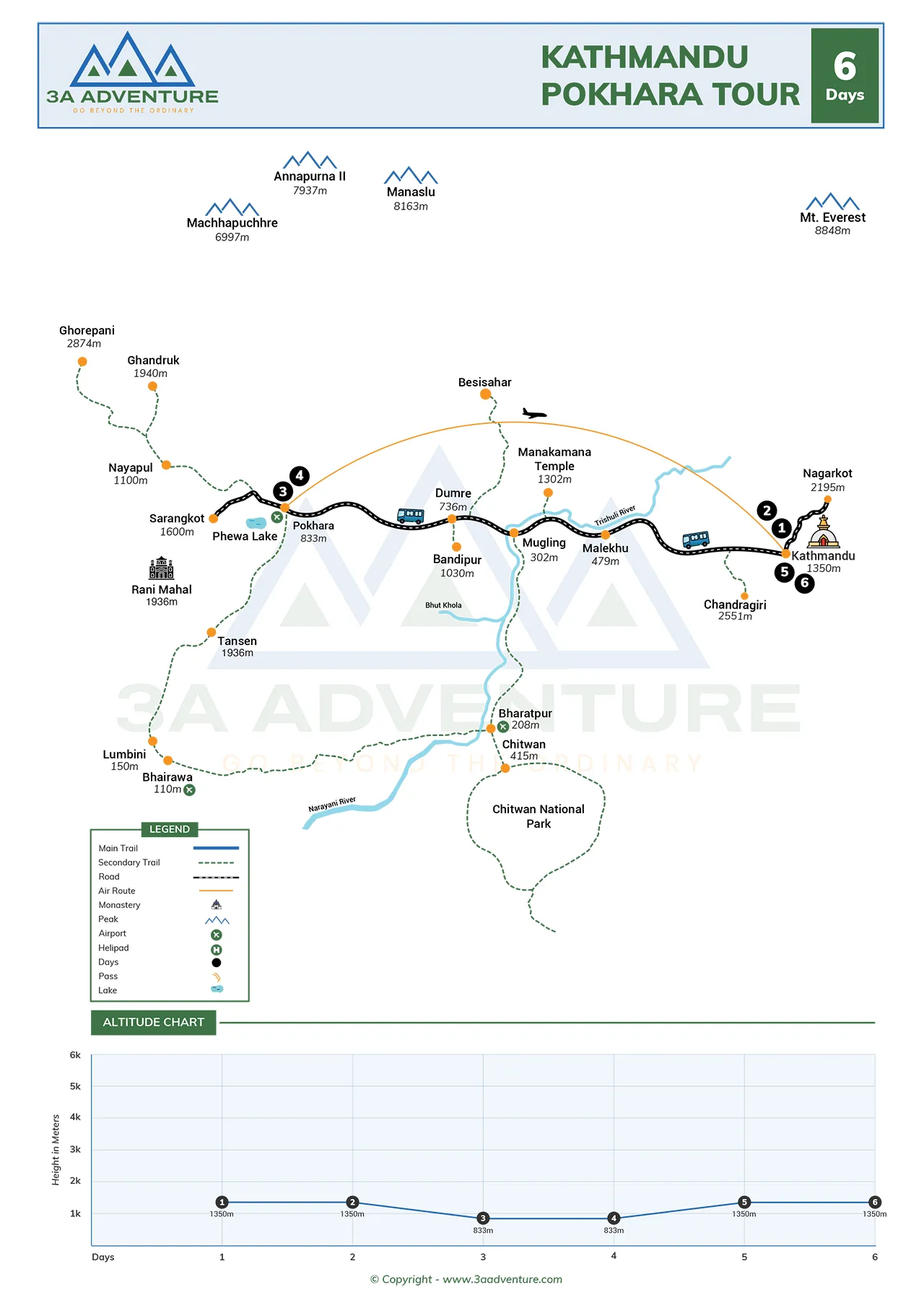
When planning an itinerary from Kathmandu to Pokhara, the choice of transportation is crucial: road or air. Enjoy a private car ride to view villages, rivers, farmland and evolving hill scenery along the way. This ride typically takes a few hours and may be delayed due to traffic and road conditions.
A flight is fast and convenient when you would like to spend more time at Pokhara. It’s also a good option when the monsoon rains make travel by road difficult. There are times when domestic flights may be affected by the weather, so travelers should come with a certain amount of flexibility.
| Option |
Approximate Travel Time |
Main Advantage |
Consideration |
| Private vehicle |
7 to 9 hours |
Scenic road journey |
Traffic and road conditions |
| Domestic flight |
About 25 minutes |
Saves considerable time |
Weather may affect flights |
Domestic Flights in Nepal
Domestic flights are also helpful for travelers who want to cut the time they have to spend traveling between Kathmandu and Pokhara. Flying gives one more time to see around and do more activities after arrival at Pokhara in the Kathmandu Pokhara Tour.
Flight schedules are subject to change in the event of weather conditions or airport conditions and/or operational factors. This is especially critical during the monsoon season, where cloud and, rain and visibility can interfere with flight operations.
Ensure your passport or needed documentation is handy at the airport. It’s also important to get there early to check in and for security checks. For people who have a busy schedule, make sure that a significant international connection doesn’t take place immediately after a domestic flight as delays may happen.
Kathmandu Sightseeing Guide
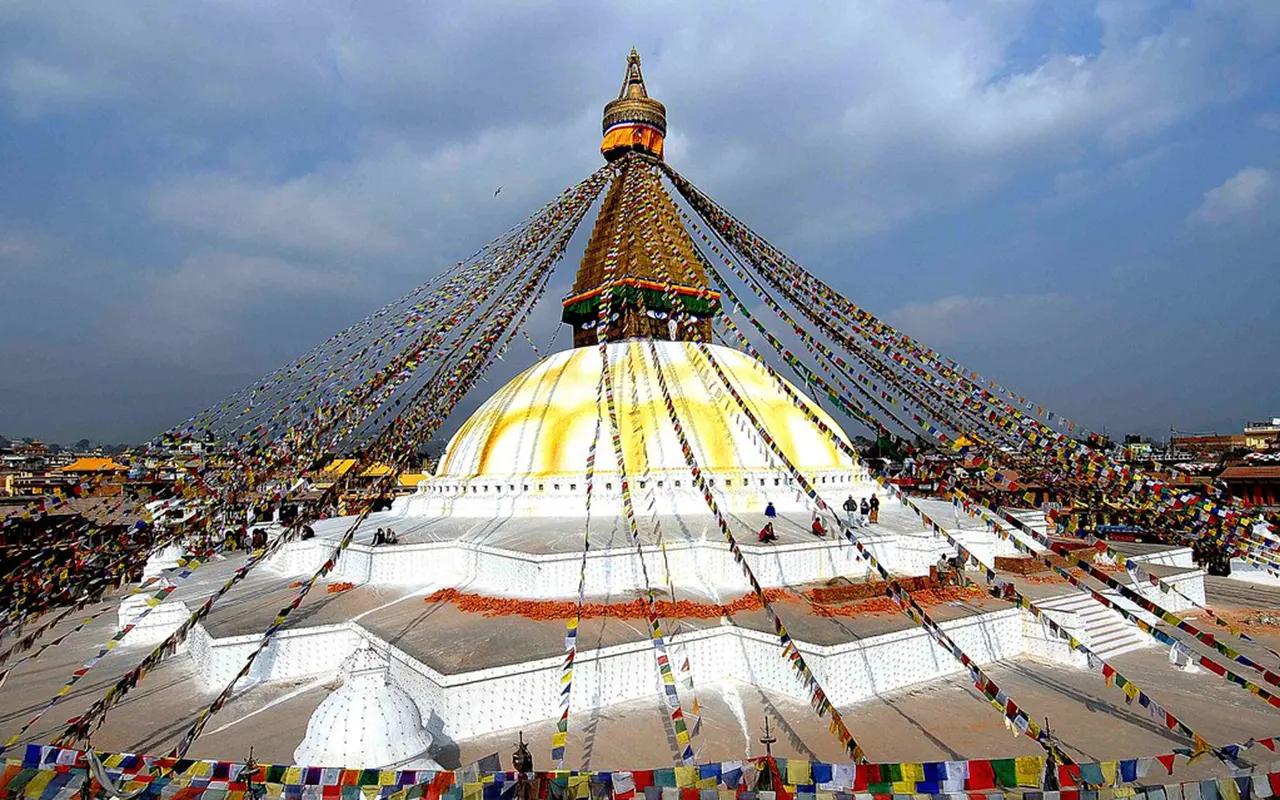
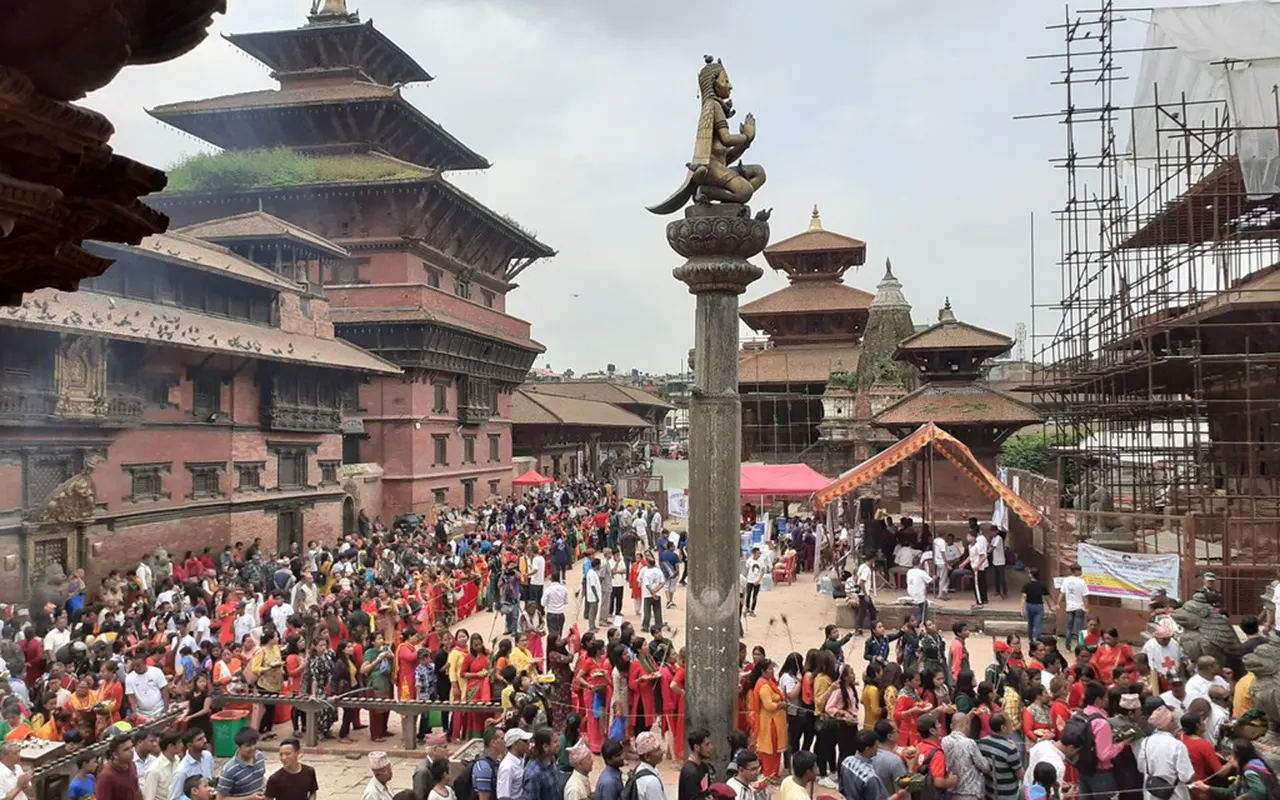
The cultural tour of Kathmandu Pokhara takes one to some of the significant places of the Kathmandu Valley. Kathmandu Durbar Square, Swayambhunath and Boudhanath are different interpretations of Nepal’s religious and architectural heritage. During this visit, an additional historic area is the Patan Durbar Square.
Others require walking on rough stone paths and in bustling areas, so sturdy footwear can be beneficial. People should dress respectfully when entering temples and religious areas.
Useful points:
- Take water when you’re sightseeing.
- Please wear comfortable walking shoes.
- Adhere to photography rules at religious sites.
- Store resources in busy areas.
- Please take some time as the traffic in Kathmandu can be heavy sometimes.
Sarangkot Sunrise Guide
Early morning Sarangkot tour is a memorable part of Kathmandu Pokhara tour. Usually, you leave Pokhara before dawn to make it in time to the viewpoint before the sun rises.
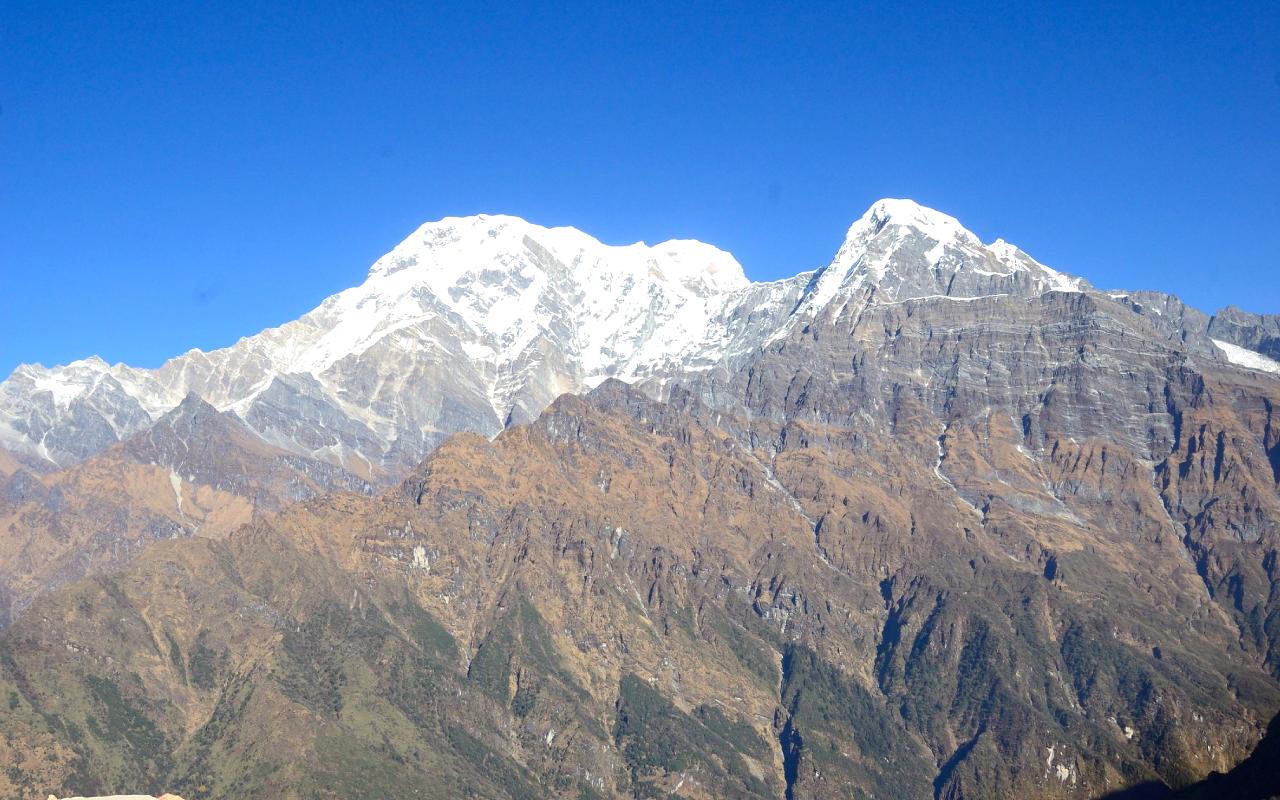
In good weather, Sarangkot offers vistas of the surrounding Himalayan ranges. Due to clouds, haze and seasonal conditions, actual mountain visibility will vary and a clear day cannot be guaranteed.
Before leaving, remember:
- Bring a warm layer for the morning.
- Please wear shoes appropriate for short walks.
- If leaving before dawn, take a flashlight.
- Take a camera or phone to take photos.
- Review the weather forecast on an evening before the activity.
Once the sun comes up, you head back to Pokhara for breakfast and then set out to explore the day.
Nagarkot Visit and Mountain Views
The scenic town of Nagarkot offers a respite from the hustle and bustle of Kathmandu and is famous for the best panoramic view of the hills and the Himalayan sky on a clear day. It is popular during the dawn and dusk hours.
In the Kathmandu Pokhara tour package, the visit to the Nagarkot locality has been scheduled for the night and then moving back to Kathmandu as Kathmandu is mentioned in the package. Travelers need to be aware of weather conditions and how this will affect visibility in the mountains. The viewing can change dramatically from the same locale due to clouds, haze and rainfall.
In general, Nagarkot is cooler than Kathmandu, especially after sunset and during winter. Even when Kathmandu is comfortable, a light jacket will be helpful. The drive also provides a chance to witness the areas of the Kathmandu Valley that are not part of the main city area.
Fewa Lake and Pokhara Lakeside
There is a close relationship of Fewa lake with the tourist experience in Pokhara. Along the lakeside, there are restaurants, cafes, shops and other walking places for travelers to relax after sightseeing.
The typical Kathmandu Pokhara Tour offers a little time around the lake in the evening. In Pokhara, boating is also an option, but in general it is not offered as part of the package. Availability may be impacted by weather and operating conditions.
The lakeside is lively in the evening and it’s a great place to have dinner or look at some local shops. The Nepal Tourism Board also mentions activities like a boat ride, watching the mountain view and the lakeside attractions in Pokhara.
What to Pack
For the Kathmandu Pokhara tour package, you don’t need to prepare any special trekking equipment. Clothing and travel facilities are of greater importance since the itinerary will be walking and sightseeing.
Bring light clothes during the hot days of the day and jacket or something warm during early mornings and evenings. During the monsoon season, rain protection comes in handy.
Recommended items:
- Comfortable walking shoes
- Light Jacket
- Small umbrella or rain jacket
- Sunglasses and sunscreen
- Reusable water bottle
- Personal medicines
- Small day bag
- Phone charger and power bank
- Passport
- Travel documents
- Nepalese Cash
Don’t overload the luggage as domestic flights might have a limit on how much can be carried.
Clothing and Temple Etiquette
Respectful behaviour and appropriate attire are expected at the cultural sites in the Kathmandu Pokhara Tour. Formal attire is not required for visitors to the museum, but shoulders and knees should normally be covered when entering religious buildings.
Take off your shoes when instructed or when signs say so and follow signs or instructions given by local staff. In some temples or religious sites, photography is not allowed; please check before taking photos.
Basic rules of etiquette:
- Please dress appropriately at temples and stupas.
- Shoes are to be taken off where indicated.
- Please ask permission before taking pictures of others.
- Do not touch religious objects unless permitted to do so.
- Walk around stupas in the appropriate direction.
- Lower your voice within the confines of religious buildings.
- Respect local customs and directions, even if they are different to those in your own country.
These small actions help make visits respectful and comfortable.
Food and Drink
The food in the Kathmandu Pokhara tour packages will be a Nepali meal or international food, you will get plenty of choices. Tourist places offer plenty of options like dal bhat, momo, noodles, soups and other vegetarian dishes.
There are numerous local and international restaurants in Pokhara Lakeside and Kathmandu. People with allergies or special dietary requirements should state their requirements clearly when ordering.
For drinking water, it is recommended to use bottled water, boiled water or water that has been suitably filtered.
Tea and coffee are readily available and bottled beverages can be purchased in most tourist areas. On sightseeing days, it is convenient to bring your own water. People with sensitive stomachs should pick up food made fresh and food that has been in the open for a long time should be avoided.
Accommodation
For the Kathmandu Pokhara Tour, the arrangement is made in the hotels in Kathmandu and Pokhara in accordance with the package category chosen. Specific hotels may be subject to change based on availability and booking agreement.
Private rooms, attached bathrooms, Wi-Fi and some basic guest facilities are common features in most tourist hotels in both cities. There are comfortable hotels to higher category accommodation in Pokhara and again in Kathmandu.
3A Adventure is available to help organise the hotel and with other practicalities while on the trip. If you have any special needs, like a twin room, a double room or any specific hotel standard, please ensure that these are available prior to booking.
Check-in/checkout times at the hotel may differ and if the flight is very early, make arrangements beforehand.
Internet, SIM Card and Mobile Network
There is often Internet access in hotels, restaurants and cafés in Kathmandu and Pokhara. The strength of the WiFi depends on the property, how many people use it and other factors in the surrounding area.
If you are travelling and require using mobile data, a local Nepal SIM card might be helpful. As a general rule when buying a SIM card, identification and registration documents are necessary. A local data package may be useful for maps, messages, online booking and communicating with family.
In the Kathmandu-Pokhara tour package, mobile coverage is generally strong in populated areas and cities and it’s weak in remote areas. Don’t forget to charge your phone as navigation and communication can require a lot of battery power.
It can be helpful when sightseeing for an extended period of time or travelling on roadways. Normally, hotel charging facilities are available, but it is recommended to bring the appropriate adapter.
Money, ATMs and Credit Cards
During the Kathmandu Pokhara Tour, payment is made in Nepalese Rupees. ATMs can be found in most places in Kathmandu and Pokhara, but travelers should not rely on ATM access only as all smaller shops and stores may wish to take cash payments.
International cards may be accepted at certain hotels, larger restaurants and at established stores. Nepalese currency may be needed for smaller businesses and local vendors and some transport services may need it.
It’s helpful to have smaller notes for things like drinks, snacks, tips and small purchases. If travelling, inform your bank and check the foreign transaction and/or withdrawal charges.
It’s also a good idea to have some extra cash on hand outside your wallet. You can exchange money in the main tourist centres, but always check your money and retain receipts when needed.
Nepal Visa and Entry Requirements
The majority of tourists require a tourist visa to enter Nepal. At the moment, the Department of Immigration has tourist visa options of 15, 30 and 90 days with the standard fees USD 30, USD 50 and USD 125. There may be other exemptions or arrangements for some nationalities and categories.
The visa process will be conducted either officially via the Government or via eligible visa on arrival (VoA) arrangements. Normally, your passport will need to be valid for at least 6 months.
The entry fee is included in the package as specified by 3A Adventure for this package. Even though the user might not be a traveler, those who are should still bring their passport, visa and other relevant travel paperwork.
Please remember that immigration requirements may change and always check the latest requirements before travelling.
Health and Safety
The Kathmandu Pokhara tour is a sightseeing tour and is not a high altitude trekking tour. Normal travel precautions still apply, when traveling on the road and during sightseeing in town.
It is suggested to use bottled water, boiled water or properly filtered water and good hand hygiene practices.
Tips on good health and safety practices:
- Drink safe water.
- Carry personal medicines.
- Apply sun cream when viewing sights during the day.
- Protect valuable items in populated areas.
- Wear comfortable shoes to the historic sites.
- Follow road safety instructions.
- Have emergency contact numbers easily available.
- Let the guide or travel agent know if you are feeling unwell.
Persons with medical conditions should have appropriate medication with them and speak with an appropriate medical professional before travel.
Travel Insurance
Even though the Kathmandu Pokhara Tour will not involve challenging trekking, it is suggested to have travel insurance with you. If you have issues with your travel plans that you hadn’t counted on, insurance can offer you some protection.
Check if the trip interruption and transport-related disruptions, emergency assistance, baggage loss or delay and medical treatment are covered by the policy. When adding optional adventures in Pokhara, ensure that your policy includes any adventures that you wish to do.
Don’t solely rely on price when selecting policy coverage; read it first. Be aware of exclusions, claims and maximum coverage.
Store a copy of your policy information on a computer and in print. Your insurance company’s emergency contact number should be on your cell phone or in your travel papers. This can make assistance easier in case of an unexpected situation.
Monsoon Travel in Nepal
If you’re traveling in the monsoon season, you need a bit more flexibility, especially when it comes to traveling by road from Kathmandu to Pokhara. A significant amount of precipitation in Nepal falls during the monsoon (June to September) season and Pokhara has a significantly higher amount of precipitation than Kathmandu.
Flying may be a better option when the road conditions are poor, to avoid time on potentially affected highways for the Kathmandu Pokhara tour package. Clouds and weather are also factors to consider when travelling by plane and neither option is completely weatherproof.
If travelling during the monsoon:
- Bring a Waterproof Jacket or an umbrella.
- Electronics should be kept out of the rain.
- Give additional time for road trips.
- Be prepared to move then schedule around.
- Do check the flight and road conditions before going abroad.
- Be aware that some mountain views will be obscured by clouds.
Entrance Fees and Personal Expenses
The Kathmandu Pokhara tour covers a few places with entrance fees, such as. The package rates include the appropriate entrance fees for the tour. The actual list of attractions and packages may be subject to change, so travelers should check with 3A Adventure for a final list prior to travel.
Typically, personal expenses are a separate item. These can include snacks, drinks, shopping, optional boating, additional activities, laundry, tips and services not specifically included in the package.
It is advisable to carry some Nepalese currency as small purchases are much easier. A little extra pocket money for souvenirs or extra food/drink items.
The most effective way is to first check the inclusion/exclusion section prior to departure to see what is included and what is not.
Free Time and Optional Activities
During the Kathmandu Pokhara Tour, there are a few opportunities to enjoy free time. If you have extra time, you can take another look at local streets, buy souvenirs or just enjoy your time in your hotel in Kathmandu.
More chances for independent activities around Lakeside are available in Pokhara. Other activities are available but optional (depending on schedule and the weather): a boat cruise on Fewa, more sightseeing or strolling around the lakeside area.
No more activities than the time available should be scheduled. Flights to and from the destination and itineraries may change for sightseeing reasons, during unfavorable weather conditions.
If there are any more activities that you want to do, talk to 3A Adventure before arranging. This will enable the team to look at the time, transportation and any extra charges available.
Shopping in Kathmandu and Pokhara
It is also very easy to include shopping on your Kathmandu Pokhara tour, without cutting too much into the tour package. There are plenty of shops in Kathmandu that sell handicrafts, traditional art, textiles, Nepalese products as well as singing bowls.
Last-minute shopping is also convenient, with many stores aimed at visitors at Pokhara Lakeside. Beware of high price variations – shopping around is a good idea before buying.
Popular items include:
- Handmade handicrafts
- Traditional artwork
- Singing bowls
- Pashmina products
- Lokta paper products
- Handmade bags
- Small cultural souvenirs
When purchasing valuable or high-priced products ask about quality, materials and authenticity. Bring receipts for high-dollar items and put fragile items in your suitcase carefully as you travel home.
Responsible Tourism
Responsible tourism is a way of preserving cultural heritage sites, local communities and the environment in Nepal. In the Kathmandu Pokhara Tour, mindless decisions can make a practical difference.
Here are some helpful travel tips:
- Bring a water bottle that can be washed and dried.
- Steer clear of single-use plastic.
- Properly dispose of waste.
- Respect religious customs.
- Please ask before taking pictures of others.
- Purchase from local merchants when possible.
- Don’t harm historic buildings or religious objects.
- Take directions at historic and natural locations.
Special care should be taken around temples, stupas and traditional communities. Tourists should keep in mind that these are not just tourist spots. They remain important for local people – both religiously and culturally and in their daily life.
Important Things to Know Before Your Nepal Tour
Prior to your Kathmandu Pokhara Tour, make sure to have your passport and visa papers, travel insurance and flight information kept in a readily accessible location. It is also helpful to have important documents backed up on a computer.
Nepal uses Nepal Standard Time which is UTC plus 5 hours and 45 minutes. Most electric devices run on 230 volts, so travelers will want to make sure their devices have the right adapter.
Here are some last hints and tips:
- Always have some Nepalese cash handy.
- Always have a light jacket on hand for early morning.
- Use safe drinking water.
- Be prepared for traffic in Kathmandu.
- Be flexible during monsoon season.
- Check the information on domestic flights before travelling.
- Honour local traditions at religious sites.
- Have emergency telephone numbers handy.
The journey is about the culture, the city, the viewpoints and the time spent around the lake in Pokhara and there is no need to bring specialized trekking equipment for the trip.