Tourism License: 1455
notification-icon

Unbeatable Holiday Offers – Save Up to 20% on Your Next Adventure!

divider-1

Paldor Peak Climbing

Based on 27 reviews

duration-icon

Trip Duration

12 Days
difficulty-icon

Trip Difficulty

Difficult
altitude-icon

Max Altitude:

5,896m. / 19,344ft.
group-size-icon

Group Size

2-20 People
best-season-icon

Best Season

Oct-Dec & Mar-May
meals-icon

Meals

Breakfast, Lunch and Dinner
accommodation-icon

Accommodation

Hotel, Teahouse
transportation-icon

Transportation

Bus

Overview and Highlights of Paldor Peak Climbing

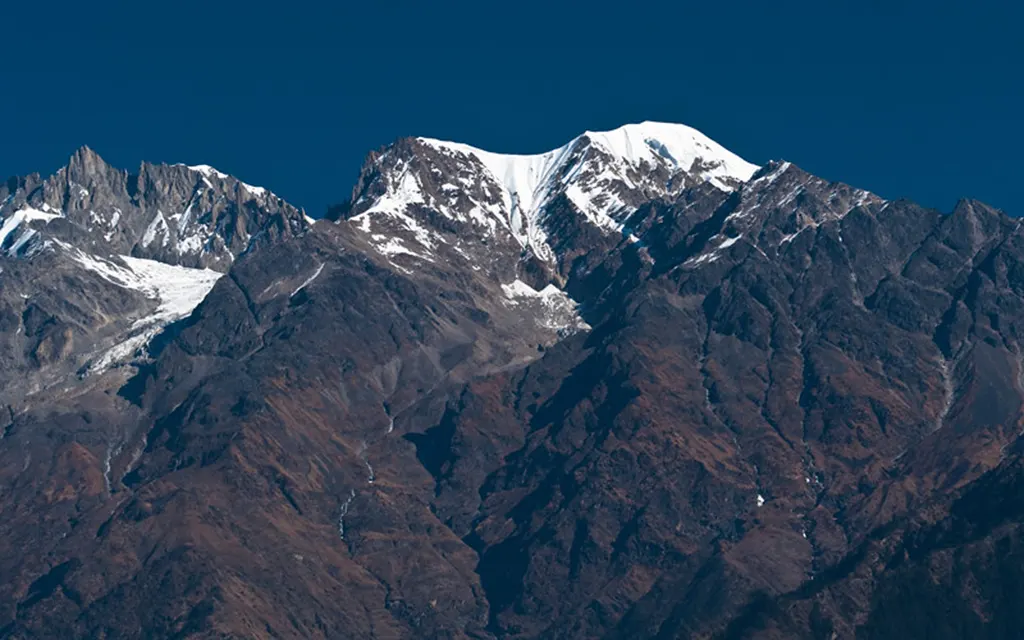
Paldor Peak Climbing is a rewarding Himalayan adventure that combines scenic trekking with an exciting peak climbing experience in the Ganesh Himal region of Nepal. At an elevation of 5,896 m / 19,343 ft, Paldor Peak is believed to be a good option among the trekkers who intend to have their first experience in the mountaineering sector, yet be on a well-planned trekking trip. The path is across isolated hamlets, serene woodlands, alpine fields and mountainous terrain to the summit. In the process, you will not only feel the beauty of the nature of the land but also the hospitality of the local Tamang people.

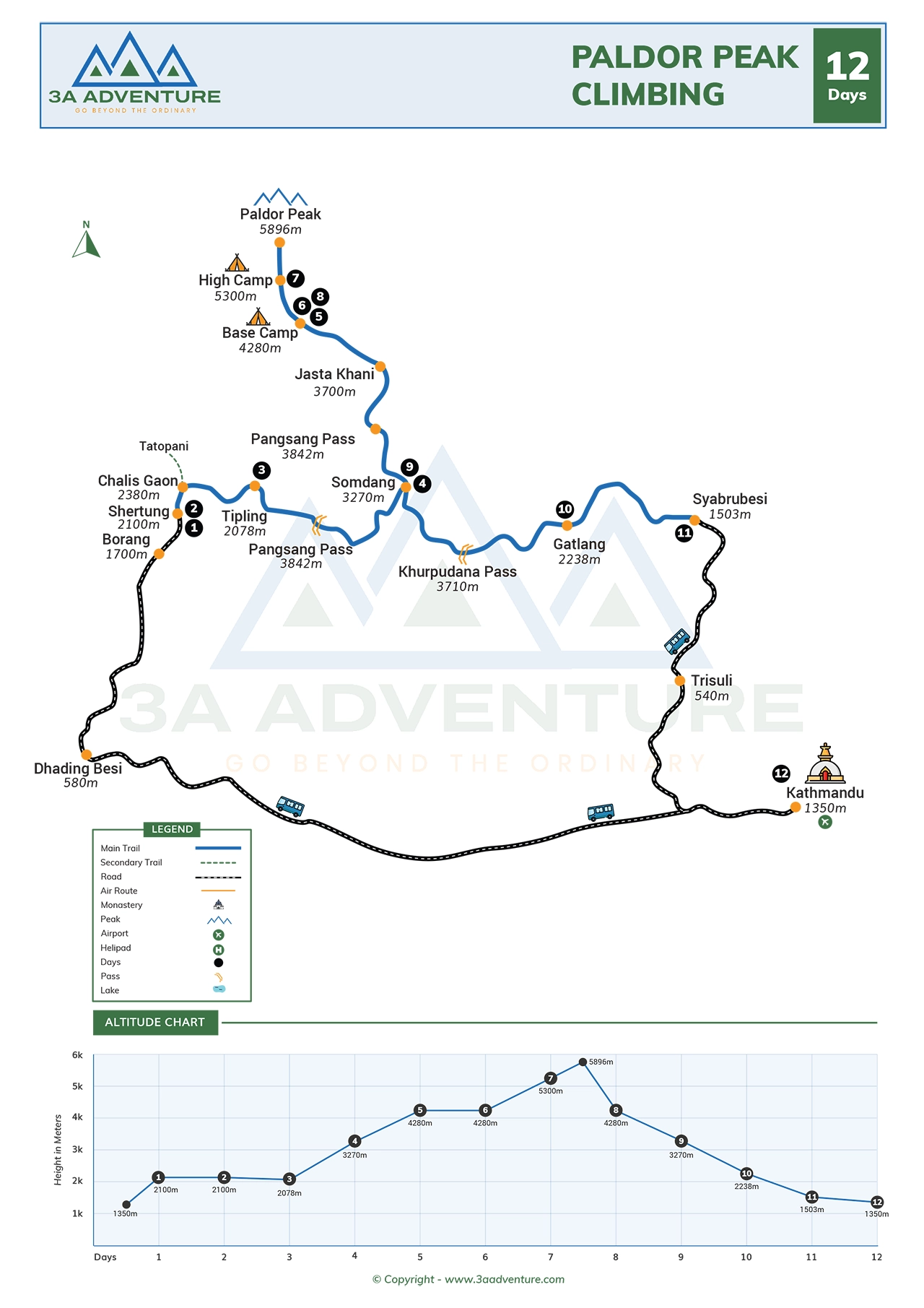
This trip starts with a drive that takes Kathmandu to the Ruby Valley area, followed by trails that are quiet in nature and pass through Serthung, Chalish, Tipling and Somdang. This is a less-traveled route of the Paldor Peak Climbing Nepal, which, compared to most other trekking destinations, is less crowded and will offer you the chance to experience an intimate nature and peaceful environment. Onward up the trail, the landscape turns away from green hills and agricultural fields to rocky alpine landscapes, and the views are stunning of Ganesh Himal, Langtang, Manaslu and some of the surrounding mountains.

A well-designed Paldor Peak Climbing itinerary has sufficient time to climb at a slow pace and acclimatize. Once at Base Camp (4,280 m / 14,042 ft), you have a day to allow your body to adapt to the greater altitude before proceeding to High Camp (5,300 m / 17,388 ft). This will enhance safety and will make climbers more confident before attempting the summit. In the climbing part, the skilled guides offer assistance and deploy technical gear when the situation demands it.

Despite the fact that the Paldor Peak Climbing is considered to be a beginner-friendly climbing peak, good physical fitness, determination and preparation are required. The expedition consists of a number of days of hiking along mountain trails, after which the expedition climbs snow, ice, and rocky terrain towards the summit, based on the seasonal conditions. Prior knowledge in high altitude trekking is an advantage, but not a compulsory factor for climbers as long as they are in good physical condition and adhere to the instructions given by the guide in the expedition.

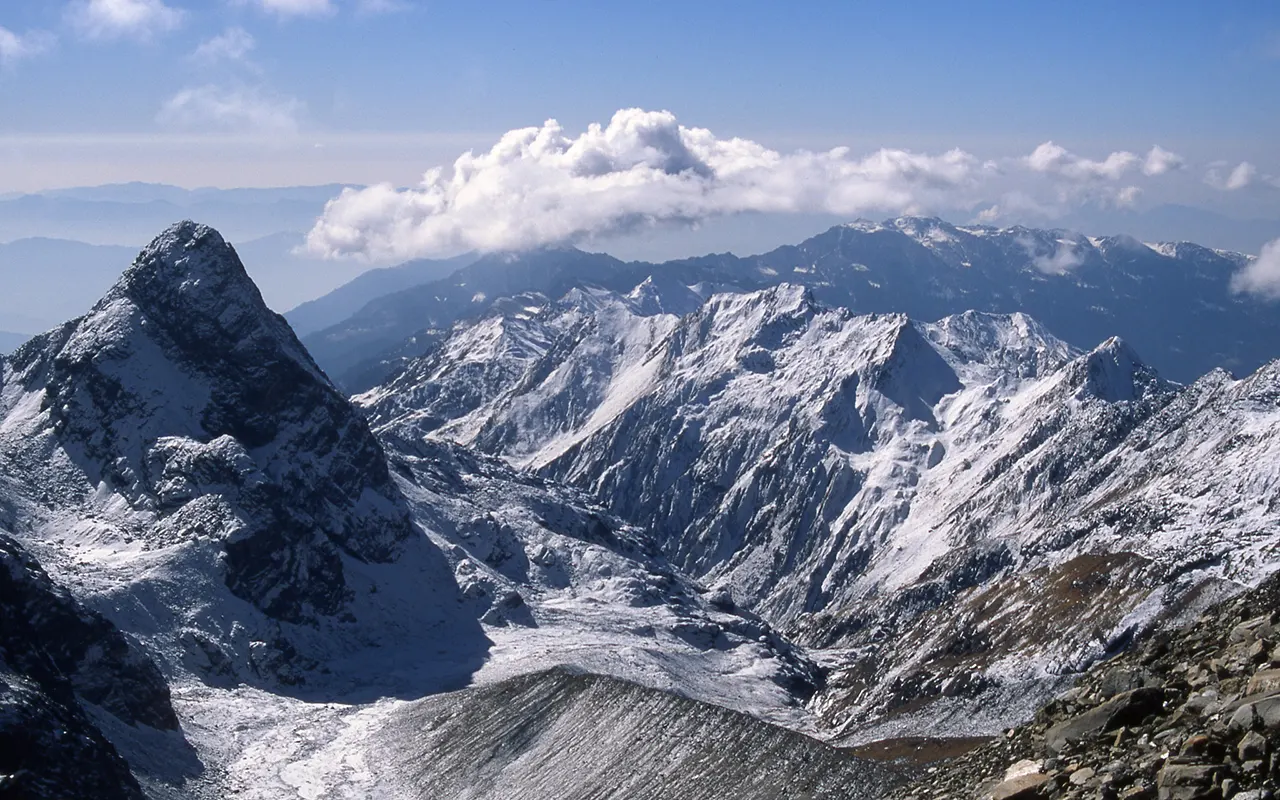
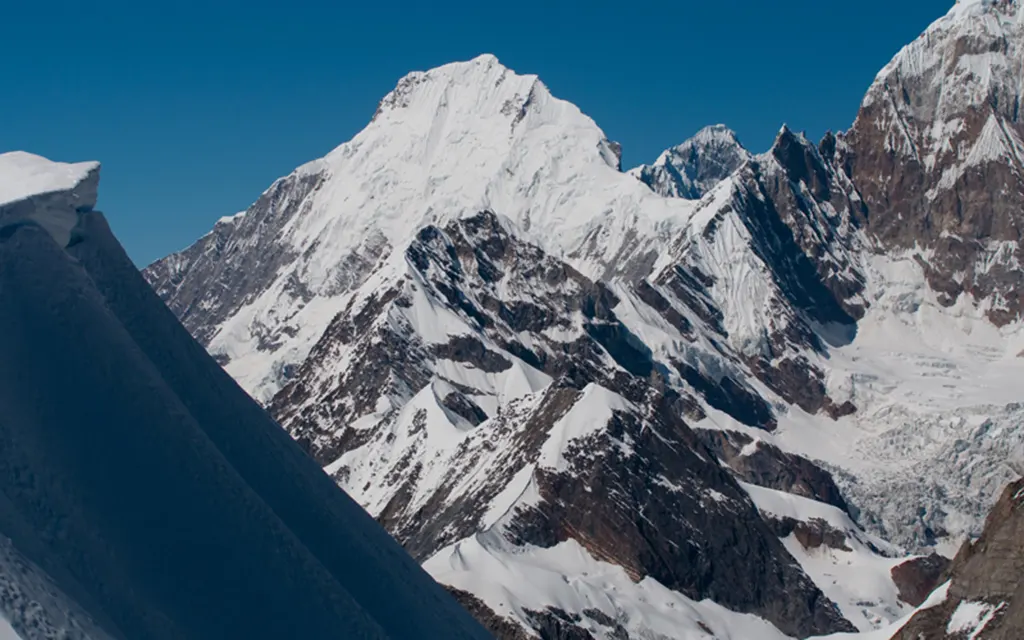
The peak offers the climbers broad perspectives of the Himalayan ranges around it. When it is clear, you can view Ganesh Himal, Langtang Himal and Manaslu, among other snow-covered mountains that are spread out in front of you. Making the summit is an experience that is hard to forget and a mixture of physical effort, planning and teamwork. The journey back is the same scenic route, after which they are driven back to Kathmandu.

It is a well-balanced trekking, camping, and mountaineering expedition that will either be your first Himalayan climbing experience or it will be a quieter adventure into the mountain areas. Having knowledgeable guides, the logistics well organized, and being safety conscious, 3A Adventure is dedicated to making your trip to Nepal comfortable and enjoyable until the time you arrive at the summit of the mountain.

Trip Highlights

  • Reach Paldor Peak (5,896 m / 19,343 ft) in the scenic Ganesh Himal.
  • Explore the quiet towns of Serthung, Chalish, Tipling, Somdang, and Gatlang.
  • Savour the scenic Ganesh Himal, Langtang, Manaslu, and Himalayan peaks around.
  • Pass scenic Pangsang Pass (3,850 m / 12,631 ft) with spectacular mountain scenery.
  • Have a comfortable teahouse trekking and high-altitude camping.
  • Have an acclimatization day at Base Camp (4,280 m / 14,042 ft) to be safer in the summit attempt.
  • Before summit day, take on an exciting climb to High Camp (5,300 m / 17,388 ft).
  • Explore the Tamang culture and the friendly hospitality of the Tamang people of Ruby Valley.
  • Explore forests, alpine valleys, mountain ranges, and isolated Himalayan scenery.
  • Fulfill a rewarding Himalayan peak climbing trip that is fit for trekkers seeking their first mountaineering trip.

Paldor Peak Climbing Itinerary

itinerary-icon

Our day starts with an early breakfast, and then we head out of Kathmandu and head out to the Ruby Valley region. The route is along the Prithvi Highway and then a diversion into mountain roads into the hills of Dhading District. We visit rivers, terraced fields, forests and small villages along the way that provide a glimpse of what life in rural Nepal is like.

The highway is narrower and winding, and we are nearing either Serthung or Chalish. The drive is also long, but the scenery keeps changing, thus making the journey enjoyable. We spend the night at Serthung or Chalish, according to the condition of the roads and the progress of the group. Once here, you can get your legs stretched, stretch out, see the village, and then have dinner. Our guide will give us a briefing on the trek and the days to come.

activity-small

Activity: 8 to 9 hours Drive

altitude-small

Max. Altitude: 2,100m/6,890ft. (Serthung)

meal-small

Meal: Lunch and Dinner

accommodation-small

Accommodation: Teahouse


note-icon

Note:

If you have a private group and prefer a personalized experience, we can organize a custom trip tailored to your requirements and group size, running it any day you choose.

Plan a Private Trip

Includes & Excludes

What are included with package?

Transportation

  • Pick up and drop off by car at the airport.
  • Private ground transportation between Kathmandu and Serthung or Chalish and Syabrubesi.
  • All local transportation.

Food and Accommodation

  • Accommodation in teahouses during the trek and tented camps at Base Camp and High Camp.
  • Breakfast, lunch, and dinner during the trekking and climbing days.
  • Seasonal fresh fruits during the trek were available.

Guide and Support Staff

  • Knowledgeable, government-qualified trekking guide.
  • Guide to the summit: Certified climbing guide.
  • Necessary porters to carry expedition equipment and luggage.
  • Salaries, meals, accommodation, insurance, and transportation of guides and support staff.

Permit and Expenses

  • Climbing permit for Paldor Peak by the Nepal Mountaineering Association.
  • Langtang National Park Entry Permit.
  • TIMS Card, where necessary, in the new regulations.
  • Any government taxes and government service fees.

Medical and Gear

  • A first aid kit that includes all necessary items carried by the guide.
  • Group climbing gear (ropes, other technical equipment needed in the expedition).
  • Emergency oxygen and oximeter on hand in case of need.

Others

  • Expedition completion certificate.
  • Welcome and farewell briefing in Kathmandu.
  • Help in making all arrangements for the expedition.

What are not included with package?

International Flights and Visa

  • Airfare between Nepal and abroad.
  • Nepal visa entry fee.
  • Any expenses associated with the issuance of a passport or visa.

Food and Accommodation

  • Kathmandu lunch and dinner before and after the expedition.
  • Additional meals, snacks, alcoholic drinks, soft drinks, and bottled water.
  • Extra lodging in Kathmandu because of early arrival, late arrival, or a change of itinerary.

Travel and Medical Insurance

  • Personal travel insurance.
  • Trekking and climbing insurance at high altitudes.
  • Insurance did not pay for emergency medical treatment and helicopter evacuation.

Other Expenses

  • Personal climbing equipment and clothing.
  • Guidelines on tips for guides, climbing guides, porters, and support staff.
  • Personal expenses such as hot showers, laundry, Wi-Fi, battery charging, and phone calls.
  • Expenses incurred due to bad weather or natural disasters, flight or road delays, illness, political unrest, or other situations over which the company has no control.

Trip Information

Weather and Best Season

Paldor Peak Climbing is best climbed in the spring season (between March and May) and in the autumn season (between September and November). The weather is normally stable, with clear skies and comfortable temperatures in these months and thus trekking as well as climbing is safer and enjoyable. Even the mountain scenery is typically at its finest, and the trails are well-maintained.

The spring is particularly favored as rhododendron forests are in flower along the lower trails, and there are bright colours on the scene. The season of autumn also provides clean air and good visibility following the monsoon season, and this makes autumn another favorite season among climbers.

It can be climbed during winter; however, colder weather and thick snow may result in a more challenging route. Summer monsoons lead to a lot of rain, slippery roads, and low visibility, which can influence travel arrangements. The season you pick provides you with a more favorable opportunity of summiting Paldor Peak Climbing Nepal with more favorable trail conditions.

Difficulty Level

Paldor Peak Climbing itinerary is taken as a moderately challenging climbing adventure, which is a combination of trekking and elementary mountaineering. Even though Paldor Peak is a mountain that climbers with little alpine experience tend to pick, the trip will nonetheless need good physical condition, thorough preparation, and resolve.

The trip involves a number of days of hiking through mountainous trails of various steepnesses, up to Base Camp (4,280 m / 14,042 ft). From there, the route continues to High Camp (5,300 m / 17,388 ft) and finally to the summit at (5,896 m / 19,343 ft). The last climbing part can consist of snow, ice, rocks and the use of climbing equipment, as per the season.

Paldor Peak Climbing is possible with experienced guides, proper preparations and a reasonable time to allow acclimatization for trekkers who are willing to take their first experience of a Himalayan peak. Prior experience in high-altitude trekking is not a must, but is beneficial.

Altitude Sickness

During Paldor Peak Climbing in Nepal, your body requires time to adapt to the thin air as you go uphill. A few climbers can have mild cases of altitude sickness, like a headache, fatigue, lightheadedness or loss of appetite. These are signs that cannot be overlooked because they may escalate to greater heights when you proceed climbing at a rate that is too fast.

It is suggested that the itinerary will involve an acclimatization day in the Base Camp (4,280 m / 14,042 ft) that will minimize the chances of altitude-related illness. Consuming lots of water, having regular meals, maintaining an adequate pace and having ample rest are significant factors in remaining healthy during the climb.

We have guides who are very attentive to all members of the expedition. If any of them develop any conditions, the guide will ascertain whether the person requires additional rest or a descent. In Paldor Peak Climbing, your safety is the utmost priority.

Preparation and Fitness

Proper preparation can help make your Paldor Peak Climbing itinerary much easier and more likely to successfully reach the summit. It is advisable to start training at least six to eight weeks before your trip. Endurance and general fitness can be improved by spending time walking, hiking, jogging, cycling or running up and down stairs.

Leg, core and shoulder exercises are also beneficial since you will have a daypack on your back as you hike through mountainous terrain. An excellent workout to get ready to spend several days on the trail is to practice longer hikes with a backpack.

It is also important to pack the right clothes and equipment. Heavy layered apparel, waterproof, durable trekking footwear, gloves, sunglasses and a good sleeping bag are needed at elevated altitudes. When you reserve with 3A Adventure, our team can help you pack by giving you a comprehensive packing list and useful tips that will ensure that you are ready to go.

Food and Accommodation

On Paldor Peak Climbing, food is cooked to give the energy required during the long days of trekking and climbing. Freshly cooked local and Nepali dishes are available in the lower villages, including rice, lentils, vegetables, noodles, soups, potatoes and eggs. Most stops also have tea, coffee and plain snacks.

The higher the elevation of the path, the fewer food options are available since the food is transported by porters. Nevertheless, the food is still hearty, healthy and appropriate to eat in the mountains. It is highly advised to consume enough water during the trip to stay hydrated.

The degree of accommodation is different at the location. You will spend the night in simple teahouses in the villages and in comfortable tents in Base Camp (4,280 m / 14,042 ft) and High Camp (5,300 m / 17,388 ft). Camping enables the climbers to be near the mountain as they gear up for the summit.

Transportation

The adventure of the Paldor Peak Climbing Nepal starts with a picturesque drive from Kathmandu to Serthung or Chalish. The trail is along the highways and further along the mountain paths through the traditional villages, forests, rivers and terraced agricultural lands. The trek is done by road, and after the trek, one goes back to Kathmandu via Syabrubesi.

The road conditions in the hill area may change according to the season. The rain can also slow down travel during the monsoon months due to muddy areas or road repairs. During periods other than the rainy season, the path is usually smoother and has amazing scenery of the landscape around.

All the ground transportation necessary for the package is arranged by 3A Adventure. Our skilled drivers are well-versed in the mountain roads and take periodic stops on the way to refreshments and short breaks.

Communication

During the Paldor Peak Climbing itinerary, communication facilities are available in the lower villages, but as you ascend to higher mountains, communication facilities are limited. Mobile network coverage is mostly within the vicinity of the beginning villages and bigger settlements, but the signal strength can be different depending on the service provider you are using.

Phone reception is less stable further away near Base Camp (4,280 m / 14,042 ft), High Camp (5,300 m / 17,388 ft) and the summit route. The top camps tend to be without internet access and you can have a relaxing time in the mountains without any disturbances.

Whenever you are in range of the network, your trekking guide will be in touch with the support team. Guides also carry communication gear or communicate with local rescue, where needed, in the event of an emergency to maintain the safety of all participants.

Permit

All climbers have to acquire the necessary permits, which are issued by the relevant authorities, before they can join Paldor Peak Climbing. These permits are useful in controlling tourism, conserving the natural environment, and aiding local conservation in the area.

The trip usually involves a climbing permit to Paldor Peak with the Nepal Mountaineering Association, a Langtang National Park Entry Permit and a TIMS Card (where necessary) according to the new trekking policies. Permits can also vary with time and it is always best to clarify before your trip what the current rules are.

In the case of booking with 3A Adventure, our staff will take care of all the required permits. All that you have to do is present the necessary documents, and the expedition starts, including a valid passport and passport-sized photographs. This will give you time to get ready to have the adventure and we will do the formalities.

Visa

The majority of foreigners require a visa to visit Nepal to conduct Paldor Peak Climbing in Nepal. Many countries have tourist visas that they can obtain at Tribhuvan International Airport in Kathmandu on arrival. It is also possible to obtain a visa in advance with the help of a Nepalese embassy or consulate in your native land.

The documents you will usually require to get a visa include a valid passport for at least six months, an application form, a recent passport-sized photograph and a visa fee. Immigration regulations can always be amended, and that is why, before you travel, it is always good to verify the current visa requirements.

Upon reaching Kathmandu, you will get sufficient time to make the final preparations, and then your expedition starts. It can also help to have a printed and electronic copy of your passport and visa to help you on your way.

Travel Insurance

Anybody who joins Paldor Peak Climbing should take out travel insurance. As the trip goes all the way up to the top of Paldor Peak (5,896 m / 19,343 ft), high-altitude trekking and climbing should be included in your policy. You should also ensure that you have emergency helicopter evacuation in your insurance cover.

The good policy must also cover medical treatment, accidents, delays in your trip, lost baggage and other unforeseen circumstances that can arise during your trip. It is always a good idea to read the policy before buying insurance to know what is covered.

Before the trip, submit a copy of your insurance information to your trekking agency. In the event of an emergency, the appropriate insurance details will enable the support team to organize the assistance more effectively.

Extra Expenses

Although the Paldor Peak Climbing itinerary covers most of the major services, you ought to have a budget for personal expenses on the trip. Such expenses can be hot and cold beverages, snacks, charging electronics, where there is Wi-Fi, laundry, hot showers in certain villages and personal shopping in Kathmandu.

Additional cash to tip the guides, porters and climbing personnel is also common as a reward for the hard work of these individuals. It is always advisable to have extra cash in case you want to buy souvenirs or local handicrafts, since payment systems in remote locations are not easily digital.

It is best to carry Nepalese Rupees when doing the trek. The small denomination notes are particularly handy in case of making purchases in villages along the road.

Private and Group Trek

Paldor Peak Climbing can be done either as a group trip or in a private outing. A personal vacation is more flexible and you can select the date you would like to travel and have a schedule that fits your pace. It is the best choice when it comes to families, friends or climbers who would prefer to have a more personalized experience.

Group departures are the most popular among solo travelers and small groups, who want to share the adventure with other climbers. Forming a group usually provides a friendly environment in which members can motivate and uplift one another during the expedition.

At 3A Adventure, we arrange individual and group departures in the company of trained support staff and experienced climbing guides, along with well-thought-out logistics. Regardless of the alternative you take, our crew strives to ensure that your climbing experience is an enjoyable, safe and well-organized one from the moment you arrive in Nepal to the end of the journey.

FAQs for Paldor Peak Climbing

General

Yes. It is an appropriate first climbing mountain to fit trekkers with the presence of skilled climbing guides.

There are no specific skills required, but fundamental mountaineering experience comes in handy, although before you step on the mountain, you are given critical lessons by your climbing guide.

The longest day is the summit day, which takes approximately 10 to 12 hours of climbing and descending.

It is a road that passes through forests, alpine meadows, mountain passes, old villages, and scenic Himalayan vistas.

Preparation & Fitness

Yes. Carrying a heavy pack on your hike enhances stamina, stability and comfort on consecutive hiking days.

This expedition does not need any prior camping experience, but it is advantageous.

Yes. Previous climbing experience is normally not as important as good fitness and determination.

The majority of climbers carry personal essentials, which tend to be approximately 5-8 kilograms.

insurance Insurance & Visa

Yes. High altitude climbing expeditions are highly advised to include emergency helicopter evacuation coverage.

Yes. Electronic and hard copies can be handy in case of emergency help.

Yes. The Department of Immigration in Kathmandu can normally extend tourist visas.

Yes. All foreigners, such as children, are required to possess a visa unless their nationality exempts them.

guides Guides & Support Staff

The experienced climbing guides who are experienced will place ropes where the conditions demand extra safety in the climb.

Yes. The guide conducts a thorough inspection of the equipment and sets off to High Camp and summit day.

Yes. The trekking part involves the transportation of your trip gear and your standard duffel bag by porters.

Yes. The guide can alter plans in case of weather or safety issues that will make climbing unsafe.

accommodation Accommodation and Facilities

At most villages, charging is available, but most often not at the higher camps.

Where feasible, basic temporary toilets are set up at the camping sites.

Yes. It can be obtained through boiling, filtering or purification tablets to obtain safe drinking water.

Yes. There are a great deal of vegetarian meals, and other dietary needs are to be communicated in advance.

weather Weather & Seasons

The temperature can drop to below freezing during the night and in the early mornings around the summit.

Yes. The changes in the climbing plan may be necessary due to strong winds, snowfall or poor visibility.

Both seasons are great, as spring brings flowers and autumn gives very clear views of the mountains.

health Health & Safety

Your guide will evaluate the situation and arrange the safest and possibly a descent.

Emergency oxygen is generally in place in case of unforeseen altitude-related emergencies.

During the trek, you are frequently checked by guides on your state at the higher levels.

It will only be after evaluation by your guide that the safest course of action will be determined.

booking Booking & Payment

During the main climbing seasons, it is advisable to book at least two or three months in advance.

Yes. Deposits are usually paid to obtain permits and expedition plans.

Yes. Individuals, families and groups have private departures.

It normally requires a valid passport, passport photographs, travel insurance details and personal details.

transportation Transportation & Flight

The journey starts with a drive from Kathmandu to Serthung or Chalish.

Yes. With Kathmandu, airport pick up/drop off is part of the package.