Best season and weather
The season of autumn is often considered the best season to do the Island Peak Climbing. This season features great trail conditions as it receives very minimal rainfall. You will also get very gentle daytime temperatures ranging from 10°C to 15°C, with the nighttime temperatures ranging from 2°C to 9°C. In addition to that, any of the main festivals of Nepal are celebrated in autumn, since the weather is usually clear. This gives you plenty of opportunity to experience local celebrations.
Difficulty
The Island Peak Climbing journey is graded as a moderately difficult trekking experience. Following the main Everest Base Camp itinerary for the most part, this peak climbing journey features many ascents and descents en route and a challenging climb to the Island Peak. As per our experts, this trek is an 8 out of 10 on the difficulty scale.
Altitude Sickness
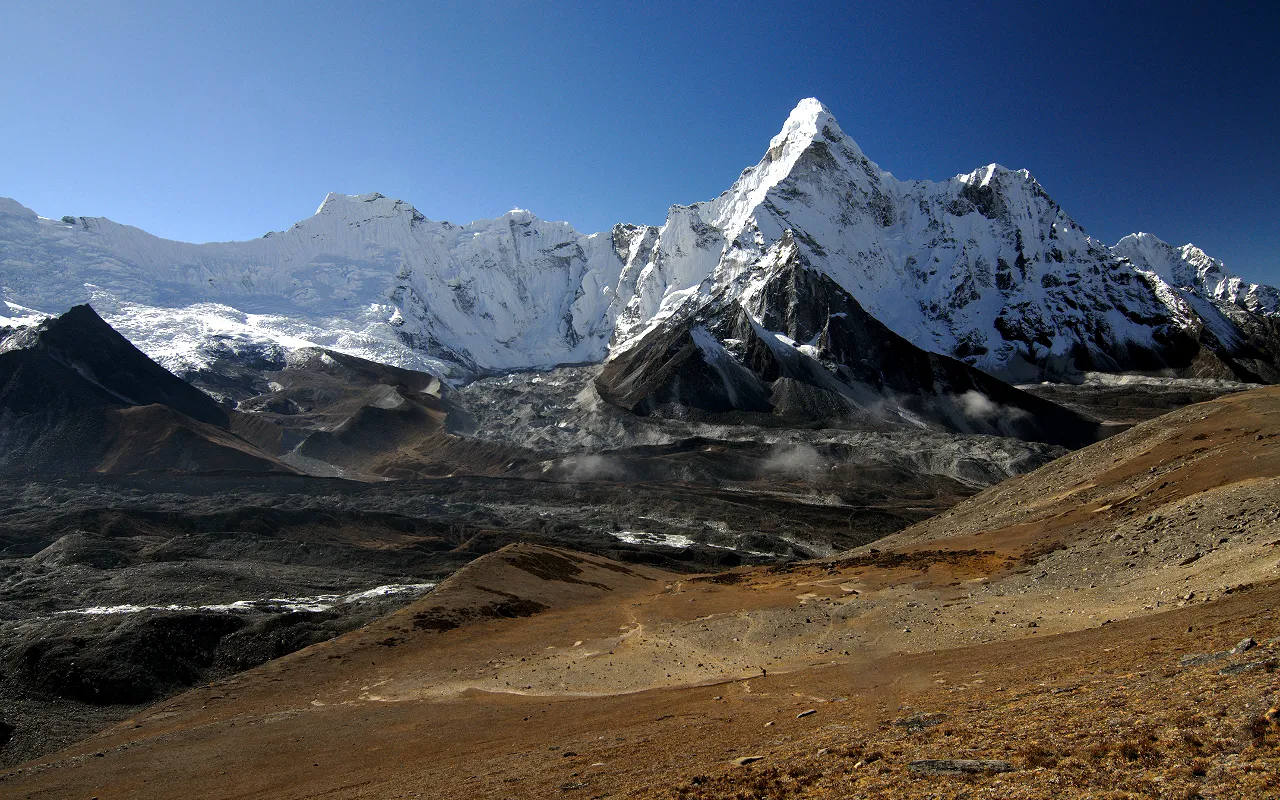
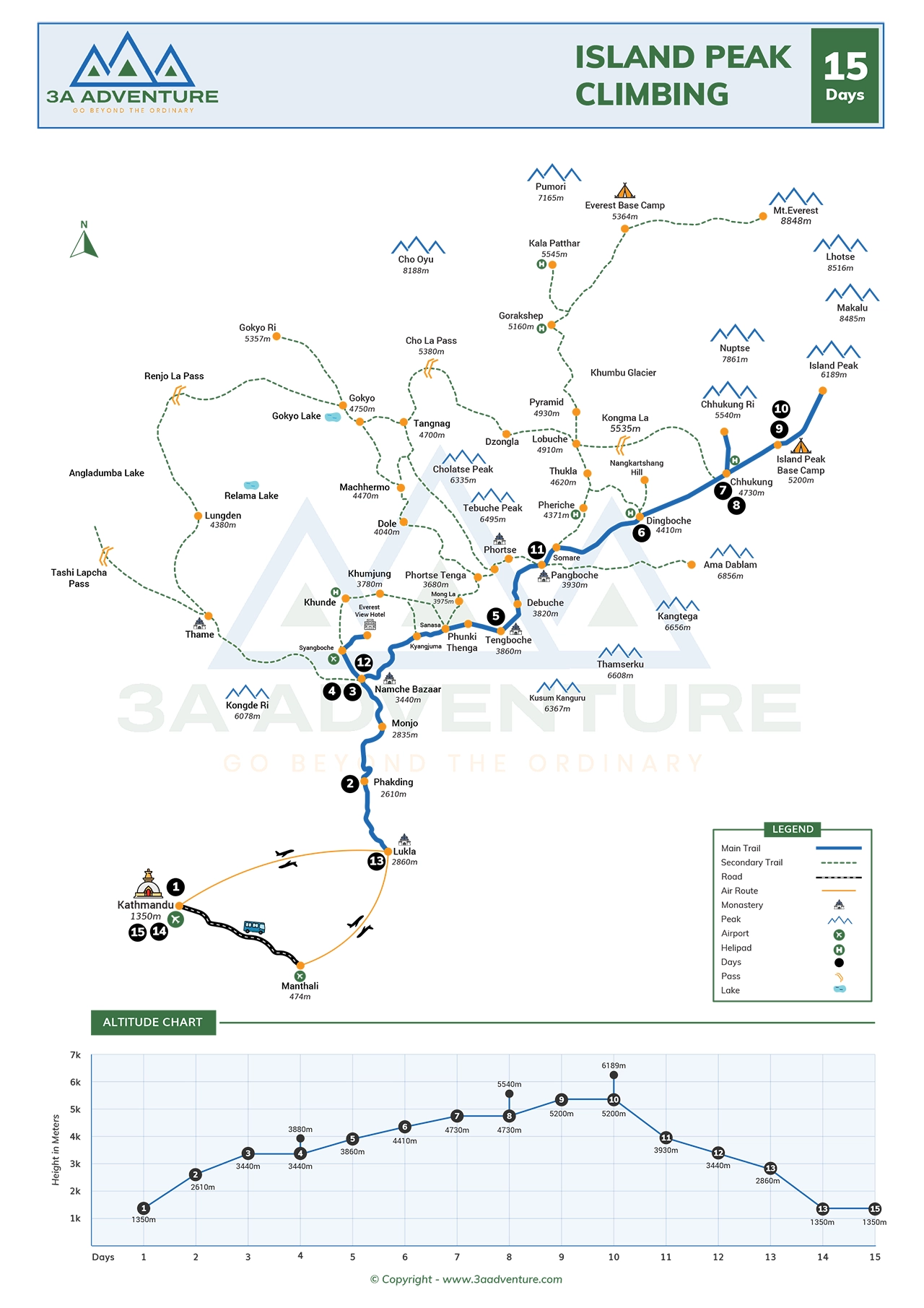
Throughout the Island Peak Climbing journey, we will spend a total of 5 nights at elevations over 4000 meters above sea level. Altitude sickness starts from 3500 meters above sea level, but its harmful impacts do not show up until crossing 5000 meters of altitude. This means we are pretty safe from altitude sickness. Our highest point of the trek is 6189 meters above sea level, which is considerably high; however, we will not be spending the night there, we will just spend about 30 to 50 minutes at the top.
Preparation and Fitness
To prepare well for this Island Peak Climbing journey, we recommend training for at least 14 to 16 weeks prior to the start of the trek. Exercises like walking, jogging, cycling, swimming, hiking, etc., are the best types of workout you can do to prepare well. You can also do some strength training focusing on the lower half of the body.
Food and Accommodation
The Island Peak Climbing journey provides three meals per day during the trekking days and only breakfasts during your time in Kathmandu. You are free to choose any dish from the menu provided by the establishments. As for accommodation, we require you to share one room with one of your fellow trekkers in the group. If you want private rooms instead, we can manage them at a price. All your accommodation expenses will be covered by the trek package.
Transportation
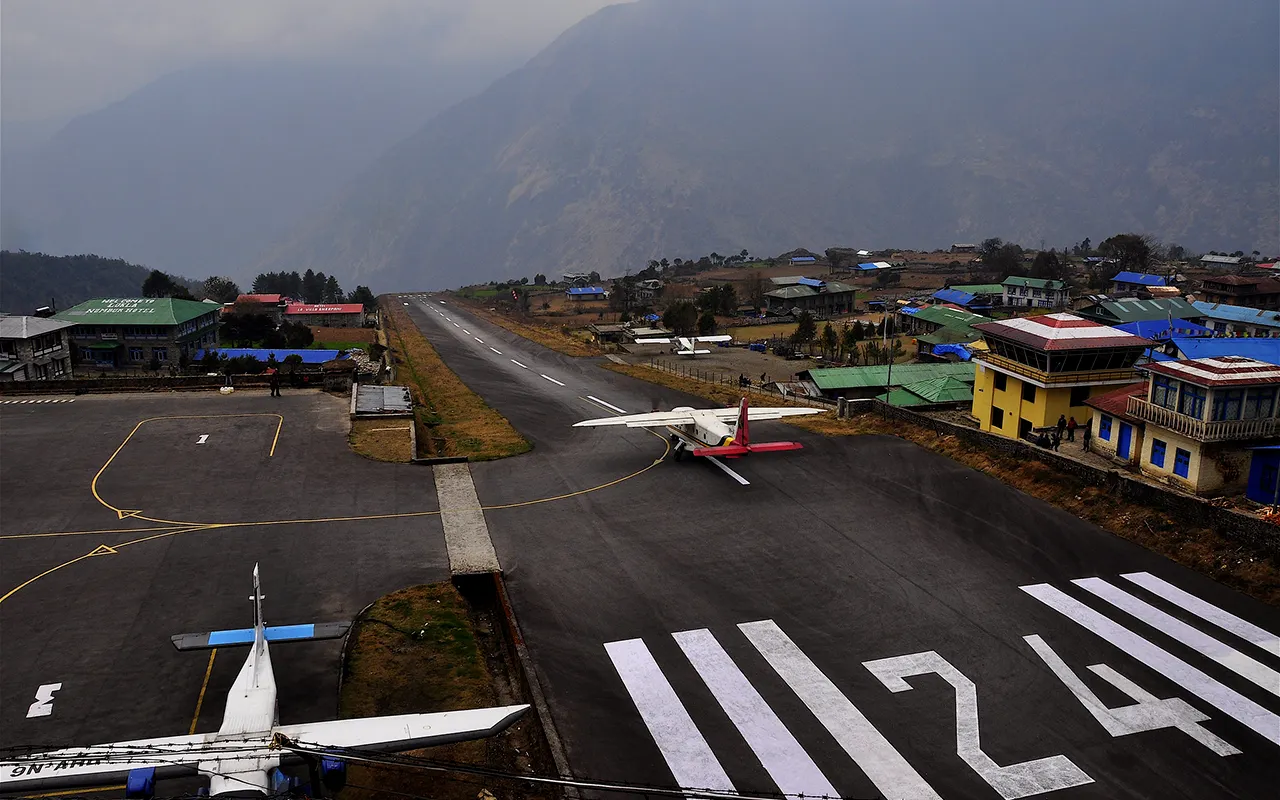
This Island Peak Climbing itinerary requires trekkers to fly to and from Lukla at the start and end of the trek. Trekkers also have to drive to and from the airport as per the flight schedule. All of these transportation expenses will be covered by the trek package.
Communication
Mobile network connections will be available at the lower region villages only. Meanwhile, you can still find WiFi connections at highland villages, but it can be unstable. Alternatively, you can buy the Everest Link Card and connect to the internet at any point in the trek.
Permit
For this journey, you need to have a Sagarmatha National Park Entry Fee, a Local Area Permit/ Pasang Lhamu Rural Municipality permit, and an Island Peak Climbing permit issued by the Nepal Mountaineering Association (NMA). All of the expenses related to these permits are a part of the Island Peak Climbing package.
Visa
Visa fees are supposed to be paid after your arrival at the Tribhuvan International Airport. You need to pay for it in order to get a tourist visa stamp on your passport. This will not be covered by the Island Peak Climbing package.
Travel Insurance
Much like your visa fees, travel insurance is also excluded from the trek package. It is considered an expense of a personal nature. Travel insurance is a must for this trek, as it covers any high-altitude medical and emergency service expenses.
Extra Expenses
Expenses, including but not limited to international flight expenses, visa fees, tips for the guide and porter, emergency rescue services, lunch and dinner in Kathmandu, any kind of drinks, personal trekking and climbing gear, travel insurance, etc.
Private vs. group trek
A private Island Peak Climbing experience is one of the best things you can experience with your friends and loved ones. It is an intimate experience with nature and the remote hills of the Khumbu region. While it is a bit on the premium side of the spectrum, the extra charge is worth the experience. On the other side, a standard group trek is the budget-friendly option, great for those who are traveling alone or want to make trekker friends.