Based on 27 reviews
Trip Duration
13 DaysTrip Difficulty
ModerateMax Altitude:
4,200m. / 13,780ft.Group Size
2 to 25 PeopleBest Season
Autumn, SpringMeals
Breakfast, Lunch and DinnerAccommodation
Teahouse/ Lodge/HotelTransportation
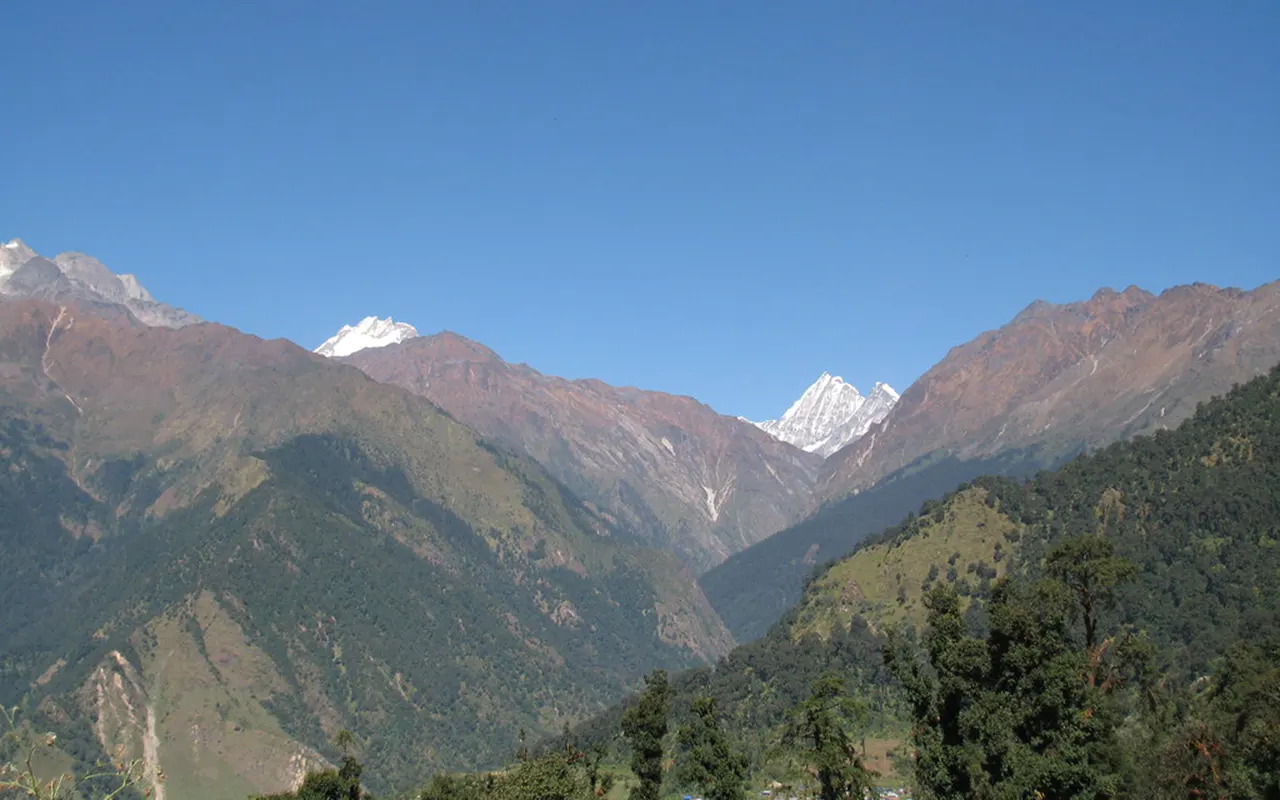
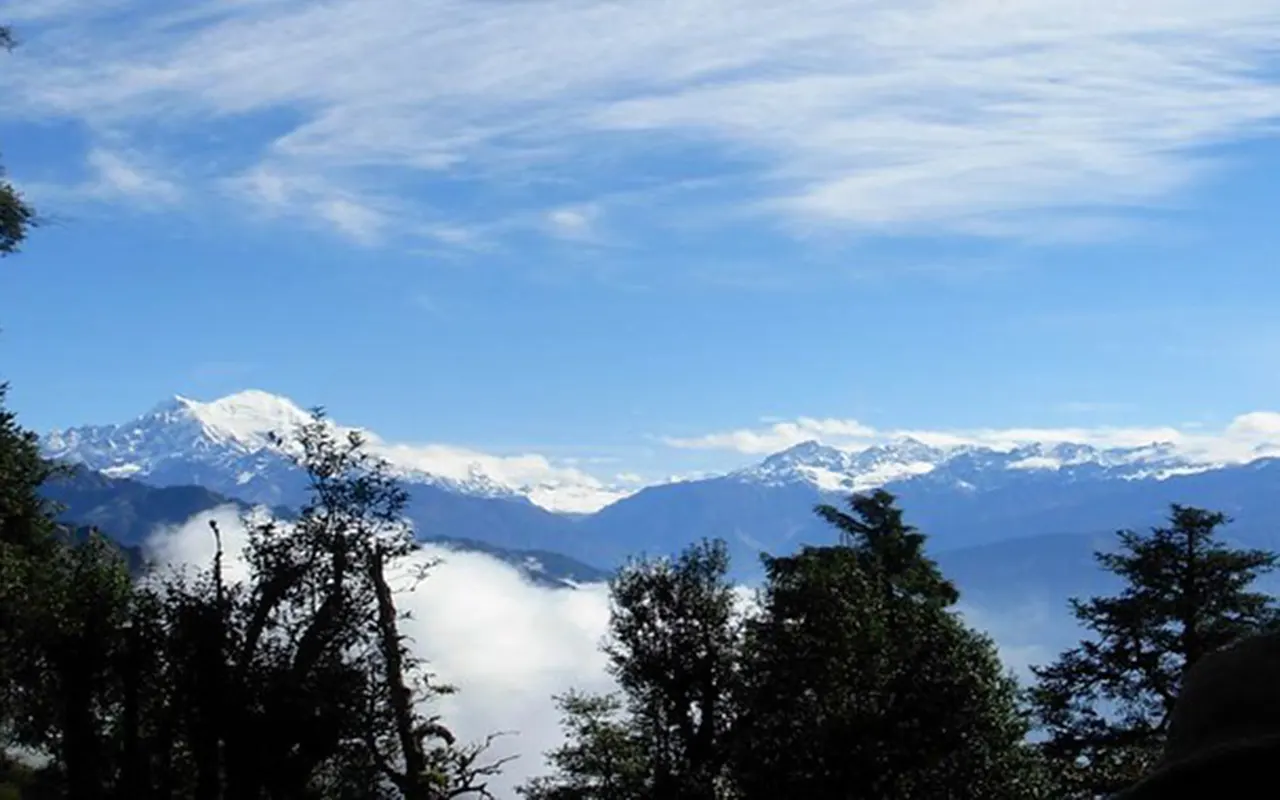
Tourist BusGanesh Himal Base Camp trek is a gratifying trekking experience in the Ganesh Himal region of Nepal that promises a blend of mountain views, traditional villages and a serene trekking experience. Located between the Langtang and Manaslu, the Ganesh Himal area is a relatively undiscovered tourist destination compared to some of the more popular trekking spots in Nepal. It makes an interesting option among those seeking a more peaceful walk. The journey will lead you through a variety of scenery as you proceed to the base camp of Ganesh Himal (4, 200 m / 13, 780 ft) through the low settlements and cultivated hills, to the higher alpine land.
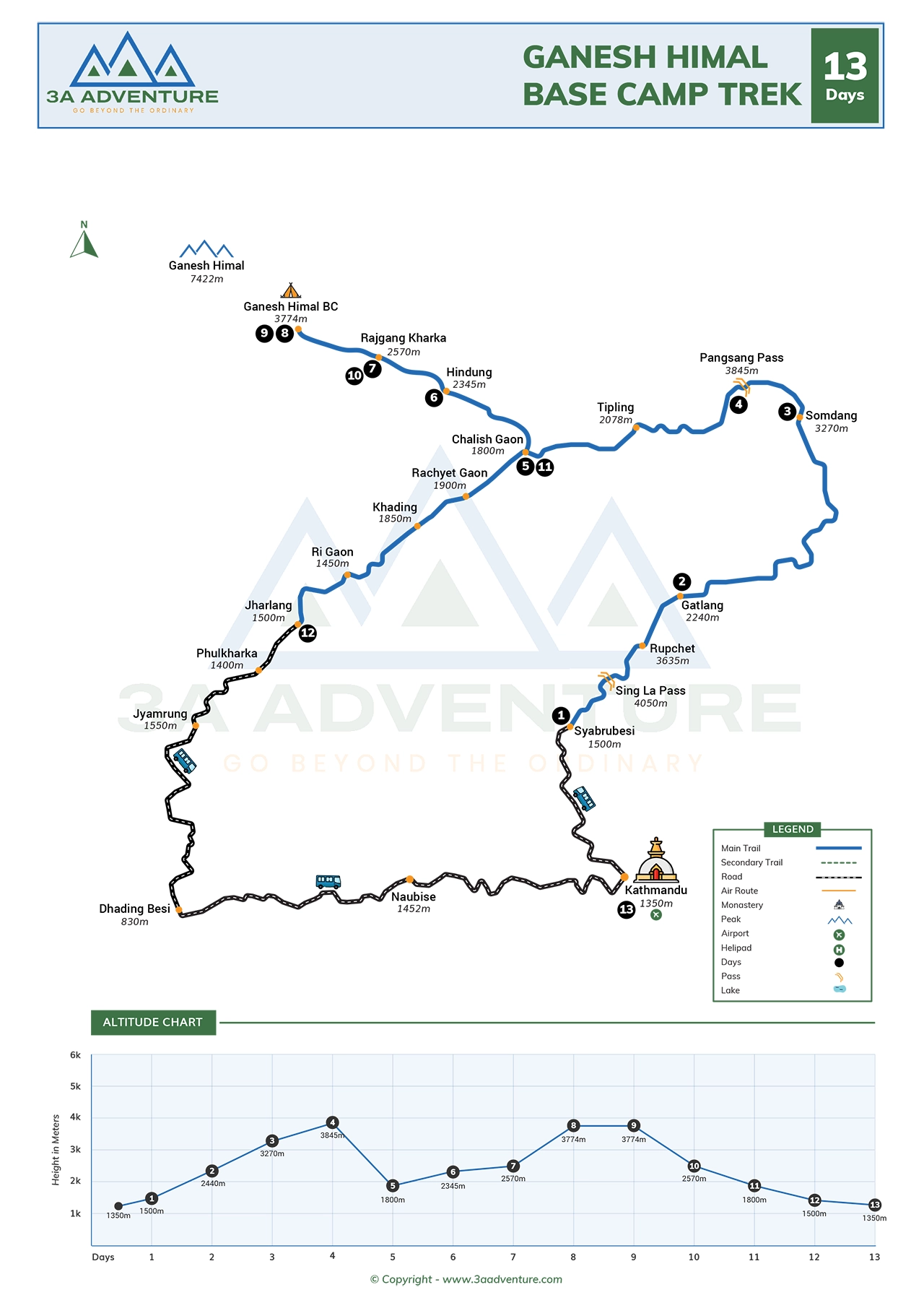
It starts with a Kathmandu-Syabrubesi drive and then entering the trekking area. The travellers cross the villages of Gatlang, Somdang, Chalise, Hindung and Rajgang Kharka. Each of the stops offers a varying view of life in the mountains and gives travelers a chance to feel the varying scenery as they rise in altitude. Crossing Pangsang Pass (3,850 m / 12,631 ft) is one of the significant landmarks of the trek. It is a significant location on the path before moving down to the lower valleys and proceeding with the journey to the base camp area.
Ganesh Himal trek is usually rated as moderate to difficult because of the time of the trek. The number of hours of walking and the amount of elevation that is gained throughout the trek. The trekkers ought to be ready to spend several consecutive days in the diverse terrain walking. The itinerary, however is gradual and it will assist the participants to acclimatize to rising altitude. The top-most place to stay overnight is at Ganesh Himal Base Camp (4,200 m / 13,780 ft), where the trekkers can spend their time in the area and enjoy the mountain environment before commencing the back trip.
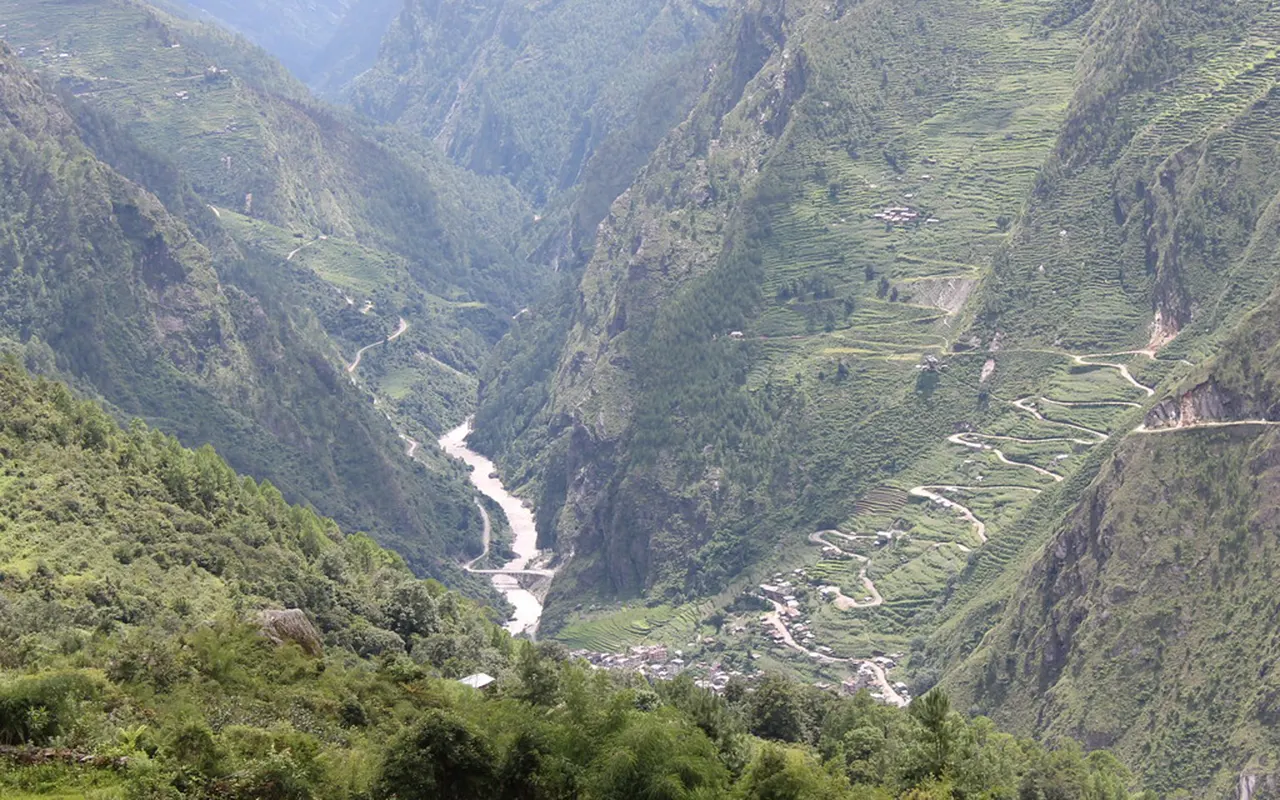
One of the main aspects of this Ganesh Himal Trek Itinerary is the balance in adventure and cultural experiences. The trail cuts through local villages where trekkers are able to experience the local lifestyle in the area and have a less crowded trekking experience. The mountainous terrain, the isolated routes, and the traditional societies make the trekking experience both genuine and satisfying.
The Ganesh Himal region is a good place to visit whether as an experienced trekker or as a traveler seeking a less-commercial trekking destination in Nepal. The trek can be enjoyed by a broad spectrum of adventure travelers with proper preparation, appropriate fitness, and sound support. 3A Adventure will take care of the logistics, permits, transportation, and trekking, assisting to make the arrival and departure well organized and enjoyable.
Today you are going from Kathmandu to Syabrubesi by road. The trek starts in Kathmandu at a height of (1,400 m / 4,593 ft) and continues on the road to Syabrubesi (1,500 m / 4,921 ft). This is where your trekking begins and where you have the chance to slowly forget the bustling city life. As the journey progresses, the scenery becomes less urbanized to a more rural.
It is a long land route that is a key link between Kathmandu and the trekking region. When you arrive in Syabrubesi, you may then have a day to rest and get ready to enjoy the days of trekking ahead. The transformation of the setting commences the hiking experience into the hills and mountains, and preconditions the impending days of trekking.
Activity: 7–8 hours Drive
Max. Altitude: 1,500m/4,921ft. (Syabrubesi)
Meal: Breakfast, Lunch and Dinner
Accommodation: Hotel, Lodge
Today you will trek from Syabrubesi to Gatlang. Beginning at Syabrubesi (1,500 m / 4,921 ft), the trail slowly rises to the elevated settlement of Gatlang (2,238 m / 7,343 ft). The day entails a gradual uphill and downhill progression in the region. As the trek progresses, you will be uphill and out of the lower valleys.
The pathway links two significant communities and offers a slow transition to the landscape of the region. The arrival at Gatlang is a considerable increase in altitude over the last day. Once you have finished your walk, you will be able to rest and plan the further ascent of the next day. The hike is a medium-level preparation for the hike and allows your body to get used to the rising height.
Activity: 5–6 hours Trekking
Max. Altitude: 2,238m/7,343ft. (Gatlang)
Meal: Breakfast, Lunch and Dinner
Accommodation: Lodge, Teahouse
Your trek will start at Gatlang and proceed to Somdang. Beginning at (2,238 m / 7,343 ft), today’s route takes you to the higher elevation of Somdang (3,271 m / 10,732 ft). It is among the more challenging days of the trip in the ascent since you will have made more than a thousand meters in altitude. The landscape grows more distant as the trek continues and the environment is more reminiscent of the environment of the high mountains.
The gradual ascent enables you to enter more into the trekking area and slowly reach the elevated areas of the trail. When you enter Somdang, you will be much higher in the air than it was the night before. The day is a significant one in the anticipation of the next journey along Pangsang Pass.
Activity: 6-7 hours Trekking
Max. Altitude: 3,271m/10,732ft. (Somdang )
Meal: Breakfast, Lunch and Dinner
Accommodation: Lodge, Teahouse
This day you will trek from Somdang to Pangsang Pass. You will begin at Somdang (3,271 m / 10,732 ft) and head upwards towards Pangsang Pass (3,850 m / 12,631 ft). This day brings you to one of the elevations that you have achieved in the trek. The path entails a gradual rise and further height increase. The pass is a significant point in the itinerary and a milestone in the journey.
At this altitude, the mountain setting is more accentuated and the feeling of being in a high-altitude space is more apparent. Once you get to Pangsang Pass, you might want to pause and enjoy the fact that you have made this great milestone in the pathway and then move on to the next phase of the adventure on the next day.
Activity: 5–6 hours Trekking
Max. Altitude: 3,850m/12,631ft. (Pangsang Pass )
Meal: Breakfast, Lunch and Dinner
Accommodation: Lodge, Teahouse
You will walk today from Pangsang Pass to Shertung and Chalise. Starting at Pangsang Pass (3,850 m / 12,631 ft), the trail runs down into the lower villages of Shertung and Chalise (1,875 m / 6,152 ft). This day has a major loss of elevation as compared to the last day. On leaving the peak of the journey, you will slowly descend through the terrain to lower grounds. The path links various parts of the route and represents a change in elevation between the elevated areas along the Pass and the lower areas beneath.
The altitude difference can be felt as you go down further. When you arrive at Chalise, you will have traversed one of the greatest up-and-down changes of the itinerary. The reduced altitude provides a good resting spot before going further into the area the next day.
Activity: 6–7 hours Trekking
Max. Altitude: 3,850m/12,631ft. (Shertung and Chalise)
Meal: Breakfast, Lunch and Dinner
Accommodation: Lodge, Teahouse
You will trek from Chalise to Hindung. As you begin with Chalise (1,875 m / 6,152 ft), the trail will take you steadily higher and higher to Hindung (2,400 m / 7,874 ft). Following the downward journey of the preceding day, this journey goes back to a uniform ascent path. The day gives you time to go further into the trekking area as you slowly realign yourself to the elevation.
The ascent is average and is per the natural development of the itinerary. The higher you go, the higher the elevation difference. You will have picked up over five hundred meters of altitude during the day when you arrive in Hindung. The camp is a necessary rest before the adventure goes on to even greater heights in the days to come.
Activity: 5–6 hours Trekking
Max. Altitude: 2,400m/7,874ft. (Hindung)
Meal: Breakfast, Lunch and Dinner
Accommodation: Lodge, Teahouse
You will begin trekking from Hindung to Rajgang Kharka. The day begins at an elevation of (2,400 m / 7,874 ft) and follows a gradual ascent to Rajgang Kharka (2,900 m / 9,514 ft). The path is a continuation of the gradual ascent to the elevated parts of the trail. You will ascend at a comfortable rate throughout the day as you pass through the mountainous area.
Compared to past days, the gain is moderate, which enables a comfortable day of trekking. The destination of Rajgang Kharka is a step closer to the upper destinations to come and a chance to have some rest before the next trip to the Ganesh Himal Base Camp. The slow ascent assists in keeping a steady pace as the walk goes deeper into the mountains.
Activity: 5 hours Trekking
Max. Altitude: 2,900m/9,514ft. (Rajgang Kharka )
Meal: Breakfast, Lunch and Dinner
Accommodation: Lodge, Teahouse
You will trek today from Rajgang Kharka to Ganesh Himal Base Camp, crossing Kalo Seto Kunda. It is among the most vital days of the trekking itinerary since it will bring you to the highest level of overnight destination in the journey.
The large increase in height demands a gradual rate over the day. Going over Kalo Seto Kunda, the path goes further up until the base camp is reached. The summit of attaining Ganesh Himal Base Camp is a big milestone and a major highlight of the whole trip.
Activity: 5–6 hours Trekking
Max. Altitude: 4,200m/13,780ft. (Ganesh Himal Base Camp )
Meal: Breakfast, Lunch and Dinner
Accommodation: Lodge, Teahouse
Today is an exploration day at Ganesh Himal Base Camp. This day will be spent in the base camp area and enjoying the environment around this high-altitude site. Contrary to the past trekking days, there is no variation in the place of stay. To rest at the same level, you have a more relaxed pace of time and are still at one of the highest points that you have reached during the trip.
The day is also dedicated to rest following the gradual rise of the previous days and before the turnaround journey commences. An extra day in base camp will break the monotony of the program and will allow you to enjoy this significant aspect of the trek. You will spend the night, once again, at Ganesh Himal Base Camp at the end of the day and get ready to descend the next day.
Activity: 4–5 hours Exploration
Max. Altitude: 4,200m/13,780ft. (Ganesh Himal Base Camp )
Meal: Breakfast, Lunch and Dinner
Accommodation: Lodge, Teahouse
Today you will hike back from Ganesh Himal Base Camp and onwards to Rajgang Kharka. Starting at (4,200 m / 13,780 ft), the route follows a descending trail toward Rajgang Kharka(2,900 m / 9,514 ft). Once the peak of the itinerary has been attained, the trip now starts picking up slowly towards the lower levels. The great loss of altitude makes this day not similar to the ascent days before the trek. The impact of the high-altitude environment will be felt less as you go down.
The path follows the same path as that which was taken previously, so you are able to re-explore some of the portions of the trail in a new way. On reaching the Rajgang Kharka, you will have covered a significant part of the reversal journey and can rest before proceeding downhill the next day.
Activity: 5–6 hours Trekking
Max. Altitude: 4,200m/13,780ft. (Rajgang Kharka)
Meal: Breakfast, Lunch and Dinner
Accommodation: Lodge, Teahouse
Your trek will begin from Rajgang Kharka and head towards Chalise. The trek is the same way back, as you go downhill to lower levels. The descent is gradual and is in keeping with the course of the itinerary. The environment is slowly transformed as you descend throughout the day, as you move from the higher mountain terrain that you were in earlier stages of the trek.
Going back to Chalise also signifies going back to a known halting point on the path. Once there, you will be able to rest and get ready for the last trekking days, and then the drive back to Kathmandu. The day provides an easy passage between the upper and the lower part of the route.
Activity: 5–6 hours
Max. Altitude: 2,900m/9,514ft. (Chalise)
Meal: Breakfast, Lunch and Dinner
Accommodation: Lodge, Teahouse
You will trek from Chalise to Jharlang. This day is the last day of trekking in the itinerary. The path is gradually descending and leads further to the lowlands. The closer you get to the end of the trek; the terrain becomes less challenging than the higher parts that you had already been to.
The day gives you a chance to look back at the progress achieved in the journey as you walk the last part. The end of the trekking aspect of the adventure is when Jharlang is reached. Once there, you will be able to rest and ready yourself to drive back to Kathmandu, which will be the next day.
Activity: 6–7 hours Trekking
Max. Altitude: 1,875m/6,152ft. (Jharlang)
Meal: Breakfast, Lunch and Dinner
Accommodation: Lodge, Teahouse
Today you are going to drive back to Kathmandu from Jharlang. This day is the last day of the itinerary and the end of the adventure. Once the trekking part of the trip is over, the drive gives one time to consider what you have accomplished and been able to experience in the last few days.
The path slowly leads you back to the capital city and the trek formally ends. The end of the whole program is marked as you move out of the trekking region and back to Kathmandu. Once there, you will have finished the trekking and driving portions of the itinerary, and your journey through the Ganesh Himal region will be successful.
Activity: 7–8 hours Drive
Max. Altitude: 1,500m/4,921ft. (Kathmandu)
Meal: Breakfast, Lunch and Dinner
Accommodation: Hotel
Note:
If you have a private group and prefer a personalized experience, we can organize a custom trip tailored to your requirements and group size, running it any day you choose.
Transportation
Food and Accommodation
Guide and support staff
Permits and Expenses
Medical and Gear
Others
International flights and visa
Travel and Medical Insurance
Others
Ganesh Himal Base Camp trek can be enjoyed at various seasons of the year, but spring and fall seasons are usually regarded as the best ones. These months normally have stable weather conditions and comfortable temperatures in which trekking can be done. During spring, there is warmer weather and the mountain can be clearly seen, whereas autumn seasons are characterized by pleasant weather and good visibility following the monsoon season.
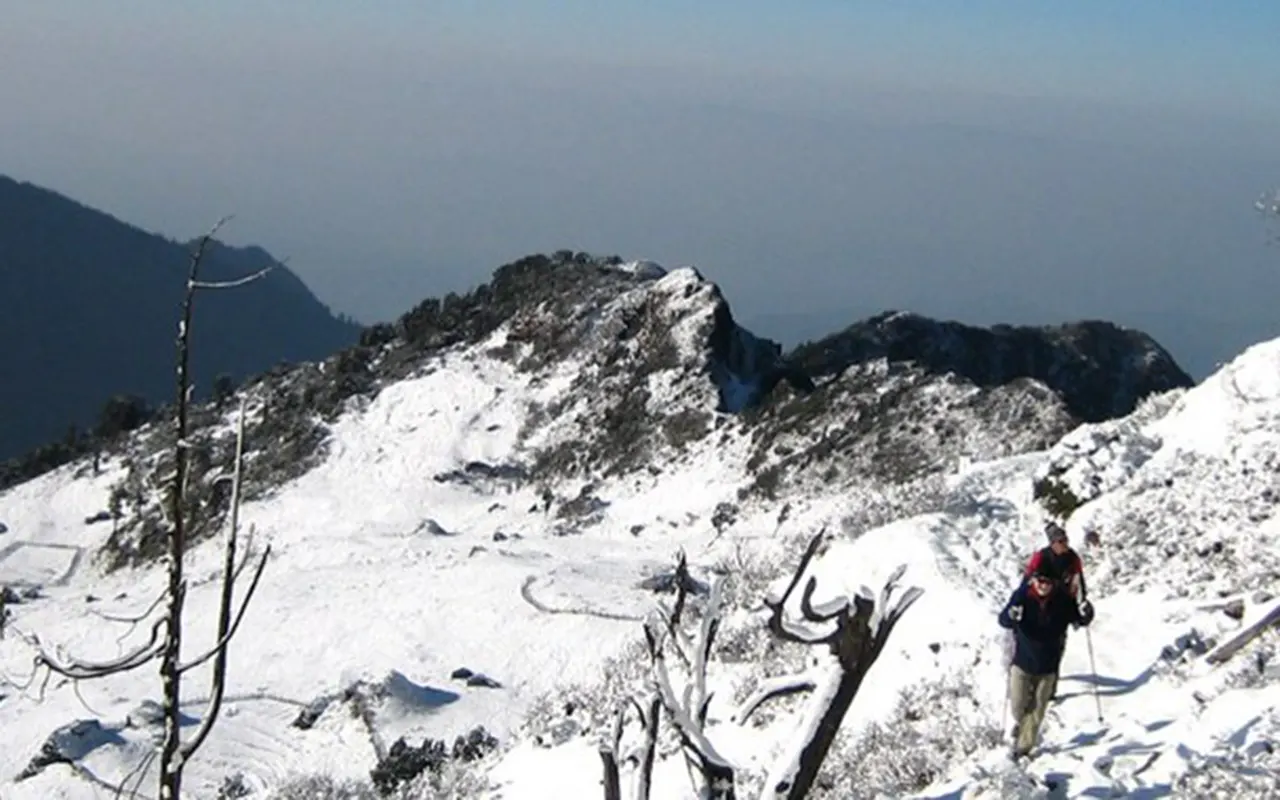
The trek can be done during winter, although when the weather is colder it may be more difficult to reach the summit at higher altitudes around Ganesh Himal Base Camp at (4,200 m / 13,780 ft). During the monsoon season, rainfall may affect trail conditions and visibility. The right time of the year can significantly enhance your entire trekking period. 3A Adventure can assist the trekker in choosing the appropriate departure dates depending on the seasonal conditions and their preferences for travelling to the Ganesh Himal Base Camp trek.
Ganesh Himal Base Camp trek is rated a moderate to difficult trek because of its length, varying terrain and high-altitude areas. Trekkers have to spend several hours daily as they increase and decrease in height during the process. The path goes to Ganesh Himal Base Camp (4,200 m / 13,780 ft) and is demanding on physical stamina and preparation. Prior trekking experience is optional, although it may be beneficial to determined and fairly fit travelers.
The gradual climb that is part of the itinerary assists the trekkers to become accustomed to the rising altitude. The trek can be made more comfortable by walking slowly and taking a lot of rest time. Most healthy trekkers can easily accomplish the Ganesh Himal Base Camp trek with the right planning, the right gear and the right expectations and enjoy the experience.
When climbing higher altitudes, trekkers may be affected by altitude sickness above (3,000 m / 9,843 ft). Ganesh Himal Base Camp is the highest point at (4,200 m / 13,780 ft), where one can spend the night. It is due to this high altitude that one should be aware of the signs of altitude sickness and prevent them. Symptoms can be headache, tiredness, dizziness, loss of appetite and difficulty in taking sleep. Trekkers need to be at a relaxing pace, keep hydrated, and not rush to greater heights.
The itinerary also contains a gradual increase in elevation, a factor that enables the body to adapt to the changing altitude in a natural way. Paying attention to your physical condition and informing your guide about any symptoms is important. Proper acclimatization and responsible trekking practices greatly reduce the chances of serious altitude-related problems.
Good preparation is also key to the successful completion of the Ganesh Himal Base Camp trek. Before the trip, trekkers are to work on their cardiovascular fitness, stamina and leg strength. This can be achieved by walking, hiking, jogging, cycling, etc regularly to build endurance over a few days of trekking. As the route goes as high as (4, 200 m / 13, 780 ft), physical training becomes even more significant. Training walks are also useful to practice carrying a daypack. Mental training is also essential as trekking is a series of several days of walking in distant mountainous regions.
Fitness work will help to make the experience more comfortable and enjoyable and can be started a few weeks or months before the departure. Maintaining a reasonable level of fitness enables trekkers to have a good experience with the changing trail environments, day-to-day ascents and descents during the journey.
The Ganesh Himal Trek Itinerary has food and accommodation, where trekkers are able to have a rest and rejuvenate along the trek. Accommodation is mainly provided in simple teahouses and lodges. Food is usually cooked in accordance with the energy requirements of trekkers and is eaten in the overnight rest points along the trail. Typically, breakfast, lunch and dinner are included depending on the contents of the package. Accommodation is normally made in local trekking lodges or basic guesthouses in the area.
As the trek ascends to the higher and more distant areas, facilities become more basic. The trekkers would anticipate comfortable yet basic services which are in tandem with mountain trekking. It is all about a place to rest and have meals and then move on with the journey of the next day. 3A Adventure book in advance accommodation and meal to ensure that the trekking experience is smooth.
An essential aspect of the Ganesh Himal Base Camp trek is transportation. The trip usually starts with a Kathmandu drive to Syabrubesi (1,500 m / 4,921 ft) where the trek begins. The trek ends with the travelers returning to Kathmandu by road via Jharlang (1,500 m / 4,921 ft). Travelling on roads enables trekkers to travel to the starting point and back to the ending point without domestic flights.
The time taken on the roads may fluctuate with road and weather conditions. The overland trip also offers a slow acclimatization of the city to the trekking area. Adequate transport facilities can assist in providing a more comfortable traveling experience and also enable the trekkers to concentrate on the adventure instead of worrying about logistics.
There are also communication facilities around parts of the trekking areas, but in the remote areas the coverage is likely to be minimal. Mobile networks can be used in bigger settlements on the road; however, the signal strength can be different according to the location and the weather conditions. Internet access can even be found in some of the stops for an extra fee, but the connection is often slow compared to cities.
Communication options might not be as reliable as they are at the Ganesh Himal Base Camp trek as it ascends to higher and more isolated locations. Trekkers will be advised to notify family and friends of potential communication restrictions before the adventure. Having a phone with a fully charged battery and a power bank can come in handy. It is a normal aspect of trekking in remote mountainous areas to be prepared in case you have to go without network connectivity at times.
The Ganesh Himal Base Camp trek has the necessary permits that trekkers require before embarking on the adventure. Langtang National Park Entry Permit and TIMS Card permits are needed before embarking on this trek. It assists in controlling tourism and in managing trekking regions. The permit requirements can differ depending on the existing policies of government regulations and trekking. Before getting into the trekking area, it is important to get all the required documents. Hiking without proper permits could lead to fines or disruption of travel.
The majority of trekkers prefer to use a registered trekking company to get permits so that the arrangement becomes easier. Checks on permits can be conducted at specific spots in the route, and therefore the documents ought to be carried around throughout the trek. With the right permits, the trekking experience will be legal, enjoyable, and responsible and help in the management of tourism in the area.
Visas are necessary to enter Nepal for all foreign travelers except citizens of countries that have special agreements. Before traveling, visitors must make sure that their passport is valid for the duration they need to travel. Tourist visas come in various periods depending on the travelling plans. As the Ganesh Himal Base Camp trek takes a few days in the mountains, tourists are advised to ensure that their visa will cover the entire period of their stay in Nepal.
Visa policies and charges may evolve so, it is advisable to research the current information before the trip. It is also important to carry copies of important travel documents. Preparation of the visa paperwork prior to the start of the trek will prevent unnecessary complications in the trip.
Travel insurance is highly suggested for any participant of the Ganesh Himal Base Camp trek. An appropriate policy must offer cover for trekking, medical treatment and halts in the trip, and emergency aid when need be. Trekking at this height is covered by insurance policies of trekkers, and therefore they must ensure that they have insurance to cover trekking on the route to the Ganesh Himal Base Camp (4,200 m / 13,780 ft).
Insurance may take care of the finances in case of unforeseen circumstances in the trip. Travelers must thoroughly consider policy information, coverage limits, and exclusions. It is also a good idea to carry a copy of your insurance information along with the trek. Proper insurance enables trekkers to go on the trip with a lot of confidence and peace of mind.
Although a lot of services are covered by a trekking package, a traveler needs to plan on spending money on a personal basis when undertaking the Ganesh Himal trek. Such expenses can be drinks, snacks, personal purchases, charging of electronic devices, the use of internet, staff tips and other personal expenditures. The quantity required depends on individual tastes and mode of travel.
It is advisable to carry Nepalese Ruppe cash as in remote places, there might be few banking facilities. Trekkers ought to have a little emergency fund as well to cover any unexpected cases. Anticipating extra costs will assist in eliminating inconvenience in the trip. Knowing what is possibly not part of the package can enable the traveler to better plan his budget and go on the trek without worrying about the money.
Ganesh Himal Base Camp trek is either a group trek or a private trek. A private journey is more flexible and the schedule can be made to suit the interests of one or small groups. Group treks are characterized by the fact that participants have common departure dates and an itinerary. The two alternatives share the same trekking path and offer the experience of the mountain environment.
Other travelers like to have a private departure to add more flexibility, whereas some travelers like the social group travel. 3A Adventure provides private and group departures, so that trekkers can select the solution that best suits their traveling style, schedule, and expectations of the trip.
General
The Ganesh Himal Base Camp trek is a trekking adventure that takes one to Ganesh Himal Base Camp at (4,200 m / 13,780 ft).
The average route is typically 13 days with transportation and trekking days.
Preparation & Fitness
Prior trekking experience is not necessary, but is desirable when one is of reasonably good physical shape.
It is advisable that you walk several hours per day on a series of days.
Insurance & Visa
All trekkers are highly advised to insure themselves.
A tourist visa is required for most foreigners traveling to Nepal either before arrival or upon arrival.
Guides & Support Staff
Yes, trekking tours may have professional guides and support personnel.
Accommodation and Facilities
The route normally offers accommodation in the local lodges or guesthouses.
Some locations may have charging facilities for an extra fee.
Weather & Seasons
Spring and autumn are regarded as the most appropriate seasons to go on a trek.
Yes, but it can be colde, and the walk can be harder.
Health & Safety
Yes, altitude sickness is something trekkers need to know since the trek goes up to 4,200 m / 13,780 ft.
Booking & Payment
The trek can be booked with 3A Adventure by confirming your required travel dates and arrangements.
Transportation & Flight
No, this is an itinerary that involves road transport between Kathmandu and the trekking area.