Weather and Best Season
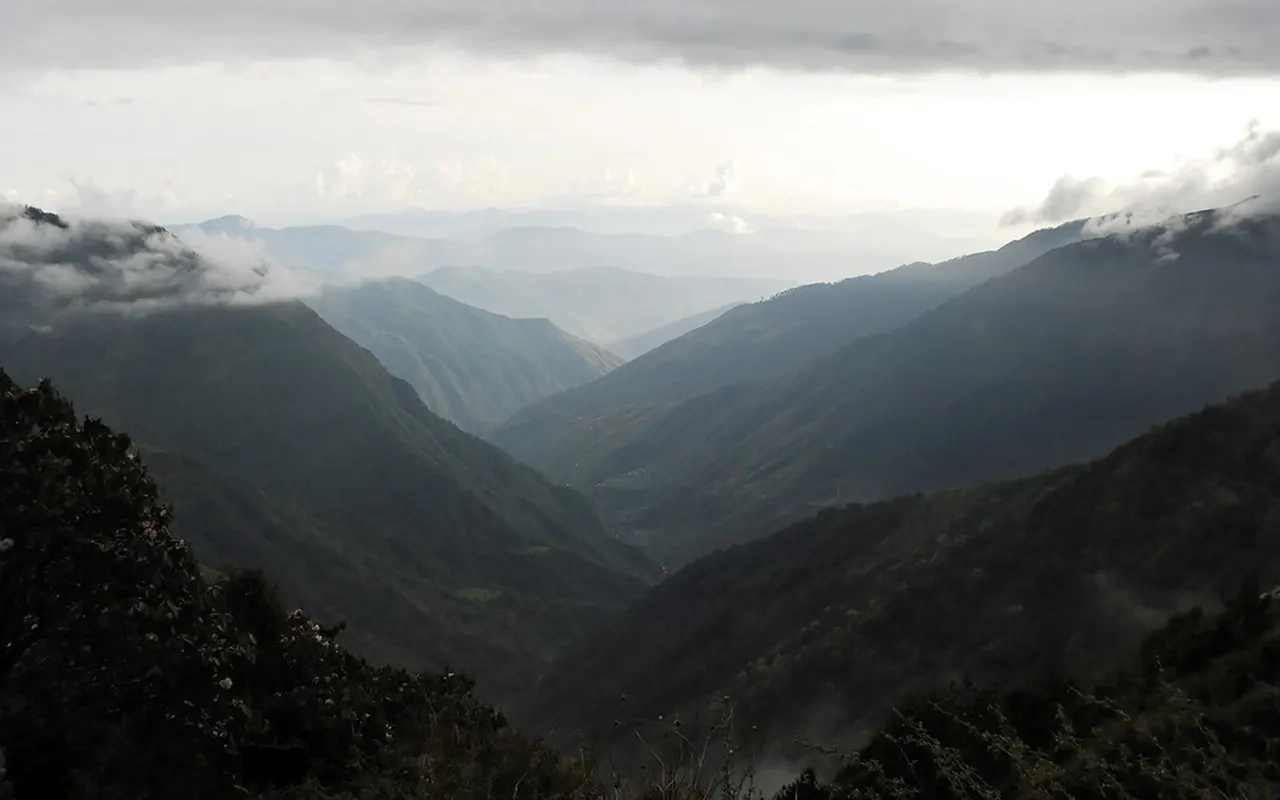
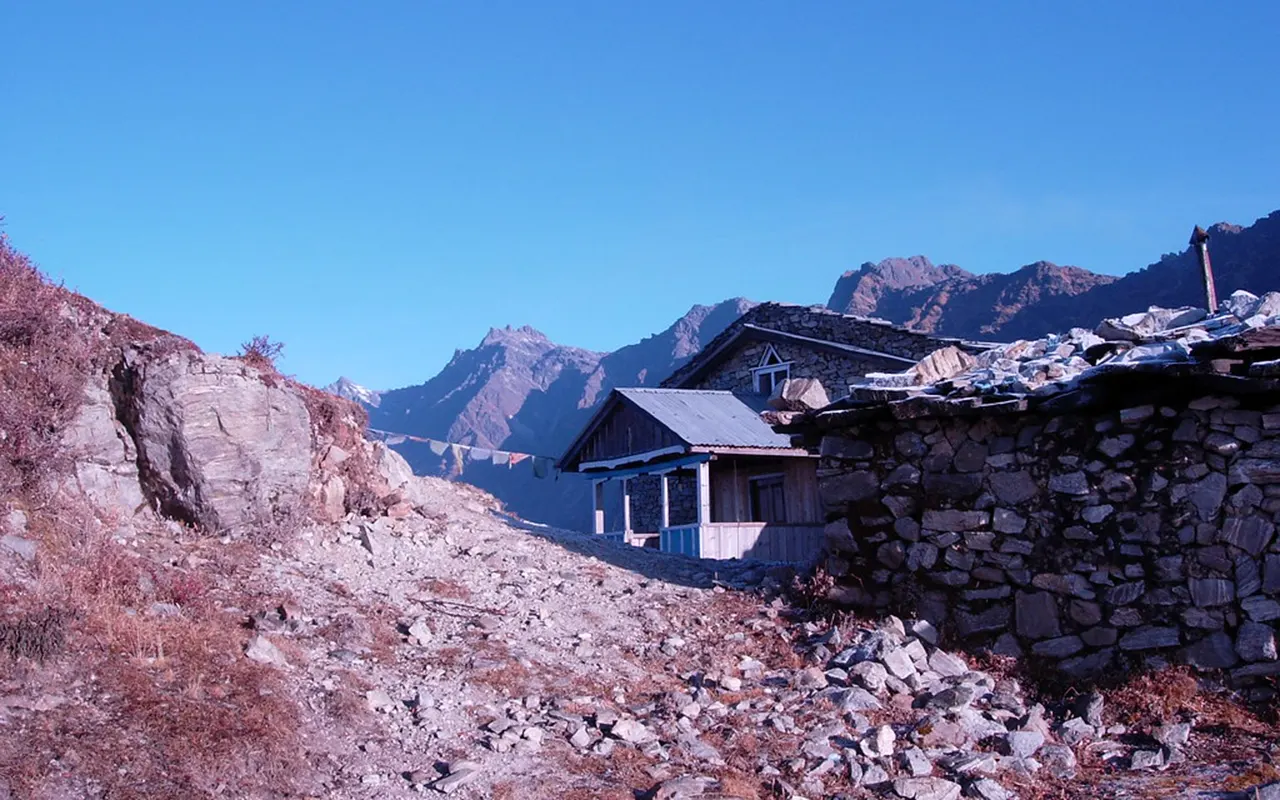
Helambu Trek may be experienced in any season of the year, but spring and autumn are regarded as the most favorable. In the spring, the woods on the trail are colored with rhododendron flowers, and can be seen clearly with mountain views often seen at elevated places. Autumn offers stable weather, favorable temperatures, and visibility, making it a good season to go trekking.
Winters are typically quieter, and the weather may get cold, more so in higher altitudes, like Thadepati (3,650 m / 11,975 ft). The monsoon season is during the summer, and will be associated with increased rain and cloudy weather, which could impact mountain sight lines and trail conditions.
The Helambu Trek route crosses forests, villages, and ridges, and therefore it may vary depending on the weather during the day. Trekkers ought to be ready for warm days and colder mornings and evenings. It will be useful to check the forecast and pack appropriate clothes before travelling so as to be sure of a comfortable trekking experience.
Difficulty Level
The Helambu Trek is said to be a moderate trek and is accessible to individuals with an average fitness level. It does not involve any technical climbing and thus can be a good choice for first-time trekkers and even experienced hikers who want to take a short journey in the Himalayas.
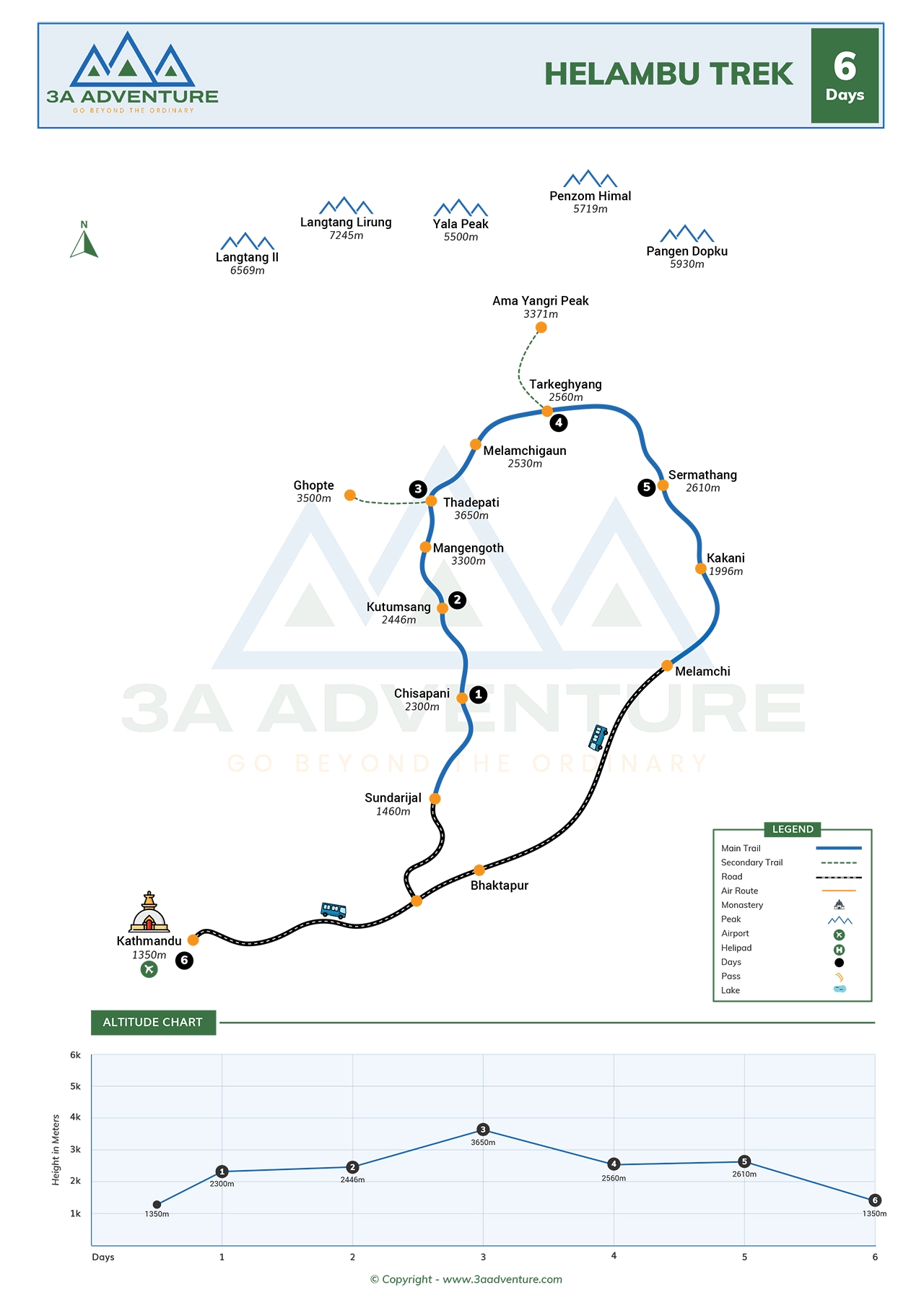
The route involves both ascending and descending, with walking through forests, villages and mountain ridges. Certain days will have more walking, whereas some days will have less walking, but with steep areas. The height to Thadepati (3,650 m / 11,975 ft) is typically the hardest part of the trek, as it is the highest point of the trek.
The trekking days usually entail a few hours of walking and therefore the trekkers must be in a position to endure extended physical work. Frequent rests, moderate speed, and hydration make the journey even more pleasant. A properly scheduled Helambu Trek Itinerary will enable trekkers to slowly accustom themselves to the varying altitude and trail conditions and appreciate the cultural and natural features of the area.
Altitude Sickness
Despite the fact that the Helambu Trek does not go as high as most of the popular treks in the Himalayas, altitude-related problems should still be considered by trekkers. Thadepati is the highest point overnight (3,650 m / 11,975 ft), and some individuals might experience slight symptoms at higher altitudes.
The typical symptoms may be headache, fatigue, loss of appetite, feeling dizzy, or insomnia. The symptoms are generally mild since the body is given time to adapt. The risk can be mitigated by walking in a moderate fashion, consuming adequate water, and avoiding unnecessary exercise.
The majority of trekkers do not have any significant issues with altitude, yet it is worth noting how your body responds during the trek. In case of severe symptoms, it is safer to go down to a lower altitude.
A well-planned Helambu Trek trip will have a well-thought-out path which will enable a gradual increase in altitude and which will support the participants throughout the trek to ensure that they have a comfortable and safe experience.
Preparation and Fitness
The Helambu Trek will be more comfortable and enjoyable with good preparation. Although the trek is not assumed to be too challenging, the participants must possess a basic fitness level and be able to walk several hours a day over uneven surface.
Regular exercises like walking, hiking, jogging, cycling, or climbing stairs a few weeks before the trek can be used to enhance stamina and endurance. The development of cardiovascular fitness and leg muscle strength will make it easier to cope with uphill parts.
It is also important to pack the right clothing and equipment. Layering is effective due to the fact that temperature may change during the day. Comfortable trekking shoes, a day pack, a water bottle and rain protection are essential items to carry.
It is also helpful to be mentally prepared. The mountain experience also includes trekking activities, which can include fluctuations in weather conditions and extended walks. By adhering to the suggested Helambu Trek Itinerary and having the right attitude, trekkers are likely to be able to enjoy the landscape, villages and cultural experience that they get throughout the course of the journey.
Food and Accommodation
The Helambu Trek has food and accommodation offered at the local tea houses found on the way. These basic cabins provide a good place to sleep at the end of the day of walking and a chance to communicate with people in the area.
Food is usually cooked on the spot and can consist of a mix of Nepali and simple foreign foods. The tea houses also offer breakfast, lunch, and dinner, which helps trekkers to have energy during the trip. Hot beverages and snacks may be available as a separate purchase.
Comfort is generally cheap but convenient, featuring plain rooms which are used by trekkers. Facilities are different in different villages, and the comfort level may be less in higher places like Thadepati (3,650 m / 11,975 ft).
The Helambu Trek package organized by 3A Adventure normally includes accommodation in tea houses and meals throughout the trek, which allows tourists to concentrate on the experience and experience the hospitality of the local mountain societies.
Transportation
The Helambu Trek has easy transportation due to the fact that the trail starts near Kathmandu. Trekking often begins with a drive from Kathmandu to Sundarijal, the primary beginning of the trek. The trek is more affordable and accessible to a wide range of people because this short road drive enables trekkers to get to the trailhead without domestic flights, unlike many other trekking routes in Nepal.
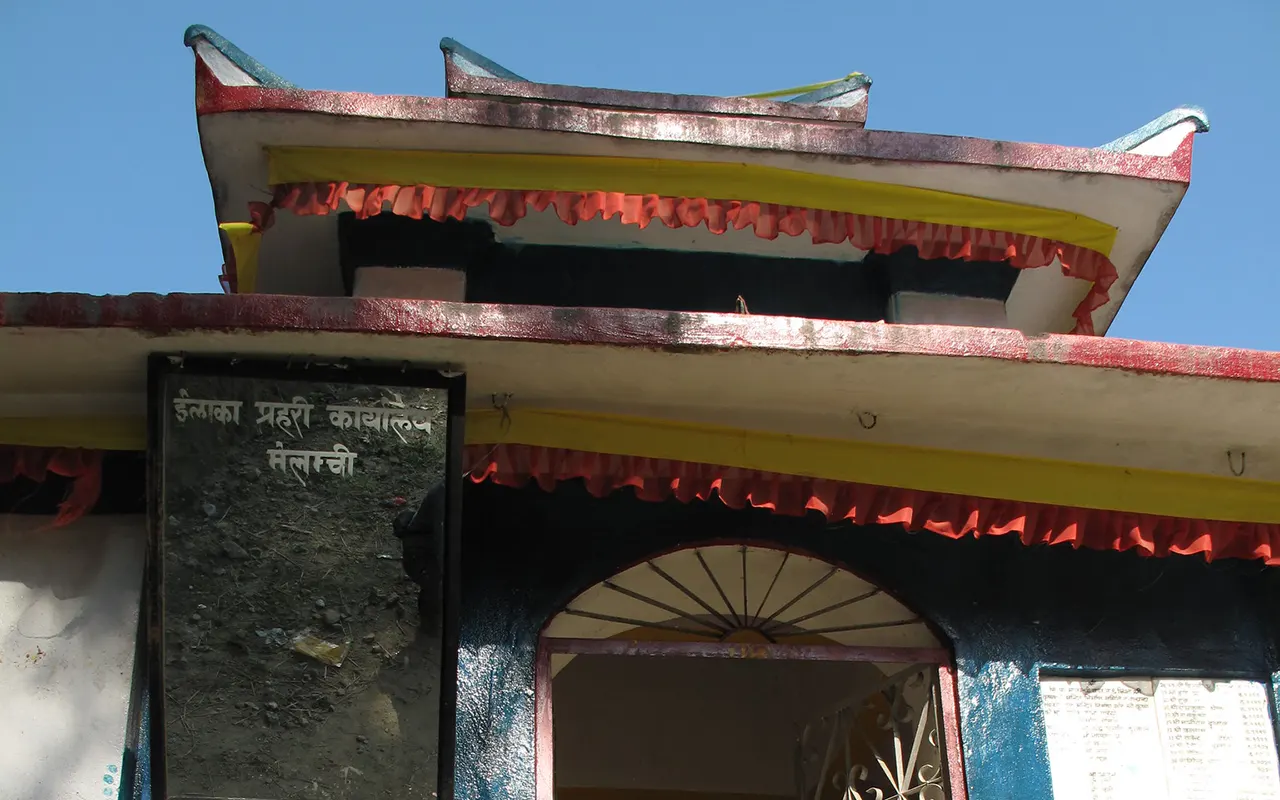
Having finished the trek, tourists typically drive down to Melamchi Bazaar and back to Kathmandu via road. The drive gives a good chance to rest and contemplate the trekking experience. The weather and seasonal factors can alter the road conditions, and thus the traveling time can sometimes be different.
The easy access to the Helambu Trek from the capital city is one of its advantages. The road transport and trekking ensure that the experience is easy for both locals and foreigners. A large number of tourists opt to book a package tour of the Helambu Trek, which takes care of all the transportation they need, and they are then free to concentrate on the trekking aspect of the trip.
Communication
Mobile phone services are commonly found in the Helambu Trek in most villages, although the quality of services can differ depending on the location and weather. Mobile network services are available in most parts of the route, especially in the vicinity of larger settlements. Nonetheless, the strength of the signal may decrease in more distant locations.
Mobile networks and basic communication services are available in many tea houses. Some villages may also have access to the internet, but the speeds are usually slower than Kathmandu. Do not assume that you can be connected all the way through the trek.
It is a nice idea to inform family members and friends about potential communication restrictions prior to commencing the journey. It can also be helpful to have a fully charged phone and a power bank to keep communication alive at any time necessary.
Although contemporary communication can be found everywhere, the Helambu Trek is also an opportunity to unplug and reconnect with nature and its beauty. Numerous hikers enjoy the fact that they can spend a few days in the mountains without being distracted by digital devices.
Permit
The Helambu Trek requires trekking permits before entering the trail. These permits help control tourism activities and aid in conserving and managing the trekking areas. Before starting the journey, trekkers ought to make sure that they have all the necessary permits.
Depending on the government regulations, permit requirements may change over time, and therefore it is always better to verify the current information before traveling. Trekking programs that involve travelers typically have arrangements for permits done on their behalf.
It is also important to carry permit documents during the trek since they might be inspected at different points during the trek. It is also advisable to have copies of their travel documents with them when seeking permits by the Trekkers.
Gaining permits is usually an easy task when good documentation is available. A lot of trekkers choose to book a Helambu Trek package as permits, paperwork, and administrative issues are usually taken care of prior to the actual trek so that participants can just start their trek without any undue hassle.
Visa
Those international travelers visiting Nepal to do the Helambu Trek need to have a Nepal visa. A majority of the visitors will be able to get a tourist visa when they arrive at most of the key entry points, such as the international airport in Kathmandu, as long as they conform to the prevailing immigration criteria.
It is important that the traveler makes sure to have a valid passport with enough blank pages to stamp the visa. The immigration policies, the visa charge, and the allowable duration of stay can vary, and therefore before one travels, it is advisable to verify the current government policies.
Tourists intending to spend more time in Nepal must make sure that the visa period is long enough to accommodate the duration of the trekking time, and any other sightseeing or traveling activity. When one wants to go on a trek, it is always convenient to sort out visa issues prior to the start rather than trying to make alterations on the way.
Travel Insurance
Anyone participating in the Helambu Trek is highly advised to have travel insurance. Even though the trek has been defined as moderate, mountain travel is always associated with some risks associated with weather, health, transportation, and unexpected conditions.
An appropriate insurance policy must be in place to cover trekking activities, medical treatment, emergency treatment, and interruptions in the trip. Travelers ought to thoroughly examine the coverage terms and conditions before they buy a policy and make sure that trekking at the peak of the trek is covered.
Insurance can be a good aid in case something unforeseen happens on the way. Without proper coverage, medical costs, travel delays, or an ambulance may be expensive. Insurance will also give peace of mind to the trekkers and their families.
Before traveling, it is a good idea to have both paper and electronic versions of insurance documents. This is a minor thing of creating adequate insurance cover that may go a long way should there be need to seek help in the trek.
Extra Expenses
Although a package to visit the Helambu Trek might cover most of the costs, there are other expenses that trekkers must cover when they visit the area. These extra expenditures are different in relation to personal preferences and expenditure patterns.
Typical incidental costs can be snacks, hot beverages, bottled water, internet, phone charging, laundry services, and personal purchases along the trail. There are also trekkers who can decide to purchase local souvenirs.
It is advisable to carry an additional amount of cash as sometimes the payment facilities may be scarce in remote trekking destinations. There are less old settlements that might not offer electronic payment, so the most feasible way of payment will be cash.
It is better to plan a sensible personal budget before traveling to avoid any sudden situation in the course of the trek. Although the Helambu Trek is regarded as a relatively inexpensive trekking location, extra cash will guarantee more freedom and comfort during the tour.
Private and Group Trek
The Helambu Trek is available in both individual treks and group treks, according to your preferences and mode of traveling. The two alternatives have their distinct benefits and offer unforgettable experiences in the Helambu area.
A personalized hike will be more flexible in terms of daily walks, walking rate, and personal preferences. It could be a great option among families, couples, and also travelers in need of a more personalized experience. The participants can usually proceed at their own pace, depending on their fitness and interests, in private arrangements.
Group treks unite travelers of various origins who are on the same trekking path. Most individuals like the social environment, experience, and possibilities to interact with other trekkers on the trip.
Regardless of whether a person opts to take a personal or group adventure, the Helambu Trek has some of the most beautiful mountain views, cultural experiences, and rewarding trekking experiences. Both of these options can be organised by 3A Adventure, and the choice of the style that best fits the expectations, budget, and travel objectives can be made by the traveller.