Based on 27 reviews
Trip Duration
15 DaysTrip Difficulty
ModerateMax Altitude:
5,545m. / 18,192ft.Group Size
2 to 25 personBest Season
Autumn, SpringMeals
Breakfast, Lunch and DinnerAccommodation
Teahouse/ Hotel/ LodgeTransportation
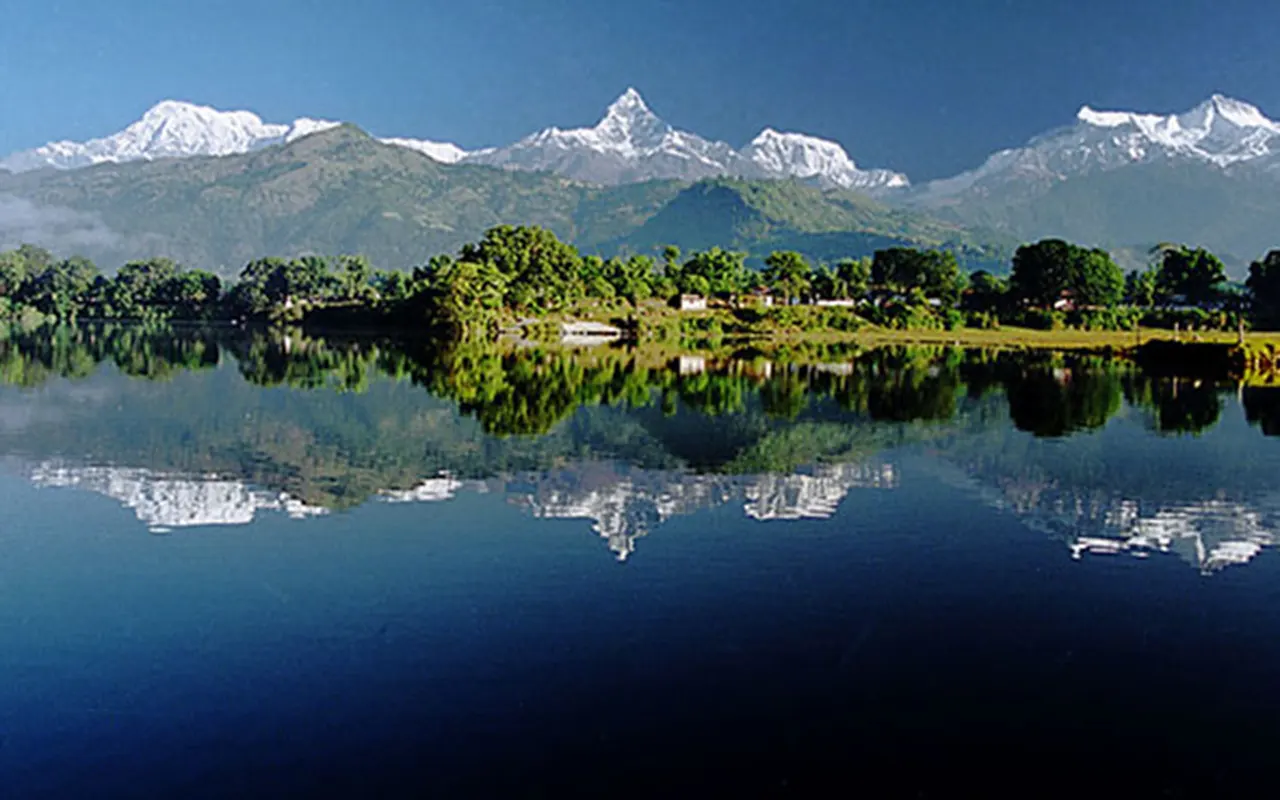
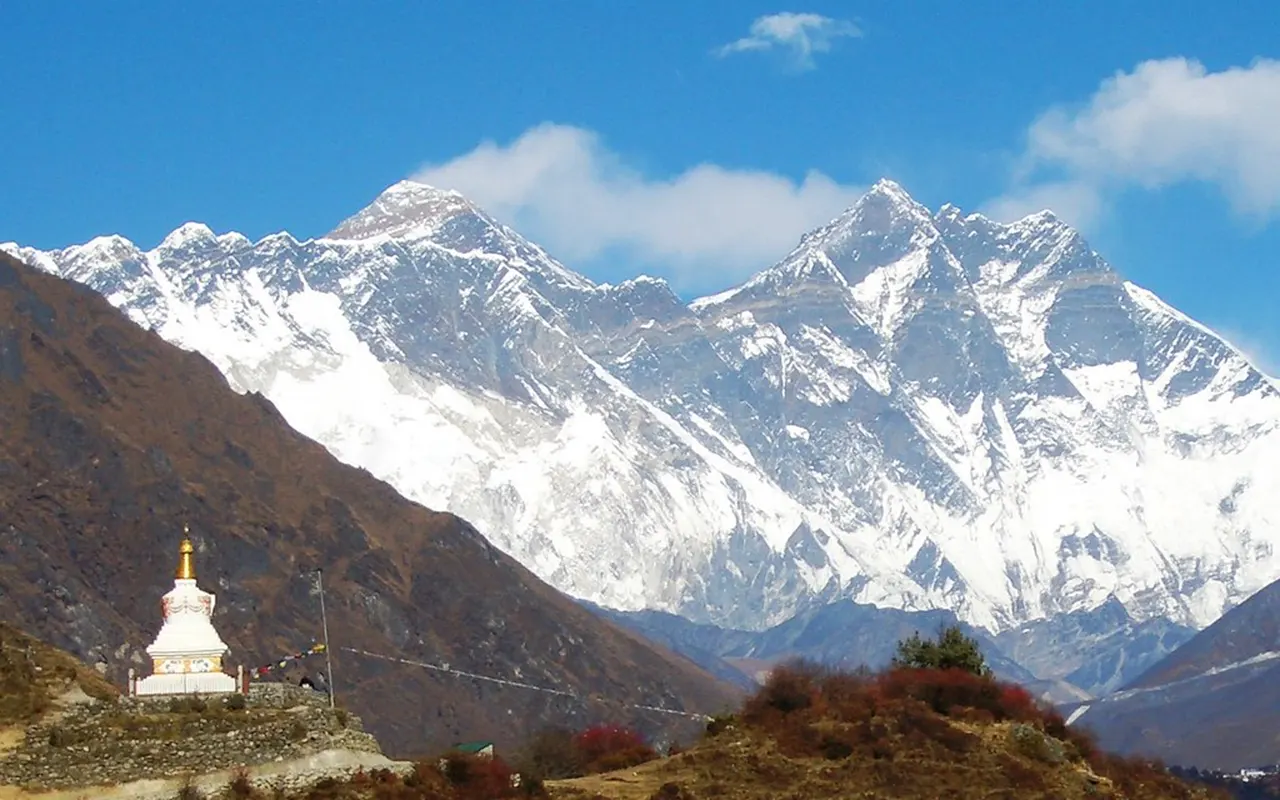
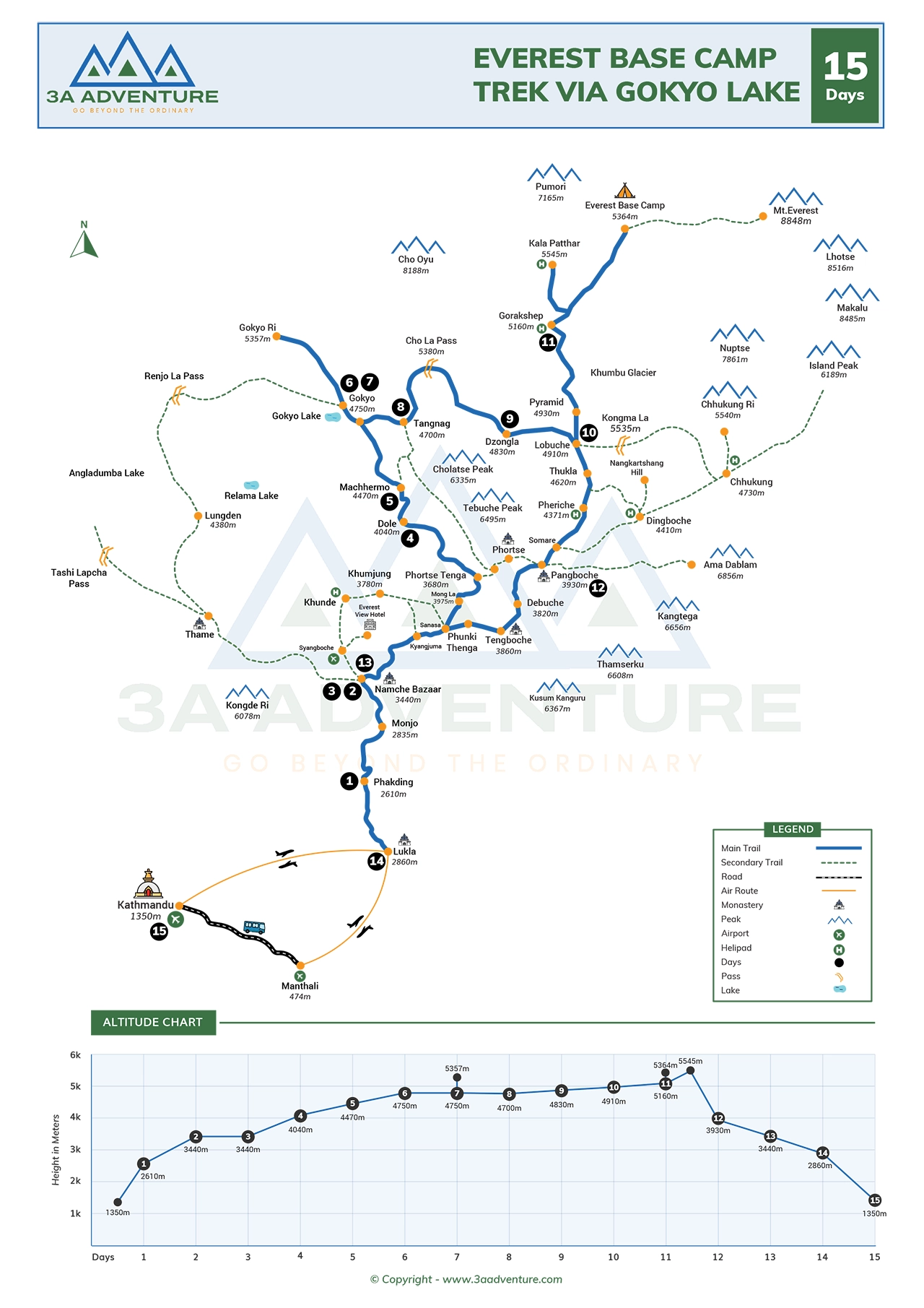
Tourist BusThe Everest Base Camp Trek via Gokyo Lake is a trekking experience in Nepal that is both the most rewarding and most attractive and breathtaking, as it incorporates the classic Everest Base Camp trail with the incredible Gokyo Valley. This trek is an ideal combination of Himalayan scenery, the culture of Sherpas, mountain passes, glacier scenery, and spectacular views. The route is also not taken all the way along the conventional Everest trail, but rather through the quiet Gokyo area, with its clear lakes and breathtaking mountain views.
The trek starts with a picturesque flight to Lukla and continues along pristine trails through the traditional villages, suspension bridges, and forested mountainsides. As you enter further into the Khumbu region, you will come across Namche Bazaar, which is one of the most significant settlements of the Everest area. Properly scheduled acclimatization days assist your body to adapt to the rising altitude and give time to study the local environment.
The ascent to Gokyo Ri, a well-known observation point, provides unbelievable scenes of some of the largest mountains in the world. This path then leads through the difficult Cho La Pass and then onto the track of the classic Everest Base Camp. Trekkers have breathtaking scenery of glaciers, mountain valleys, and rocky Himalayan scenery.
The Gokyo Lake Everest Base Camp Trek will also lead you to the legendary Everest Base Camp and the renowned Kalapathar viewpoint, where breathtaking scenery of Mount Everest and the other mountain ranges leaves indelible marks. Each day is a new experience, with tranquil lakes and quiet villages, mountain scenery and extreme sports.
15 days Everest Base Camp Trek via Gokyo Lake is a journey that can be recommended to every trekker who would like to have a more varied experience with Everest, with more scenery and fewer crowds in some parts of the trail. Well-organized acclimatization, professional assistance, and logistics guarantee an enjoyable and safe trip with 3A Adventure in one of the most picturesque trekking areas of the world.
Your trip today starts with a picturesque flight through Kathmandu to Lukla. This mountain flight is a short flight giving a lovely view of the Himalayan land with remarkable mountain ranges and hills. Once you reach the Tenzing Hillary Airport in Lukla, you will see the trekking trail and start walking towards Phakding. The speed is maintained at an easy level since this is the first day of the trek and your body is getting used to the rising level of elevation.
The path cuts across the village of Chaurikharka and continues along a lovely road through the Khumbu Valley. In the process, you will be able to appreciate the serene nature of things and have your introduction to trekking in the Everest region. The hike is not that bad, and it gives one a preview of the adventure that is to come. Upon arriving at Phakding (2,610 m / 8,563 ft), you can rest and have a look at the next day’s work.
Activity: 3 hours Flight and Trekking
Max. Altitude: 2,860m/9,383ft. (Phakding)
Meal: Breakfast, Lunch and Dinner
Accommodation: Teahouse, Lodge
Today you will trek from Phakding to Namche Bazaar. The path is along the Dudh Koshi River and leads you slowly further into the Everest region. During the day, you will have a gorgeous sight of the mountain peaks covered by snow soaring out of the valleys. Among the best parts of the current trip has been crossing various suspension bridges that link various parts of the trail. They include the well-known Hillary Suspension Bridge that is one of the most notable sights along the route.
The trail consists of a combination of flat areas with some of the more challenging ascending climbs as the trail ascends. The view is more dramatic as you go higher, making the trekking experience worthwhile. You will reach Namche Bazaar, the bustling mountain village at (3,440 m / 11,286 ft) after a few hours on the trail. This is a strategic point that is a major entrance point for trekkers and climbers visiting the Everest area.
Activity: 7 hours Trekking
Max. Altitude: 3,440m/11,286ft. (Namche Bazaar)
Meal: Breakfast, Lunch and Dinner
Accommodation: Teahouse, Lodge
The day is spent on acclimatization at Namche Bazaar. Resting and adapting to the altitude is a significant part of the trip, and it prepares your body for the increased elevations to come. You will be spending the day in Namche Bazaar (3,440 m / 11,286 ft). The town has diverse amenities such as cafes, restaurants with Wi-Fi connections, souvenir shops, and trekking gear shops. When you are free, you can explore some of the local attractions nearby. There are the Sagarmatha National Park Visitor Center, Buddhist monasteries, Hillary School, and the nearby yak farms.
It is a great day to immerse yourself in the local culture and at the same time have an experience of the unique mountain ambiance. You are able to walk at a slow pace, take photos, and enjoy the view of the environment around you. At the end of the day, you will have become acclimatized and will be prepared to resume your walk to the higher parts of the road.
Activity: 3 hours
Max. Altitude: 3,440m/11,286ft. (Namche)
Meal: Breakfast, Lunch and Dinner
Accommodation: Teahouse, Lodge
On this day, you will trekking from Namche Bazaar to Dole. The path departing Namche takes a rocky path that has both ascents and descents. After approximately two hours of the journey, you will go to Mong La Pass, where you will start experiencing great mountainous scenery. From this perspective, you are able to see beautiful landscapes with mountains like Ama Dablam and Khumbila. The trail leads down the pass through beautiful forests, rhododendron trees, and pine trees. The beauty of the natural environment is that it offers a quiet hiking experience as you proceed to Phortse Tenga.
The path slowly winds up the valley. The landscapes vary throughout the day, offering diverse, unforgettable scenery. Several hours of hiking will bring you to Dole, where you will find yourself (4,038 m / 13,248 ft). The elevation and the relative silence provide a contrast to the hectic town of Namche Bazaar.
Activity: 8 hours Trekking
Max. Altitude: 4,038m/13,248ft. (Dole )
Meal: Breakfast, Lunch and Dinner
Accommodation: Teahouse, Lodge
You will begin your trek from Dole to Machhermu. The trail turns slowly uphill, going through open alpine terrain and pretty grazing meadows where the yaks are kept. Along the path, you will be able to see colorful prayer flags and little shrines which demonstrate the spiritual traditions of the territory. The mountainous scenery is even more spectacular as you go up the valley. The gorgeous sight of Cho Oyu, the sixth-highest mountain in the world, is one of the attractions of the day.
The path makes its way through the villages of Lapharma and Luza, where one can get a glimpse of the local life in this isolated Himalayan region. The hike is not as long as some of the other trekking days, and you can take time to relax in the scenery. You will later arrive at Machhermu (4,470 m / 14,665 ft) where you will rest through the night and pack to journey to the Gokyo region.
Activity: 3 hours Trekking
Max. Altitude: 4,470m/14,665ft. (Machhermu )
Meal: Breakfast, Lunch and Dinner
Accommodation: Teahouse, Lodge
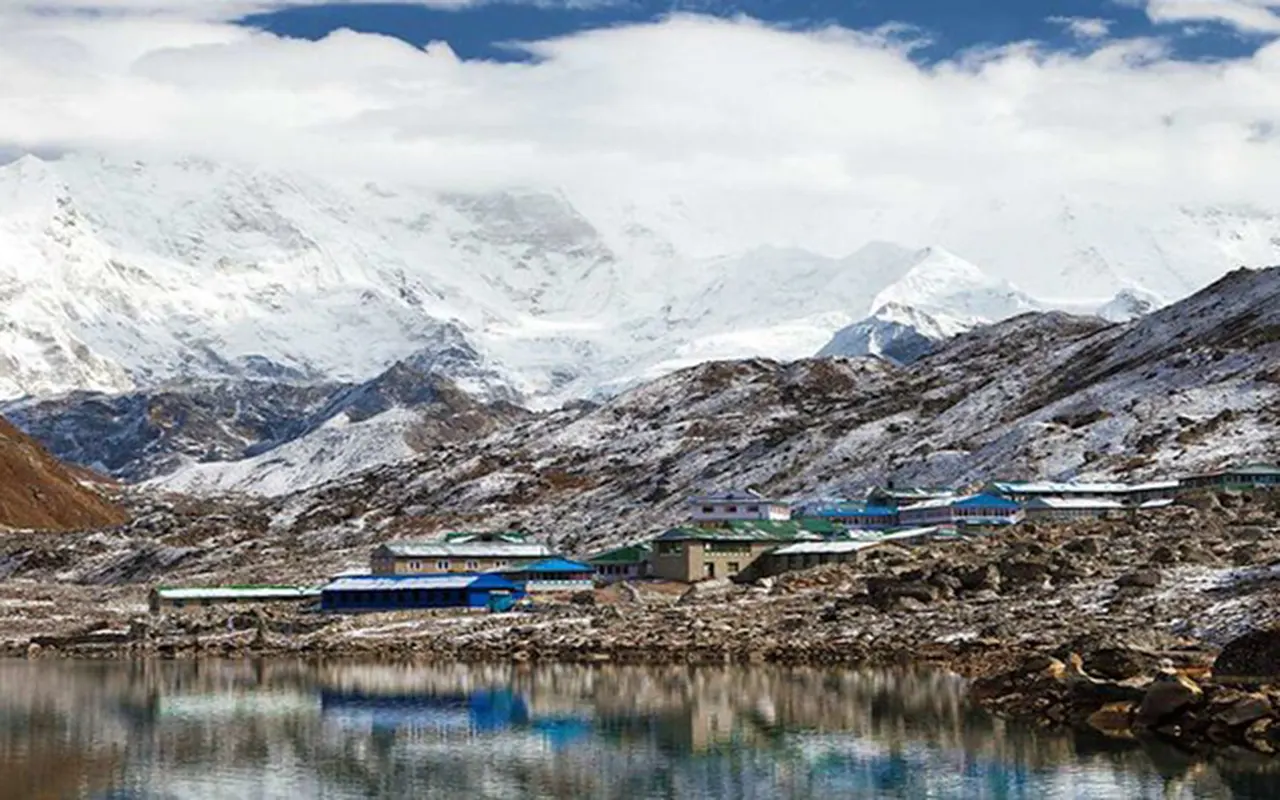
Today you are to trek from Machhermu to Gokyo Lake. It will start a trip into the gorgeous Gokyo valley, with the spectacular lakes and mountainous landscapes. Beyond Machhermu, the path ascends slowly over pasture and arrives at a spot known as Phanga. This trail further leads through a small path that makes its way towards the first point of the Gokyo Lakes system. It is the smallest of the five largest lakes that constitute the renowned Gokyo complex.
As you keep on walking, the landscape gets more spectacular; clear waters and mountains around make the whole experience unforgettable. It will not be long before you get to the Gokyo Village, which is among the highest permanent settlements in Nepal (4,790 m / 15,715 ft). Gokyo Ri can be noticed as well above the valley, and it is visible in the village. Once there, you will be able to rest and enjoy the serene view of this spectacular Himalayan location.
Activity: 5 hours Trekking
Max. Altitude: 4,790m/15,715ft. (Gokyo )
Meal: Breakfast, Lunch and Dinner
Accommodation: Teahouse, Lodge
Today is an important acclimatization day in Gokyo. In the morning, you will climb to Gokyo Ri, which is one of the most satisfying views of the area. It will be ascended earlier than the sun rises, and you will therefore be in position to see the first light of the day over the mountains around you. Gokyo Ri (5,357 m / 17,575 ft) is the highest point where you can look down and see the Himalayan scenery. You will go back to your hotel in Gokyo Village after enjoying the sunrise by spending time from that point of view.
The rest of the day is left to rest and have time to get accustomed to the higher altitude and then proceed with the trek. This day of acclimatization is significant in the planning of the next crossing of Cho La Pass. The slow pace also allows you to take time to appreciate the serene nature of the Gokyo Valley.
Activity: 4 hours Acclimatization and Hiking
Max. Altitude: 5,357m/17,575ft. (Gokyo Ri)
Meal: Breakfast, Lunch and Dinner
Accommodation: Hotel
Today you start at Gokyo and reach Thagnak. Having taken time to acclimatize in the Gokyo Village, you will proceed up the trail to the next destination. Among the attractions of the day is the crossing of the great Ngozumpa Glacier, which is the biggest glacier in the Nepal Himalayas. The path provides an alternative scenery to the past few days, as it is composed of rocks as well as a glacial environment, forming a new trekking adventure. As you pass through this rugged terrain, you will get a chance to enjoy the dramatic natural scenery of the area.
The stroll is not too long, and you will be able to save up some energy that will be required on the difficult days to come. Thagnak is found at (4,700 m / 15,420 ft) and is a key rest point for trekkers who are about to cross Cho La Pass. On arrival, you will be able to take some rest and plan for one of the most challenging and most rewarding parts of the trek that is set to happen the next day.
Activity: 3 hours Trekking
Max. Altitude: 4,790m/15,715ft. (Thagnak )
Meal: Breakfast, Lunch and Dinner
Accommodation: Teahouse, Lodge
Your journey will begin at Thagnak and go on to Zongla through Cho La Pass. The day is one of the most daring and difficult in the whole of the journey. The trail turns off Thagnak and over rugged country and glacial moraines, as you slowly ascend to the pass. The Cho La Pass (5,320 m / 17,454 ft) is a significant milestone, and it gives you incredible views of the mountains around. You can also see the beautiful Cho La Lake and the magnificent peak of Cholatse.
The downward slope out of the pass is a dangerous affair, and some of the paths may be perilous. The road then proceeds southward where it ends at Zongla (4,830 m / 15,846 ft). You can unwind and contemplate one of the most memorable moments in the trek after a long and fulfilling day in the high mountains.
Activity: 8 hours Trekking
Max. Altitude: 5,320m/17,454ft. (Zongla )
Meal: Breakfast, Lunch and Dinner
Accommodation: Teahouse, Lodge
Today you will trek from Zongla to Lobuche. The trail abandons Zongla and leaves the moraines around, winding down through Cho La Lake. The path is scenic with mountainous views and an opportunity to view the rugged mountainous terrain that typifies the upper Khumbu. The trail then joins the route in the Khumbu Glacier region and traces the region along Imja Khola. The environment gets more dramatic, and the rocky landscape and spectacular Himalayan scenes will accompany you in your adventure.
Today the walk is shorter than yesterday and can be done at a slower pace. This will be a chance to rest and at the same time make some progress towards the Everest Base Camp. At the end of the trek, you will reach Lobuche (4,910 m / 16,109 ft). In this place, you will be able to relax and get ready for the adventurous excursion to the Everest Base Camp that you will have the next day.
Activity: 4 hours Trekking
Max. Altitude: 4,910m/16,109ft. (Lobuche )
Meal: Breakfast, Lunch and Dinner
Accommodation: Teahouse, Lodge
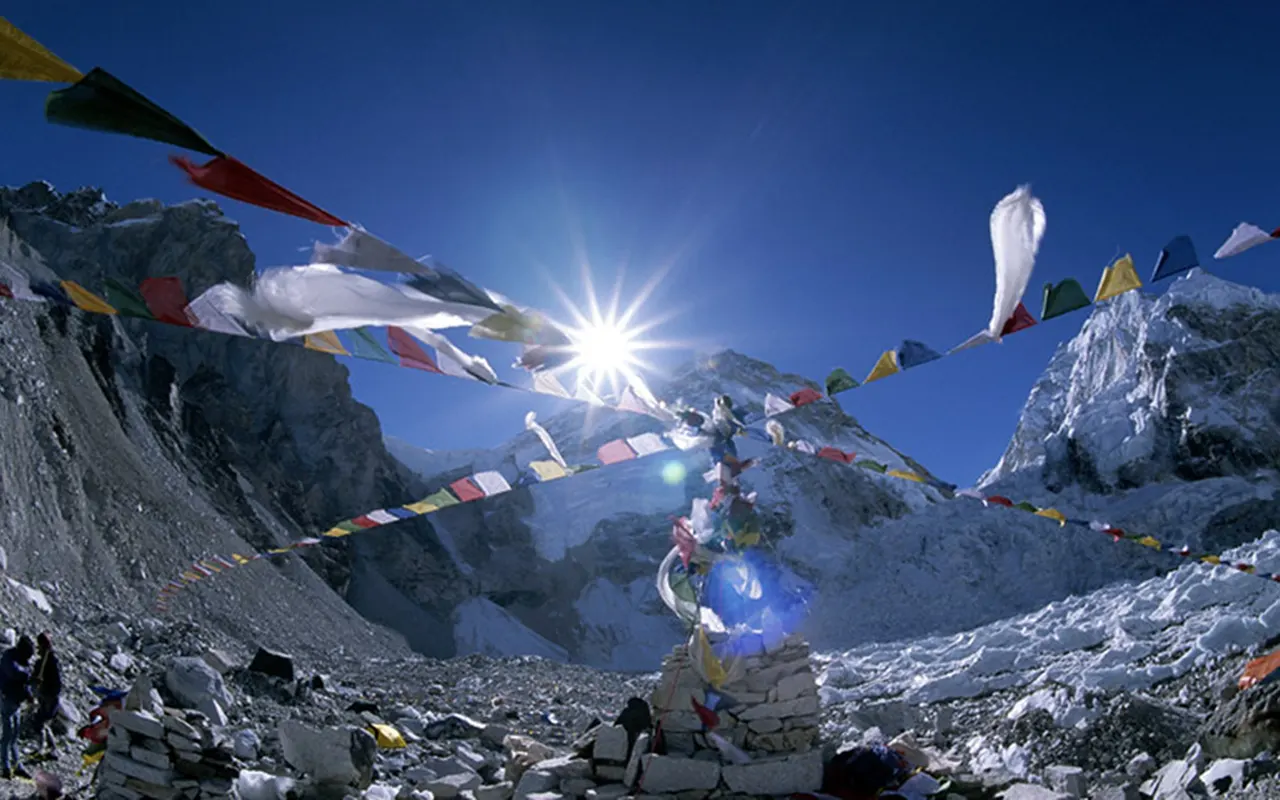
Today you will trek from Lobuche to Base Camp and then to Gorakshep. It is also one of the most expected days of the whole trip as you are finally able to get to the well-known Everest Base Camp. The path slowly ascends Lobuche to Gorakshep over the rugged terrain of the upper Khumbu region. On arrival at Gorakshep, you will leave your baggage at the lodge and move on to the Everest Base Camp. The day is made exciting as you go through the trail and get a glimpse of the huge Khumbu Glacier.
Making it to the Everest Base Camp (5,364 m / 17,598 ft) is a memorable accomplishment and one that provides breathtaking scenery of the mountainous landscape around it. Once you have had your time appreciating the scenery and imbibing the atmosphere, you will reverse your steps back to Gorakshep at (5,164 m / 16,942 ft). The day ends by spending the night in Gorakshep, amidst the scenic scenery of the Himalayas.
Activity: 8 hours Trekking
Max. Altitude: 5,364m/17,598ft. (Everest Base Camp)
Meal: Breakfast, Lunch and Dinner
Accommodation: Teahouse, Lodge
The trek starts this morning at dawn with a walk from Gorakshep to Kalapathar. The point of view is among the finest spots in the area where one can see spectacular views of Mount Everest and the other Himalayan peaks. It is a good idea to get to Kalapathar (5,545 m / 18,192 ft) before sunrise, so that you can see the varying colors of the mountains as day breaks on the horizon. You will then take a break and have breakfast at Gorakshep after visiting the viewpoint.
After breakfast, the walk proceeds downwards to Pangbuche. The altitude reduces slowly as you go downwards, thus making the walk easy. It is one more time to enjoy the mountainous landscape that has been with you during the walk. By midday you will be at Pangbuche (3,985 m / 13,074 ft) and will stay the night there.
Activity: 9 hours Hiking and Trekking
Max. Altitude: 5,545m/18,192ft. (Kalapathar )
Meal: Breakfast, Lunch and Dinner
Accommodation: Teahouse, Lodge
Today we will trek from Pangbuche to Namche Bazaar. The trail is lined with beautiful forested areas and provides an enjoyable trekking experience as you go on descending through the Khumbu Valley. On the path, it is possible to find local wildlife such as pheasants, musk deer, and mountain goats. The trail also has prayer flags and chortens that are traditional and part of the cultural heritage of the place. On your way, you will see the last vistas of Mount Everest and then will not see the higher mountainous regions.
The downs enable your body to rest after the hard days working in the higher altitudes. Slowly, the recognizable environment of Namche Bazaar re-emerges. Once you arrive at Namche (3,440 m / 11,286 ft), you will be able to spend your evening in a comfortable place and consider the truly amazing experiences of the trek. It is your last night in Namche before you retrace your steps back to Lukla.
Activity: 6 hours Trekking
Max. Altitude: 3,985m/13,074ft. (Namche)
Meal: Breakfast, Lunch and Dinner
Accommodation: Teahouse, Lodge
You will start your trek from Namche Bazaar and continue to Lukla. It is the last day of trekking in the adventure and the opportunity to have a last glimpse of the beautiful environment. The trail then leads down after breakfast through steep paths to the local villages and river valleys. You will also pass through the renowned Hillary Suspension Bridge again during the trip and use trails which run along the Dudh Koshi River.
The path runs through several settlements, and you can get the local feel of the Khumbu region before the trek is finished. Though the day is the final day of trekking, there are still a lot of scenic views to enjoy along the route. Once reaching Lukla (2,860 m / 9,383 ft), you may rest, shower, and enjoy the fruitful end of the trek. It will be the last night you spend in the Khumbu region.
Activity: 7 hours Trekking
Max. Altitude: 3,440m/11,286ft. (Lukla )
Meal: Breakfast, Lunch and Dinner
Accommodation: Teahouse, Lodge
In the morning, you will be flying back to Kathmandu from Lukla, and your adventure with Everest will end. Once the trek is over, you will take a scenic mountain flight which will provide you with a last chance to view the magnificent views of the Himalayas. The Lukla flight has been viewed as one of the most memorable experiences of the trek and one that offers breathtaking aerial sights of mountains, valleys, and hills en route.
On your way back to Kathmandu, you may take time to reflect on the wonderful experiences of the last fortnight, the beautiful Gokyo Lakes, Cho La Pass, the Everest Base Camp and Kalapathar. The trekking part of your trip officially ends when you reach Kathmandu (1,350 m / 4,429 ft). The images of the mountains, the local culture and the memorable scenery will not be forgotten even after the journey.
Activity: 0.7 hours Flight
Max. Altitude: 2,860m/9,383ft. (Kathmandu )
Meal: Breakfast, Lunch and Dinner
Accommodation: Hotel
Note:
If you have a private group and prefer a personalized experience, we can organize a custom trip tailored to your requirements and group size, running it any day you choose.
Transportation
Guide and Support Staff
Permits and Expenses
Medical and Gear
Others
International flights and Visa.
Travel and Medical Insurance
Other Expenses
The Everest Base Camp Trek via Gokyo Lake could be enjoyed at any time of the year, but the spring and the autumn seasons are usually regarded as the best. The spring (March-May) is mild, the rhododendron woods are in blossom, and the mountains are clear. The season of Autumn (September – November) is characterized by stable weather, fresh air, and good visibility. Trekking conditions are normally comfortable during such seasons; hence, it is easier to enjoy the landscapes and mountain scenery.
The winter season is colder at higher altitudes, and the monsoon season is also associated with rain and poor visibility. Himalayan weather is subject to swift changes, and trekkers must, therefore, expect different weather conditions. The selection of the proper season will make the journey more enjoyable and safer. With the help of 3A Adventure, the travelers will be able to choose the most appropriate moment when they can enjoy the trek, depending on weather conditions and their preferences.
The Everest Base Camp Trek via Gokyo Lake is rated as a moderately difficult to challenging trek. It includes a number of days of hiking up mountain routes, slow ascent, and lengthy hiking days. Trekkers will walk across remote villages, rugged terrain and to high-altitude points, such as Gokyo Ri (5,357 m / 17,575 ft), Everest Base Camp (5,364 m / 17,598 ft) and Kalapathar (5,545 m / 18,192 ft). Technical climbing skills are not mandatory, although good physical fitness and a sense of determination are significant.
The path involves crossing Cho La Pass, which contributes to the difficulty. Adequate acclimatization days will mitigate the dangers that come with the altitudes and make trekking comfortable. Having enough preparation and a positive attitude, a good number of trekkers can complete such an adventure. The Himalayas would be memorable with the spectacular mountain scenery, beautiful lakes, and reward.
One of the primary issues on the Gokyo Lake Everest Base Camp Trek is altitude sickness since the trail begins at a height of more than 5,000 m / 16,404 ft). The thinner the air as trekkers increase in altitude, and the oxygen content is lower. The typical symptoms can be a headache, dizziness, fatigue, loss of appetite, and sleeping difficulties. To minimize the chances of altitude sickness, proper acclimatization is necessary. The itinerary will have acclimatization days in Namche Bazaar and Gokyo so that the body can have time to adapt slowly.
It is also important to stay hydrated, walk at a normal pace, and be aware of your body. In case of severe symptoms, a quick descent might be required. When trekkers practice the right acclimatization measures, most of them end up the journey safely. Learning about altitude sickness before the trek may allow the traveler to prepare for the conditions at high altitude and have a more comfortable and safe experience.
The 15-day Everest Base Camp Trek via Gokyo Lake should be well prepared to accomplish it with ease. The trek is a multi-day walk in the mountainous areas, and it is better to get in shape prior to the trek. Endurance and strength can be built by engaging in regular exercises like hiking, jogging, cycling, and stair climbing. The emphasis for trekkers should be on heart fitness, leg power, and endurance. Walking a few hours with a small backpack is also good exercise.
Mental preparation is also crucial, as there are physically challenging days. Carrying appropriate clothes and shoes and personal equipment will help to enjoy the trek. Preparation will help trekkers easily adjust to the changing weather and trail conditions. Numerous healthy people are capable of accomplishing this rewarding Himalayan experience with regular training and appropriate planning.
The Everest Base Camp Trek via Gokyo Lake offers food and accommodation in local tea houses and lodges. These lodgings provide simple yet comfortable amenities to trekkers in the course of the trip. The food also has a wide range of local and international dishes that are supposed to supply the trekking energy. Popular options can be rice, noodles, soups, vegetables, bread, and hot beverages.
As the trek goes to a greater altitude, the amount of food might be reduced because of logistical problems. The accommodation is usually plain rooms with basic facilities. Eating places are usually cozy and offer a comfortable place to spend some time after a day on the trail. Also, it is possible to stay in local tea houses, which can provide an experience of mountain hospitality and local culture. Trekkers must not over-romanticize and enjoy the peculiar experience of being in a remote community of the Himalayan region.
The main mode of transportation in the Gokyo Lake Everest Base Camp Trek starts with a flight between Kathmandu and Lukla. This scenic mountain flight can be a beautiful sight of the Himalayan scenery, and it acts as the entry to the trekking area. Lukla is the entry and exit point of the trek, and air travel is the most common mode of transportation. Weather conditions sometimes have an influence on flight schedules; hence, flexibility is worthwhile when making arrangements to travel.
In the trek, all the travelling is done on foot over mountain pathways linking villages, valleys, and high-altitude areas. Most of the route lacks any road transportation. With adequate planning, it is possible to have an easier time travelling before and after the trek. 3A Adventure provides trekkers with transportation services, which helps to coordinate logistics and make the journey more convenient from arrival to departure.
The Everest Base Camp Trek has communication facilities in most areas along the Gokyo Lake, but services can fluctuate depending on location and weather. Internet and mobile network coverage is often available in bigger villages like Namche Bazaar for trekkers. There are also tea houses with Wi-Fi services at a fee. Communication options might not be as reliable as the trek advances to greater heights. The speeds of the connection might be lower than what the travelers have been used to in cities. Before starting the trek, it is a good idea to notify family and friends about the potential communication restrictions.
It might be beneficial to carry a fully charged phone and a source of power in the event of the journey. Although there are several places where one can remain connected, the Himalayan trek is also a fantastic experience to get off the daily routine and appreciate the beauty of nature in the Himalayas.
Several permits are required for the 15-day Everest Base Camp Trek via Gokyo Lake. These permits assist in controlling tourism and aid in conservation within the area. During the trip, trekkers are expected to have valid permits with them, and this might be required to show their permits at different checkpoints on the route. The requirements to be permitted to travel may vary over time. Before travelling, it is important to ensure that you have the current requirements.
Appropriate entry logs will guarantee that the local regulations are followed as well as assist in the management of trekking routes and protected sites. During the trek, travelers are encouraged to carry permits that are safe and convenient. With all the necessary paperwork ready beforehand, trekkers can spend their time on the fun they expect to experience rather than waste time and resources on needless formalities and hassles in their adventure in the Everest region.
The majority of foreigners require a tourist visa to Nepal before begining the Everest Base Camp Trek via Gokyo Lake. The visas that tourists receive are usually on arrival at the Tribhuvan International Airport in Kathmandu and at some of the land border crossings. Travelers are advised to make sure that their passport is valid at least until the time they need it and to bring along any travel documents they may need. Visa procedures and charges are subject to change, and therefore it is advisable to verify the up-to-date requirements before traveling.
Another fact to remember is that you should have copies of key documents during the trip. Visa application is typically a simple step that can enable any visitor to concentrate on planning their trek. Upon arrival, the travelers must allow ample time to go through immigration processes. The 3A Adventure can offer advice on general travelling needs and assist trekkers to be ready to begin their Himalayan adventure.
One thing that is strongly suggested to anyone taking part in the Gokyo Lake Everest Base Camp Trek is travel insurance. The trek ventures into remote and high-altitude regions where health care could be scarce. Trekking activities, emergency medical treatment, and evacuation should be included in a comprehensive travel insurance policy. Due to the altitudes of the route above 5,000 m / 16,404 ft, trekkers are advised to thoroughly read the details of the altitude coverage before buying a policy.
Trip interruptions, lost baggage, and other unforeseen circumstances can also be insured. With proper coverage, there is extra assurance during the trip. Trekking on, it is advisable that the trekkers carry duplicates of their insurance cover and emergency contacts. It is important to know the terms of policies and coverage limits. Good travel insurance can also be used to ensure that help is provided where it is required and the traveller can go on with his/her adventure with more confidence.
Besides the package cost, trekkers ought to set aside additional costs incurred during the process of the Everest Base Camp Trek via Gokyo Lake. Personal expenditures can consist of snacks, hot beverages, internet, charging electronic devices, laundry, and souvenirs. The prices may be different according to the place and personal tastes. Since there is transportation of supplies to remote mountain regions, the prices tend to be high at higher altitudes. Trekkers also have an option of buying more drinks or personal products on the way. It is also important to carry enough cash since in most of the trekking villages there are few banking facilities.
It is also wise to plan a sensible financial budget to cover personal expenses and to prevent inconvenience when travelling. Though the key expenditures on trekking are normally planned, carrying around an additional amount of money will give them some flexibility and enable the traveler to enjoy their time in the Everest region without thinking about finances.
It is possible to do the Everest Base Camp Trek via Gokyo Lake as a private or a group trek. A personalized journey provides more options, and the traveler can have a more intimate experience and can travel at what they want. The group treks allow one to get to know other trekkers and enjoy the experience with other like-minded individuals. The two alternatives share the same beautiful path over the Everest region, and both have access to the beautiful scenery that has rendered this trek very popular.
The decision made is based on individual inclinations, cost, and mode of travel. Certain tour operators like the social environment of a group, and others like the privacy and flexibility of a tailor-made itinerary. 3A Adventure provides individual and group departures, which assist trekkers in determining the one that most effectively fits their requirements and guarantees them an enjoyable and secure Himalayan retreat.
General
This is a 15-day trek which includes trekking days, acclimatization days, as well as flights between Kathmandu and Lukla.
Yes, even amateurs who are in good shape and have the will to do the trek can do so with the right preparation and acclimatization.
This pathway has the beautiful Gokyo Lakes, Gokyo Ri and the Cho La Pass before getting to the Everest Base Camp.
Preparation & Fitness
A good level of fitness is recommended as you will walk for several hours daily on mountain trails.
Daily walking, hiking, jogging, bicycling and climbing up and down stairs a few weeks before the trip are also beneficial.
Experience in trekking is advantageous but not a necessary in case you are physically fit.
Insurance & Visa
Yes, most foreigners require a tourist visa to visit Nepal.
Yes, extensive travel insurance including high altitude trekking and emergency evacuation is strongly advised.
Guides & Support Staff
Yes, there will be a professional trekking guide to guide you through the trek.
Yes, there are porter services to assist in transportation of trekking gear and other bags.
Local laws can vary and that is why it is advisable to check the most recent trekking conditions before traveling.
Accommodation and Facilities
The accommodations are offered in the tea houses or lodges that are found on the trekking route.
Many villages have charging facilities, most of which have an extra charge.
Most settlements have Wi-Fi, but at higher altitudes, connections can be restricted.
Weather & Seasons
The best seasons are considered to be spring (March to May) and autumn (September to November).
Yes, the temperatures can be very low in the mornings, evenings and at higher altitudes.
Health & Safety
Yes, the trek will take us to very high altitudes; hence, adequate acclimatization is required.
Your guide will guide you through emergency measures and evacuation in case of need.
Booking & Payment
It is advisable to book a few weeks or months prior to the trek during the popular trek seasons.
The majority of operators accept bank transfers and other payment methods. Information is given when booking.
Transportation & Flight
Yes, the flights inside the country are included in the itinerary, which will be from Kathmandu to Lukla.