Tourism License: 1455
notification-icon

Unbeatable Holiday Offers – Save Up to 20% on Your Next Adventure!

divider-1

North Annapurna Base Camp Trek – 5 Days

Based on 27 reviews

duration-icon

Trip Duration

5 Days
difficulty-icon

Trip Difficulty

Easy
group-size-icon

Group Size

2 to 25 People
best-season-icon

Best Season

Spring, Autumn
meals-icon

Meals

Breakfast, Lunch and Dinner
accommodation-icon

Accommodation

Hotel/ Lodge
transportation-icon

Transportation

Tourist Bus

Overview and Highlights of North Annapurna Base Camp Trek – 5 Days

North Annapurna Base Camp Trek is a 5 day camping trek to the northern side of Annapurna I through the Narchyang Valley in Myagdi District. The classic route to Annapurna Base Camp is popular among trekkers, this trail takes a different path and leads to the north side of Annapurna’s base. It is not as densely trekd as many other trekking trails around Nepal, and is a great option for those who want a quieter mountain trek.

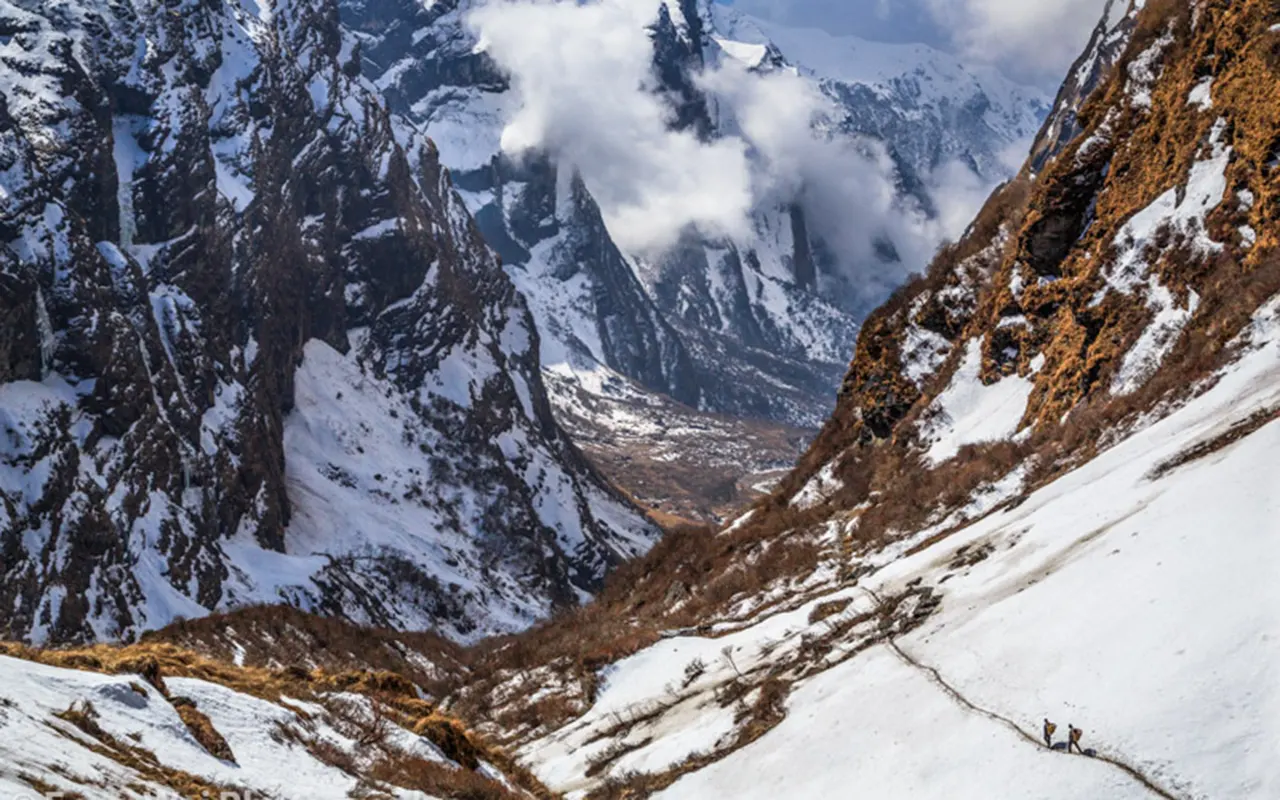
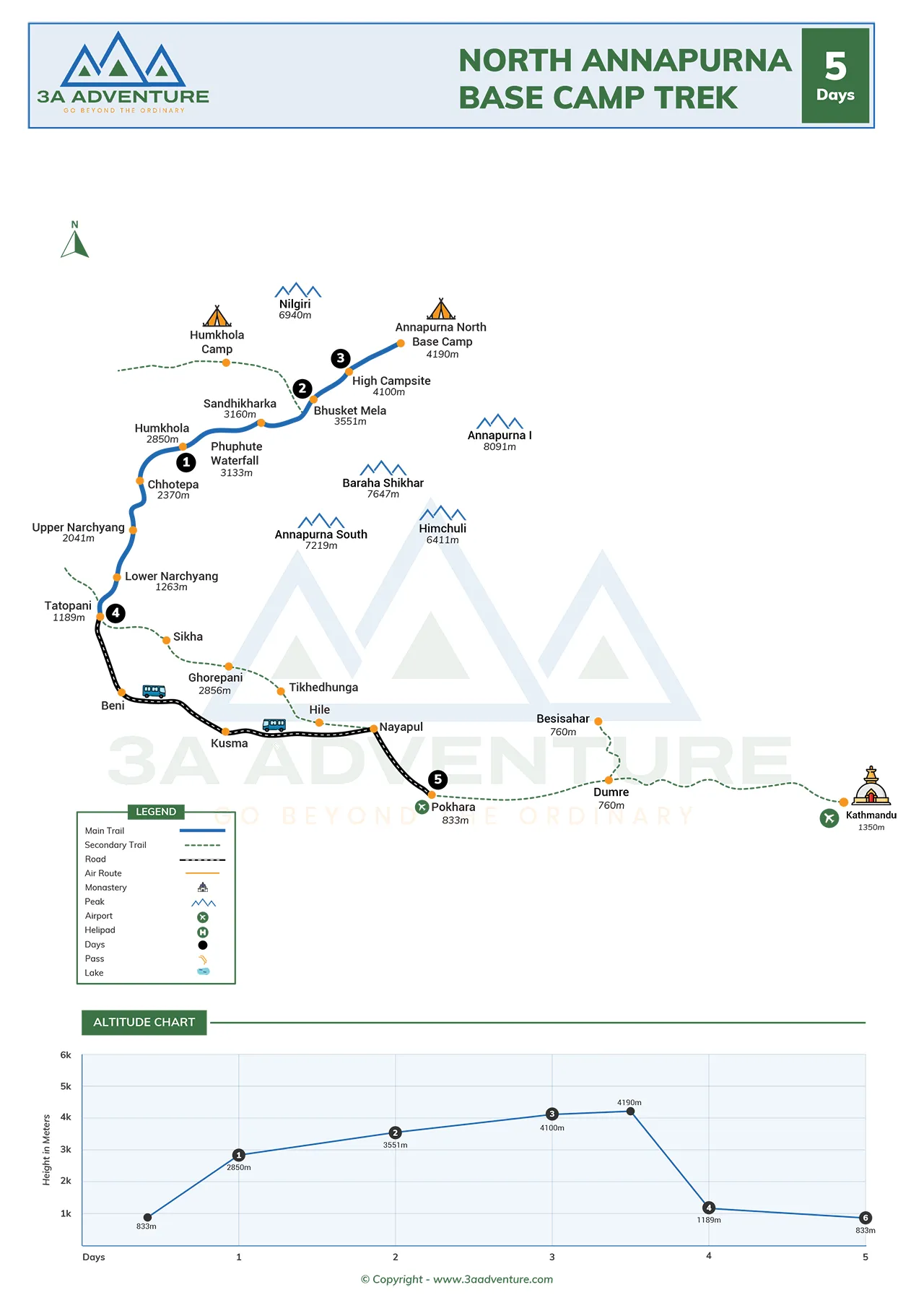
The trip starts with a drive from Pokhara to Tatopani and then a trek to Humkhola. The track goes on to pass through the higher campsites of Busket Mela and rises. Much of the trail is along forest trails, river valleys, rocky trails and remote mountain areas. As the trek goes on, the villages get thinner and the terrain more rugged, and the experience is different from some of the more popular routes of the Annapurna region.

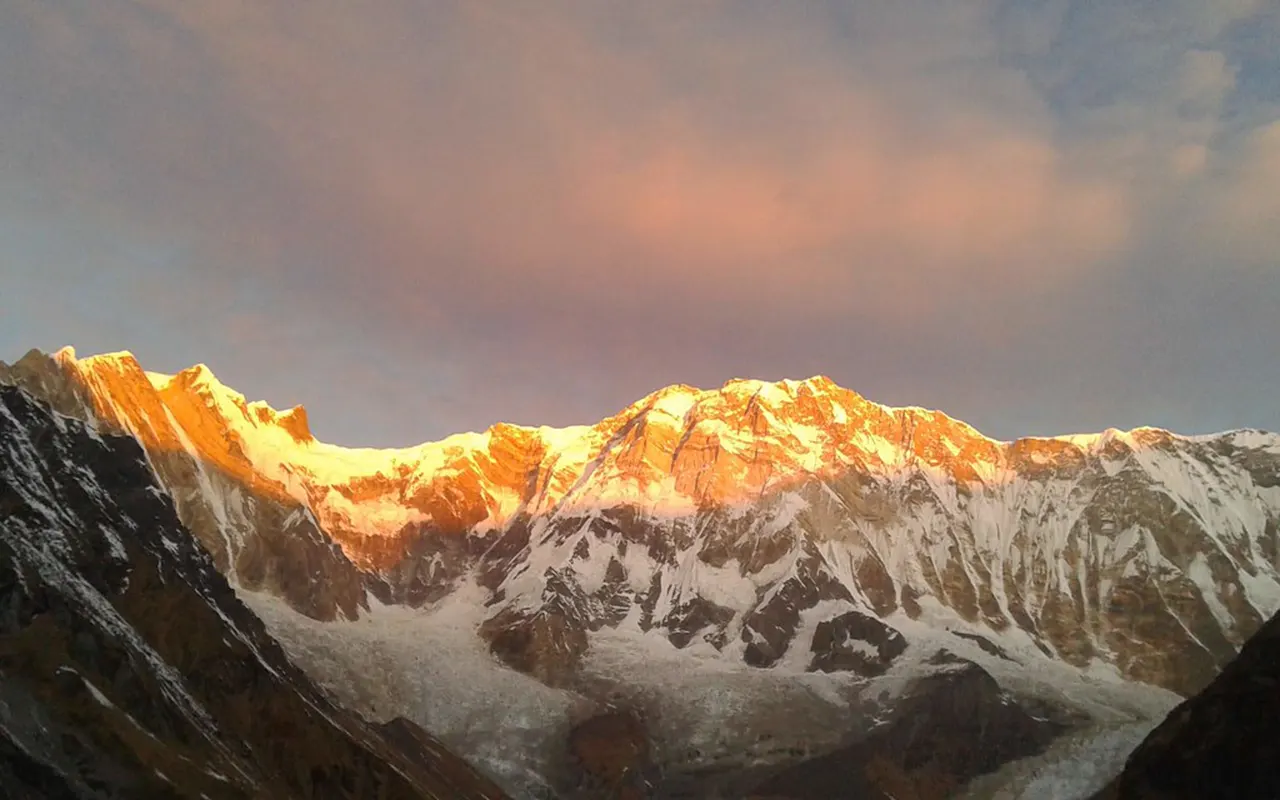
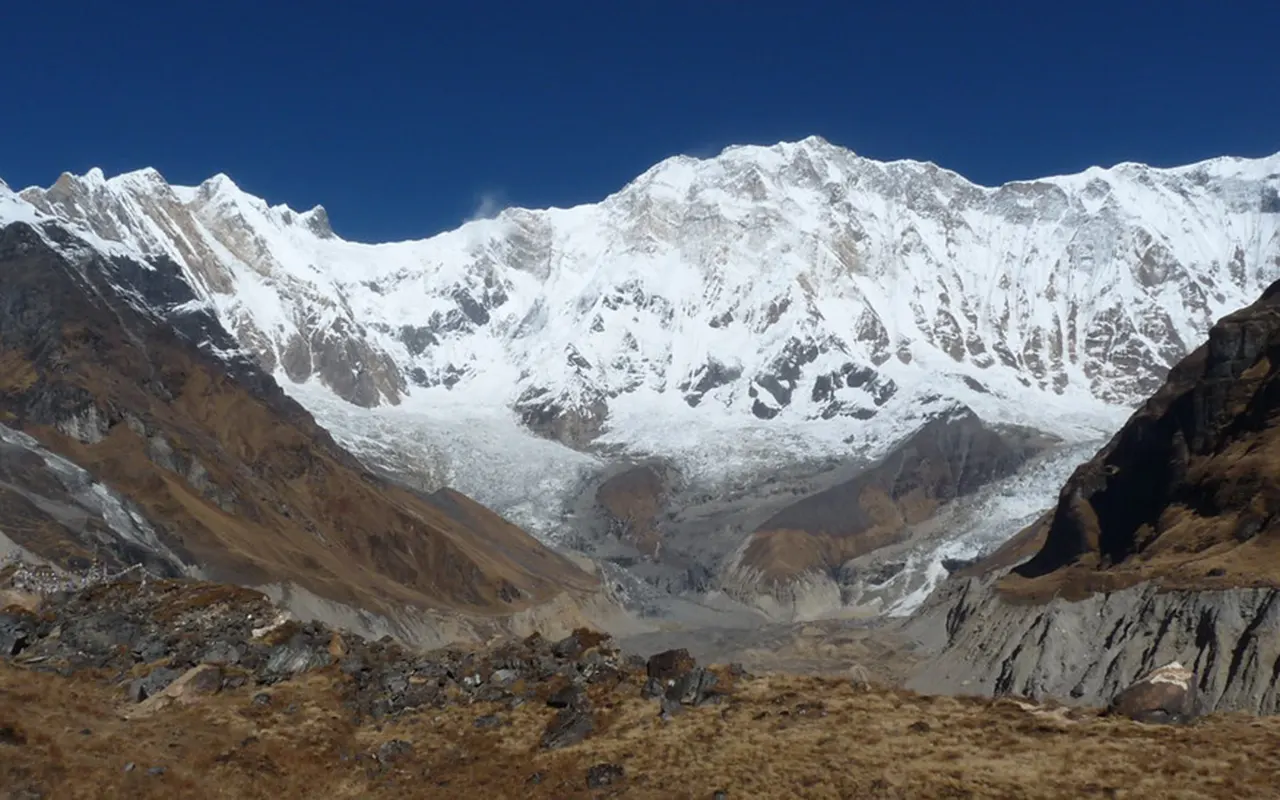
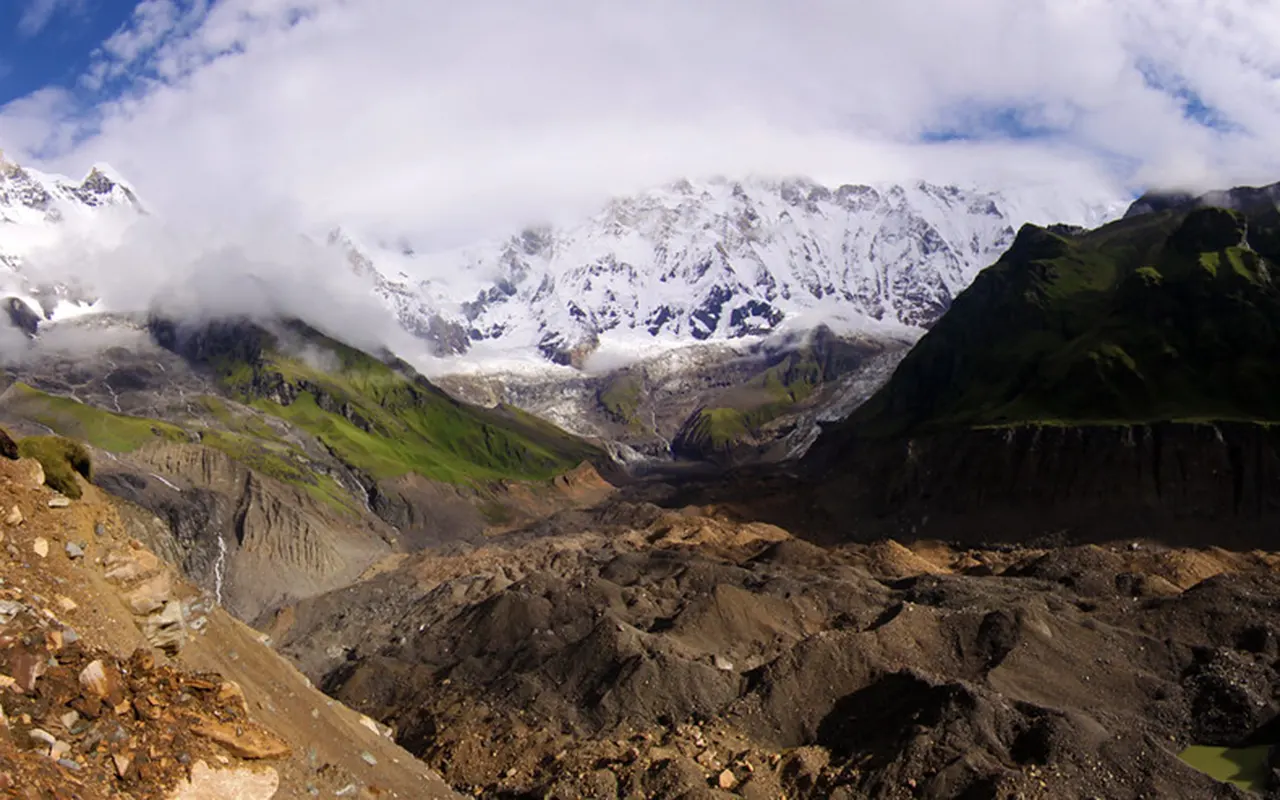
Standing below the north face of Annapurna I (8,091m), which is considered to be the highest peak of Annapurna range and the tenth highest mountain in the world, is one of the major highlights of the Annapurna North base camp trek. Accessing its northern base camp offers a close view of the mountain and an opportunity to explore an area linked with early exploration history of Annapurna.

The route also includes a visit to Narchyang Lake, located in a remote high-altitude setting near the base camp area. The lake is another point of interest in the trek to North Annapurna Base Camp. The North Annapurna Base Camp Trek itinerary offers a blend of mountain scenery, remote camping options, and lesser-traveled trails within a relatively short trek, catering to those seeking experiences beyond the well-trodden paths of Nepal.

This trek does not go through teahouses but has a camping stay. Support team pre-arranges tents, food and camping gear along the trek. This means that you are able to travel into regions where lodging is less available and experience the mountain adventure of a more traditional nature. The camping provisions and trekking support needed for the trek is handled by 3A Adventure.

The North ABC Trek is designed for trekkers who have a moderate fitness and are able to walk for several hours a day. The months of June and December are usually the best periods of the year to visit the mountains, with June and September being the top two.The best times to visit the mountains are generally in the spring or the autumn, and June and September are the top two months. While the trek is just five days long, it takes one to a section of the Annapurna region which many trekkers do not get to visit, offering an interesting alternative to some of the more popular trekking routes.

Trip Highlights

  • Arrive at North Annapurna Base Camp, on the north side of Annapurna I.
  • Visit Narchyang Lake during the trek.
  • Take an alternative trail in the Valley of Narchyang, Myagdi.
  • Stay in remote mountain areas with limited teahouse facilities.
  • Enjoy close views of Annapurna I and the surrounding Himalayan landscape.
  • Enjoy trekking, camping, and off the beaten path mountain travel.
  • Visit a place that has a relation to the early mountaineering history of Annapurna.

North Annapurna Base Camp Trek – 5 Days Itinerary

itinerary-icon

Following breakfast we will depart from Pokhara on to Tatopani passing through the hills and river valleys of western Nepal. From Tatopani, the trek begins as we follow a trail leading towards Humkhola. The path goes through forest areas and climbs up the river, moving away from the villages.

As we move deeper into the valley, the surroundings become quieter and more remote. When we arrive at Humkhola, our camping crew will set up the camp. It is the first night’s accommodation on the North Annapurna Base Camp Trek.

activity-small

Activity: Drive to Tatopani and trek to Humkhola

meal-small

Meal: Lunch, Dinner

accommodation-small

Accommodation: Tent Camp


note-icon

Note:

If you have a private group and prefer a personalized experience, we can organize a custom trip tailored to your requirements and group size, running it any day you choose.

Plan a Private Trip

Includes & Excludes

What are included with package?

Transportation

  • Private/shared transportation from Pokhara to Tatopani
  • Transportation from Humkhola to Tatopani after the trek
  • Transportation from Tatopani to Pokhara

Food and Accommodation

  • Breakfast, lunch, and dinner throughout the trek
  • Cup of tea 3 times a day
  • Fresh seasonal fruits
  • Accommodation in tent camps and teahouses as per the itinerary

Guide and Support Staff

  • Licensed, English-speaking trekking guide
  • Necessary camping crew and support staff
  • Porter service for luggage (where applicable)

Permit and Expenses

  • Annapurna Conservation Area Permit (ACAP)
  • All local and government taxes
  • All wages, meals, insurance, accommodation, and necessary equipment for guides and support staff

Medical and Gear

  • First-aid kit with an oximeter for altitude monitoring
  • Emergency rescue in case of severe illness or injury (costs covered by your insurance)
  • Camping equipment required for the trek
  • Free luggage storage in Pokhara

Others

  • Certificate of Appreciation
  • Cap and T-shirt with our company tag

What are not included with package?

  • International Flights and Visa
  • Round-trip international airfare to/from Nepal
  • Nepal entry visa fees

Food and Accommodations

  • Extra nights in Pokhara before or after the trek
  • Meals in Pokhara unless specified in the itinerary
  • Snacks and additional food items during the trek

Travel and Medical Insurance

  • Comprehensive travel and medical insurance including emergency evacuation

Other Expenses

  • Alcoholic and non-alcoholic beverages, bottled water, coffee, hot chocolate, and soft drinks
  • Wi-Fi, battery charging, laundry, and other personal expenses
  • Trekking gear and clothing (sleeping bag, down jacket, trekking poles, boots, etc.)
  • Unexpected expenses caused by weather, road conditions, natural causes, or itinerary changes
  • Tips for guide, camping crew, porter, and support staff

Trip Information

Weather and Best Season for North Annapurna Base Camp Trek

There are various seasonal opportunities for the North Annapurna Base Camp Trek, but the best time is typically in the spring or autumn. The months of March, April and May are typically moderate in temperature, moderate in wind and have good visibility in the mountains. Other areas of the forest along the lower trail may also have rhododendrons in bloom during this time.

Another popular time is the autumn season (September–November) due to the dry weather and brilliant clear skies for trekking. After the monsoons, visibility tends to be best and it is easier to enjoy views of Annapurna I and the surrounding peaks. These months are the best time for the Annapurna North Base Camp Trek due to the consistent weather.

It is possible to trek during the winter season, though it may be colder and higher areas on the route may experience snowfall. During the monsoon season there is a chance of rain and slippery trails. Spring and autumn are the best seasons to travel the North ABC Trek for most.

North Annapurna Base Camp Trek Difficulty Level

Overall, the North Annapurna Base Camp Trek is a moderate to difficult trek. The itinerary is relatively short, but there are several days of hiking through remote mountain country where facilities are limited. Depending on the conditions on the trail and the speed of the group, the daily hours of trekking can differ.

The trail is through forest, rocky terrain, a valley of a river and high altitude camping grounds. This trek does not have teahouses as are some popular trails, but instead, camping support is used, making the trail a part of the overall expedition style. However, trekkers should expect varying weather and duration of trekking days in remote areas.

Experience is beneficial but not required for trekking. The journey can be a more comfortable one if one is physically fit and prepared. The Annaparna North Base Camp Trek is ideal for adventure travelers looking for a trek in remote trails and willing to stay in tented camps for a few nights.

Altitude Sickness (AMS)

Trekkers may experience altitude sickness above 2500m, especially when they ascend quickly. Some symptoms are headache, dizziness, nausea, tiredness, loss of appetite and sleep disturbances. Be aware of these indications before starting any high altitude trek.

The North Annapurna Base Camp Trek is at a much higher elevation than some lower level hill treks in Nepal. Therefore, it is essential to keep a steady pace, drink enough water and take time for the body to adjust. Guides will watch trekkers along the way and offer support if they have any concerns related to the altitudes.

Not all people get altitude sickness but it should be treated seriously at all times. The North ABC Trek itinerary is based on a balance between trekking and safety factors. The sooner the guide is told of any symptoms, the easier it will be to avoid the more severe and serious altitude-related symptoms later in the trek.

Preparation and Fitness

This trek requires moderate fitness due to the days of walking in remote mountain areas. Trekking hours may be shorter or longer each day and some of the routes are steep and rocky. Regular exercise prior to the trip can contribute to a more comfortable trip.

Walking, hiking, jogging, cycling, swimming and stair climbing are all great methods of getting ready. It is important to begin training at least 4-6 weeks prior to departure to increase stamina and endurance. Using a light backpack for training hikes can also help get you ready for trekking.

The North Annapurna Base Camp Trek is good for those who like to trek for several hours a day and enjoy time outside. If you are physically fit, you will enjoy trekking more. Annapurna North Base Camp Trek, unlike most other treks in Nepal, does not require any technical climbing skills, but a moderate level of fitness is essential to do the trek comfortably.

Food and Accommodation

Accommodation on the trek is tented camps and local teahouses, depending on the route. Camping is an essential part of the trip as there are only a few permanent teahouse facilities along parts of the route. The support team handles tenting, sleeping and camping arrangements.

During the trek, food is cooked and typically consists of a variety of Nepali and easy international dishes. Foods served may be rice, vegetables, soups, noodles, potatoes, eggs and other freshly prepared foods, depending on the place and the availability. Hot drinks are usually available at camps and teahouses.

North Annapurna Base Camp trek is one of the best treks to stay in remote mountain environment. The Annapurna North Base Camp trek is a combination of trekking and camping, where you can explore areas that are not covered by the large network of teahouses in the established trails.

Transportation

The journey begins with a drive from Pokhara to Tatopani, which serves as the starting point of the trek. The road winds through river valleys, hillside villages and farms to reach the trailhead. This route is an overland route that gives access to the northern side of Annapurna and the Narchyang Valley.

After finishing the trek, the bus ride from Humkhola to Tatopani is organized and then the bus ride to Pokhara on the next day. Road conditions may change due to weather and seasonal factors, especially during the monsoon season.

Transportation has a significant importance as part of the North Annapurna Base Camp Trek itinerary as it helps trekkers to reach remote areas within the shortest time. 3A Adventure manages the transportation arrangements included in the package and coordinates logistics throughout the journey.

Communication

Communication facilities are less at this point than they are at popular trekking locations, like the Annapurna Base Camp or the Everest region. Some areas along the trail may get mobile network coverage, but coverage is sometimes weaker as you progress deeper into the valley.

Internet access should not be expected throughout most of the route. WiFi services are limited, as several nights are spent in camps instead of in villages. Trekkers are advised to let friends and family know before the trek that they’ll not be able to communicate for a certain portion of the trek.

One of the attractions of the North Annapurna Base Camp Trek is its remoteness. Communication facilities are limited and the North ABC Trek offers a chance to enjoy a more tranquil mountain setting out of the more developed trekking areas.

Permit

The North Annapurna Base Camp Trek travels through areas under the conservation regulation and trekkers must get the required permits before beginning the trek. Permits provide conservation benefits, trail management, and regional tourism development.

Trekkers are generally required to obtain an Annapurna Conservation Area Permit (ACAP). The rules about permits may change over time, so always check current rules before travelling. A required Permit Document must be carried with them and their permit documents will be checked at designated entry points.

Permit arrangements are done prior to the trek when you book with 3A Adventure, so you can concentrate on your preparations and travel planning. The NABC Trek is a protected area trek and the permits are a mandatory part of the trek. Annapurna North Base Camp Trek can’t be undertaken without proper permit documents.

Nepal Visa Information

Tourist Visa will be needed by most international visitors. The tourist visa application process takes place at Tribhuvan International Airport in Kathmandu as well as at some land border checkpoints. Visitors should make sure their passports are valid for at least 6 months after they leave.

The fee will be different for different countries according to the duration of stay and decided by the Government of Nepal. It is recommended that travelers bring passport-size photos and means of payment with them to apply for a visa at the airport.

It is advisable to check the current visa guidelines with official government sources before embarking on the North Annapurna Base Camp Trek. There may be change in visa requirements from time to time, and it is important to check the latest updates to prevent travel issues. Visitors can also call our team for general advice on travel arrangements prior to coming to Nepal when booking the North ABC Trek.

Travel Insurance

It is highly advisable to have travel insurance for all those participating in this trek. The path passes through remote mountainous areas, where medical facilities may be limited. When sickness, injury or unexpected travel delays do happen, it’s good to have a suitable insurance policy in place for added security.

The policy should include treatment for medical emergencies, helicopter evacuation, costs of stopping trips and other unexpected travel expenses. Trekkers should also verify that their insurance company allows trekking to the heights climbed on the trek.

Although serious incidents are rare, Travellers can be at ease during the North Annapurna Base Camp Trek with some insurance coverage. There are areas in Annapurna North Base Camp Trek that are in remote camping areas that may require additional logistics for evacuation and emergency assistance. Seeking appropriate coverage can help to ensure that support can be provided when necessary.

Extra Expenses

This package covers transportation, accommodation, food during the trek, permits, guide, and other items listed in the inclusions section. But, trekkers should plan for their individual expenses that can occur before, during and after the trek.

Other expenses might contain individual snacks, bottled water, travel insurance, Nepal visa fees, tip for trekking staffs and individual trekking gear. Unless otherwise stated, accommodation and meals out of itinerary in Pokhara are also generally not included.

Knowing what types of costs to expect when traveling can help them budget better. The amount of money needed depends on the person’s preferences and travel habits. The North Annapurna Base Camp Trek is inclusive of most of the trekking costs but it is always advisable to have extra cash on hand for purchasing something from the locals and for emergencies during the trek.

Private Trek vs Group Trek

This trek is available for a private or group tour. It’s all about personal preferences, travel style, budget, and scheduling. Trekkers go to the same places mentioned in the itinerary on both choices and take the same trek.

Group trips are a great way to share the journey with others and can be a perfect choice for solo travelers who want to book a tour. Many participants enjoy the social aspect of traveling and camping together during the journey.

A private North Annapurna base camp trek provides more flexibility of travel dates, hiking speed, and preferences. For families, friends and small party groups, this is a popular choice for a more tailored experience. Based on the requirements of the tourist, Annapurna North Base Camp Trek can be organized as a private trek or a group trek.

FAQs for North Annapurna Base Camp Trek – 5 Days

General

The highest point is North Annapurna Base Camp. The altitude may change slightly according to campsite and route followed on the trek.

The classic Annapurna Base Camp trek is a southward trek through the Annapurna Sanctuary. The Annapurna North Base Camp Trek starts from the north side of the mountain and goes through the Narchyang Valley.

No prior camping experience needed. The support team sets up the camp, cooks the meals and takes care of all logistics during the trip.

The spring and autumn season are generally the best times to use the seasoning, as it is less rainy and more visible. These seasons also provide more comfortable trekking conditions.

Preparation & Fitness

The moderate to good level of fitness is recommended. Trekkers should be able to trek for several hours on mountain trails with some steep and rough terrain.

Some previous trekking is desirable but not necessary. With proper preparation and a positive attitude, many first-time trekkers successfully finish their trip to the North Annapurna Base Camp Trek.

Daily exercise, such as walking, hiking, jogging, biking or stair-climbing, can be beneficial pre-trip to build stamina. It is usually good to begin exercise training 4-6 weeks before travel.

Older travelers who are healthy can participate in the trek. When it comes to Annapurna North Base Camp Trek, fitness and health play a more significant role than age.

Porter’s service is available as per package arrangements. Trekkers are generally required to carry only a small daypack containing personal essentials.

insurance Insurance & Visa

Yes, travel insurance is highly recommended. Any policy will have to cover the emergency medical treatment, evacuation coverage and coverage of any sudden travel disruptions.

Trekking to remote mountain areas and emergency helicopter evacuation should be included in your insurance policy. Be sure to review the maximum limit of the policy.

Yes, citizens of many countries can get a tourist visa at Tribhuvan International Airport in Kathmandu. There are also a number of designated land border crossings that offer visa facilities.

Typically, your passport must be valid for at least six months after you leave Nepal. It is also recommended to have adequate blank pages for immigration stamps.

Yes, 3A Adventure can guide you in general about the procedure of obtaining visa in Nepal and the preparation of your travelling prior to your arrival in Nepal.


guides Guides & Support Staff

Yes, there’s a licensed trekking guide who will join the group on the trek. The guide will help with the trek, safety, daily planning, etc. of the trek.

Yes, our guides know how to lead treks in the Annapurna region, they know the trails and local conditions and they know how to organize camps on the trail.

Yes, our guides speak English and do meet with lots of foreigners. Other guides who speak languages other than English may be provided upon request.

The ratio of porter to trekker is related to the group size and package arrangements. Only pack essential items and within the recommended luggage size.

No, tipping is not mandatory. But a lot of trekkers decide to leave tips for their guides and other support staff as a way of showing their appreciation.

accommodation Accommodation and Facilities

Tent camps and teahouses are provided as required, based on the schedule. Camp is one of the key components of the North Annapurna Base Camp Trek as there are not many permanent teahouse accommodation throughout the trek.

No, the support team prepare the camping equipment. As part of the trekking arrangements tents and other required camping equipment is provided.

Hot shower facilities are typically very limited on this trail, especially at camp sites. Availability will vary by overnight stop and local conditions.

WiFi is available but may not be available during most of the trip. The North ABC Trek is a remote trek so Internet access is not guaranteed at all stops.

Teahouses may have charging facilities and their availability is limited in the camping areas. Use of a power bank is strongly recommended.

Support staff prepare meals and they usually serve Nepali and simple international foods. During the Annapurna North Base Camp Trek, freshly prepared meals are served all day.

weather Weather & Seasons

The best season to visit is either spring or fall, when the weather is reliable, and the mountain views are clear. Generally, the best months for trekking are these months.

Yes, trekking can be done in winter weather with correct clothing and preparation. But higher portions of the route could be affected by colder temperatures and snow.

This trek can be done during the monsoon season, but heavy rain showers can make the paths muddy and difficult to navigate, along with causing low visibility.

There’s good visibility in the autumn season after the monsoon. Spring also offers favorable viewing conditions on many days.

Yes, weather can occasionally affect transportation, trail conditions and schedules. In the mountain areas, flexibility can be a key element of trekking.

health Health & Safety

Yes, trekkers can suffer from altitude sickness at higher altitudes! It is important to know what symptoms to look out for and to raise any concerns with the guide.

These symptoms involve headaches, nausea, dizziness, tiredness and lack of sleep. It is not advisable to ignore the symptoms during the North Annapurna Base Camp trek.

Yes, the guides have a basic first aid kit and are trained in first aid. They have experience dealing with common health problems associated with trekking.

You should immediately inform your guide if you feel unwell. If you take action early, you can often avoid harsher consequences later.

The guide will evaluate the situation and arrange for assistance that is appropriate. Emergency evacuation may be arranged with your travel insurance provider, if needed.

booking Booking & Payment

Please contact 3A Adventure via our website, email or direct enquiry to book the trek. Our staff will give you information on the trips, trip availability and booking procedures.

Yes, a deposit is usually needed to reserve your place. The rest of the amount may be paid based on the booking policy of the company.

Group departure may be possible on specific dates. Solo travellers and small groups of people welcome to join in with existing departures where appropriate.

Changes of dates are subject to availability and reservations. If changes are needed, please inform us as soon as possible.

Yes, after your booking is confirmed, you will get confirmation email and pertinent information about the trip.

transportation Transportation & Flight

The road goes from Pokhara to Tatopani. From there, trekking starts towards Humkhola and continues into the Narchyang Valley.

Travel is typically via vehicle that is appropriate for mountain roads. There may be multiple vehicles depending on the group size and road conditions.

Road conditions can vary according to weather and seasonal maintenance. There is the possibility of some rough sections, especially in and after the monsoons.

They go down to Humkhola then transport to Tatopani and return back to Pokhara the next day.

Yes, there are times when heavy rains, landslides and other weather conditions can impact travel schedules. Travel arrangements should always be flexible in mountain areas.