

Need Help?
+977 9860666075

Based on 27 reviews

Trip Duration
30 Days
Trip Difficulty
Challenging
Max Altitude:
6,812m. / 22,349ft.
Group Size
2 to 25 People
Best Season
Autumn, Spring
Meals
Breakfast, Lunch and Dinner
Accommodation
Hotel/ Lodge/Tent
Transportation
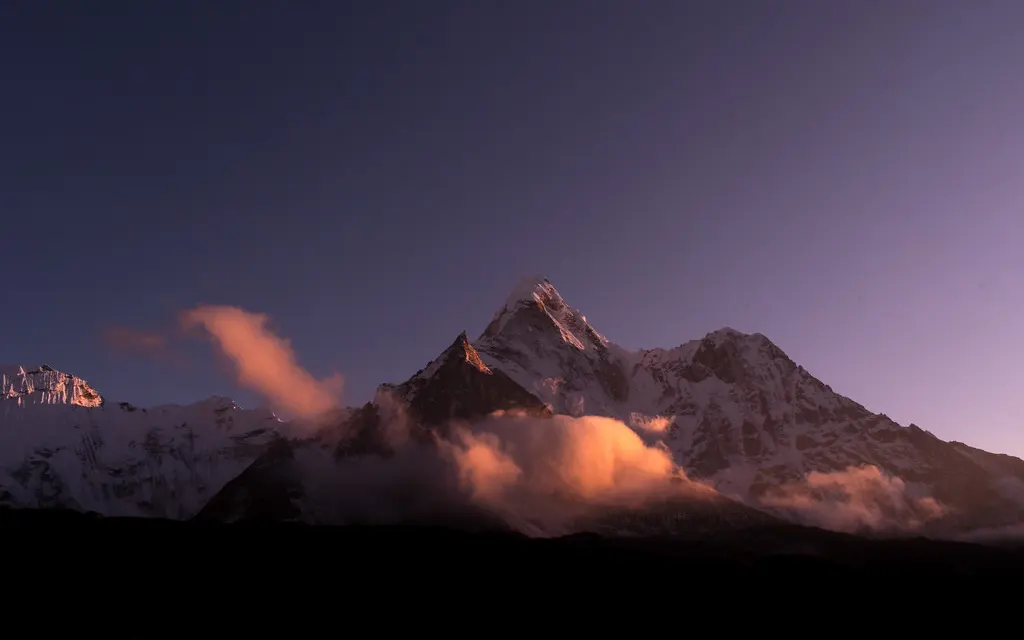
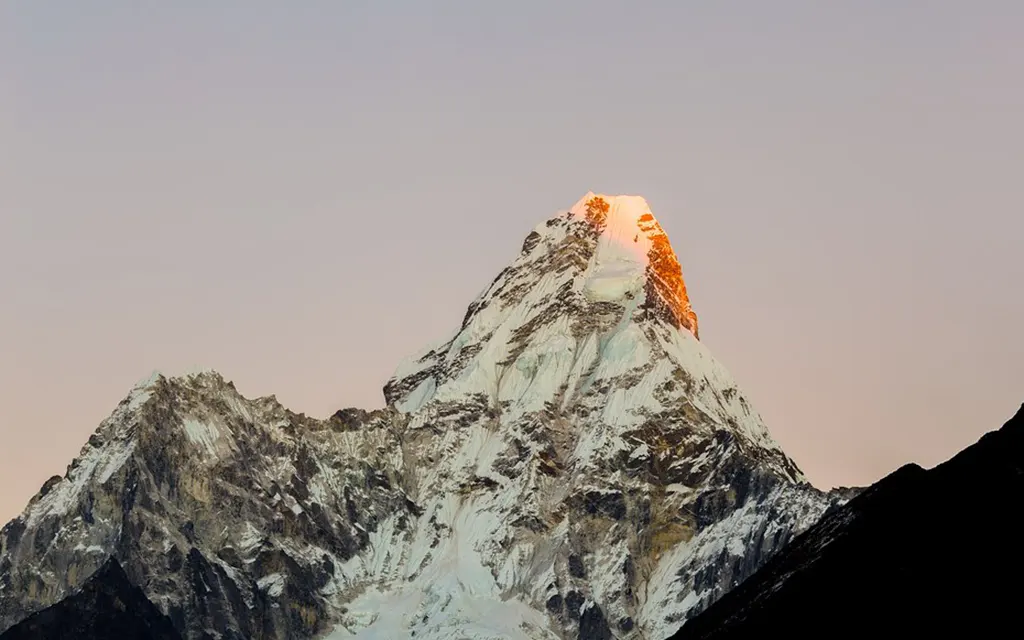
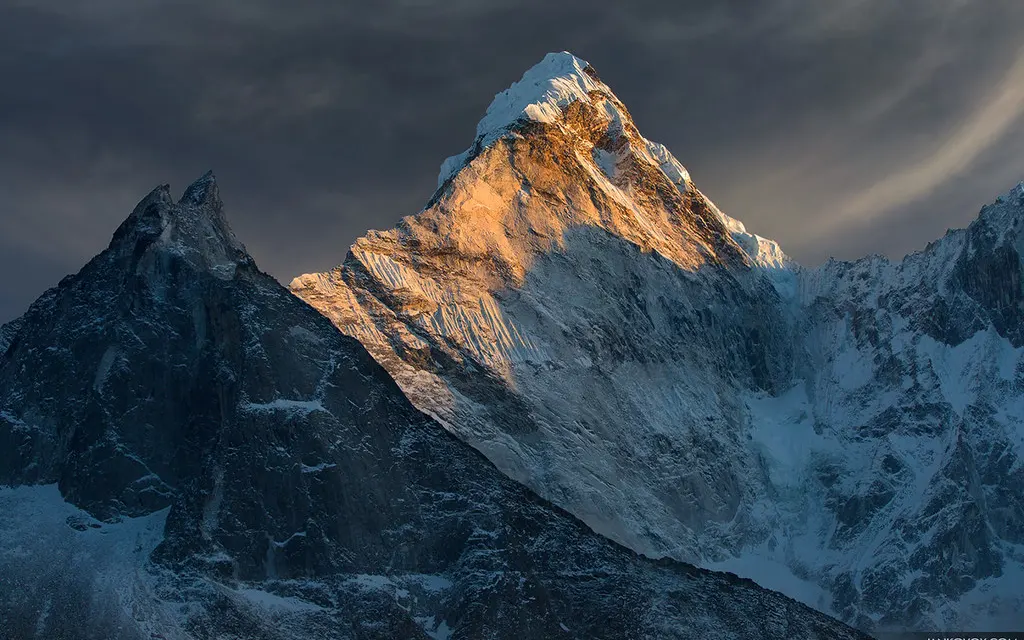
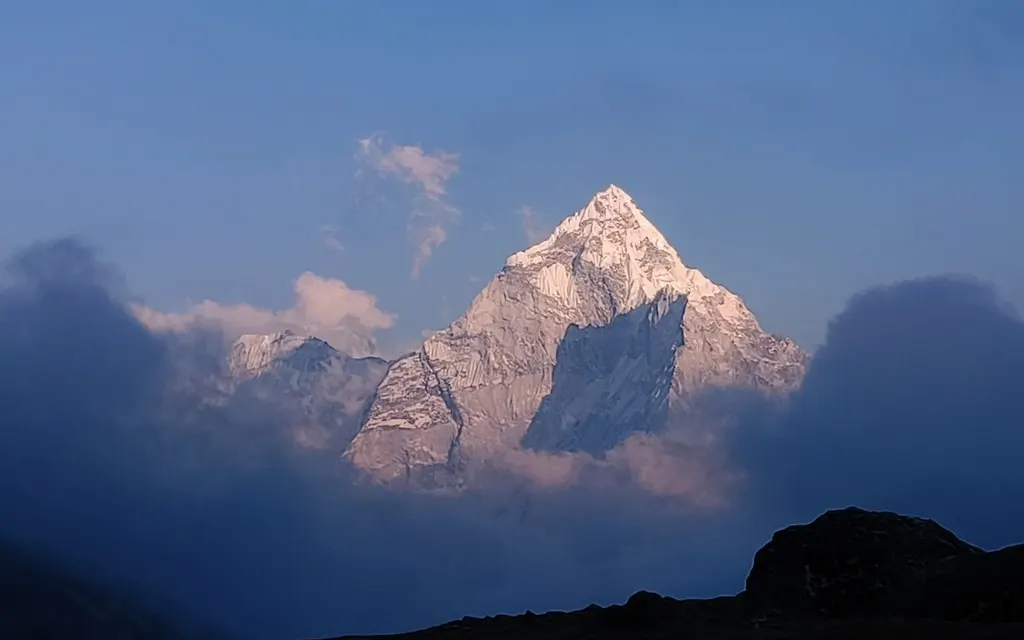
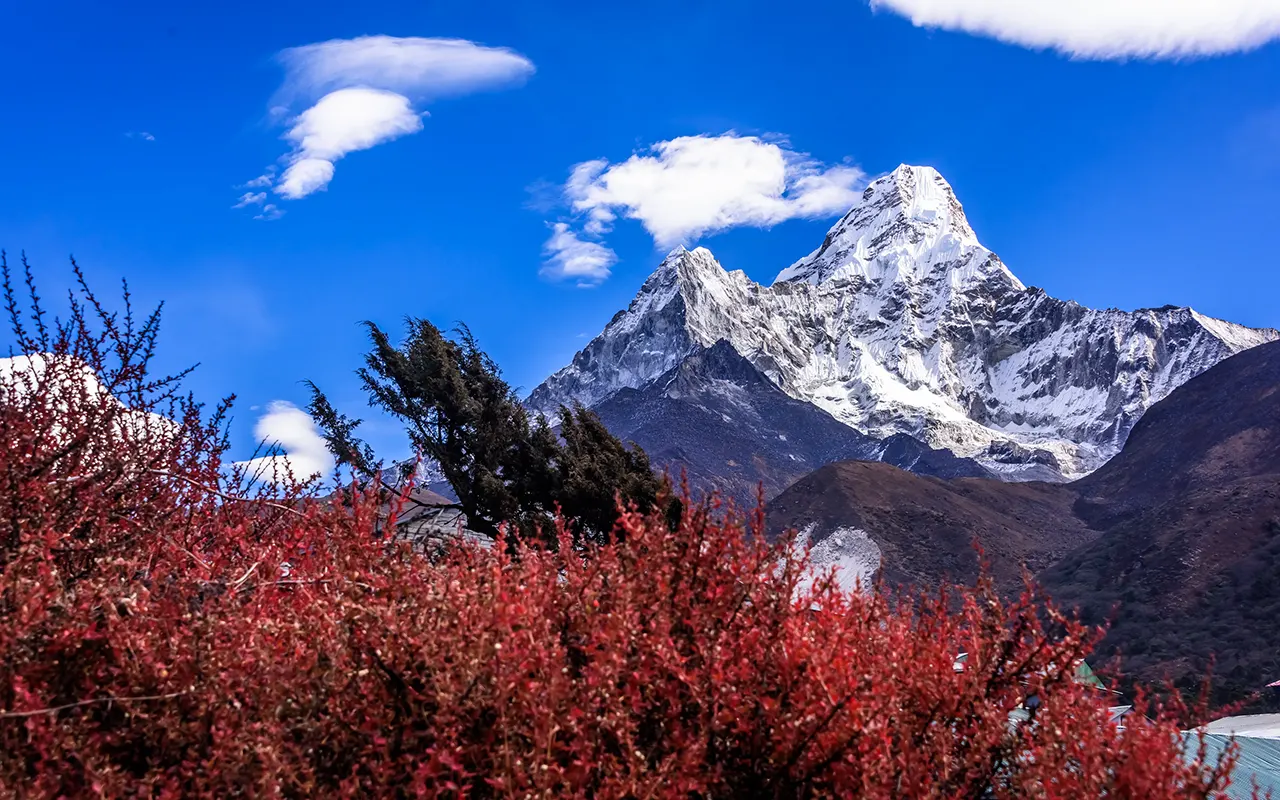
Tourist BusThe Mount Ama Dablam Expedition is one of the most fulfilling mountaineering expeditions in Nepal as it gives climbers a chance to climb one of the most beautiful and recognizable mountain in the Himalayas. Ama Dablam (6,812 m / 22,349 ft) is famous due to its impressive configuration, technical climbing, and spectacular setting in the Everest area. This trip is a breathtaking trek in the Khumbu Valley accompanied by a difficult climb that is appealing to climbers worldwide.
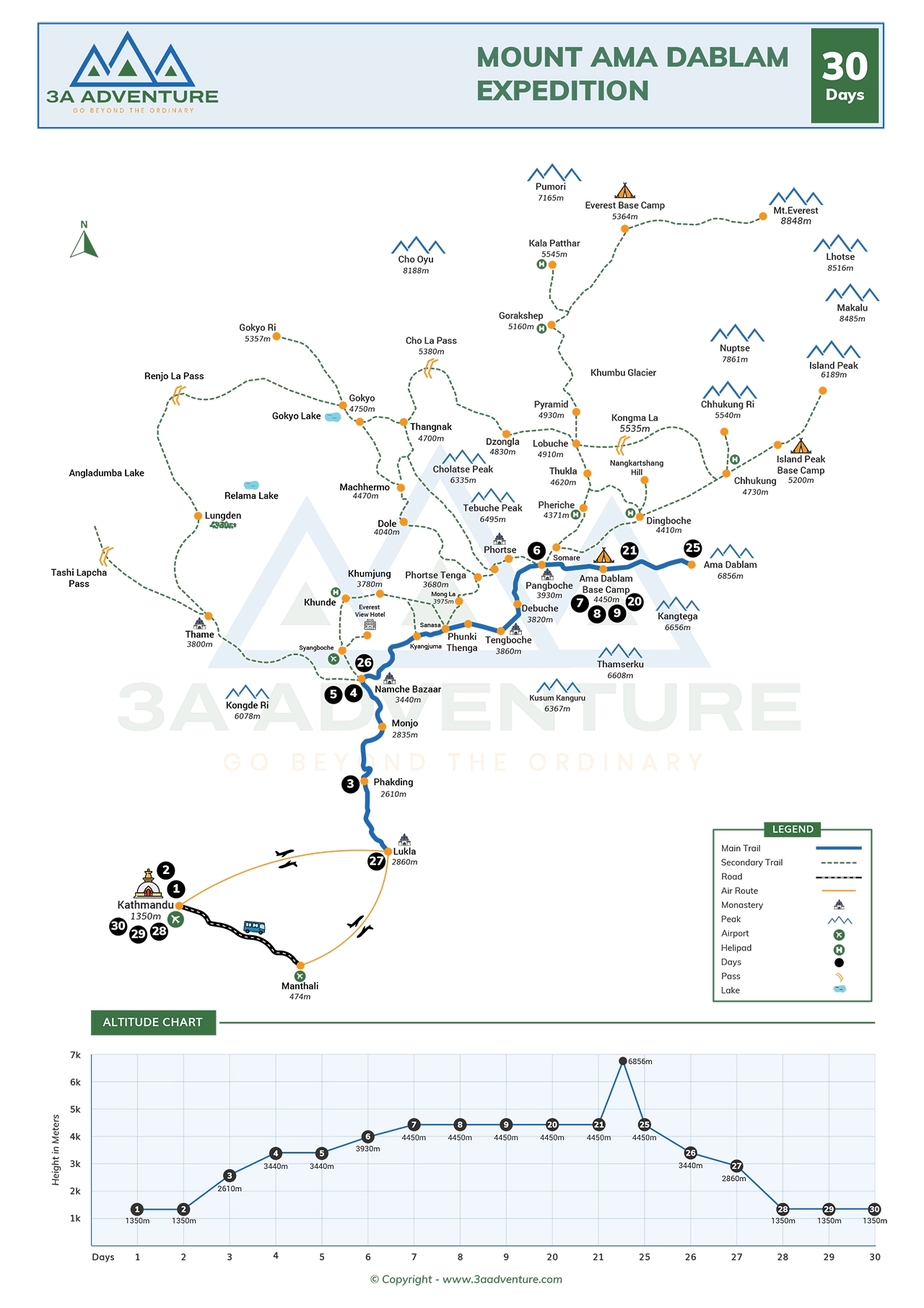
The expedition starts at Kathmandu and takes the traditional path of Lukla, Phakding, Namche Bazaar, and Pangboche, and the final destination is Ama Dablam Base Camp (4,450 m / 14,600 ft). In between, climbers get the opportunity to have an adequate acclimatization process, which allows them to adapt smoothly to the rising altitude. Once the expedition members reach base camp, the expedition proceeds with climbing training and rotating between higher camps until the final summit push.
Ama Dablam is a technical mountain and is mostly recommended to climbers who have prior experience of high-altitude trekking or mountaineering. The expedition involves physical fitness, mental persistence, and proper preparation. But the prizes are incredible, as the Himalayan views are breathtaking, and the accomplishment of being on top of one of the most recognized mountains in the world.
Incorporating professional logistics, professional support staff, and a thoroughly thought-out itinerary, 3A Adventure will allow climbers to concentrate on the mountain and still have a well-planned experience during the expedition, starting with arrival and ending with departure.

You will be welcomed and taken to your hotel when you arrive in Kathmandu. This is the starting day of your Ama Dablam Expedition and you will be coming to this day and spend the night at the hotel. Once you are in the hotel, you can afford to relax and unwind after a journey. The expedition starts at Kathmandu (1,400 m / 4,593 ft). The rest of the day is free to rest and prepare personally before the activities of the expedition start.
The benefit of spending the night at the hotel is that the body gets a chance to have a rest after travelling and be ready to spend the following days in the mountains. When everyone has arrived and meets in Kathmandu, the excitement of the expedition begins to build. The hotel will be used as the place of overnights.

Activity: Arrival and Transfer

Max. Altitude: 1,400m/4,593ft. (Kathmandu)

Meal: Breakfast, Lunch and Dinner

Accommodation: Hotel
Today is a rest day, expedition briefing and preparation in Kathmandu. You will be making the final arrangements before moving on to the mountains. Briefing on the expedition will be done to give information about the journey and the entire climbing program. Another significant advantage is that you can pack your gear and make sure that you are ready to take off.
The day is purposely planned preceding the trek, so that by the time the trek commences, the participants will have adequate time to prepare. Following this preparation and briefing, you will spend one more night in Kathmandu hotel. This is the last day in the city, and it is a significant transition period between arrival and beginning the expedition path.
Activity: Rest Day
Max. Altitude: 1,400m/4,593ft. (Kathmandu)
Meal: Breakfast, Lunch and Dinner
Accommodation: Hotel
You will take a flight today from Kathmandu to Lukla and then proceed on foot to Phakding. This is the actual start of the trekking part of the expedition. Once at Lukla, you will begin to trek to Phakding (2,800 m / 9,186 ft). This day is a mixture of air travel and trekking when it slowly starts to pull away in the higher parts of the expedition route.
On reaching Phakding, you will enter into a lodge and sleep down the night. This initial trekking day will enable you to start acclimatizing to the mountain conditions and gradually progress towards Ama Dablam Base Camp. The overnight will be an accommodation in a lodge in Phakding.
Activity: 3 hours Flight and Trekking
Max. Altitude: 2,800m/9,186ft. (Phakding)
Meal: Breakfast, Lunch and Dinner
Accommodation: Lodge
Today you will be trekking from Phakding to Namche Bazaar. You will keep on hiking along the expedition trail and slowly increase in height as you head towards Namche Bazaar (3,440 m / 11,286 ft). This is among the most important steps of the approach trek and takes you nearer to the elevated parts of the route.
You will be walking up the trail all day to reach your destination and will finally arrive at Namche Bazaar where you will stay the night. The night in a lodge will enable you to rest and get ready to the acclimatization day the next day. One of the significant landmarks of the trek towards Ama Dablam Base Camp is the Namche Bazaar.
Activity: 6 hours Trekking
Max. Altitude: 3,440m/11,286ft. (Namche Bazaar )
Meal: Breakfast, Lunch and Dinner
Accommodation: Lodge
Today will be an acclimatization day at Namche Bazaar (3,440 m / 11,286 ft). This rest day will give your body more time to adapt to the rising altitude and proceed higher along the expedition route. There is an optional increase to Everest View Hotel at daytime. The increase will be followed by a return to Namche Bazaar where you will resume acclimatization at the same level.
The rest of the day may be spent in rest and preparation till the trek is taken up again. High-altitude expeditions entail acclimatization days, which are part of the itinerary prior to further ascending. The lodging will be in a lodge in Namche Bazaar.
Activity: 3 hours Acclimatization
Max. Altitude: 3,880m/12,730ft. (Namche Bazaar)
Meal: Breakfast, Lunch and Dinner
Accommodation: Lodge
You are going to trek today from Namche Bazaar to Pangboche. When you have finished your acclimatization day in Namche the expedition will be heading up to higher altitudes, with you making your way to Pangboche (3,990 m / 13,091 ft). It is a significant part of the plan to Ama Dablam Base Camp and a step towards the climbing part of the expedition. Your journey will go uphill as you progress around the route as per the planned itinerary.
When you reach Pangboche, you will get into your lodge and can have a rest before the journey the following day. The stay here offers the chance of getting ready to the last trekking phase that will take one to Ama Dablam Base Camp. The night accommodation will be in a lodge at Pangboche.
Activity: 5 hours Trekking
Max. Altitude: 3,990m/13,091ft. (Pangboche )
Meal: Breakfast, Lunch and Dinner
Accommodation: Lodge
Your trek will begin at Pangboche and trail up to Ama Dablam Base Camp. The present expedition is the last trekking phase that the expedition will undergo before entering the climbing phase. You will slowly climb up to the Ama Dablam Base Camp on the scheduled path. The base camp is an important event and symbolizes the end of the approach trail.
Here you will make your preparations and then go into the tented camp where you will be camped during the next period of the expedition. The rest of the day may be spent in relaxation and arrangement of personal gear in anticipation of the official base camp preparation day. Ama Dablam Base Camp will serve as overnight accommodation in a tent.
Activity: 4 hours Trekking
Max. Altitude: 4,450m/14,600ft. (Ama Dablam Base Camp )
Meal: Breakfast, Lunch and Dinner
Accommodation: Tent
The day will be spent resting and preparing at Ama Dablam Base Camp (4,450 m / 14,600 ft). The day gives them good time to acclimatize to the camp scene, before commencing the phase of climbing training and rotation of the expedition. Spending time in the base camp will enable the participants to keep adapting to the altitude and also giving them time to prepare equipment and personal gear to be used in the following days.
The time is deliberately slow, allowing time to all to relax after the walk to base camp. It is also a preparation day at the transition of the trekking part of the journey to the expedition part. The tent will be used as an overnight accommodation at Ama Dablam Base Camp.
Activity: Rest Day
Max. Altitude: 4,450m/14,600ft. (Ama Dablam Base Camp )
Meal: Breakfast, Lunch and Dinner
Accommodation: Tent
During the following twelve days, you will be engaged in climbing training and rotation stage of the Ama Dablam Expedition. The itinerary starts and ends with Base Camp, Camp I, and Camp II rotations before returning to Ama Dablam Base Camp (4,450 m / 14,600 ft). This time is a crucial stage in the expedition and is meant to equip climbers to the summit push. The training and rotation program will enable the participants to be able to adjust to elevation over time as they adhere to the scheduled expedition program.
During this period, you will be busy preparing and acclimatizing as you work out of the tented base camp. At the end of the rotation period you will revert to Base Camp and prepare finally before the final stage of the expedition, which will be on the summit.
Activity: Climbing Training and Rotation
Max. Altitude: 4,450m/14,600ft. (Base Camp)
Meal: Breakfast, Lunch and Dinner
Accommodation: Tent
Today is the start of the summit push part of the expedition. Based on the itinerary you will leave Base Camp to Camp II and then head to the summit and back to Camp II or Base Camp. This part of the expedition is the main goal of the expedition and the schedule is based on the schedule of the summit attempt. Climbers at this time will ascend at a much higher altitude based on the expedition plan.
The peak of the expedition is the Ama Dablam (6,812 m / 22,349 ft) and then descends as per the scheduled route. When the summit push is completed, participants will go back to Camp II or Base Camp and prepare to take the journey back off the mountain.
Activity: Summit Push
Max. Altitude: 6,812m/22,349ft. (Base Camp)
Meal: Breakfast, Lunch and Dinner
Accommodation: Tent
You will be returning to Namche Bazaar today from Ama Dablam Base Camp. Once the climbing part of the journey is over, you will start the journey back to Base Camp, then to Namche Bazaar. This is where the expedition program starts, bringing the journey back to Kathmandu after the expedition program was completed. When you move out of the base camp area, this day is the time to reflect on the experiences and accomplishments in the previous weeks.
On reaching Namche Bazaar, you will enter a lodge and have a good night’s rest. The base camp is also at a lower elevation, which is a welcome relief after staying a long time at high altitudes. You will stay in a lodge in Namche Bazaar overnight.
Activity: 7 hours Trekking
Max. Altitude: 4,450m/14,600ft. (Namche Bazaar )
Meal: Breakfast, Lunch and Dinner
Accommodation: lodge
You will begin at Namche Bazaar and go on to Lukla. It is the last day of the expedition trekking, and this marks the end of the mountain journey. After departing Namche Bazaar, you will retrace the trail to Lukla, where the trekking part of the expedition comes to an end. The day will enable you to put in the last phase of the reverse journey as you prepare for the flight back to Kathmandu the next day.
On reaching Lukla, you will be lodged in a lodge and spend your final night in the mountainous area. This one-night visit will give you time to unwind before leaving the Himalayas and going back to the capital city.
Activity: 7 hours Trekking
Max. Altitude: 3,440m/11,286ft. (Lukla)
Meal: Breakfast, Lunch and Dinner
Accommodation: lodge
Today, you are going to fly from Lukla to Kathmandu. This is the last flight of the mountain part of the expedition, and takes you back to Kathmandu at (1,400 m / 4,593 ft). On arrival, you will be taken straight to your hotel where you can rest after the expedition.
Once the trekking route is complete, at base camp, and on the mountain, going back to Kathmandu can be a relaxing experience to have at the end of the journey. The rest of the day is spent in free time at the hotel. The hotel will be located in Kathmandu.
Activity: Flight and Transfer
Max. Altitude: 2,860m/9,383ft. (Kathmandu )
Meal: Breakfast and Lunch
Accommodation: Hotel
Today is a leisure day in Kathmandu City. We will take more than a day to rest in Kathmandu (1,400 m / 4,593 ft) after the expedition. This is a day off where you can take time and relax before you travel abroad. It is also a buffer day in the expedition after the expedition has been completed. You can take your time throughout the day and relax in the hotel.
The last complete day of the program is the leisure day, when the program will end before departure. The hotel accommodation will be in a hotel in Kathmandu overnight.
Activity: Leisure Day
Max. Altitude: 1,400m/4,593ft. (Kathmandu)
Meal: Breakfast
Accommodation: Hotel
Today is the end of your Ama Dablam Expedition. Following breakfast at the hotel, you will be taken to the international airport at Kathmandu where you will be boarding your flight. Since the expedition is now finished, this last day is devoted to the preparation to leave. This is the end of the itinerary with the transfer between the hotel and the airport.
When you depart Kathmandu at (1,400 m / 4,593 ft), you will be able to take with you the memories and experience that you have had during the expedition. Services end when you are transferred to the international airport.
Activity: Departure
Max. Altitude: 1,400m/4,593ft. (International Airport)
Meal: Breakfast

Note:
If you have a private group and prefer a personalized experience, we can organize a custom trip tailored to your requirements and group size, running it any day you choose.
Transportation
Food and Accommodation
Base Camp Tent accommodation.
Guide and Support Staff
Permits and Expenses
Medical and Gear
Medical kit, base camp
Others
International Visa and Flights
Food and Accommodation
Travel and Medical Insurance
Other Expenses
Guidelines for guides and staff
The most appropriate period to do a Mount Ama Dablam Expedition is in the spring and autumn climbing seasons. These seasons usually have better weather and a clear view of the mountains than during other seasons of the year. During spring, the weather is generally mild, and there are more hours of daylight, whereas autumn is characterized by clear skies and visibility. The Himalayas weather is unpredictable, and climbers must always be ready for sudden changes in temperature, wind, and visibility.
In the expedition, the temperature is lower with an increase in altitude. Conditions at Ama Dablam Base Camp (4,450 m / 14,600 ft) are very different from those in Kathmandu (1,400 m / 4,593 ft). Mountain conditions are much more severe in higher camps and in summit areas. A successful Ama Dablam Climbing Expedition requires proper planning, appropriate equipment, and flexibility. The appropriate season choice can significantly enhance the safety and the entire climbing process.
The Mount Ama Dablam Climb is regarded as a strenuous mountaineering goal, which demands prior experience in high-altitude trekking or climbing. This is a technical climbing expedition that includes some technical climbing parts and some high-altitude stints, unlike typical trekking routes. Climbers must feel at ease with climbing gear and operate in the mountains.
The expedition will start with trekking and slowly transform to climbing above Ama Dablam Base Camp (4,450 m / 14,600 ft). As climbers ascend higher up to Camp I, Camp II and ultimately the summit, physical and mental demands become very demanding. This climb is only suitable for experienced adventurers due to the combination of the altitude, weather, and technical terrain.
Even though the climb is challenging, with proper preparation, training, and support, the chances of a successful summit can be enhanced. A lot of climbers prefer to join a professionally organized Mount Ama Dablam Expedition so as to enjoy the organized logistics, instructions, and safety resources during the expedition.
One of the most significant factors to be considered in a Mount Ama Dablam Expedition is altitude sickness. Rising to greater heights, climbers use less oxygen, which makes it more difficult for the body to adapt. Symptoms can include headache, fatigue, loss of appetite, dizziness and sleeping difficulties.
The itinerary has acclimatization days and climbing rotations to enable the body to gradually adjust to the altitude. A stay in the Ama Dablam Base Camp (4,450 m / 14,600 ft) before advancing higher is a significant aspect of this process. Climbers are advised to be keen on their physical fitness and report any symptoms to their guide or expedition team.
One of the best methods to decrease the chance of altitude-related issues is proper hydration, enough rest, and gradually increasing the altitude. Strict adherence to the expedition plan is significant in ensuring health and safety during the climb.
A successful Ama Dablam Climbing Expedition requires good physical preparation. The training that should commence several months before departure should involve the climbers working on improving their endurance, strength, and fitness. Hiking, running, cycling, stair climbing, and strength training are some of the activities that can be done to prepare the body for the requirements of the expedition.
The expedition entails a walk to Ama Dablam Base Camp (4,450 m / 14,600 ft) and several rotations and a summit push at very high altitudes. Good cardiovascular condition is especially significant since it becomes more physically demanding to climb at altitude. It is also worthwhile to prepare mentally because climbers can have a long day, varying weather patterns and difficult climbing.
An adequate training schedule can greatly enhance performance and comfort at the expedition. Before trying a Mount Ama Dablam Climb, most climbers train in fitness and technical climbing skills, enabling them to feel more confident and ready to take the adventurous leap.
Throughout the Mount Ama Dablam Expedition, food and accommodation vary. In the trekking part of the expedition, climbers spend their nights in local lodges and tea houses on the way. These tents provide a comfortable area to rest and then move on to base camp.
Accommodation is made at the base camp of Ama Dablam in a tented expedition camp at (4,450 m/ 14,600 ft). The operational center of the climbing activities, acclimatization, and summit preparation is established in the base camp. Meals are usually provided to help sustain the nutritional requirements of climbers throughout the expedition.
The environment of the mountains makes accommodation simpler as the expedition continues. Climbers can anticipate plain but practical facilities that are meant to accommodate high-altitude climbing activities. With the assistance of well-trained organizers like 3A Adventure, meals and lodging logistics are handled before the event, so the participants can concentrate on the climbing and the expedition experience in general.
One of the key aspects of the Mount Ama Dablam Expedition is transportation. The adventure starts at Kathmandu, and the climbers organize the adventure and then head to the Everest region. Based on the itinerary, the trip will consist of a flight between Kathmandu and Lukla and the trek to Ama Dablam Base Camp. Participants finish the expedition by flying back to Kathmandu at the end of the expedition.
These flights save much time which would otherwise be spent traveling and offer access to the starting point of the trekking route. Due to the weather conditions in the mountains, flexibility is a factor during the trip since it may interfere with the flight schedule. Climbers must also have some extra time in their travel plans in order to allow time in case of delays.
Once the expedition gets to Kathmandu, hotel transfers and airport transfers are usually included in the expedition services. Good transportation logistics facilitate a comfortable journey between arrival and departure to enable the climbers to concentrate on the objectives of their Ama Dablam Climbing Expedition.
The higher you go in a Mount Ama Dablam Expedition, the more restricted your communication facilities are. Kathmandu has a high level of internet access, mobile networks, and other communication services. Connection can be difficult at times, and at other times during the trek to Ama Dablam Base Camp, it is affected by the weather and the place.
Communication opportunities at Ama Dablam Base Camp (4,450 m / 14,600 ft) tend to be less abundant than at lower altitudes. Slow internet speeds and network drops are to be expected by climbers. It is advisable to educate the family and friends that they might not always be in touch with the climbing phase of the expedition.
Communication services at higher altitudes may not be as reliable as climbers should expect, although staying in touch can be helpful. It is also possible to avoid futile fears during the expedition and to plan and spread information about significant travel before entering the mountain area.
A valid climbing permit is required for a Mount Ama Dablam Climb. The expedition also includes permits like Ama Dablam Expedition Climbing Permit, Sagarmatha National Park Entry Permit and Khumbu Pasang Lhamu Rural Municipality Permit, which are required in order to legally engage in climbing practice in the mountain. Before setting out on an expedition, climbers are advised to make sure that all the necessary paperwork has been done.
The requirements of permits can be different, as there is a chance that they will change according to the existing regulations and expedition plans. The majority of climbers choose to join an organized Mount Ama Dablam Expedition, in which the services of obtaining permits are included in the expedition services. This is used to ease the process of administration, and participants concentrate on preparing to climb.
When travelling, one should always keep copies of the important documents and personal identification. Always use approved channels when handling permit procedures to make sure that the local regulations are followed. Having the right permit arrangements is one of the major components of an effective and well-organized expedition.
The majority of foreigners visiting Nepal need a visa to travel there and participate in a Mount Ama Dablam Expedition. Most nationalities are offered a tourist visa, and travelers are advised to verify the current visa requirements before making their travel plans.
One is usually required to have a valid passport that has enough validity beyond the time of travel. Visa laws are dynamic, so climbers are advised to confirm the prevailing needs using official governmental platforms before traveling. It is always good to have all the travel documents ready beforehand to prevent any delays and complications when arriving.
The participants are advised to make sure that their visa period is sufficient to accommodate the entire expedition period (with arrival and departure days). The expedition takes several weeks and therefore, the right visa period is to be chosen. Visa preparation is a good way to make the journey jump off on the right foot and enable climbers to concentrate on the adventure.
Anyone participating in a Mount Ama Dablam Expedition should have travel insurance. The characteristics of high-altitude mountaineering require climbers to take out a policy that directly addresses trekking, climbing, emergency medical care, and evacuation services in case of need.
The expedition ascends to the high altitudes above Ama Dablam Base Camp (4,450 m / 14,600 ft) and extends to much higher camps in the summit phase. Due to such circumstances, regular travel insurance is not necessarily the one that is going to offer sufficient coverage. Before buying insurance, one should carefully look at the details of the policies.
All-inclusive coverage may cover financial risks in case of unforeseen circumstances like travel delays, illnesses, lost luggage, and evacuation costs. Being properly insured gives you a sense of relief and is viewed as a considerable aspect of responsible planning of expeditions.
Although most services are covered in a Mount Ama Dablam Expedition, the climbers are to provide personal costs that may be involved in the expedition. These extras are subject to change according to individual tastes and traveling needs.
Some typical additional costs can be personal snacks, beverages, laundry, recharging of electronic devices, communication, personal equipment, support staff tips, and any other pre-expedition and post-expedition travel costs. International flights and visa fees can also be differentiated depending on the package chosen.
It is a good idea to have a extra budget since there may be some unforeseen costs in any long expedition. Budgeting personal expenditure is a way of avoiding financial shocks and will enable the climbers to have an enjoyable adventure. Knowing the additional expenses that may arise is a significant aspect when preparing a successful Ama Dablam Climbing Expedition.
The Mount Ama Dablam Expedition may be planned as a solo trip or a mixed trip. The two alternatives have their own benefits, and the most suitable option depends on the preferences, climbing experience, and traveling intentions.
A personal trip will be a more flexible one and will also give the climbers a more personal experience. It may be adapted to the needs of an individual person, friends, or small groups of people who like personalized planning and a special plan.
Group expeditions unite like-minded climbers and, in many cases, give rise to a good team spirit. The participants are able to share the experience of the expedition, enjoying the benefit of organized logistics and support. A large number of climbers are fond of getting to know other like-minded adventurers and sharing the experience of the quest to the summit.
Some operators, like 3A Adventure, provide both individual and group opportunities to choose the format of the expedition that suits them best, according to their level of experience and the objectives of climbing.
General
Autumn and spring are the most popular seasons because the weather is good for climbing, and the mountain is better seen.
The majority of the expeditions last about 30 days, which includes trekking, acclimatization, climbing and the process of returning.
Yes, prior trekking or climbing experience in high altitude is highly encouraged in Ama Dablam.
Preparation & Fitness
A good level of fitness is important, as the expedition involves long trekking days and climbing at high altitude.
It is usually advisable to begin training at least several months before the expedition.
Minimal mountaineering and climbing experience may be extremely useful in the expedition.
 Insurance & Visa
Yes, full insurance is strongly suggested in case of high-altitude climbing expeditions.
Select a policy that includes mountaineering activities, medical emergencies and evacuation.
The majority of international tourists will be required to have a tourist visa to Nepal.
 Guides & Support Staff
Yes, there are experienced guides and support staff along with the expedition.
Base camp staff helps with the logistics, meals, and expedition activities.
 Accommodation and Facilities
During the trekking part, accommodation is provided in local teahouses.
Ama Dablam Base Camp has accommodation in expedition tents.
Yes, food is supplied based on the program and itinerary of the expeditions.
 Weather & Seasons
Yes, mountain weather at times may affect the trekking, climbing, and flight schedules.
The higher you go past base camp the colder it gets.
 Health & Safety
Yes, at higher elevations, climbers can be affected by altitude sickness.
Yes, there will be acclimatization and climbing rotations as part of the expedition plan.
 Booking & Payment
It is generally advisable to book several months beforehand.
The arrangements of permits are normally addressed as expedition services.
 Transportation & Flight
The trek involves a Kathmandu to Lukla flight followed by the actual trek.
Flight delays may occur because of weather, and therefore, some flexibility is always a good idea.
Yes, transfers to and from the airport as well as hotels are usually a part of the expedition package.