Based on 27 reviews
Trip Duration
6 DaysTrip Difficulty
ModerateMax Altitude:
3,800m. / 12,467ft.Group Size
1 to 25 PeopleBest Season
Autumn, SpringMeals
Breakfast, Lunch and DinnerAccommodation
Hotel/ LodgeTransportation
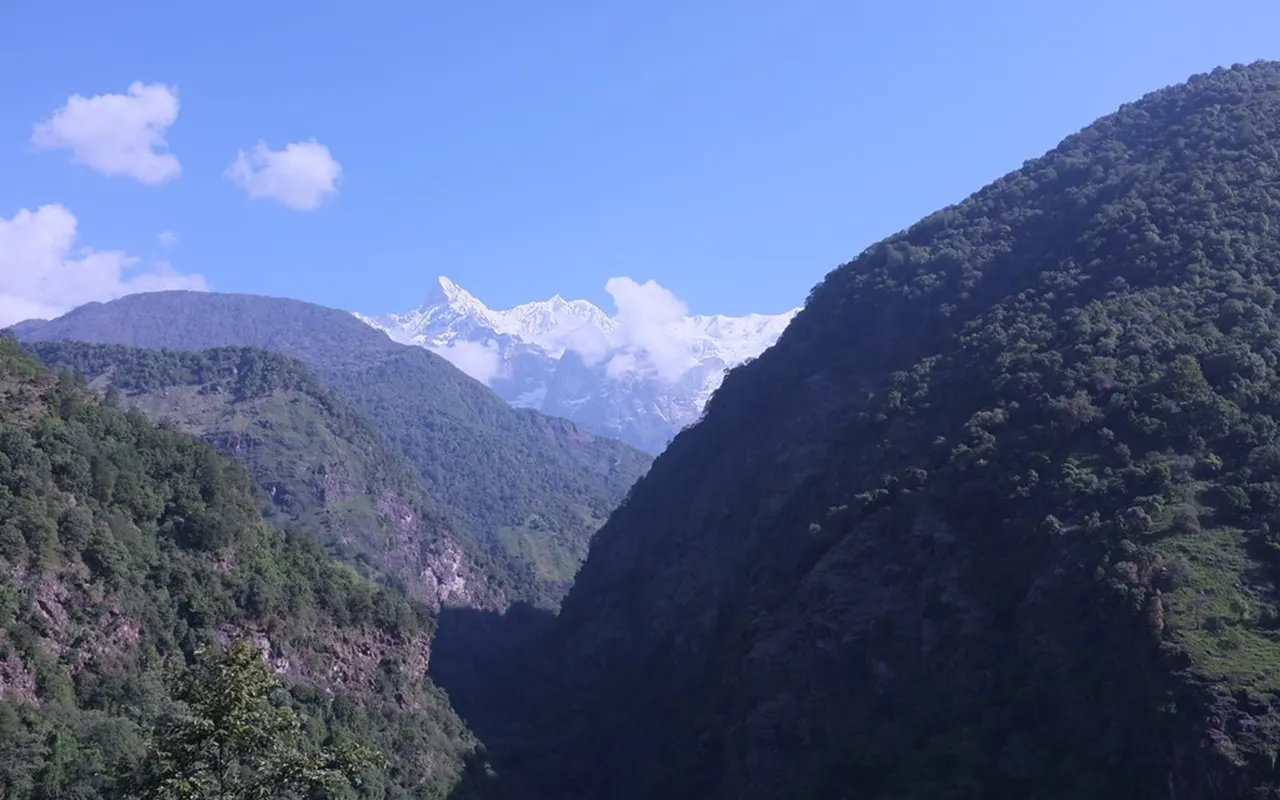
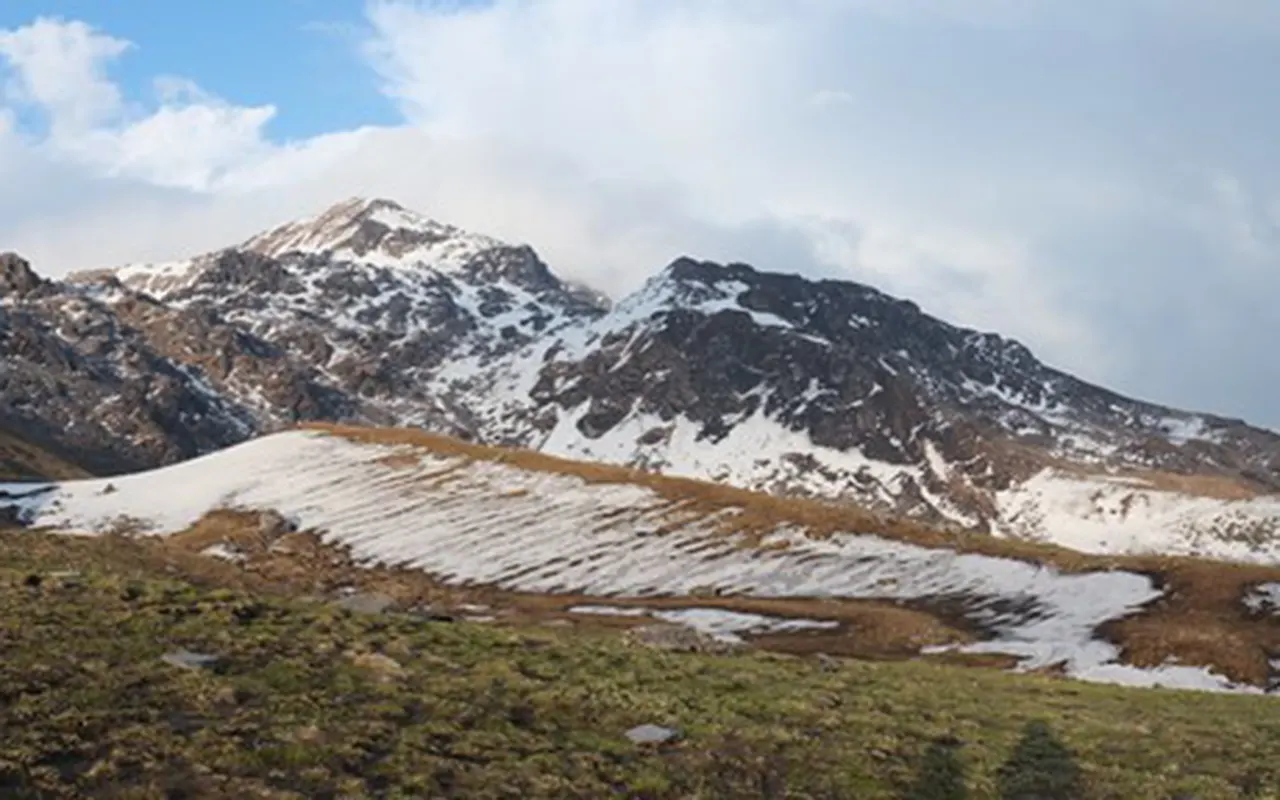
Tourist BusThe Kori Himal Trek is a short and rewarding journey in the Annapurna region of Nepal. It passes through the traditional Gurung villages, serene forests, grasslands and beautiful mountain scenes arriving at the scenic spot of Kori Danda. This trek is perfect for those who don’t want to spend several weeks on the trail to experience the Himalayas. The summit of the trek is Kori Danda (3800m/12467 ft), where you can see wide vistas of Annapurna II, Lamjung Himal, Machhapuchhre and some other surrounding peaks. You will pass through a deep experience of local culture, a simple way of life in the mountains, and the peaceful beauty of nature.
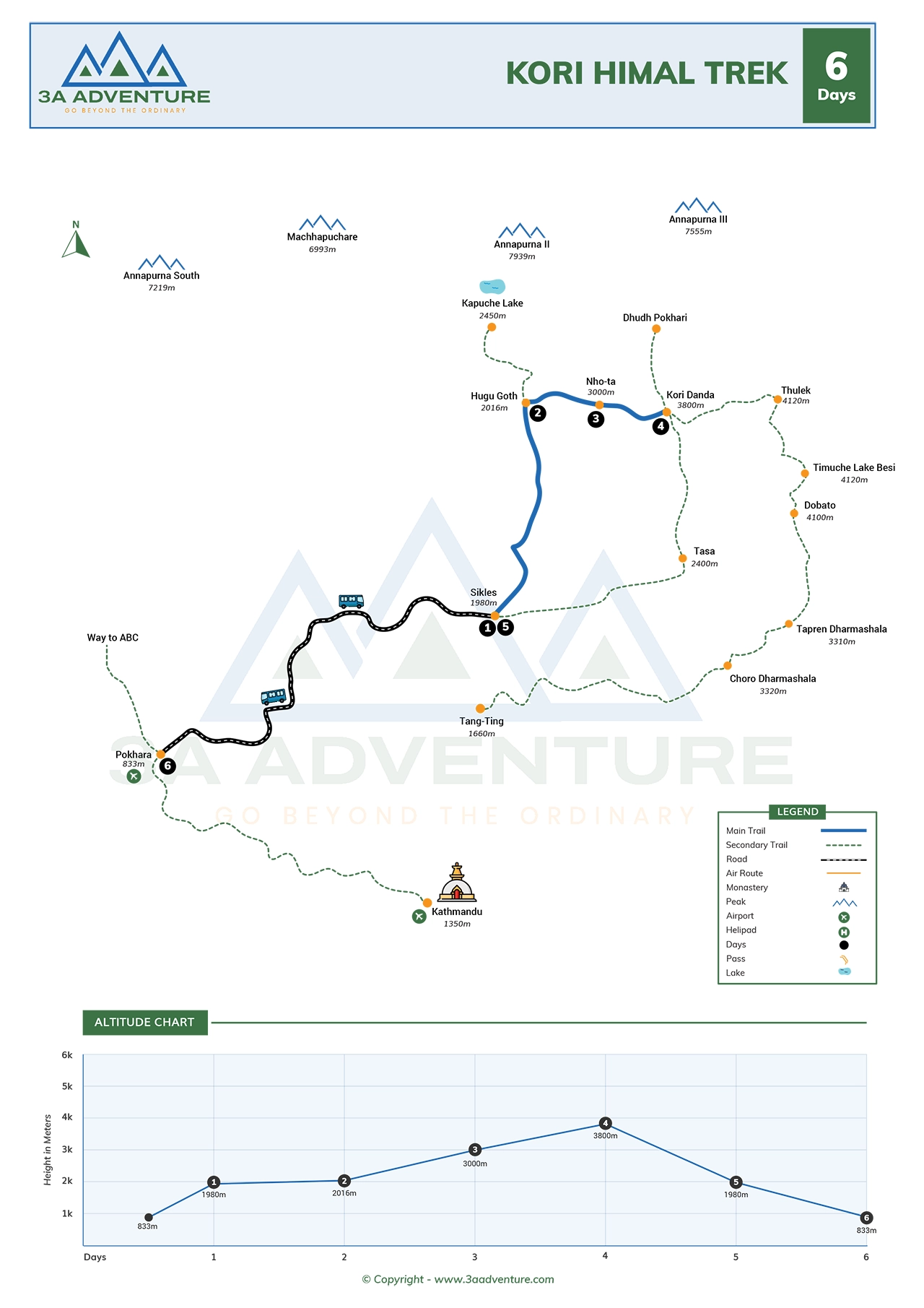
Routers frequently start the Kori Himal Trek from the traditional Gurung village of Sikles (1,980 m / 6,496 ft) from Pokhara. The route then goes through Hugu Goth and Nohtha and eventually arrives at Kori Danda. Every day is different, forests slowly giving way to alpine meadows and high mountain ridges. The walk is typically four to seven hours a day and is recommended for those who have moderate fitness. The trip takes time to see the scenery, take photos and to learn about the local communities which live in the area.
For those who prefer to spot trekking routes in Nepal with fewer crowds, the Kori Danda Trek package is perfect. You will find accommodation in the local tea house, lodges and community-based homestays, where you will find warm hospitality and freshly prepared meals. The trail is quiet and serene throughout the walk and you can enjoy the scenery without having to worry about crowds. In spring, rhododendron forests are a colorful treat, and in summer, the weather is settled with beautiful mountain views to enjoy. Perfect for travelers, whether you’re with friends, family or travelling alone, this trip offers a comfortable mix of adventure, culture, and nature.
The Kori Himal Trek offers a great opportunity for those who want to visit a less popular area of the Annapurna region, experience really great views of the Himalayas, and enjoy the traditional village culture. This trek has a moderate level of difficulty, the local people are very welcoming and the viewpoints are all very nice to see. Under the guidance of the professional guides and with proper planning and support, 3A Adventure ensures that your trekking experience is safe, comfortable and memorable.
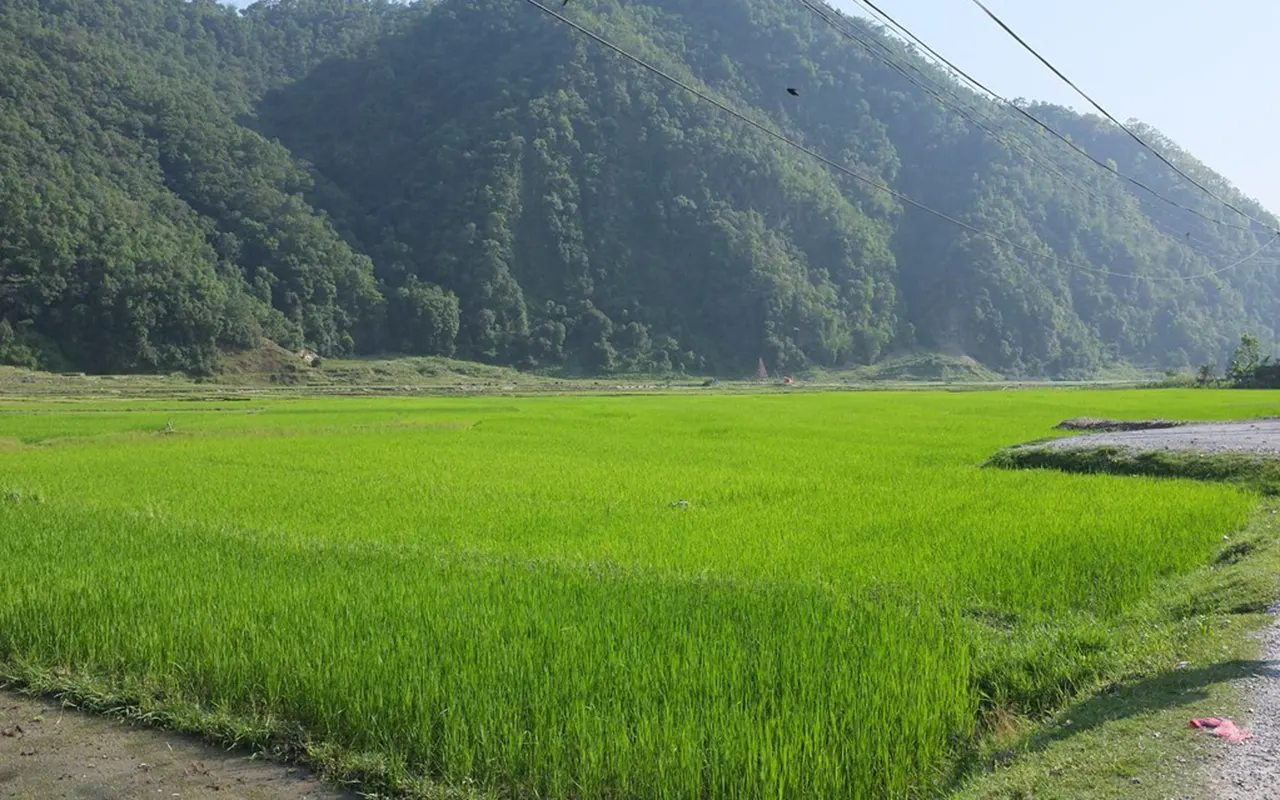
The trip starts with a picturesque drive from Pokhara to Sikles, which goes through the traditional village of Tangting. The road winds through green hills and terraced farms, through rivers and through small rural settlements to gradually move away from the city. The views of the other mountains and quiet countryside are beautiful as you go further into the Annapurna region.
As you head on to Sikles, you’ll stop at Tangting, a lovely Gurung village. Sikles (1,980 m / 6,496 ft) is one of the biggest Gurung villages in Nepal. On arrival, you will be able to wander the village, get to know the locals and enjoy the views of Lamjung Himal and Annapurna II (if cloudless).
It’s a chill first day to get used to the trek before you hit the mountains and to see the local culture.
Activity: 4-5 hrs
Max. Altitude: 1,980m/6,496ft. (Sikles )
Meal: Lunch and Dinner
Accommodation: Hotel
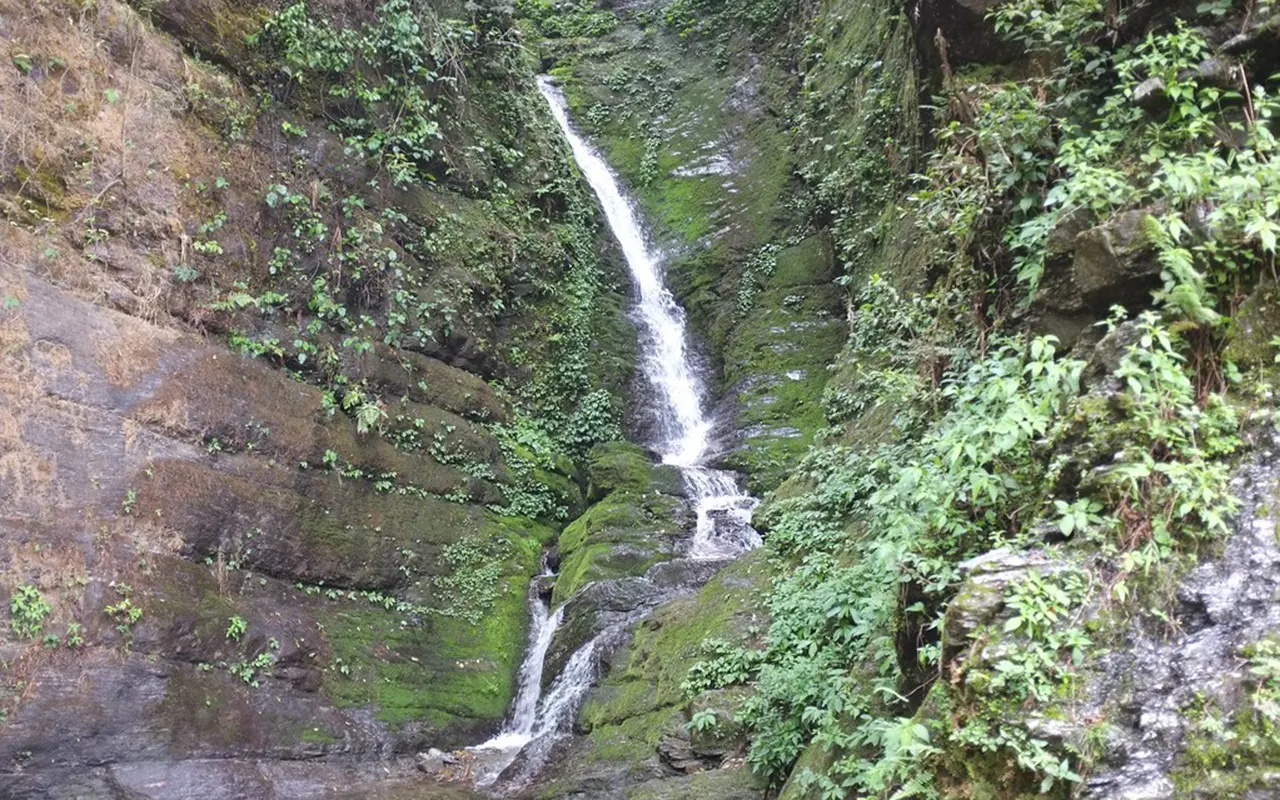
Following breakfast, you trek from Sikles towards Hugu Goth. The trail winds through forest, open grazing land and serene mountain trails, with gentle inclines and declines.
You can expect to see local shepherds and grazing animals, as well as many different types of birds, on the way. The trail is lovely to follow with views of surrounding hills and snow-covered peaks as the forest is open. The walk is easy and pleasant to do at a leisurely pace, enjoying the peaceful atmosphere. Hugu Goth is a pastoral area, where the pastoralists of the region have access for some periods of the year. It is located at an altitude of 2,016 m / 6,614 ft) and offers a quiet night’s sleep with nature around you.
At the end of the evening, you can take in the mountain fresh air and get ready for the next day’s more challenging hike to the higher areas.
Activity: 4-5 hrs
Max. Altitude: 2,016m/6,614ft. (Hugu Goth)
Meal: Breakfast, Lunch and Dinner
Accommodation: Lodge
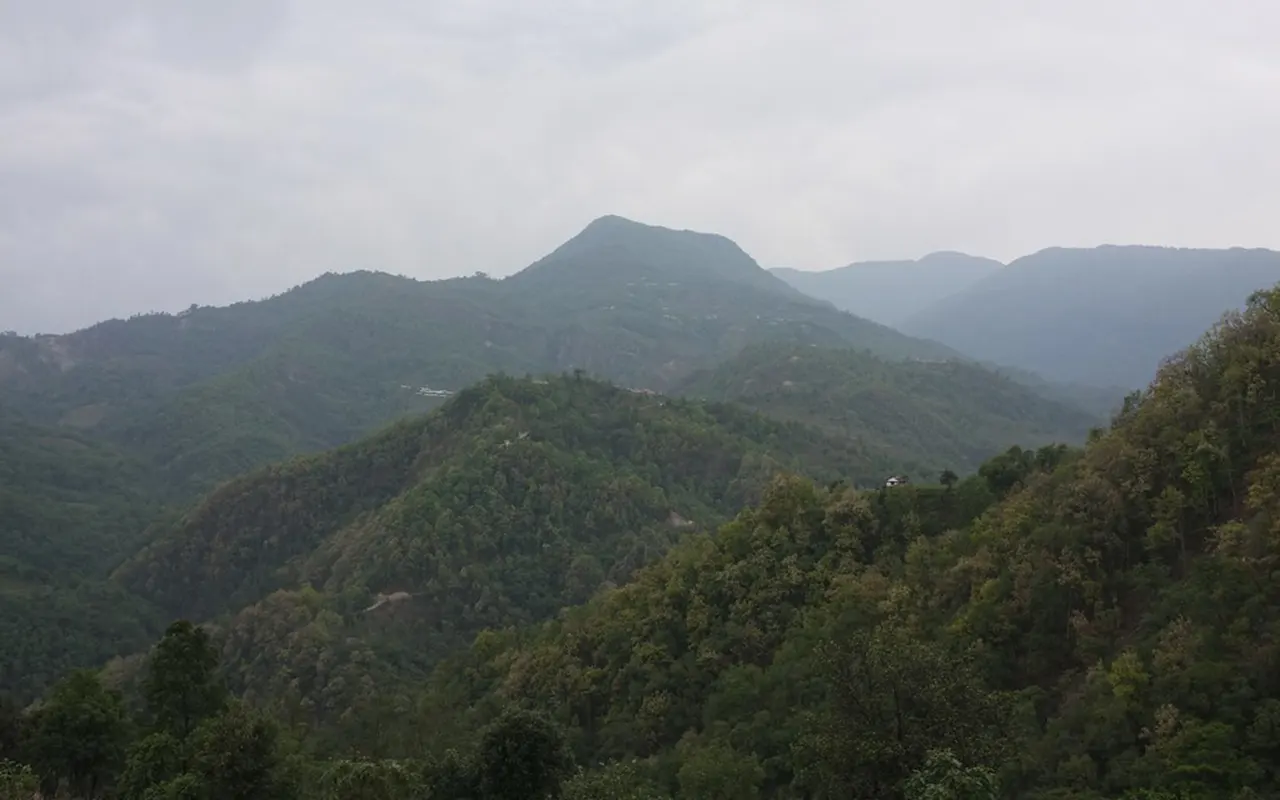
The trail takes a turn uphill towards Nohtha, becoming steeper as you head on. This opens out to the alpine landscape as the forested hills gradually give way. On the way, you will traverse grassy meadows, rocky paths and seasonal grazing fields and be afforded increasingly broad vistas of the mountains.
The trail is lit up with rhododendron flowers in colour in spring and in the dry season offers great opportunities for seeing the Annapurna range and the surrounding peaks. The gradual ascent lets you enjoy the different atmosphere as you ascend. After several hours of trekking, you will arrive at Nohtha (3000 m / 9843 ft).
This is a very quiet campsite and is set in a high hill/mountain landscape. The chill weather brings you the sense that you are in the higher landscape of the Himalayas before you reach Kori Danda the next day.
Activity: 5-6 hrs Trek
Max. Altitude: 3,000m/9,843ft. (Nohtha)
Meal: Breakfast, Lunch and Dinner
Accommodation: Lodge, Teahouse
The day you are on this trek is one of the most rewarding days as you start your journey to Kori Danda. The trail winds up through the open ridges and alpine meadows, enjoying great mountain views all day long.
The view opens up with great views of Annapurna II, Lamjung Himal, Machhapuchhre and some more peaks as elevation rises. This is memorable because of the peacefulness and the vast mountain open space. You climb gradually to Kori Danda(3,800 m / 12,467 ft). This beautiful viewpoint is known for its sunrise and sunset views over the Himalayas.
The open grassland and quiet environment are perfect for a relaxing evening, enjoying fresh mountain air and sleeping with stunning views.
Activity: 4-5 hrs Trek
Max. Altitude: 3,800m/12,467ft. (Kori Danda)
Meal: Breakfast, Lunch and Dinner
Accommodation: Lodge, Teahouse
If the weather is clear, you wake up early and enjoy a wonderful sunrise over the Himalayan peaks before heading back down to Sikles. You then retrace the route down through the alpine fields, woods, and grazing lands after breakfast.
The descent will be longer but typically more manageable, letting you enjoy the varying views from the other side. The air warms up as you descend, and the forests are also green again. There are several places along the way that offer a good spot to rest and take in the scenery.
Back in the traditional Gurung village of Sikles (1,980 m / 6,496 ft), a few hours later. Enjoy an evening of relaxation, exploration and/or celebration of the accomplished trek.
Activity: 6-7 hrs
Max. Altitude: 3,800m/12,467ft. (Sikles)
Meal: Breakfast, Lunch and Dinner
Accommodation: Lodge, Teahouse
Following breakfast, you return to Sikles and head back to Pokhara. The road winds up through lovely villages and through terraced fields, forests and rivers to the city.
On the way to Pokhara, you will observe the gradual change of the landscape from cool mountain surroundings to the warmer valleys. En route, you’ll catch your last glimpse of the hills around you and remember the great times you have had on the Kori Danda Trek.
Once you reach Pokhara, you can take up your booking at your hotel, and then kick back by Phewa Lake, explore the markets, or have a bite at one of the numerous cafes or restaurants in the town. This is the end of the trek in the Annapurna region.
Activity: 4-5 hrs Drive
Max. Altitude: 1,980m/6,496ft. (Pokhara)
Meal: Breakfast and Lunch
Accommodation: Hotel
Note:
If you have a private group and prefer a personalized experience, we can organize a custom trip tailored to your requirements and group size, running it any day you choose.
Transportation
Food and Accommodation
Guide and Support Staff
Permit and Expenses
Medical and Gear
Others
International Flights and Visa
Food and Accommodation
Travel and Medical Insurance
Other Expenses
The Kori Himal Trek can be done during various seasons, with spring and autumn being the ideal times. In the springtime (March-May), the hills are white with rhododendron blooms and mountain views are generally clear. September through November is the time of relatively stable weather, frequent blue skies, and dry trails offering more comfort for trekking.
Experienced trekkers may also enjoy winter in this region, although around Kori Danda (3,800 m / 12,467 ft), the temperature may fall below freezing at night. It is not as good in the summer monsoon season when frequent rain, muddy trails and lower visibility make it less easy to use. Be sure to consult the local forecast before your visit as the weather in the mountains can shift rapidly. Layer clothing and pack adequate rain and cold weather gear to stay comfortable during the hike.
Kori Himal Trek is a moderate trek and is best for those with reasonable fitness. Walking is typically between 4 and 7 hours a day, up and down hills. The path is through forests, open meadows, rocks and mountain ridges.
The trek highest point is Kori Danda (3,800 m / 12,467 ft). The elevation is not very steep for many Himalayan itineraries, but some sections are a bit steep and will be a challenge to climb. While it is useful to have done a trek in the past, it is not imperative. One should walk with a slow pace and take frequent pauses while walking to make the journey more enjoyable, while remaining hydrated. Preparation is important before any hike so you can do it with confidence.
While the Kori Danda trek package is not an extreme trek to the Himalayan heights, trekkers should be aware of the effects of being higher than sea level. The highest overnight stop is at (3,800 m / 12,467 ft) and some may suffer from mild symptoms like headache, fatigue, or sleep disturbance.
Slow walking, plenty of water, no excessive amounts of alcohol and regular meals are the best ways to minimize the risk. If symptoms worsen, it is best to descend to a lower altitude. Your guide will check on you throughout the trip and will be able to offer some form of aid if needed. Most trekkers do this without any major difficulties of altitude adjustment as they complete the route at a steady pace and listen to their bodies.
Being well-prepared before your Kori Himal Trek will make the trek safer and more enjoyable. Several weeks in advance, practice walking, hiking or light jogging regularly to build endurance. The up and down hill sections will be easier if you can make your legs stronger and fitter.
During training walks, wear a small backpack to get used to walking on the trail. Wearing comfortable trekking boots prior to the trip can prevent blisters. It’s a hike that will take you to (3,800 m / 12,467 ft), so take it slow and let your body adapt. With 3A Adventure, the team will be able to give you a packing list and helpful information prior to leaving.
On the Kori Himal Trek route, meals are very basic, fresh and locally cooked by lodges or community-based accommodation. The common foods served are dal bhat, fried rice, noodles, soups, vegetables, potatoes, eggs and local dishes of the season. Most places along the way offer hot tea and coffee.
Accommodation is simple but comfortable; rooms are warm after day hikes. As you ascend to (3,800 m / 12,467 ft), facilities get reduced and it is advisable to have realistic expectations. A sleeping bag is recommended in colder seasons. Local communities are friendly and welcoming, enhancing the trek experience.
Kori Danda Trek package starts with a picturesque drive from Pokhara to Tangting to Sikles. The walk follows through rural villages, terraced fields, forests and rivers until it arrives at the point of departure for the trek. The trek is followed back to Pokhara for the return.
Shared local transport may be available as well, depending on your travel plans or private vehicles may be more comfortable and available. By driving, you can get a feel for rural Nepal before you start the trek in the mountains. The highest elevation of the trek is (3,800 m / 12,467 ft), meaning that transportation is only available to the trailhead and the rest of the hike is done by foot.
The Kori Himal Trek goes through remote mountain areas where the communication service in these areas is expected to become further reduced with rising elevation. Signal from mobile phones is good in larger villages such as Sikles; however, it can be weak or non-existent in higher reaches of the trail.
Internet access is limited and may not be available everywhere near (3,800 m / 12,467 ft). If it’s important to stay in touch, let family know ahead of the trip that there may be intermittent communication issues. It is helpful to have a power bank on hand as charging power outlets are limited in remote areas. This is a favourite time for many trekkers to get away from the stress of everyday life and savour the tranquility of the mountains.
Kori Himal Trek Permit is required for entering the conservation area. Restrictions may vary, so please always check the most up-to-date restrictions before your visit.
Your trekking agency will be able to arrange the necessary permits and will be able to tell you about which permits are required at the time of booking. Bring your permit with you on the hike as it will be checked at different locations. The trail ends at (3,800 m / 12,467 ft) and by doing so, trekking with the appropriate permits is a way to help conserve the environment and local communities and to respect the current regulations.
For international tourists who are taking part in the Kori Danda Trek package, they will be required to have a valid tourist visa before embarking on the trek. Visa on arrival is available at Kathmandu International Airport and at a few designated land border crossings for many nationalities. Other nationals may have to apply in advance.
Your passport validation should be at least six months. Bring multiple passport-size pictures and sufficient cash for a visa if necessary. After completing your visa, you’ll be able to head to Pokhara and proceed on your journey to (3,800 m / 12,467 ft). Please note that immigration policies and procedures may vary and you should verify the most recent requirements before traveling.
For those who plan the Kori Himal Trek, we strongly recommend taking travel insurance. Content appropriate for a policy should encompass the following: trekking policy, emergency medical care, trip cancellation and helicopter evacuation.
The route goes to (3800 m / 12467 ft), but there is always the potential of unexpected weather, sickness or injury. Complete insurance offers monetary security and peace of mind as you travel. Before buying a policy, one should thoroughly consider the maximum height of the policy and whether trekking in Nepal is covered or not. Bring a physical and electronic copy of your insurance information on the hike.
In addition to the trek fee, the following are some personal costs that may not be included in the cost of the Kori Himal trek. These can range from drinks, snacks, hot showers (where available), battery charging, laundry or tips for guides and porters, travel insurance and personal shopping.
A few trekkers also stop and purchase local arts and crafts or donations at community projects throughout the trek. As the availability of facilities will be reduced nearer to (3,800 m / 12,467 ft), it is recommended to have enough cash in Nepalese currency, as there are limited options for digital payment in remote villages. A small personal budget will help you stay clear of unforeseen expenses along the way.
The Kori Danda Trek package can be taken as a private trek as well as a group tour. A private trek also provides more flexibility when it comes to choosing the dates to travel, the speed at which you walk and adjusting your trip as you wish. Perfect for couples, small groups or families who want a more intimate experience.
Group treks are a good choice for solo travellers or those who enjoy meeting people from different countries. They typically offer a more social setting and shared transportation and guide services. You can either take a private or group tour, and both will be along the same lovely path to (3,800 m / 12,467 ft) and to the quiet mountain scenery. Both are available depending on the travel plans and preferences of 3A Adventure.
General
Yes. This route may be modified for private parties as per weather, road and time factors.
Yes. The way is full of chances to photograph mountains, village life, forests, and sunrise views all along the way.
Yes. Lodges are provided with drinking water, but water purification tablets or a personal water filter are strongly recommended.
Yes. With proper supervision and guidance, children who have good fitness and prior hiking experience can finish the trek.
Preparation & Fitness
Yes. Carrying weights in the backpack helps you to learn how to maintain balance, stamina and comfort on the days of the trek.
Yes. The trekking poles take pressure off the knees and offer more stability when walking down steep inclines.
For ultimate endurance training, the general rule is to perform regular exercise for 4-6 weeks before the trip.
Yes. If you don’t have your boots on before the hike, you may suffer from blisters and general discomfort when you’re on your feet.
Insurance & Visa
Yes. Printed copies are beneficial in case digital devices fail to work because of battery or network problems.
Yes. Most tourists can extend their visas in the Department of Immigration prior to the end of their initial period of authorization.
Several policies cover this and the amount of benefits will differ depending on the policy chosen. Please read the policy conditions thoroughly before buying.
Yes. Printed and digital copies of the passport are useful if the original one is lost or damaged.
Guides & Support Staff
Yes. The guides share some of the customs, history and traditions of the area, enriching your trekking experience.
Yes. Guides are trained to deal with unexpected situations appropriately and to coordinate assistance.
Yes. You can find private guides through your trekking operator, who can book them in advance.
Accommodation and Facilities
Most lodges have blankets, but a sleeping bag will bring an additional layer of warmth for the colder nights.
Yes. Basic snacks are provided in some villages and are uncommon at higher elevations.
It can be found in some villages and diminishes in the more remote areas of the trail.
Yes. The majority of lodges have a common mess hall where the trekkers can eat and unwind.
Weather & Seasons
Yes. Clouds will occasionally form in the afternoon, so early mornings are more suitable for enjoying clear mountain views.
Yes. Conditions may be rapidly changing, so there is always the need for flexibility when planning.
Yes. A light and waterproof jacket is always helpful, as the weather is always unpredictable in the mountains in every season.
Health & Safety
Tell your guide right away, don’t forget to get plenty of rest, drink plenty of water and don’t overdo it.
Yes. Hand hygiene is important to prevent illness when travelling in remote mountain regions.
Yes. Take adequate supplies of drugs for the whole trip, including prescription medications and any commonly needed drugs.
Yes. During the day, it’s important to have a wide-spectrum sun cream, a wide-brimmed hat and sunglasses to protect yourself if you’re being exposed to the sun.
Booking & Payment
Booking several weeks in advance will ensure you have availability of guides, accommodation and transportation.
The majority of trekking companies ask for a deposit in advance of your arrival in Nepal to confirm your booking.
Yes. Normally, a confirmation is issued following the booking with your itinerary and trip details.
Transportation & Flight
Yes. At times, driving time to and from the trailhead may be extended due to the weather, road maintenance or traffic.
Yes. Private cars typically provide more comfort and flexibility and shorter travel times.
In the event that there is a change in the itinerary, it is for the safety of all trekkers and is subject to change as required.