

Need Help?
+977 9860666075

Based on 27 reviews

Trip Duration
10 Days
Trip Difficulty
Moderate
Max Altitude:
5,416m. / 17,769ft.
Group Size
2-16 People
Meals
Breakfast, Lunch & Dinner
Accommodation
Hotel, Lodge
Transportation
Tourist BusAnnapurna Circuit Short Trek is a carefully designed version that takes the trekker to the world-famous Annapurna Circuit, perfect for those who wish to experience its highlights within a short frame of time. It is one of the most preferred treks after the EBC (Everest Base Camp).
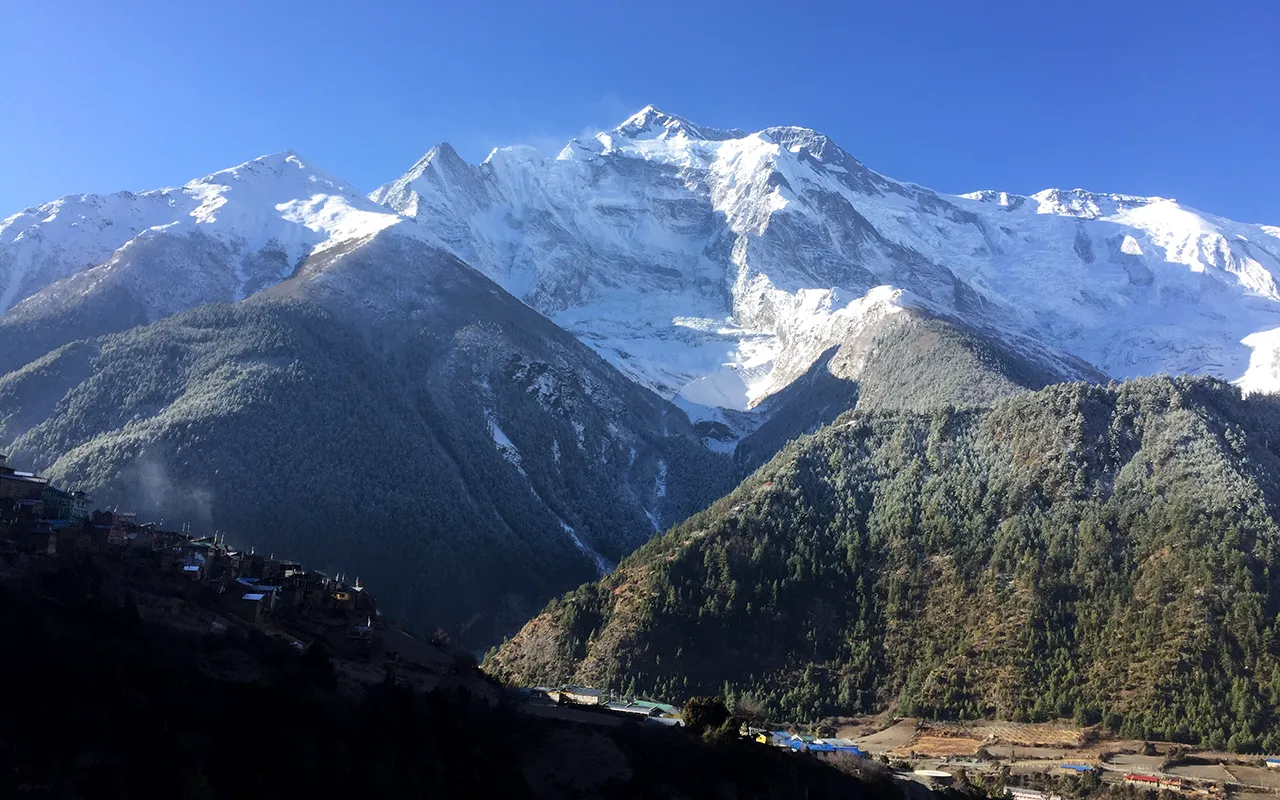
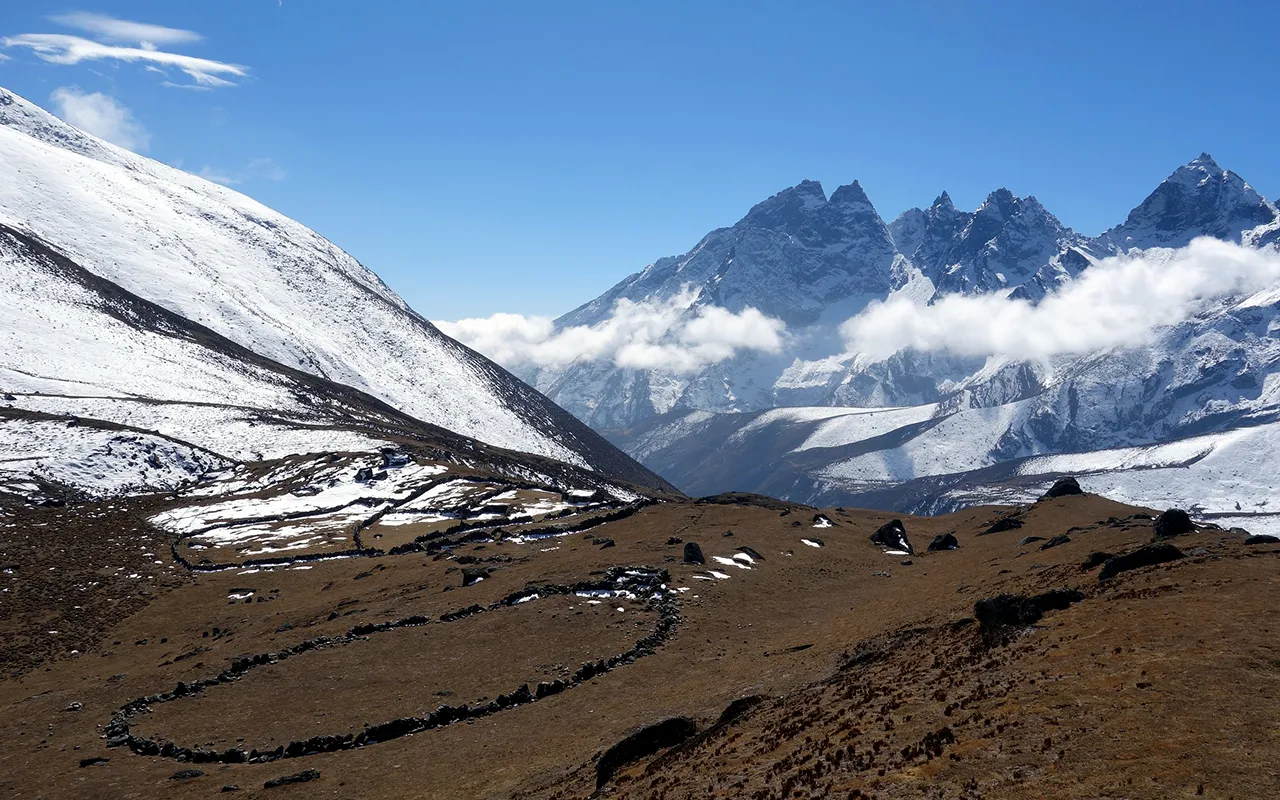
The Short Annapurna circuit trek offers you the spectacular views of the diverse landscape, terraced field, alpine meadows, rich & cultural ethnic villages, sacred sites and awe-inspiring Himalayan scenery, while passing the Thorong La Pass (5,416 meters).
All through the incredible journey, you will have flawless views of several Himalayan and mountains that includes – Annapurna I (8091 m), Annapurna II (7,937 m), Annapurna III (7,555 m), Annapurna IV (7,525 m), Gangapurna (7,455 m). Tilicho Peak (7,134 m), Dhaulagiri (8,161 m), Pisang Peak (6, 091 m), Manaslu (8, 163 m), Chulu East (6,584 m), and Chulu West (6,419 m).
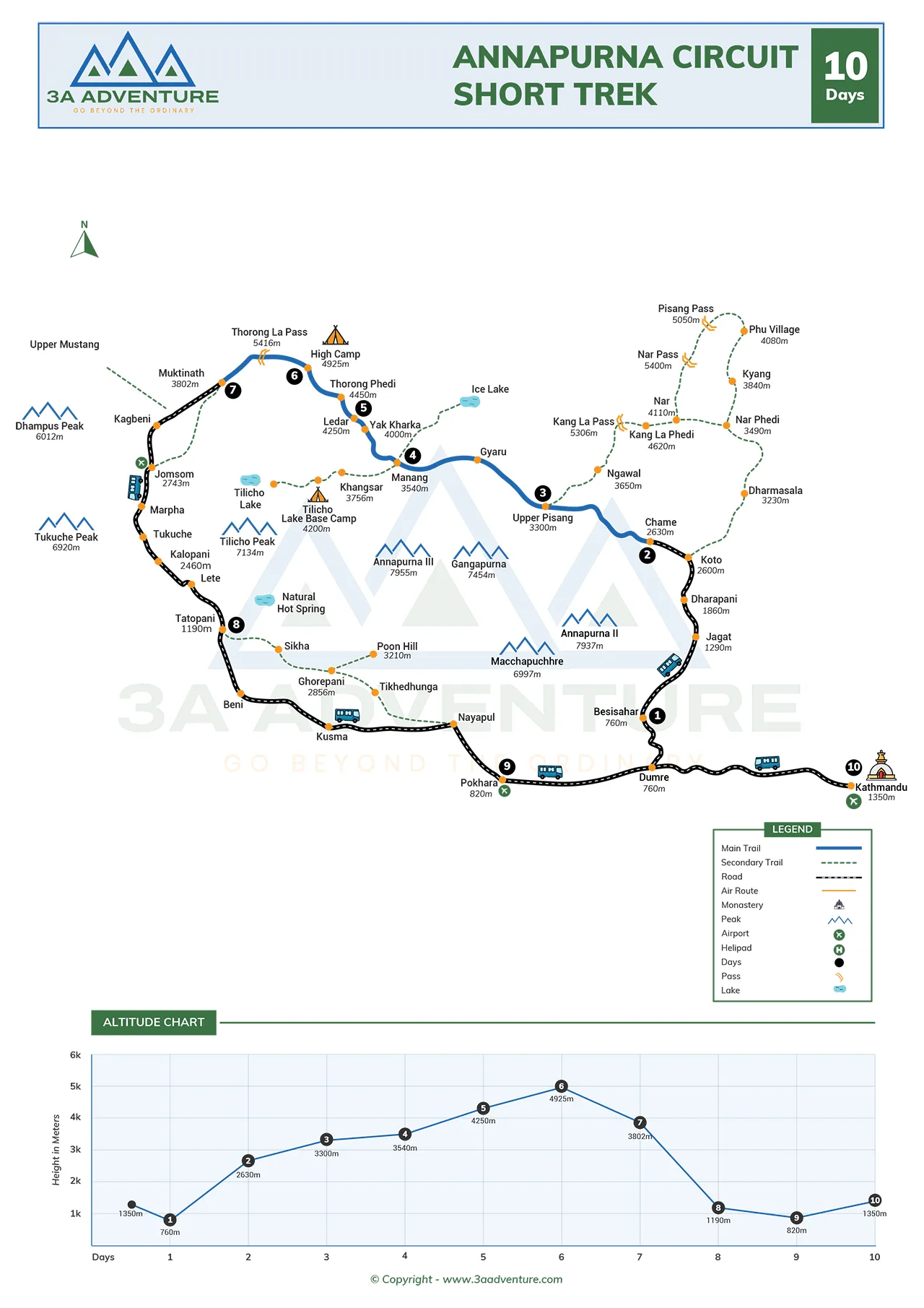
The 10-day Annapurna Circuit trek covers a distance of 80-100 km. It is a moderate trek, challenging but achievable for the fit trekkers. The trek starts at 760 m, with the highest altitudes reaching 5,416 meters, making it a thrilling & adventurous experience.
The adventurous journey begins with a scenic drive from Kathmandu to Besisahar, then to Chame, where our journey starts on foot.
The 10-day journey leads us to Upper Pisang, Manang, Bange Monastery, Yak Kharka, Ledar, Phedi, and Thorong High Camp, culminating in our ascent to Thorong La Pass (5,416 m), which offers unforgettable moments with amazing and impressive views of the beautiful Himalayas and their surrounding landscapes.
On your descent, we’ll trek down to Muktinath (a sacred temple of Hindus and Buddhists) and received blessings from Lord Vishnu. It has 108 sprouts with cold water flowing from the Gandaki River.
After spending a night at Muktinath, we continue our journey to Jomsom (headquarters of Mustang District) and then to Tatopani.
At Tatopani, we may take a hot spring, and subsequently we’ll drive to Pokhara from here.
After having a good time at Pokhara, the next day, we’ll have a 7-8 hour scenic drive to reach Kathmandu.
The 10-day itinerary is perfect for those who have a limited time but still want to get the rewarding experience of the Annapurna Circuit – Himalayan panoramas, cultural diversity, thrills, and adventure – without the commitment of a full circuit trek.

The drive from Kathmandu to Besisahar is the starting point of the Annapurna Circuit trek. The journey takes around 7-8 hrs, depending on the road conditions.
The journey begins with a scenic drive from Kathmandu and will gradually pass through the green valley hills and rural villages. The road follows the Prithvi Highway that offers incredible views of the Trishuli and Marsyangdi rivers.
Along the way, we’ll be mesmerized by the magical views of Ganesh and Manaslu peaks.
By the time we reach Besisahar, you’ll feel yourself in a calm and serene environment. It is also the headquarters of the Lamjung district. We have an overnight stay at the comfort hotel with attached bathrooms and delicious meals.

Activity: 7-8 hrs drive

Max. Altitude: 760m/2,493ft. (Besisahar)

Meal: Breakfast, Lunch & Dinner

Accommodation: Hotel
It is the second day of our Annapurna Circuit Short trek. After taking a mouthwatering breakfast, we take private vehicle – jeep to reach Chame. The distance is about 67-70 kilometers. However, it takes 5-7 hrs depending on the weather and road.
The route passes through elegant villages – Syange, Jagat, Dharapani and Timang before reaching Chame. Throughout the journey, we will all be glad to see the waterfalls, alpine meadows, and the beautiful Marsyangdi River.
The journey becomes more impressive when you see the first glimpses of Annapurna II (7,937 m), Manaslu (8,163 m), Peak 29 (7831 m), and Lamjung Himal (6,932 m).
We’ll have an overnight stay at a guest house with facilities of an attached bathroom.
Activity: 7-8 hrs drive
Max. Altitude: 2,710m/8,891ft. (Chame)
Meal: Breakfast, Lunch & Dinner
Accommodation: Guest House
Today is the first day of our Annapurna Circuit Short trek. The trek from Chame to Upper Pisang is the most significant section, which takes us above 3,000 meters in a high-altitude Himalayan environment.
The distance is approximately 14-15 kilometers, covering in 5-6 hrs. Leaving the Chame, we will pass through rhododendron and pine forests. The trails are manageable and easy for first-time trekkers. Along the way, we’ll see some elegant villages named Dhikur Pokharai and Bharatang.
The trail gradually ascends and we’ll have spectacular views of the Annapurna Ranges – Annapurna I, Annapurna II, Annapurna III, and Annapurna IV.
While approaching Upper Pisang, we’ll see Tibetan-style houses paved with stones and architecture.
Activity: 5-6 hrs trek
Max. Altitude: 3,300m/10,827ft. (Upper Pisang)
Meal: Breakfast, Lunch & Dinner
Accommodation: Lodge
The trek from Pisang to Manang is one of the scenic routes of the Annapurna adventurous journey. It takes you into the depths of the Himalayas and gradually makes you ready for the high-altitude trek.
The distance is 17-18 kilometers, covering in 5-6 hrs. After leaving Pisang, we will follow the Marsyangdi River through the terraced fields, rocky paths and small villages. The path offers impressive views of Pisang Peak and Annapurna II.
The trek passes through a small village, Ghyaru. From there, we’ll descend to Barge Monastery – the picturesque and the largest monastery of Manang. Upon that, we’ll slightly and slowly ascend to Manang. We’ll have an overnight stay at a hotel with appetizing food.
Activity: 5-6 hrs trek
Max. Altitude: 3,540m/11,614ft. (Manang)
Meal: Breakfast, Lunch & Dinner
Accommodation: Hotel
The trek from Manang to Yak Kharka onward to Ledar is a significant section of the Annapurna Circuit trek. Today, we’ll gain an elevation of more than 600 meters.
Departing from Manang, we will gradually ascend with the narrow and rugged sections crossing the Marsyangdi River via a suspension bridge.
As we ascend upwards, we will get the breathtaking views of the Annapurna II, Tilicho and Gangapurna. After a few hours of uphill walking, we’ll reach Yak Kharka.
From Yak Kharka, the trail to Ledar is easy and convenient. We will spend the night at the tea house.
Activity: 4-5 hrs trek
Max. Altitude: 4,250m/13,944ft. (Ledar)
Meal: Breakfast, Lunch & Dinner
Accommodation: Teahouse
The trek from Ledar to Thorang High Camp is short but rewarding. It takes around 4-5 hrs to complete the journey.
Starting from the Ledar, you’ll have a gradual ascent and narrow paths with stunning mountain vistas. After an hour of walking, you’ll cross the Kone Khola River via the wooden bridge.
From the bridge, we’ll ascend our steps towards the Thorong High Camp. After reaching here, we’ll take a rest, acclimatise and prepare our body for the next day’s trip. Tomorrow we will push ourselves to the Thorong La Pass – the most rewarding day of the Annapurna circuit journey.
Activity: 4-5 hrs trek
Max. Altitude: 4,925m/16,158ft. (Thorong High Camp)
Meal: Breakfast, Lunch & Dinner
Accommodation: Hotel
This is a long, tedious and challenging day; therefore, we have to start around 4.00 a.m. The 7th day of our trek will be rewarding, as we will cross the Thorong La Pass (5,416 m) – one of the highest mountain pass in the world.
After waking up early, we’ll follow our feet to the Thorong La. There is a colder weather in the early morning. When you reach the Thorong La, you’ll have the magical sunrise view. Further, you also see the panoramic views of the Annapurna Ranges Mountains, Gangapurna, Tilicho Peak, Dhaulagiri, Tukuche, Pisang and Chulu East and West.
We’ll descend to reach Muktinath after spending some quality time. The descent is long, and challenging, taking approximately 4-5 hours.
Muktinath is a sacred pilgrimage site for Hindus and Buddhists. The main attractions of this place are the 108 water spouts. It is also known as the place of salvation. We’ll stay at the comfortable hotel.
Activity: 4-5 hours. trek
Max. Altitude: 5,416m/17,769ft. (Thorong La Pass)
Meal: Breakfast, Lunch & Dinner
Accommodation: Hotel
On the eighth day, we’ll take public transport from Muktinath to Jomsom and then to Tatopani.
After taking breakfast, we’ll catch a local bus from the stand. The road is gravel, stretches, and unpaved. You’ll be glad to see the mesmerising views of mountains and landscapes.
After reaching Jomsom, we will take a rest and have lunch. Upon that, we’ll take another bus to reach Tatopani. It covers a distance of 120 kilometers and takes around 7 to 9 hours to reach our 8th destination.
Before the sun goes down, we are in the serene atmosphere of Tatopani. This place is promising for the natural hot water springs where you can soak, relax and remove fatigue from your body.
Activity: 7-9 hrs drive
Max. Altitude: 2,720m/8,924ft. (Jomsom)
Meal: Breakfast, Lunch & Dinner
Accommodation: Hotel
The drive from Tatopani to Pokhara has a distance of 105-110 kilometers.
After departure from Tatopani, we will descend the hills to the tropical plains by following the Kali Gandaki River. The road is poor, unpaved and pathetic because this area is often affected by landslides and floods.
After 6-7 hours of the scenic drive with some trouble on some roads, we’ll reach Pokhara, a tourist paradise of Nepal. Here you will get all amenities in the hotel. Meanwhile, in the evening, you stroll around the lakeside. You may have your favourite drink and dinner. Aside
from this, one can also join discotheques or pubs and see the nightlife of Pokhara.
Activity: 6-7 hrs drive
Max. Altitude: 850m/2,789ft. (Pokhara)
Meal: Breakfast, Lunch & Dinner
Accommodation: Hotel
We will have a scenic drive from Pokhara. It takes around 6-7 hrs to reach Kathmandu. After reaching the valley, you have time to explore some historical sites. You may also visit the shops of Thamel to buy antique gifts for your family and friends.
In the evening, we’ll have a farewell Nepali cuisine dinner. The meal will include Rice, Lentils, Seasonal Vegetables, Chicken/Mutton/Fish curry, Curd, Spinach, Nepali local pickle, and sweets in desserts.
Activity: 6-7 hrs drive
Max. Altitude: 1,400m/4,593ft. (Kathmandu)

Note:
If you have a private group and prefer a personalized experience, we can organize a custom trip tailored to your requirements and group size, running it any day you choose.
Transportation
Food and Accommodation
Guide and Support Staff
Permit and Expenses
Medical and Gear
Others
International Flights and Visa
Food and Accommodations
Travel and Medical Insurance
Other Expenses
The Annapurna Circuit trek is regarded as one of the most acceptable and admirable treks in the world. It is manageable and achievable in 10 days without losing its highlights and significance.
All through the journey, you will have astonishing views of several mountains – Annapurna I, Annapurna II, Annapurna III, Annapurna IV, Gangapurna, Manaslu, Pisang and more
The most demanding and rewarding section is Thorong La, which has an elevation of 5,416 m.
You will be overjoyed by seeing the diverse landscapes, lush green forests, and alpine meadows. Furthermore, you’ll also explore Mustang – the perfect blend of the Tibetan Buddhist culture & values.
While trekking, you expect to encounter the Gurung, Manang and Thakali communities. Furthermore, you’ll also see chortens, flags and prayer monasteries.
On the 7th and 8th day of the trek, you’ll visit Muktinath – a sacred pilgrimage site for Hindus and Buddhists.
The Annapurna route will provide you with a comfortable and cosy tea house to relax rest and acclimatize your body. You’ll be delighted by the warmth and hospitality of locals.
During the journey, we’ll serve you fresh & healthy foods that will be Dal, Bhat, Mo: Mo (Dumplings) and Tibetan bread.
There is also a chance to see the wildlife –Himalayan thar, blue sheep, snow leopard and more
Hence, one required good physical fitness, stamina and endurance to complete the trek.
The Annapurna Circuit short trek is a moderate to challenging trek. It is not a casual walk. It is appropriate for the trekkers with good physical fitness, strong determination and prior experience.
The length and its durations are challenging. It takes around 10 days to conclude. Furthermore, you have to walk 6-7 hours per day. On day 7, it exceeds 8 hrs.
The journey involves steep climbs, ascents and descents. The most difficult part is to cross Thorong La Pass, which has an elevation of 5,416 meters. It may lead to several health issues and problems like nausea, vomiting, shortness of breath and several other problems.
The trek leads us to the rugged terrains, rocky paths and slippery trails that can be more challenging.
The weather is unpredictable and unstable even at the lower altitudes of the Annapurna region. The sudden storms may also affect our walking trails.
While you do not require technical climbing or athleticism, a good level of fitness is necessary. You’d better take part in cardiovascular training like swimming, jogging and running at least 6-7 weeks before the trip.
Despite these obstacles and hindrances, the Annapurna Circuit trek is the second most preferred trek in Nepal after the EBC.
The Annapurna Circuit short trek, typically accomplished in 10 days, requires careful planning & preparations. The journey is demanding and challenging. It takes the trekkers above 5,400 meters. Your planning includes: physical training, mental readiness and logical arrangements.
To make the trip enjoyable, you must have excellent fitness. You’d better get involved in endurance training and cardio exercises like swimming, jogging and running at least 6-7 weeks before the trip.
The strength training – squats, lunges and planks is equally significant. You may also take part in hiking training. It would be helpful to enhance your stamina and vital body power.
If you have the time and possibility, spend some time at higher elevations before the trek.
Your mental health is equally important during the journey. A practice of Yoga and meditation leads you to a peaceful and pleasant hike. Prepare yourself mentally to live with limited facilities and minimal luxury for some days.
Remember, your equipment is crucial. Make sure to prepare all essential gear including footwear, accessories, sleeping gear, trekking poles, first–aid kit and other items.
Carry all necessary documents including a copy of the passport, permits and travel insurance. Additionally, bring a sufficient amount of Nepalese rupees because ATM is available till Besisahar.
“Altitude sickness is a condition, not a disease. It occurs when your body struggles to adjust to the lower oxygen levels at high altitudes. On the Annapurna Circuit short trek, hikers ascend above 5,400 meters, where the body may not get adequate oxygen. Altitude sickness can affect anyone, regardless of fitness, age, or trekking experience.”
The common symptoms including nausea, vomiting, fatigue, loss of appetite, dizziness, trouble sleeping, shortness of breath and more.
It also leads to severe high-altitude problems that include Acute Mountain Sickness (AMS), High Altitude Cerebral Oedema (HACE) and High-Altitude Pulmonary Oedema (HAPE).
To moderate the risk of altitude sickness, we have acclimatised and rested during our journey. It is necessary to adapt and adjust to the high altitude and changing environments while you are trekking.
Here are some essential preventive measures that are helpful for trekkers.
Gradual Ascent: Schedule your acclimatization and give priority to the gradual ascents. Don’t be in a hurry while trekking
Stay Hydrated: Stay hydrated and drink at least 4-5 liters of safe water during the journey.
Eat healthy & Nutritious – Eat healthy, high calories and nutritious meals which helps maintains your energy
Alcohol & Tobacco – Avoid consuming alcohol, cigarettes, and chewing tobacco during the journey. It low down your stamina energy and strength
Medication –Consume the Diamox, aka Acetazolamide before the high-altitude hike
Listen to your body – Never ignore any health symptoms you feel during the journey.
Conscious: Be conscious of your health. If you feel you can’t, then kindly avoid the trek.
Remember, consult your doctor and have some tests before starting the trek.
The Annapurna Circuit trek is generally regarded as a moderate trek. It is appropriate for beginners, but it depends on excellent fitness and mental resilience, preparation and strong determination.
It is the short version of the Annapurna Circuit that reduces walking days and skips some of the demanding sections of the trek, which makes its accessible for those who have never been on the long trek yet.
The trails are managed and well established, with an adequate number of tea houses and accommodation facilities that make it a beginner-friendly trek.
The trip is not a short & easy hike. It takes the trekkers above 5,400 meters, where altitude sickness could be a big concern. Further, you also have to walk 6-7 hours a day, navigating rugged terrain, including uphill and downhill walking. The unpredictable weather is also crucial. The beginner has to adapt the environment to the changing weather.
To make the journey effective and fruitful, you’d better start preparing 6-7 weeks before the trip. You may be involved in the cardiovascular activities – cycling, swimming and jogging. You may also walk with a 6-7 kilogram backpack. Hiring an experienced guide is very important for your comfort and safety.
If you are a beginner, choose the comfort season, Spring and Autumn, rather than Winter or Monsoon.
The Annapurna Circuit trek is technically done all the year around. However Spring (March-May) and Autumn (Sep-Nov) is widely regarded as the promising time to enjoy the adventurous journey.
Spring (March-May) – The Spring is one of the ideal seasons for the Annapurna Circuit short trek. During this time, there are mild temperatures, clear skies and long day hours.
While trekking, you will see the blossoming rhododendrons everywhere in the region. Further, you’ll have comfortable trail conditions. Aside from this, it is an ideal time for bird-watching, spotting wildlife, and experiences the traditional festivals.
Autumn (Sep-Nov) – Autumn is the pick time of the Annapurna Circuit short trek. During this, there is cool temperatures and stable weather. You’ll get the breathtaking views of the Himalayan ranges including Annapurna, Manaslu, Tilicho, Pisang, Gangapurna and other peaks.
You learn the culture and traditions of Nepal through our festivals, Dashain, Tihar and Chhath, which falls in October-November.
Winter (Dec-Feb) – Winter is not worthwhile for the Annapurna Circuit trek.. The temperature drops to -10°C to -20°C at higher altitudes. There is a heavy snowfall. As a result, the trails were blocked temporarily, and the path became slippery. Due to the lack of transportation, some tea houses are closed at the higher altitudes. Some high passes like Thorong La are temporarily closed.
Despite that, you’ll get a crisp view of snow-covered mountains, clear skies and a calm atmosphere with a small number of trekkers. Beginners are not recommended to trek in winter.
Monsoon (June-Aug) – The Monsoon is the last best option among all seasons. All through the season, there is heavy rainfall everywhere. The journey becomes slow and sore.
The upper valley trails become impassable. Due to the poor visibility, you cannot enjoy the panoramic views of the mountains and landscapes. The leeches and mosquitoes are more active this season. The medical services and the helicopter are delayed due to the bad weather.
You are going to stay in a standard and luxurious hotel while you are in Kathmandu and Pokhara. We’ll have a variety of accommodations during the trek that include lodges, tea houses and guest houses.
The tea houses are the heart of the Annapurna regions. It is run by the local families along the trekking route. They offer their trekkers a warm and welcoming atmosphere. It is quite cheaper than hotels of Kathmandu and Pokhara. You have to pay around 5 to 10 USD per day.
The rooms are fully furnished and comfortable. You’ll get a single or twin bed along with a pillow, mattress and blankets.
The bathrooms are shared among the trekkers. “Toilet facilities vary along the route—Western-style toilets are more common at lower altitudes, while squat toilets are typical at higher elevations.”There are no room services. You have to enjoy the meal with the fellow trekkers.
There is also an option of camping at a higher altitude. You’ll get an authentic cultural experience while staying with the local family.
The Annapurna Circuit is a modest trek compared to TSUM valley, Upper Dolpo and Manaslu circuit. Therefore, you’ll enjoy different varieties of tastes and cuisines. We normally provide three courses of meal – breakfast, lunch and dinner. Our meal pours of all nutritional value. Here are the details.
Breakfast (the refreshing meal) – It is the first meal of the day. It usually serves around 6-8 A.M. You’ll have variety of choice and options that includes: porridges, eggs dishes, sel roti, puri tarkari, chow chow soup, oats, cornflakes and muesli.
Lunch (the power meal) – By considering the popular Nepali saying “Dal Bhat ko Power” 24 hours hour, we’ll serve you Dal, Bhat, Tarkari – the staple foods of Nepal. “Furthermore, you can also enjoy a variety of other dishes such as Chapatti, veggies, lentils, Mo: Mo (dumplings), Spaghetti, Rice Pudding, Thupka and many more.
Dinner (the comfortable meal) – The trekker usually prefers the same Dal, Bhat, Tarkari for dinner. Along with that, you may also enjoy the buffalo, goat and chicken meat. Aside from this, there are several other options that include: Tibetan bread, Fried rice, potato dishes, Sherpa stews, Pizza, pasta, Noodles and Thupka.
Beverages – During the journey, you will enjoy with the several beverages that includes – Tea (Milk, black, lemon), fruit juices, coffee, cola, and local alcoholic drinks.
All through the journey, we will provide high nutritious foods that are freshly prepared. At the higher altitudes, there may be a limited food options.
Trekking in Annapurna region is a short trek, it involves high-altitude challenges. It leads to the probability of acute mountain sickness, nausea, vomiting, irritation and shortness of breath. Furthermore, it is also helpful and saves you from unexpected circumstances.
When you hike above 3,000-3500 meters, insurance is essential for you. Further, the Annapurna Circuit trek is more challenging due to variable terrains, remote locations, icy paths, sub-tropical forests and long walking days
The 10 days trek takes you above 5,400 meters with limited facilities of the availability of medical services.
Here are some points that consider its significance.
Remember -keep digital printed copies of your insurance while travelling.
To be a part of the thrilling and adventurous Annapurna Circuit trek. You need a couple of permits.
Annapurna Conservation Area Permit (ACAP) – The Annapurna Conservation Area Permit, aka ACAP, is a mandatory permit to trek inside the Annapurna region. It helps to maintain and regulate tourism and the overall development of the area. It costs USD 30 for the foreign trekkers and NRS 1000 for SAARC nationals.
Trekker’s Information Management System (TIMS) – It is a TIMS card that is designed for the safety and security of the trekkers. It is helpful in rescue and emergencies. It costs USD 20 for the individual trekker. The group trekkers may have a different fee structure.
Where to obtain – You can easily obtain these permits from the Nepal Tourism Board, Kathmandu and Pokhara.
We, the 3A Adventure, are one of the promising trekking agencies of Nepal. Once you book trip with us, it includes everything that you need during the journey. There are certain things that you have to manage yourself.
During the journey, you have to pay for the hot shower (2 to 5 USD). Additionally, you have to pay for gadget charging and WI-FI at high altitudes. In the lower valley, it may be free of cost.
If you forget equipment like crampons, poles, sleeping bags, head lamp or any other gear, expect to buy or rent in Kathmandu.
You have to buy yourself your medical supplies like Diamox, First Aid kit, oral solutions, wet wipes or tissues.
The packaged foods, snacks, chocolates, alcohol and cigarettes are expensive due to the high transportation cost.
There may be availability of laundry services, which cost around 200-500 NPR.
Tipping the guide and porter is not mandatory. However, it is appreciated if you pay.
Tour Guide – 5-10 USD per day
Porter – 3-4 USD per day
The helicopter rescue is available in emergencies, but it is expensive (2000-5000 USD), and is manageable through your insurance.
We, the 3A Adventure, always provide effective services to our valuable clients. During the Annapurna adventurous journey, all road transportation will be arranged and taken care of by us.
Upon arriving in Kathmandu, our company employee will pick you and escorts you to the reserved hotel in a private vehicle.
The next day, we will take a local bus to reach Besisahar. Similarly, on the 2nd day of our tour, we will drive from Besisahar to Chame.
After concluding our leg journey, we’ll take a ride from Muktinath to Jomsom and then to Tatopani. Smilarly, the next day we drive to Pokhara and then to Kathmandu in the last day.
Regarding communication, you can purchase an NTC or Ncell for browsing the internet. You will get good coverage in the lower village. However, there is a low signal above Manang.
The Wi-FI services are available at a tea house with a minimum cost of 200-300 NPR.
Selecting between Private vs. Group trek depends on your choice, preferences and priorities.
A group trek is a properly managed trekking journey where several trekkers join under the same itinerary whereas private trek is a fully customized tailored personal preferences, dates and pace.
The private trek offers you more personalized experienced compared to the group trek. It is costlier but you have your personal guide and porter.
Group treks are ideal for those who want to share their experiences with fellow trekker’s in a minimum cost. However, there is a less flexibility, you stuck up with planned pace, time, date and schedule.
Similarly, Private trek provides you more flexibility during the trip with your family, friends and loved ones.
Here you see the Comparison table
| Feature | Group Trek | Private Trek |
| Cost | Lower | Higher |
| Flexibility | Low | High |
| Privacy | Low | High |
| Social Experience | High | Low |
| Pace | Limited | Full controllable |
| Customize Itinerary | No | Yes |
General
Thorong La Pass (5,416) is the highest and most challenging part of the Annapurna Circuit 10-day trek.
You need a couple of permits.
Yes, you’ll easily find the ATM centre’s and exchange counter in Jomsom.
You have to walk around 6-7 hrs per day. Your trekking time depends on the terrain and altitude. On some days, while crossing Thorong La Pass, you’re walking hours may increase, but on some other days, you have shorter distances and easy trails.
Experience plays a key role in high-altitude trekking. If you have excellent fitness and great enthusiasm towards trekking, then you can accomplish the trek.
Preparation & Fitness
You should focus on building your strength, stamina and endurance. Running, cycling, and jumping are perfect ways to build your fitness. Aim to start your training at least 5-6 weeks before the trip.
 Insurance & Visa
The Annapurna circuit is a moderate. You have long day’s walking hours. Further, you’ll cross the Thorong La, which has an elevation of 5,416 meters. The travel insurance plays a significant role, which is helpful in helicopter rescues, manages all your stuff and covers the medical expenses.
 Guides & Support Staff
Yes, you need a porter and a guide. A porter can carry 20-25 kg of bags. Furthermore, guides navigate you through the trek. They also have in-depth knowledge of the destinations.
 Accommodation and Facilities
While staying in the Kathmandu, we’ll allocate the facilities of 3 star hotels. During the trek, you have to stay in comfort, cheaper and convenient tea house.
A private room tea houses is not guaranteed in the peak season – Spring and Autumn. During the non-peak season, you may get easily without paying any extra cost.
 Weather & Seasons
The spring (March-May) and autumn (Sep-Nov) are the promising times for the Annapurna Circuit Short trek. During these times, the skies are clear, ideal weather, blooming rhododendrons and perfect visibility.
 Health & Safety
Yes, the trek leads you above 5,400 meters. Thus, it is crucial to have acclimatisation during the trek.